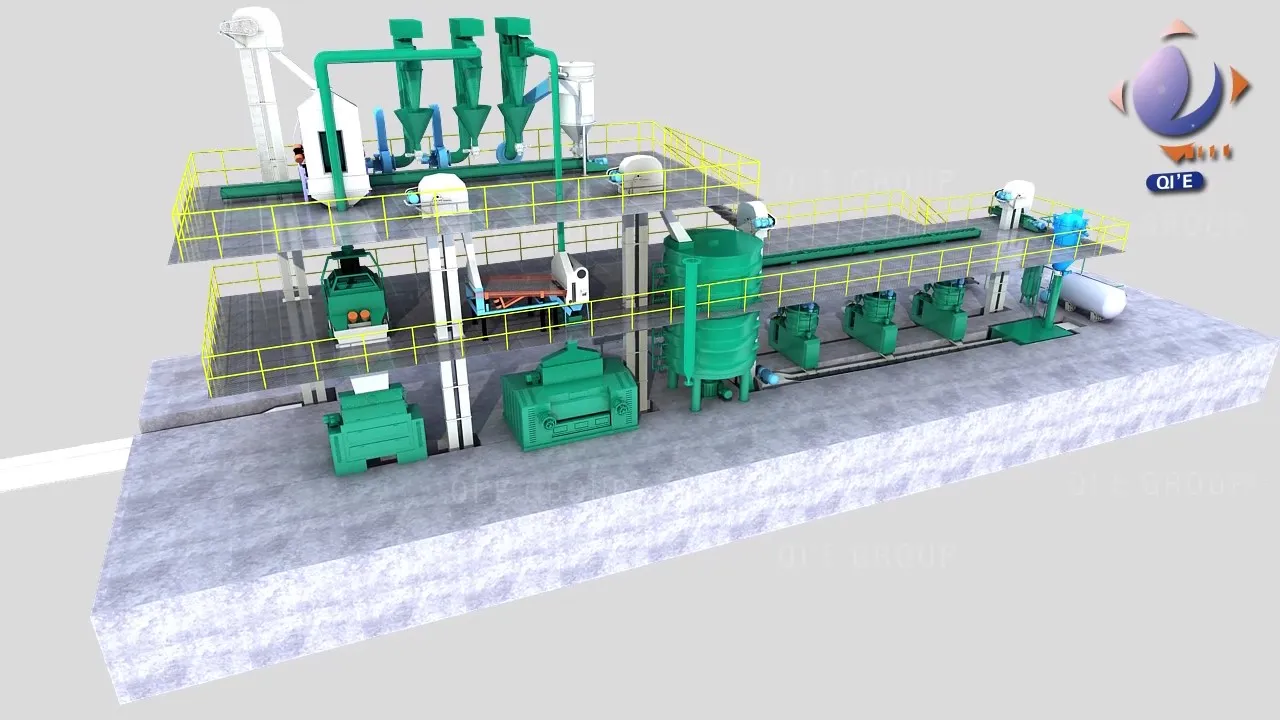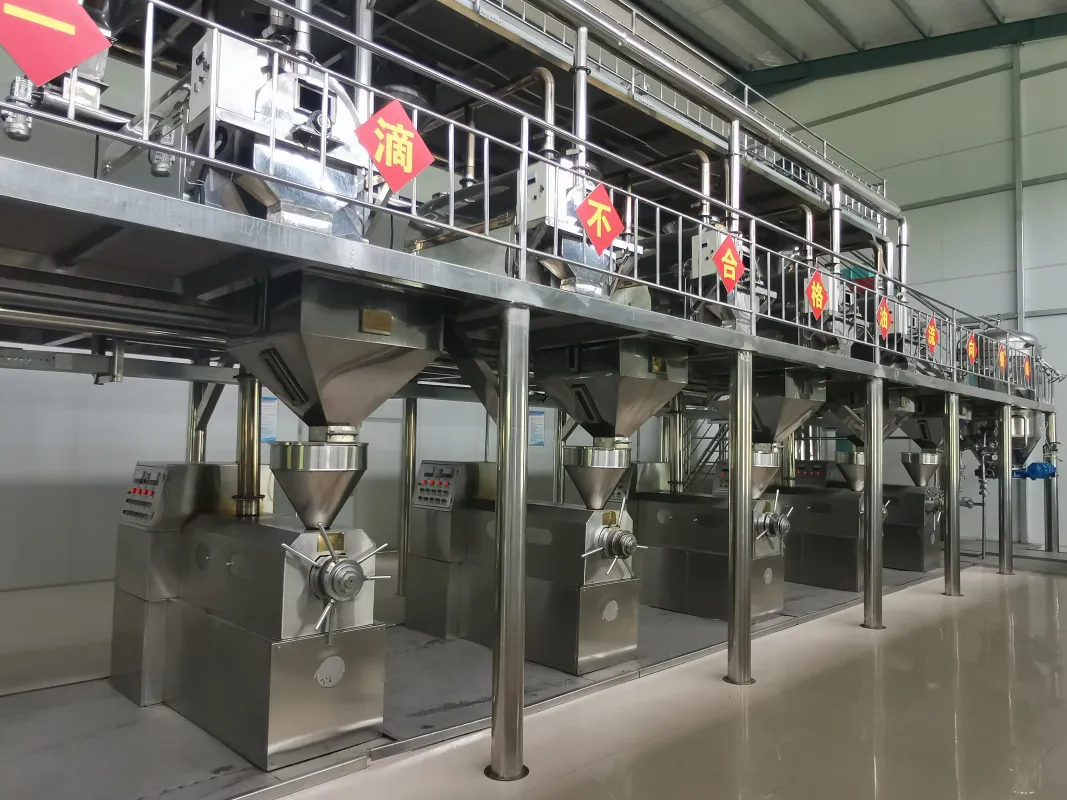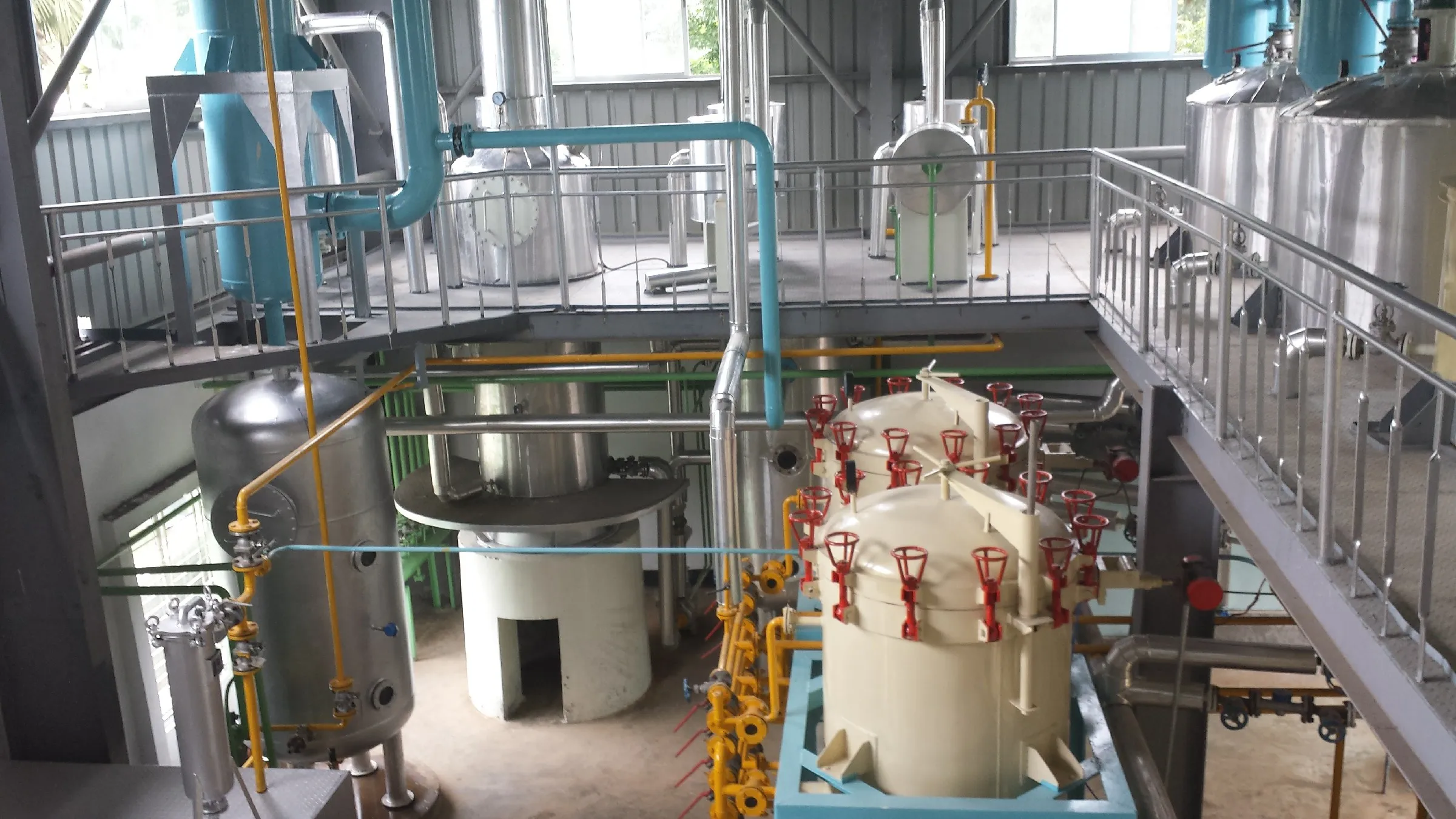
In the competitive landscape of the edible oil industry, ensuring high - quality and safe rice bran oil is paramount. You may wonder, what is the key to producing top - notch rice bran oil? The answer lies in the automated deodorization process, a cornerstone in enhancing the purity and food safety of rice bran oil.
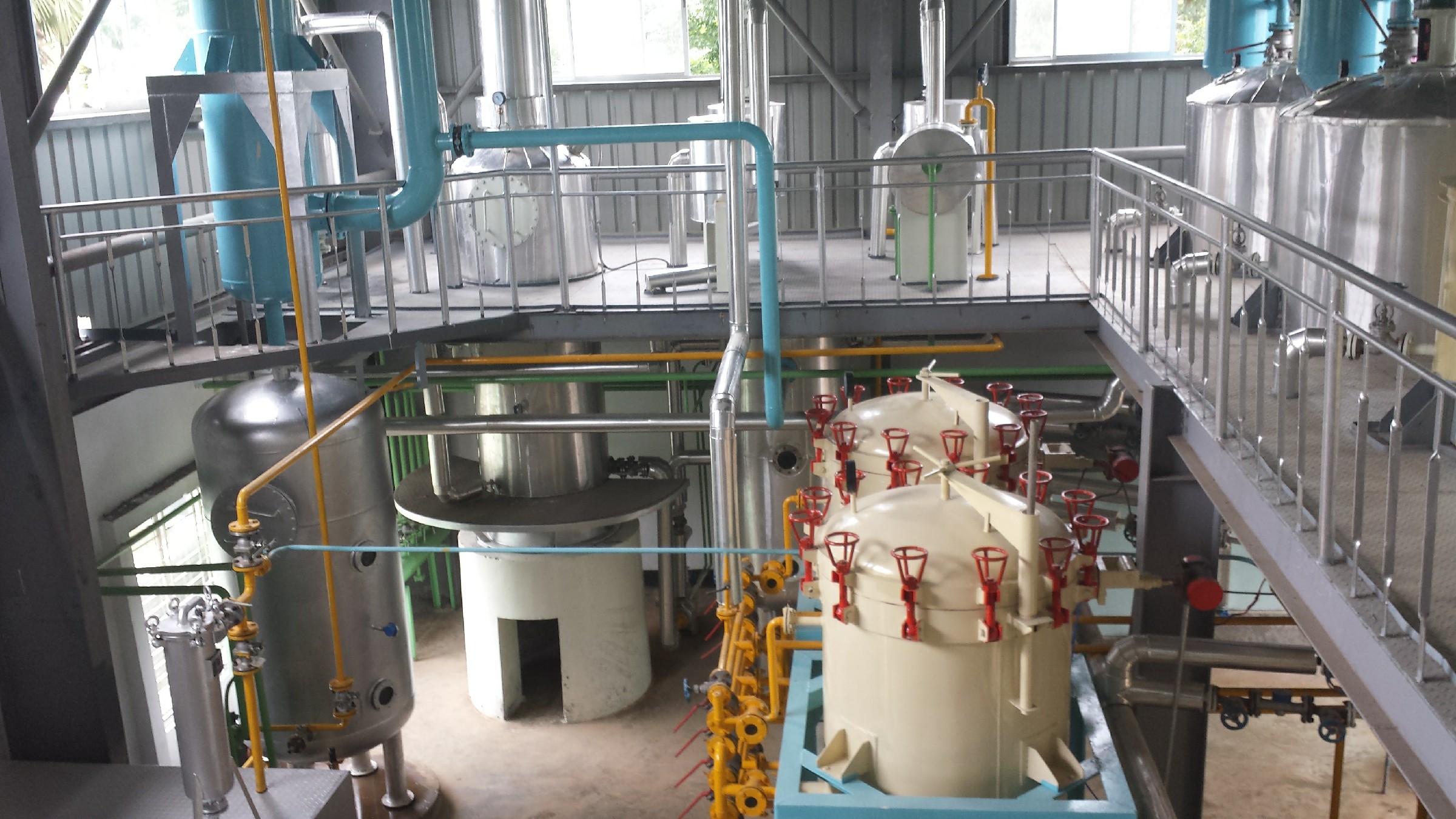
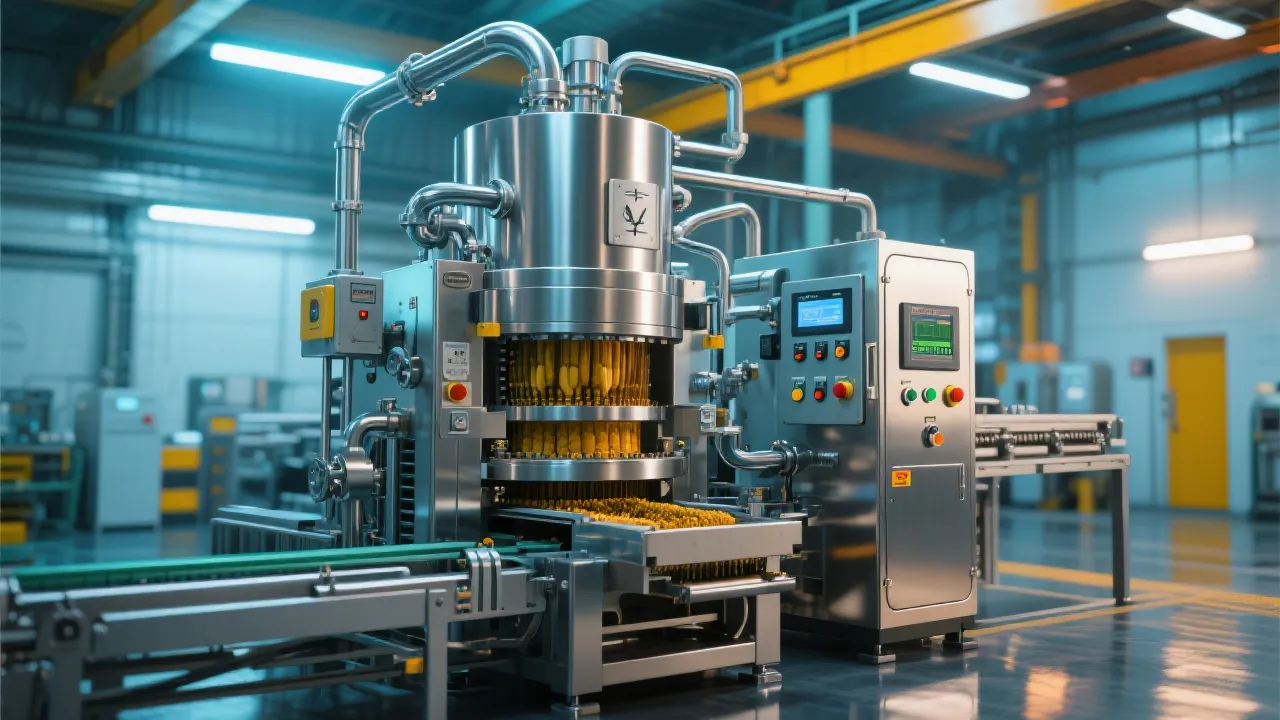
The automated refining equipment for rice bran oil operates through a series of meticulous steps, from pre - treatment to deodorization. First, it conducts multi - stage filtration to eliminate visible impurities. Subsequently, degumming removes phospholipids, which could cause oil deterioration. Then, de - acidification gets rid of free fatty acids, and de - coloring purifies the oil’s appearance. Finally, the deodorization stage removes unpleasant odors and volatile substances.
These technical processes significantly enhance the overall quality of rice bran oil. For instance, by removing free fatty acids, the shelf - life of the oil is extended by up to 30%. This not only meets the quality expectations but also contributes to reducing waste in the long - term.
Let's delve into industry standards. The GB 2716 is the Chinese national standard for edible oils, setting a strict benchmark for safety and quality. When compared with international standards, the automated deodorization process not only meets these requirements but often exceeds them. For example, in terms of the content of harmful substances, the automated process can reduce the levels of polycyclic aromatic hydrocarbons by 40% below the international benchmark, ensuring the highest degree of food safety.
“Automated technology in rice bran oil refining is revolutionizing the industry, providing a reliable means to meet and surpass strict food safety standards.” - Industry Expert
In practical operations, setting Critical Control Points (CCP) is essential. For example, during the de - acidification stage, closely monitoring the acid value and the amount of alkali used is a CCP. Additionally, the application of online detection technology is a game - changer. With real - time data monitoring, you can immediately identify and rectify any deviations, ensuring stable product quality.
An export - oriented enterprise serves as an excellent example. After implementing a fully automated refining line, they witnessed a 25% increase in product quality stability and a 35% boost in production efficiency. This clearly demonstrates the significant advantages of automation in reducing human errors and enhancing overall productivity.
Like any technology, the automated rice bran oil refining equipment requires proper maintenance. Regularly checking for common faults, such as blockages in the filtration system, can prevent production disruptions. Moreover, comprehensive staff training is vital. Ensuring that employees are well - versed in equipment operation and safety protocols is key to smooth production.
Ready to take your rice bran oil refining to the next level? Discover more advanced automated equipment solutions! Click here to view details
 rice bran oil refining equipment international certification
export-oriented equipment selection
food safety management equipment standards
energy-efficient rice bran oil processing equipment
international quality standard machinery
fully automatic sesame oil production line
grain and oil machinery automation
sesame oil extraction efficiency
fully enclosed oil pressing equipment
customized grain and oil production lines
automated sesame oil production line
oil processing automation
closed system food safety
intelligent oil refining
ISO9001 compliant food manufacturing
rice bran oil production process
rice bran oil quality control
edible oil processing standards
rice bran oil refining technology
automated oil extraction equipment
Fully automated rapeseed oil production line
Cold pressing extraction
Solvent extraction process
Oil yield
Nutrient retention
rice bran oil refining equipment international certification
export-oriented equipment selection
food safety management equipment standards
energy-efficient rice bran oil processing equipment
international quality standard machinery
fully automatic sesame oil production line
grain and oil machinery automation
sesame oil extraction efficiency
fully enclosed oil pressing equipment
customized grain and oil production lines
automated sesame oil production line
oil processing automation
closed system food safety
intelligent oil refining
ISO9001 compliant food manufacturing
rice bran oil production process
rice bran oil quality control
edible oil processing standards
rice bran oil refining technology
automated oil extraction equipment
Fully automated rapeseed oil production line
Cold pressing extraction
Solvent extraction process
Oil yield
Nutrient retention





.png?x-oss-process=image/resize,h_100,m_lfit/format,webp)
.png?x-oss-process=image/resize,h_100,m_lfit/format,webp)
.png?x-oss-process=image/resize,h_100,m_lfit/format,webp)