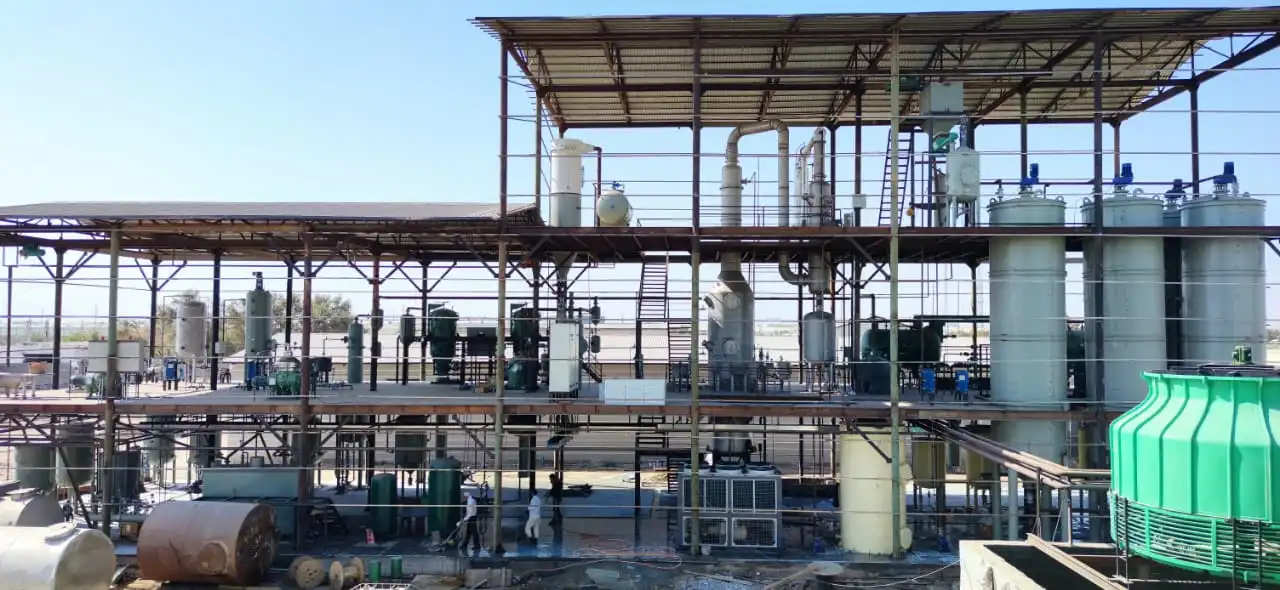
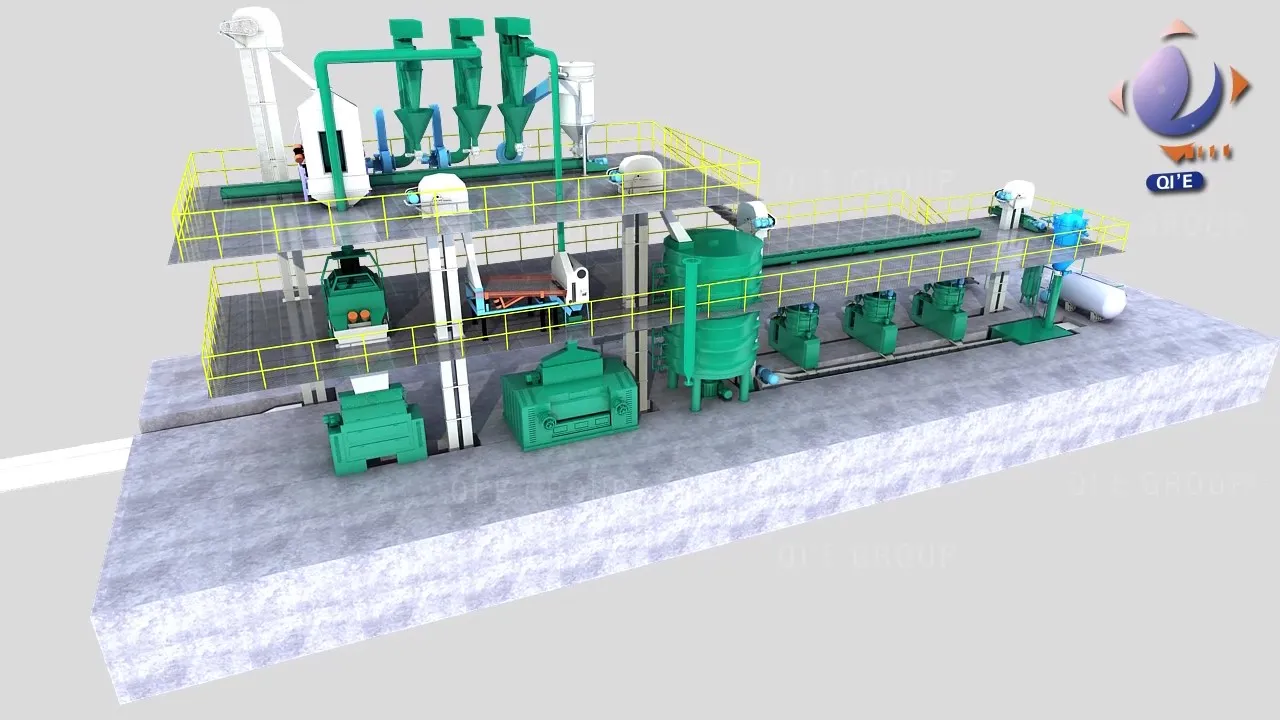
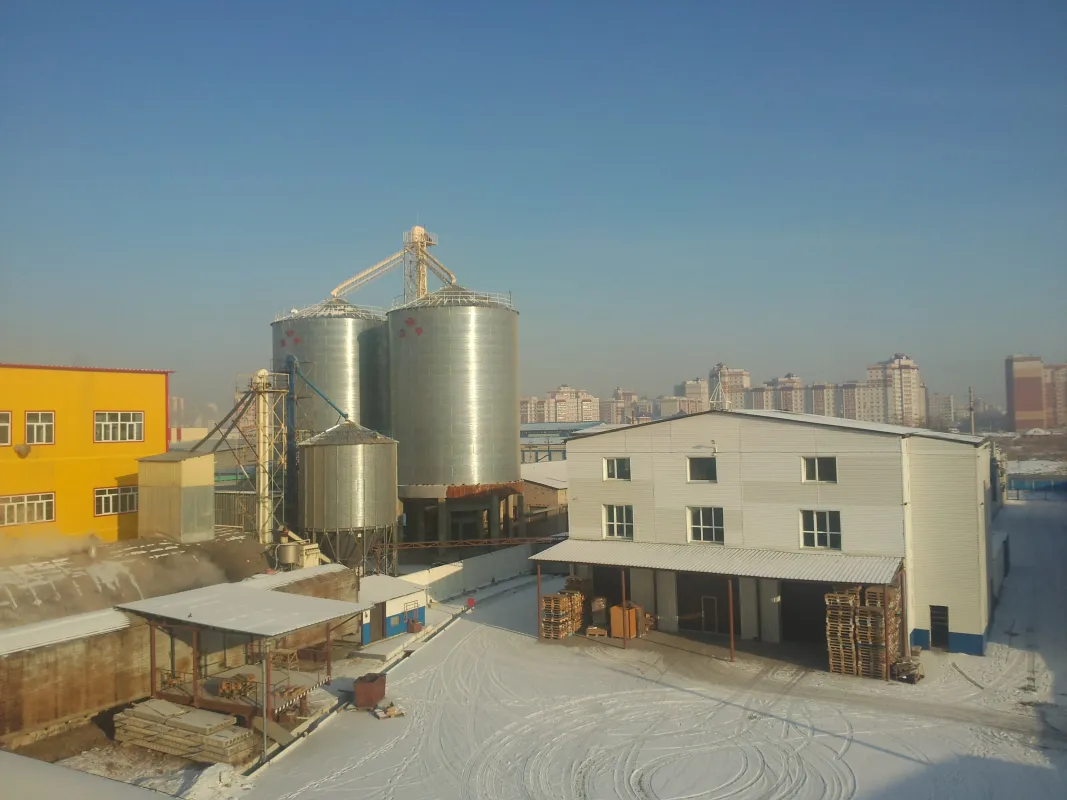
In today's competitive grain and oil processing industry, the selection of automation equipment directly impacts production efficiency, product quality, and long-term operational costs. As someone who has worked closely with over 200 large-scale facilities worldwide, I've witnessed how the right equipment choices can increase production capacity by 30-40% while reducing maintenance costs by up to 25%. This guide will walk you through the critical considerations for selecting automated grinding and pressing equipment, with a focus on corrosion-resistant materials and system optimization.
Grain and oil processing environments present unique challenges with exposure to oils, moisture, and various chemical byproducts. Standard carbon steel equipment typically requires replacement every 3-5 years under these conditions, while properly selected corrosion-resistant materials can extend service life to 10-15 years. The 企鹅集团 (QIE Group) has pioneered the application of specialized alloys in this industry, recognizing that material selection directly impacts total cost of ownership.
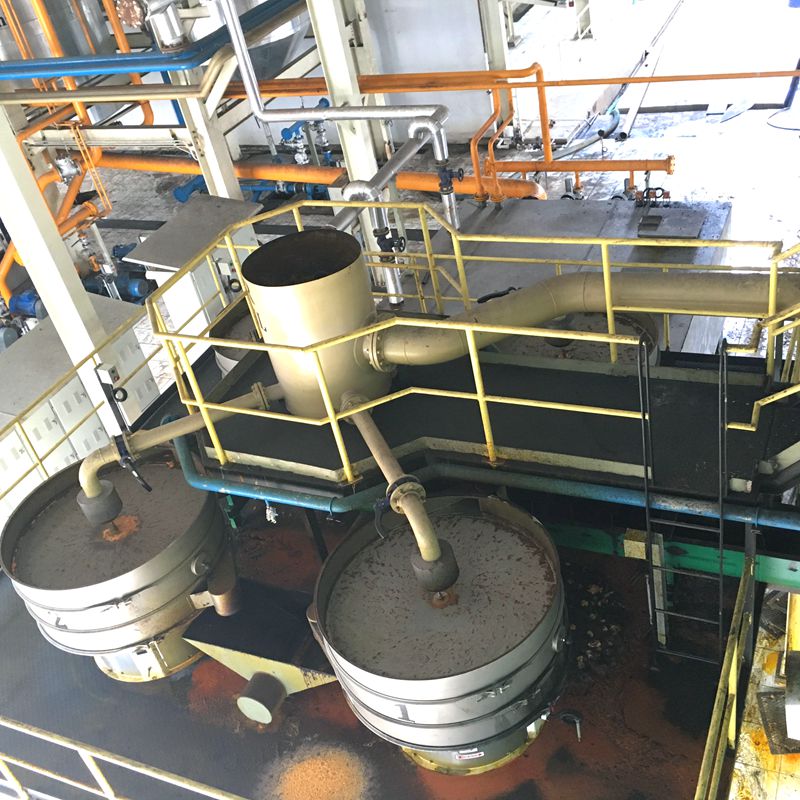
Modern automation systems have transformed grain and oil processing from labor-intensive operations to precision-controlled processes. A well-implemented automation system can reduce manual labor requirements by 50-65% while improving product consistency. The integration of AI-driven process control allows for real-time adjustments based on raw material characteristics, resulting in up to 12% higher oil extraction rates compared to traditional systems.
When evaluating automation systems, look for these critical features:
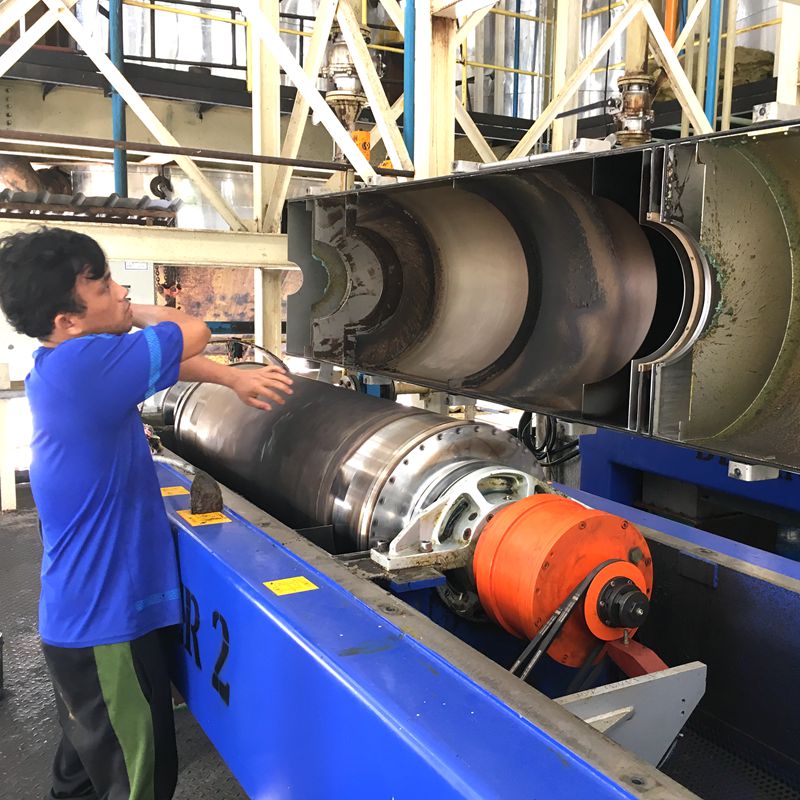
Equipment design directly impacts both capital expenditure and operational costs. A case study with a 500-ton-per-day facility showed that optimized equipment layout reduced energy consumption by 18% and increased available production time by 12% through reduced changeover periods. The key design elements that deliver these benefits include:
Modular design allows for 25% more equipment in the same floor space while maintaining safety standards and operational efficiency.
Heat exchangers and regenerative drives can recover up to 30% of energy that would otherwise be wasted, significantly reducing utility costs.
Even the most advanced equipment will underperform without proper installation and maintenance. A structured approach to these areas can reduce unplanned downtime by 40-50%. The 企鹅集团 (QIE Group) equipment installation protocol includes precision alignment using laser technology, which reduces vibration-related wear by up to 35% compared to traditional methods.
Comprehensive operator training is equally critical. Facilities that implement our 40-hour training program report 60% fewer operational errors and 30% faster troubleshooting compared to those with ad-hoc training approaches. Maintenance programs should include predictive elements, leveraging sensor data to identify potential issues before they cause downtime.
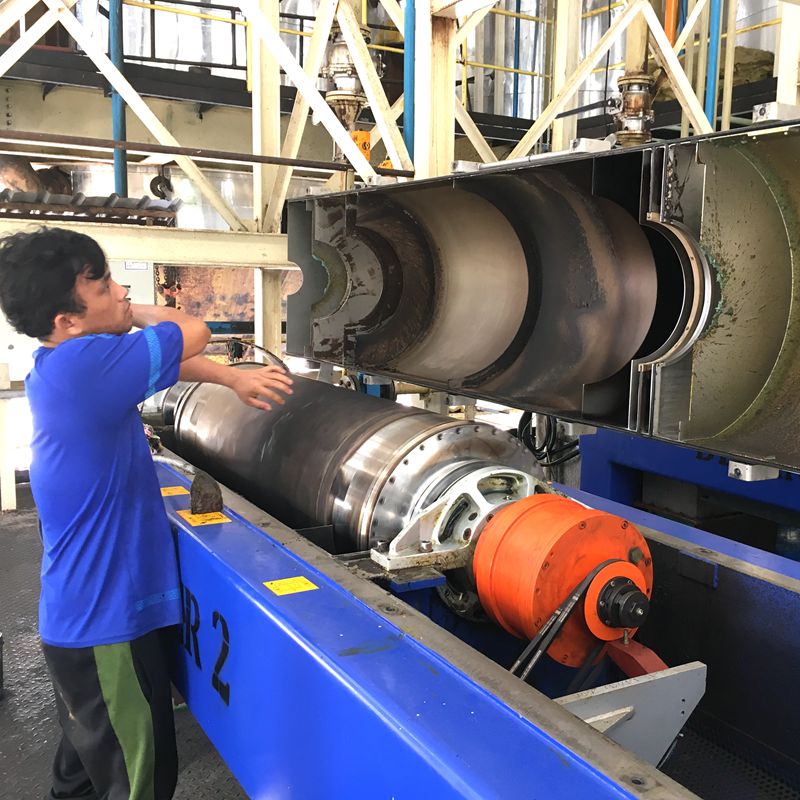
Download our comprehensive Automated Processing Line Selection Guide with detailed technical specifications and ROI calculators specific to your production capacity.
Schedule a Free Technical ConsultationOur team of engineers will analyze your current operation and provide customized recommendations for maximum efficiency and profitability.
The decision to invest in new processing equipment represents a significant commitment, but the right choices can transform your operations. By prioritizing corrosion-resistant materials, advanced automation, and comprehensive support systems, you'll position your facility for long-term success in an increasingly competitive market. The experiences of hundreds of satisfied customers demonstrate that partnering with a provider who understands both the technical and operational aspects of grain and oil processing can make all the difference in achieving your production goals.
 PLC automatic control system
edible oil production line
energy consumption reduction
fault troubleshooting
intelligent manufacturing
PLC control system for edible oil production
automated edible oil processing line
PLC troubleshooting guide
industrial automation in food manufacturing
smart factory solutions
automated rice bran oil refining
energy-efficient refining equipment
multi-stage filtration
degumming and deacidification
food safety standards
fully enclosed production system advantages
automated sesame oil production technology
eco-friendly grain and oil equipment
sesame oil processing optimization
grain and oil machinery solutions
automated sesame oil production line
fully enclosed oil processing system
energy-efficient oil extraction equipment
sesame oil automation technology
smart food processing solutions
PLC automatic control system
edible oil production line
energy consumption reduction
fault troubleshooting
intelligent manufacturing
PLC control system for edible oil production
automated edible oil processing line
PLC troubleshooting guide
industrial automation in food manufacturing
smart factory solutions
automated rice bran oil refining
energy-efficient refining equipment
multi-stage filtration
degumming and deacidification
food safety standards
fully enclosed production system advantages
automated sesame oil production technology
eco-friendly grain and oil equipment
sesame oil processing optimization
grain and oil machinery solutions
automated sesame oil production line
fully enclosed oil processing system
energy-efficient oil extraction equipment
sesame oil automation technology
smart food processing solutions
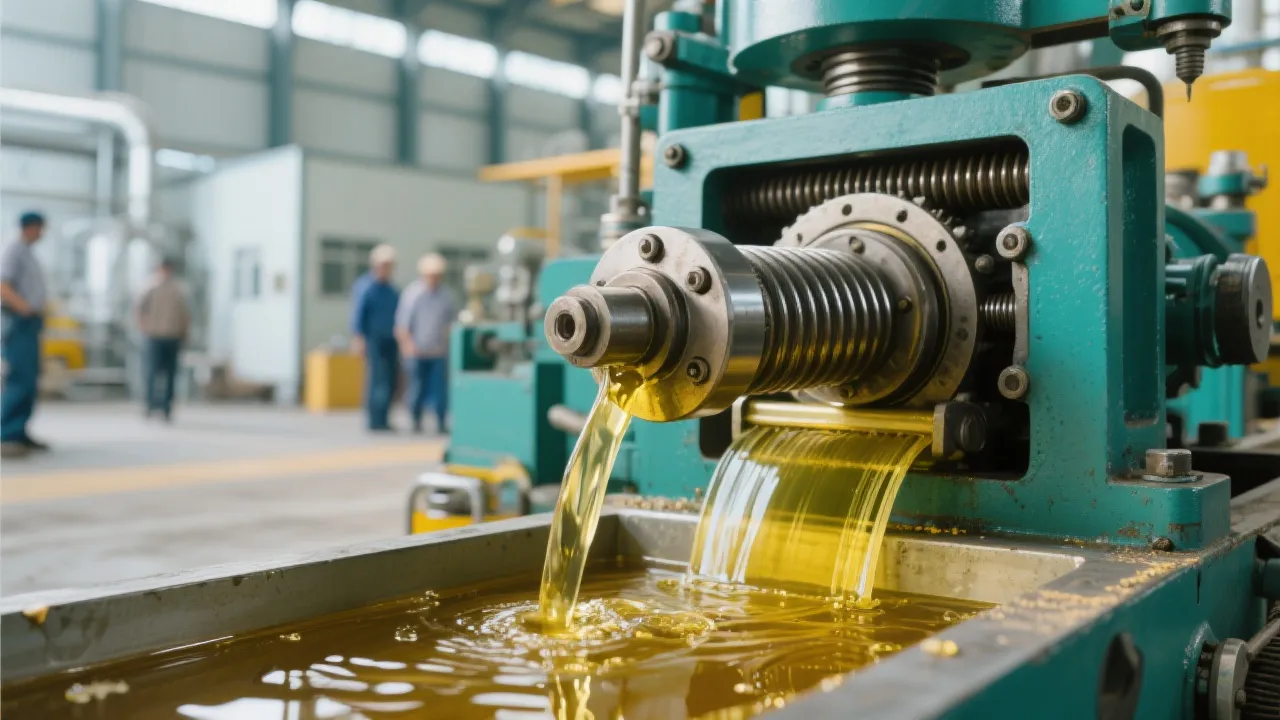


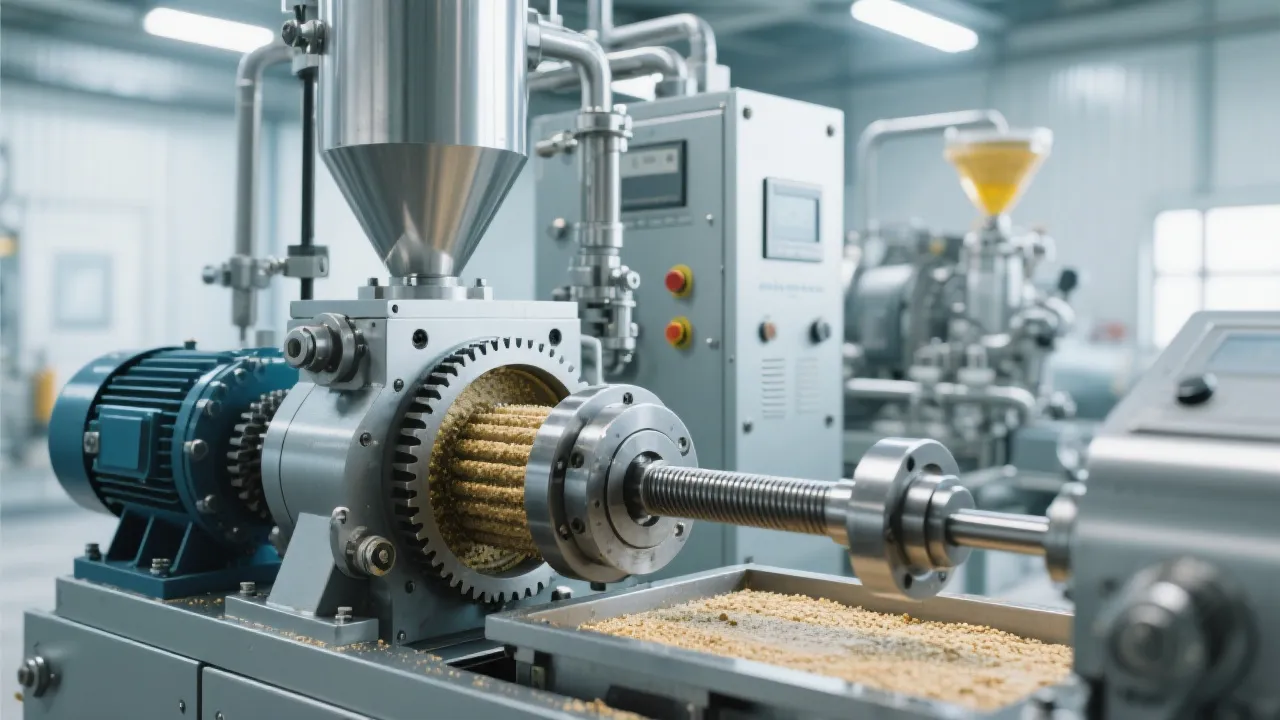


.png?x-oss-process=image/resize,h_100,m_lfit/format,webp)
.png?x-oss-process=image/resize,h_100,m_lfit/format,webp)
.png?x-oss-process=image/resize,h_100,m_lfit/format,webp)