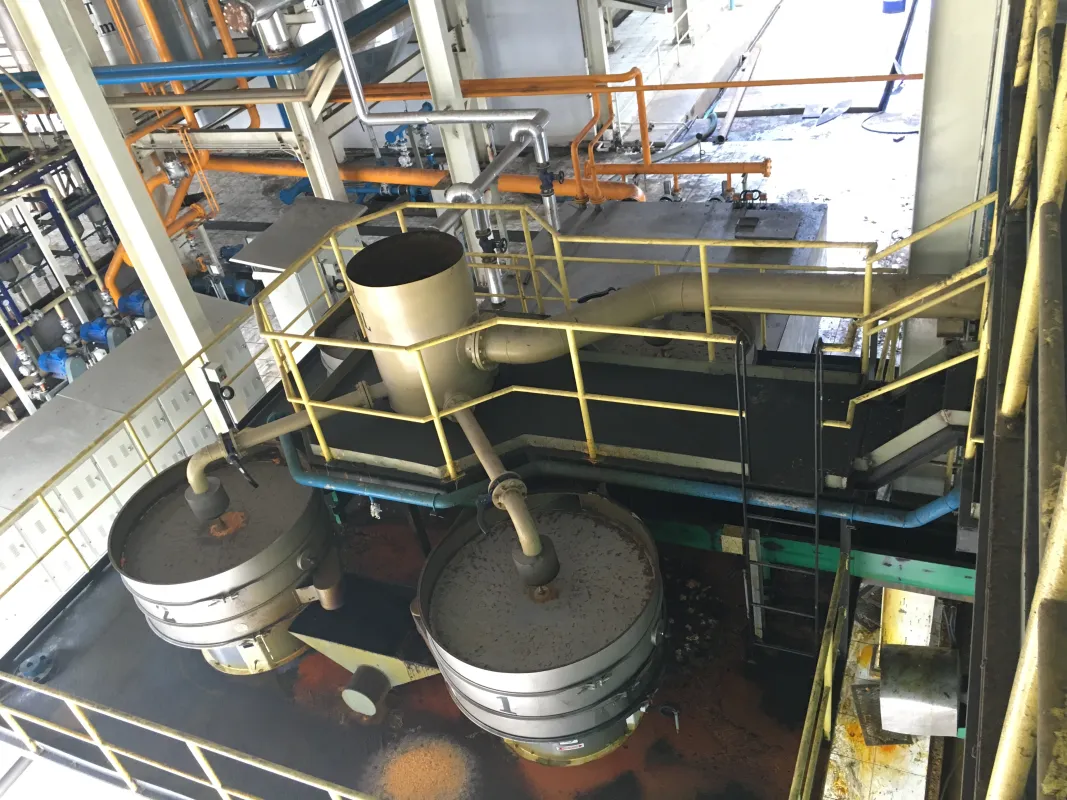
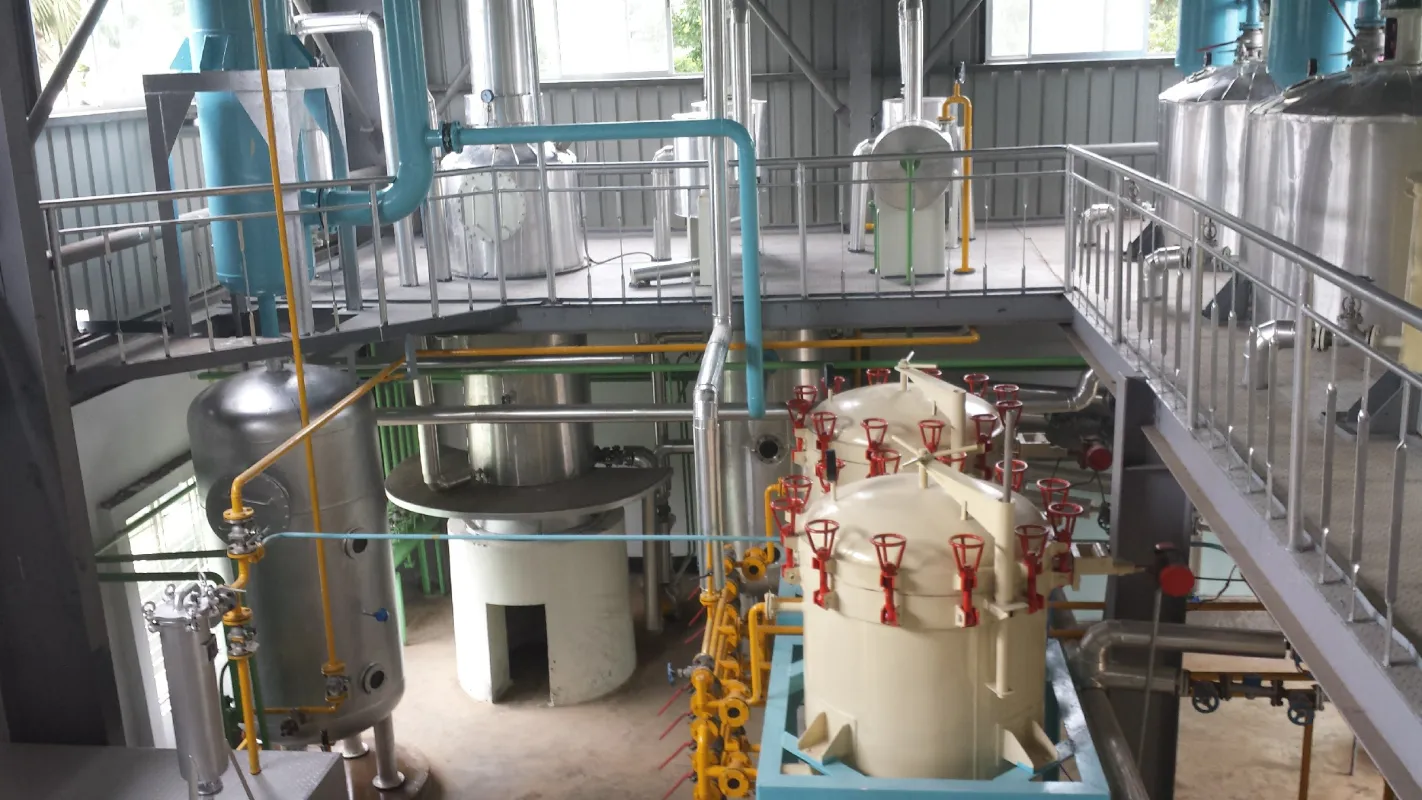
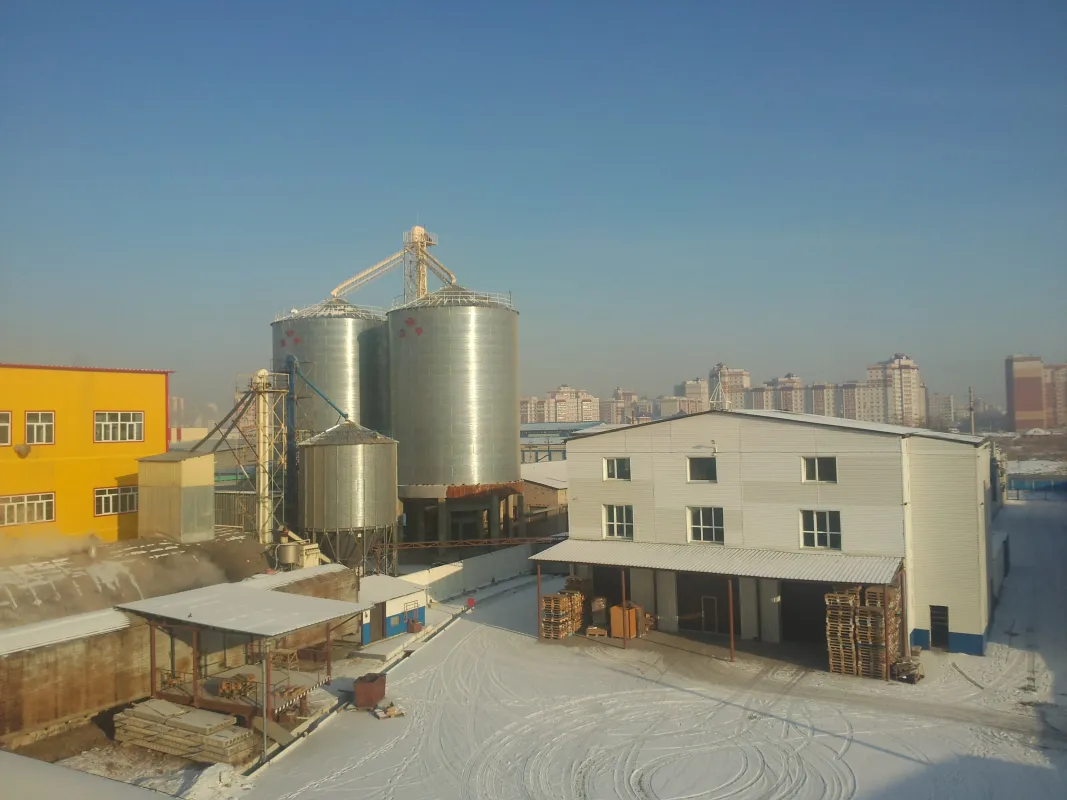
In today's competitive edible oil industry, large-scale oil mills face pressing challenges: skyrocketing labor costs that erode profit margins, inefficient production lines that struggle to meet market demands, and frequent equipment breakdowns that disrupt operations. According to industry reports, unplanned downtime can cost a medium-sized oil mill up to $15,000 per hour in lost production and maintenance expenses. When it comes to sunflower oil production lines, these challenges are amplified by the unique properties of sunflower seeds and the rigorous food safety standards that govern edible oil processing.
"Our old processing line required constant manual intervention and was prone to frequent breakdowns. We were losing approximately 5% of our potential yield due to inefficient pressing and purification processes," said a production manager at a leading European oil mill.
When evaluating automated grinding and pressing equipment for sunflower oil production, material selection emerges as a make-or-break factor for long-term operational success. The harsh environment of oil processing—with its combination of high pressure, elevated temperatures, and exposure to acidic byproducts—demands materials that can withstand these conditions without compromising product quality or equipment integrity.
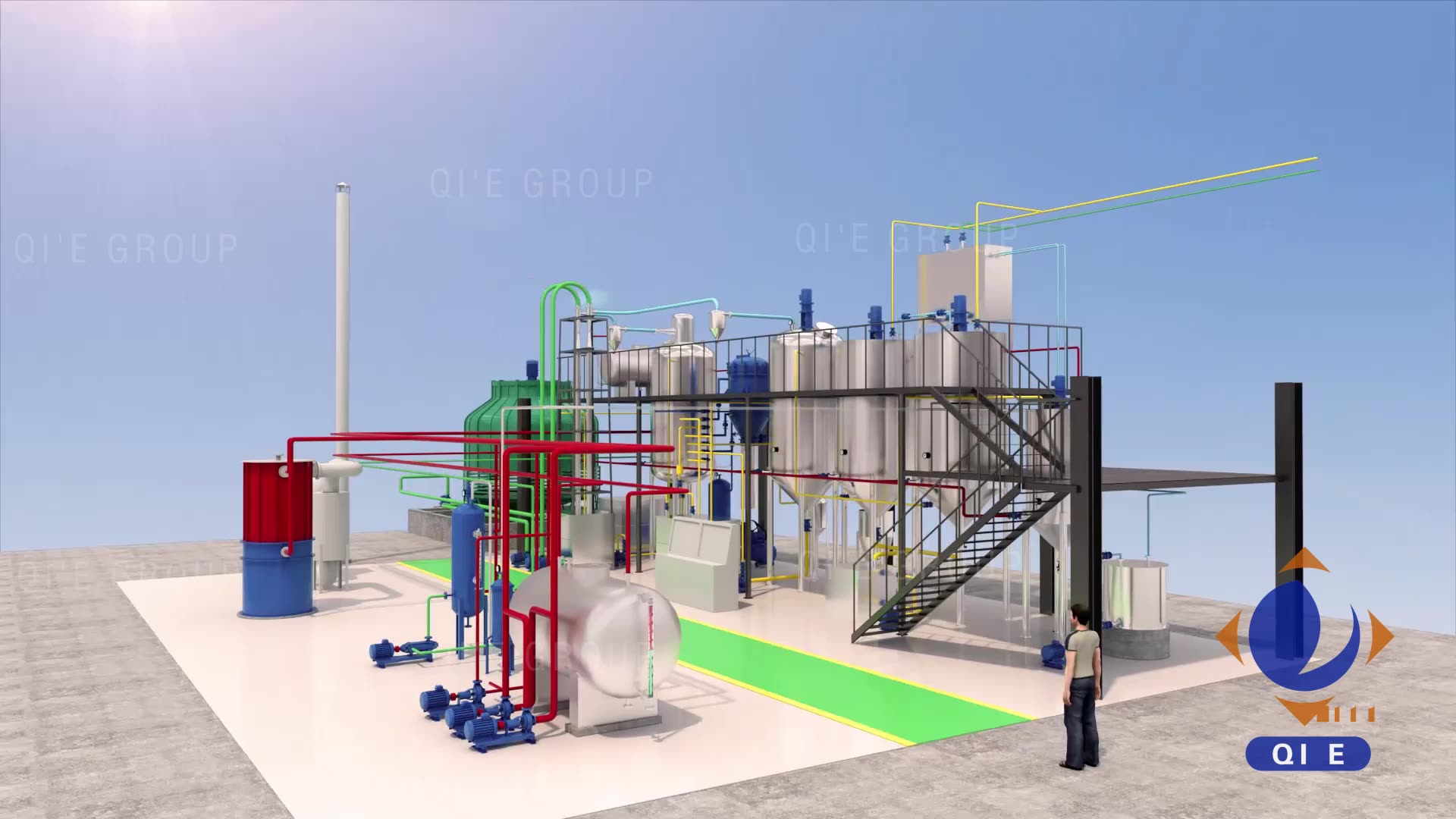
High-strength, corrosion-resistant materials such as 316L stainless steel offer superior performance compared to conventional carbon steel alternatives. These materials not only extend equipment lifespan by up to 300% but also eliminate the risk of metal contamination in the final oil product—a critical consideration for meeting strict food safety regulations such as FDA and EU standards. The 企鹅集团 (QIE Group) has pioneered the use of specialized alloy coatings on critical wear components, reducing maintenance requirements by an impressive 40% in real-world applications.
Modern sunflower oil production lines are only as efficient as their automation systems. Advanced PLC-based control systems integrate seamlessly with sensors throughout the production process, enabling real-time monitoring and adjustment of critical parameters. This level of control translates directly to operational excellence, with properly implemented systems typically delivering a 15-20% increase in overall equipment effectiveness (OEE).
The integration of Industry 4.0 technologies takes this a step further, allowing for predictive maintenance that can identify potential issues before they result in downtime. By analyzing vibration patterns, temperature fluctuations, and motor load data, these smart systems can alert maintenance teams to wear conditions, typically reducing unplanned downtime by 30-40%.
Consider the case of a large-scale oil mill in Eastern Europe that upgraded its 500 tons per day sunflower processing line with state-of-the-art automated equipment. The facility was struggling with inconsistent oil yields, high labor costs, and frequent equipment failures that were costing approximately $250,000 annually in lost production.
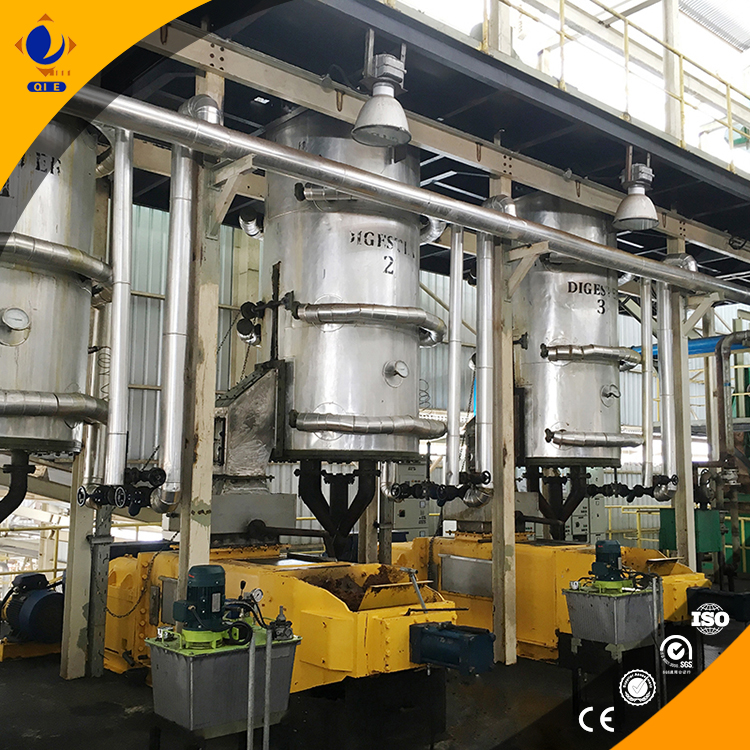
After implementing a complete automation upgrade featuring corrosion-resistant processing components and advanced control systems, the results were striking: oil extraction efficiency increased by 8%, labor requirements decreased by 35%, and equipment downtime was reduced by an impressive 65%. The mill achieved full return on investment in just 14 months, with ongoing annual savings exceeding $400,000.
Even the most advanced equipment will underperform without proper installation, commissioning, and operator training. A comprehensive installation process should include precise alignment of all mechanical components, calibration of sensors and control systems, and thorough testing under varying load conditions.
Operator training is equally critical. A well-designed training program should cover not only basic operation but also advanced troubleshooting, preventive maintenance, and quality control procedures. Studies show that mills investing in comprehensive operator training programs typically achieve 15-20% higher equipment efficiency and 25% fewer operational errors compared to those with minimal training protocols.
Implementing a structured preventive maintenance program is essential for maximizing the lifespan and performance of automated grinding and pressing equipment. Key maintenance activities include regular inspection of wear components, lubrication of moving parts, calibration of sensors, and cleaning of critical process areas.

A typical preventive maintenance schedule should include daily checks of pressure systems and temperature controls, weekly inspection of wear parts, monthly calibration of sensors, and quarterly comprehensive equipment audits. By adhering to such a program, mills can extend equipment lifespan by 50% or more while maintaining optimal performance levels.
Download our comprehensive Sunflower Oil Processing Equipment Selection Guide for detailed technical specifications, ROI calculators, and case studies from leading oil mills worldwide.
Access Technical Resources & Schedule Expert ConsultationThe importance of post-installation technical support cannot be overstated. A responsive technical support team can minimize downtime during unexpected issues and provide valuable guidance on optimizing equipment performance over time. When evaluating equipment suppliers, consider their support infrastructure, response times, and availability of spare parts—factors that directly impact your operational continuity and bottom line.
As the edible oil industry continues to evolve, the adoption of advanced automated grinding and pressing equipment becomes increasingly essential for maintaining competitiveness. By prioritizing corrosion-resistant materials, robust automation systems, comprehensive training, and proactive maintenance, oil mills can achieve significant improvements in efficiency, product quality, and profitability. The journey toward operational excellence begins with informed equipment selection—a decision that will impact your business for years to come.
 rice bran oil refining equipment international certification
export-oriented equipment selection
food safety management equipment standards
energy-efficient rice bran oil processing equipment
international quality standard machinery
automated sesame oil production line
fully enclosed production system advantages
eco-friendly grain and oil equipment
sesame oil production automation
capacity upgrade solutions for sesame oil
canola oil extraction methods
cold press vs solvent extraction
edible oil processing technology
B2B oil manufacturing
nutrient retention in oils
rapeseed oil extraction process
cold pressing
solvent extraction
oil yield
nutrient retention
automated sesame oil production line
fully enclosed oil processing system
energy-efficient oil extraction equipment
sesame oil automation technology
smart food processing solutions
rice bran oil refining equipment international certification
export-oriented equipment selection
food safety management equipment standards
energy-efficient rice bran oil processing equipment
international quality standard machinery
automated sesame oil production line
fully enclosed production system advantages
eco-friendly grain and oil equipment
sesame oil production automation
capacity upgrade solutions for sesame oil
canola oil extraction methods
cold press vs solvent extraction
edible oil processing technology
B2B oil manufacturing
nutrient retention in oils
rapeseed oil extraction process
cold pressing
solvent extraction
oil yield
nutrient retention
automated sesame oil production line
fully enclosed oil processing system
energy-efficient oil extraction equipment
sesame oil automation technology
smart food processing solutions








.png?x-oss-process=image/resize,h_100,m_lfit/format,webp)
.png?x-oss-process=image/resize,h_100,m_lfit/format,webp)
.png?x-oss-process=image/resize,h_100,m_lfit/format,webp)