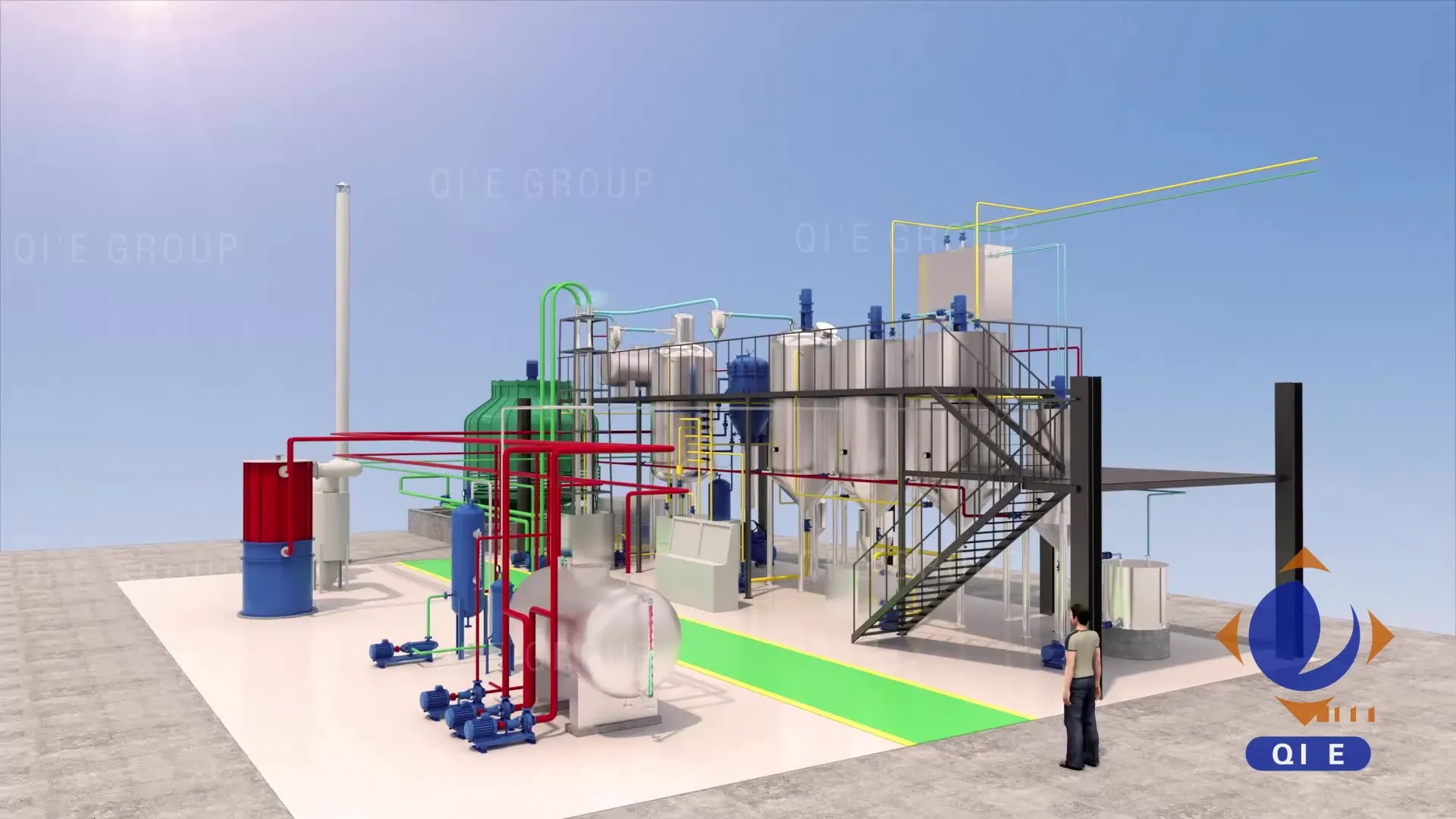
In the competitive landscape of large-scale edible oil production, the efficiency and longevity of your processing line directly impact your bottom line. When it comes to automated grinding and pressing systems for sunflower oil production, one factor consistently emerges as a make-or-break decision: material selection. The choice between conventional metals and advanced corrosion-resistant alloys can mean the difference between a production line that operates reliably for 15+ years versus one requiring major overhauls every 3-5 years.
According to industry research, equipment failure due to material degradation accounts for approximately 32% of unplanned downtime in oilseed processing facilities. This translates to an average annual loss of $420,000 for a mid-sized sunflower oil plant producing 50,000 tons annually. The primary culprits? Corrosion from acidic byproducts, mechanical stress from continuous operation, and wear from abrasive seed particles.
When evaluating materials for critical components like press chambers, screw conveyors, and grinding discs, three options dominate the market:
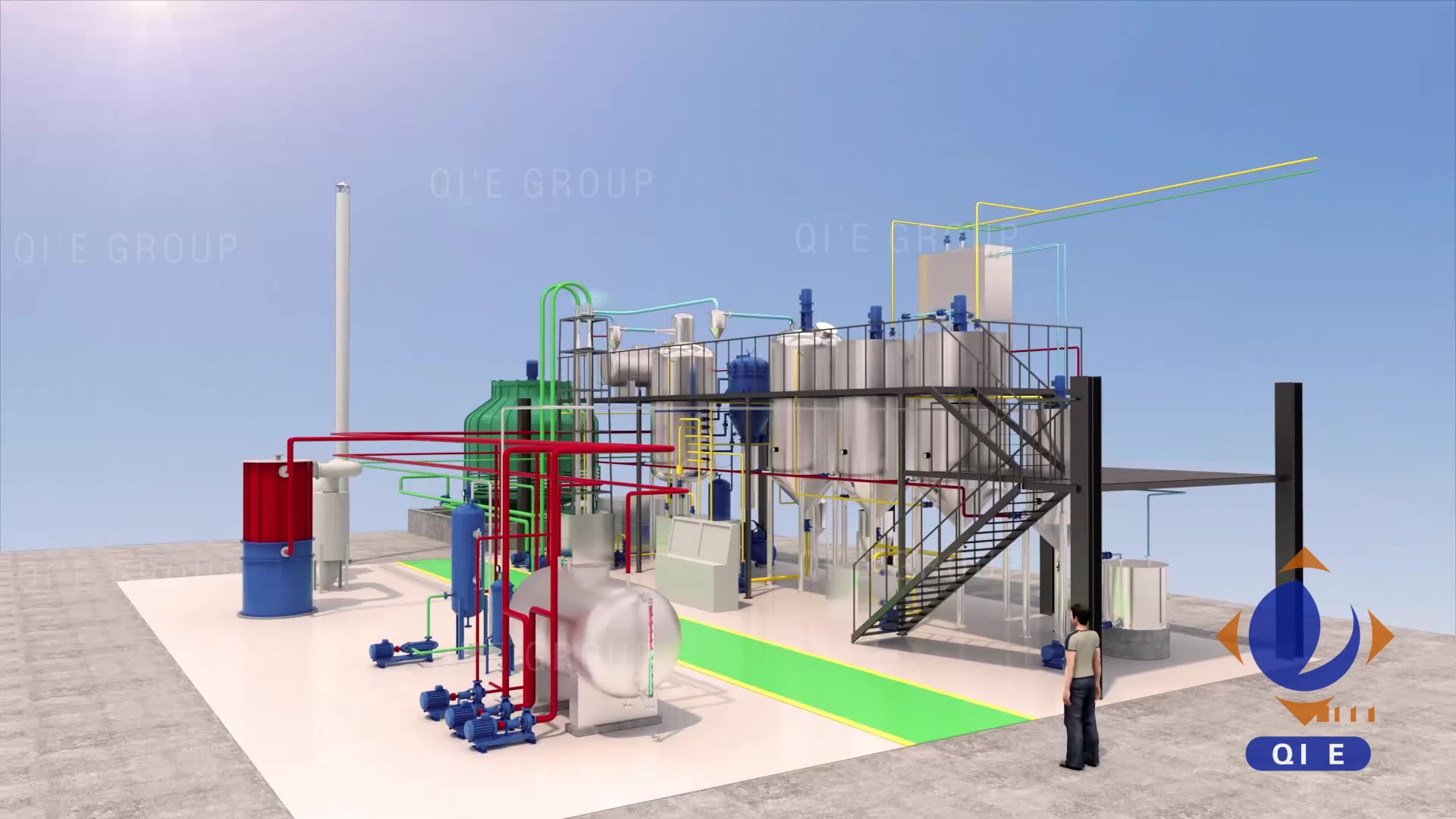
In 2021, a leading Ukrainian sunflower processor upgraded their 10-year-old press line with QIE Group 316L stainless steel components. The results were striking:
Precision-machined 316L stainless steel press screws maintained optimal pressure profiles longer, extracting more oil from each ton of sunflower seeds.
Corrosion-resistant components required 85% fewer replacements and 62% less cleaning time compared to the previous carbon steel system.
Unplanned downtime decreased from 42 hours annually to just 6.5 hours, significantly boosting overall production capacity.
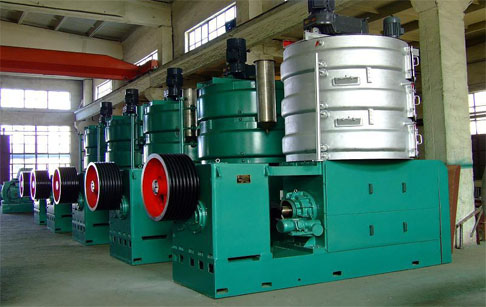
While material selection forms the foundation of equipment durability, proper maintenance protocols further extend service life. Implementing these practices can add 3-5 years to your equipment's operational lifespan:
When evaluating equipment materials for your sunflower oil processing line, consider these key factors:
| Evaluation Factor | Key Considerations |
|---|---|
| Operating Environment | Temperature fluctuations, humidity levels, and exposure to acidic byproducts |
| Mechanical Stress | Pressure requirements, rotational speeds, and vibration levels |
| Product Contact | Food safety certifications and potential for product contamination |
| Total Cost of Ownership | Initial investment vs. maintenance costs over 10-15 year lifespan |

The data clearly demonstrates that while premium materials require higher initial investment, they deliver substantial returns through extended equipment life, reduced maintenance costs, and improved operational efficiency. For most large-scale sunflower processors, 316L stainless steel represents the optimal balance between performance and cost-effectiveness, typically paying for its premium within 2-3 years of operation.
Download our comprehensive Material Selection Guide for Oilseed Processing Equipment and discover how the right material choices can transform your operation's profitability.
Download Free Guide NowFor processing facilities operating in particularly challenging environments—such as coastal locations with high salt content or regions processing seeds with high acid content—titanium-coated components may offer the best long-term value despite the higher initial cost. These advanced materials have demonstrated exceptional performance in third-party testing, with corrosion rates 10-15 times lower than standard stainless steel in aggressive environments.
Ultimately, the most effective material strategy combines high-quality base materials with proper maintenance practices. By selecting the right alloys and implementing a rigorous inspection and maintenance program, oil processors can maximize their equipment investment while ensuring consistent product quality and operational reliability for years to come.
 PLC control system
Edible oil automation
Remote monitoring
Fault early warning
Equipment maintenance
PLC control system troubleshooting
edible oil production line maintenance
fully automatic rapeseed oil equipment
industrial automation operation and maintenance
equipment OEE optimization
automated sesame oil production line technology
fully enclosed sesame oil processing
energy-efficient grain and oil machinery
continuous sesame oil production
intelligent grain and oil automation solutions
fully enclosed sesame oil production system
automated sesame oil processing technology
eco-friendly oil extraction equipment
sesame oil safety improvement
nutrient retention in sesame oil
automated sunflower seed cleaning and dehulling
sunflower oil production line efficiency
intelligent grain and oil processing equipment
fully automatic pressing production line
oil purity optimization technology
PLC control system
Edible oil automation
Remote monitoring
Fault early warning
Equipment maintenance
PLC control system troubleshooting
edible oil production line maintenance
fully automatic rapeseed oil equipment
industrial automation operation and maintenance
equipment OEE optimization
automated sesame oil production line technology
fully enclosed sesame oil processing
energy-efficient grain and oil machinery
continuous sesame oil production
intelligent grain and oil automation solutions
fully enclosed sesame oil production system
automated sesame oil processing technology
eco-friendly oil extraction equipment
sesame oil safety improvement
nutrient retention in sesame oil
automated sunflower seed cleaning and dehulling
sunflower oil production line efficiency
intelligent grain and oil processing equipment
fully automatic pressing production line
oil purity optimization technology


.png?x-oss-process=image/resize,h_100,m_lfit/format,webp)
.png?x-oss-process=image/resize,h_100,m_lfit/format,webp)
.png?x-oss-process=image/resize,h_100,m_lfit/format,webp)