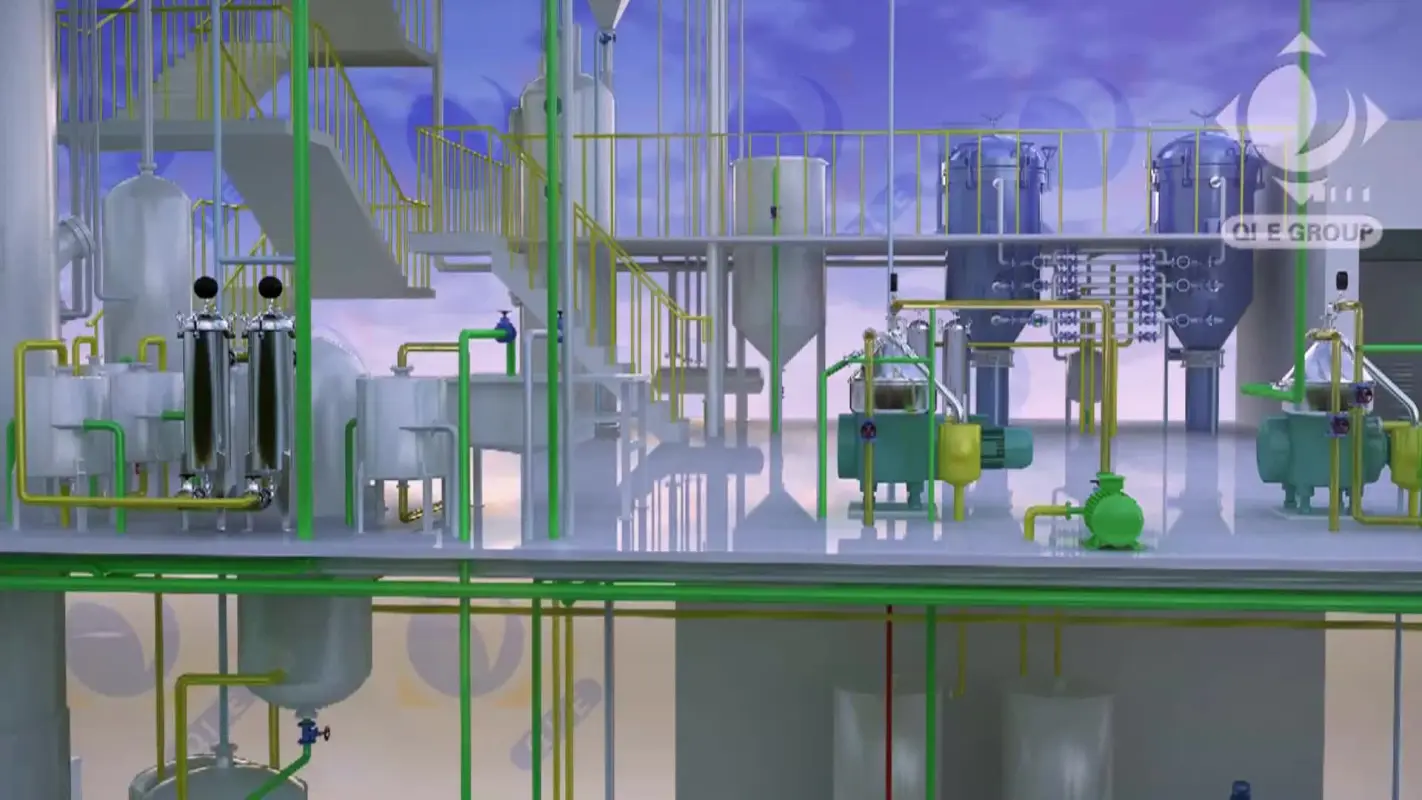
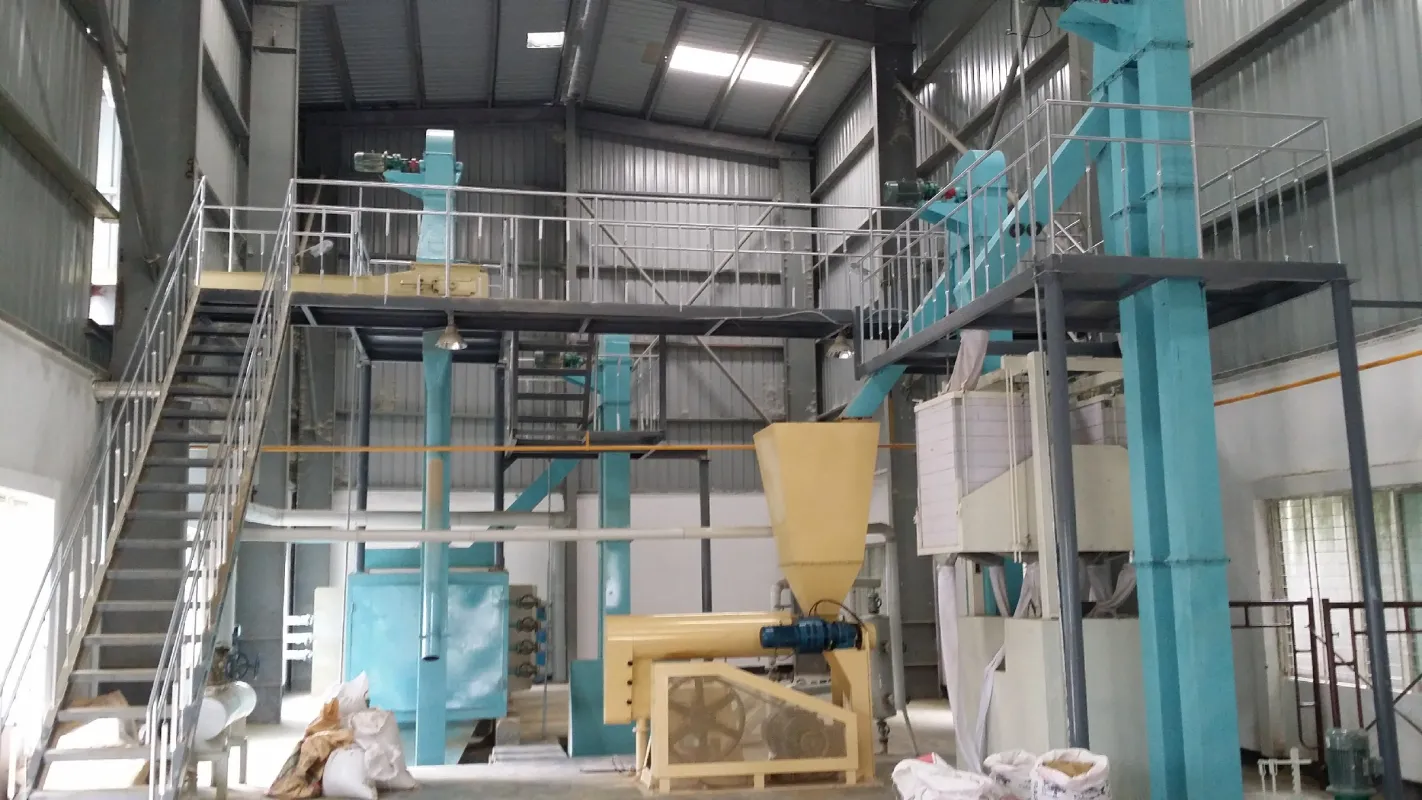
For decades, rice bran oil has been praised for its high smoke point, rich antioxidants, and heart-healthy fatty acid profile. However, achieving consistent purity and meeting international food safety standards—especially in export markets like the EU, USA, and Middle East—requires precision at every stage of refining. The bleaching and deodorization steps are where automation makes a measurable difference.
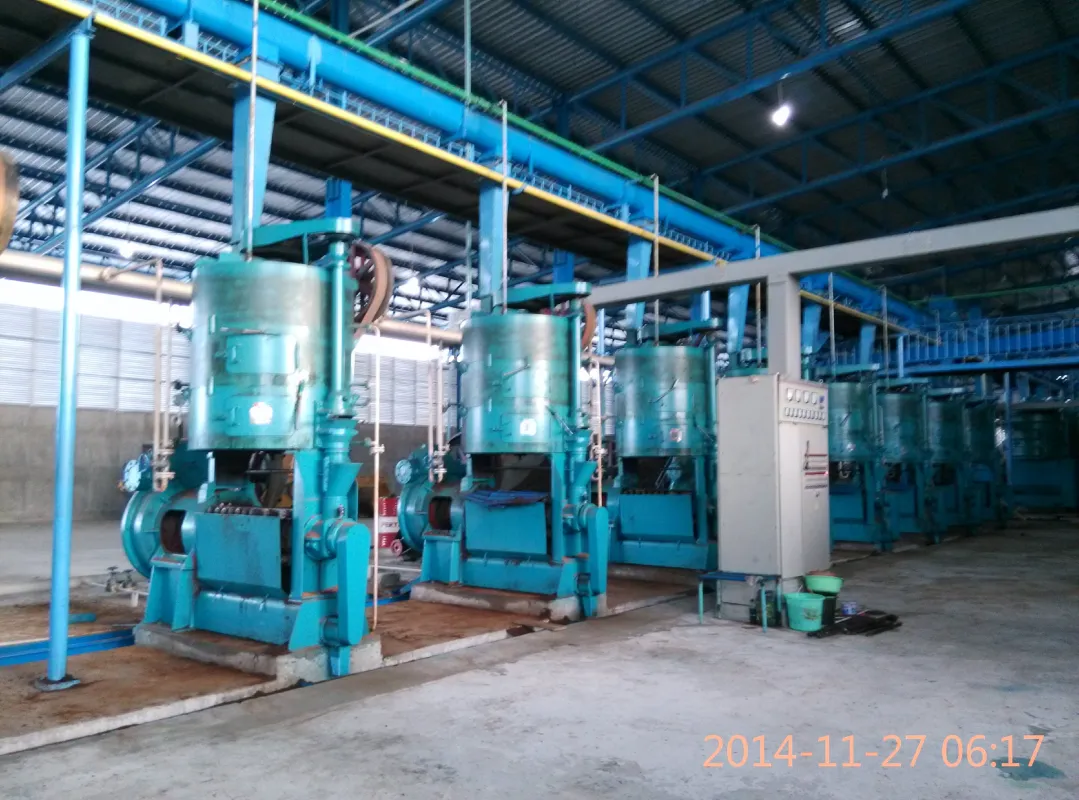
In traditional manual systems, operators often struggle to maintain uniform temperature, vacuum levels, and chemical dosing during bleaching (removal of pigments) and deodorization (removal of volatile compounds). This leads to batch-to-batch variation in odor, color, and free fatty acid content—critical metrics for global buyers.
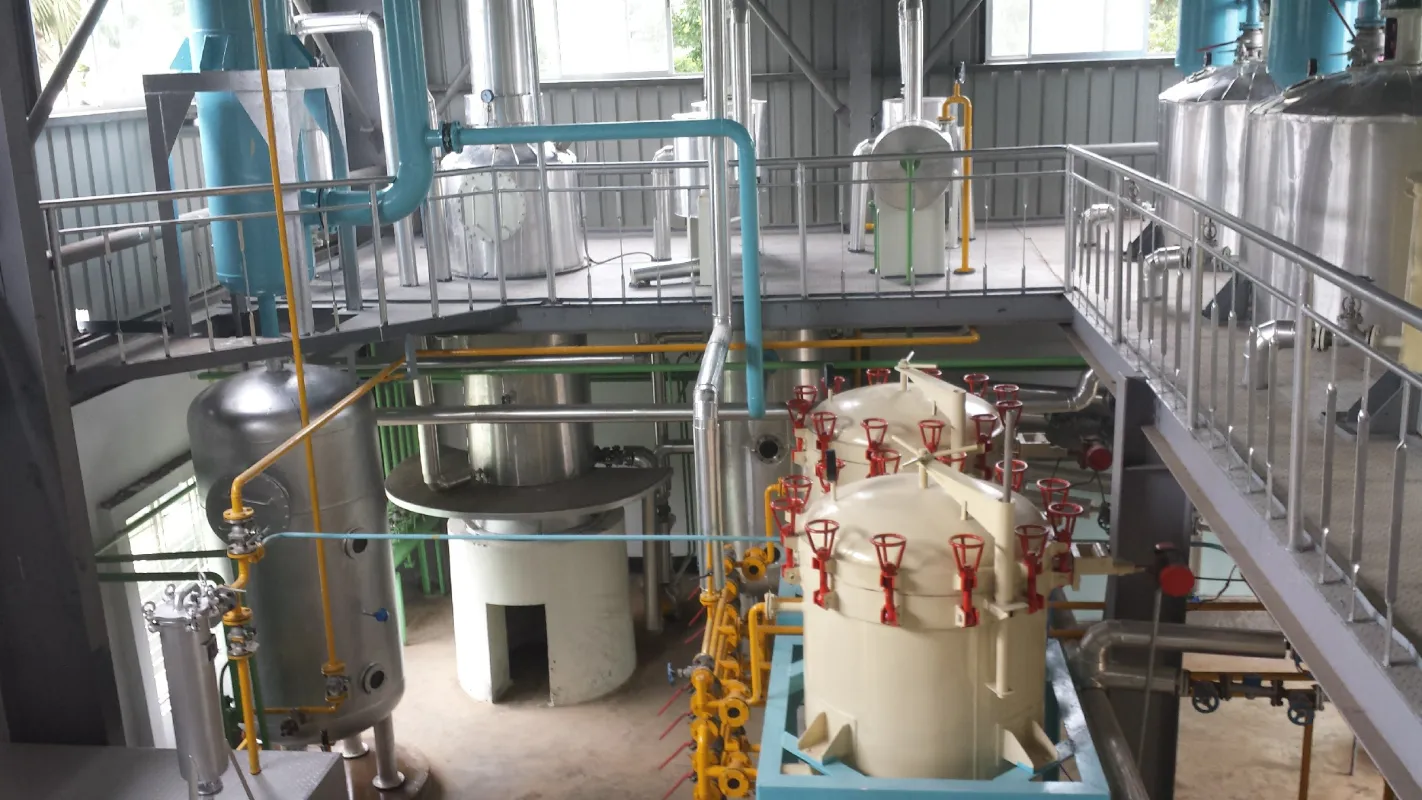
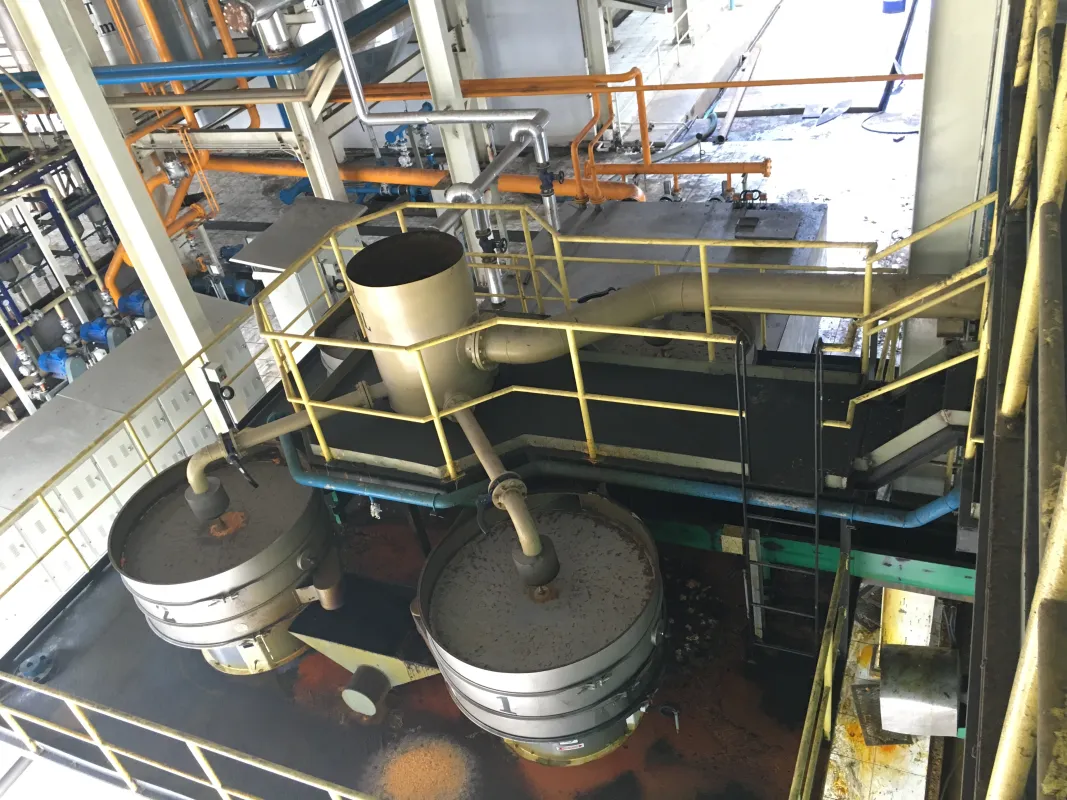
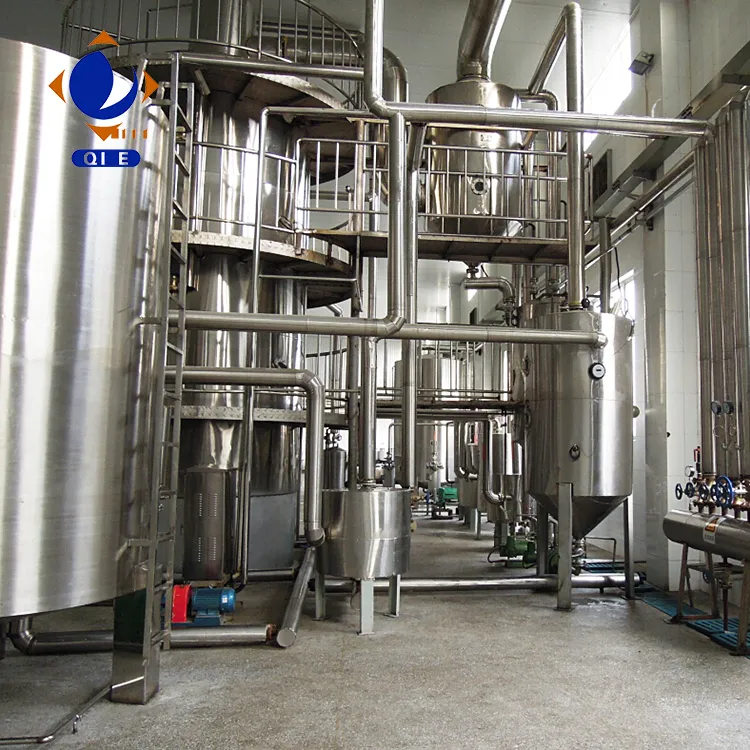
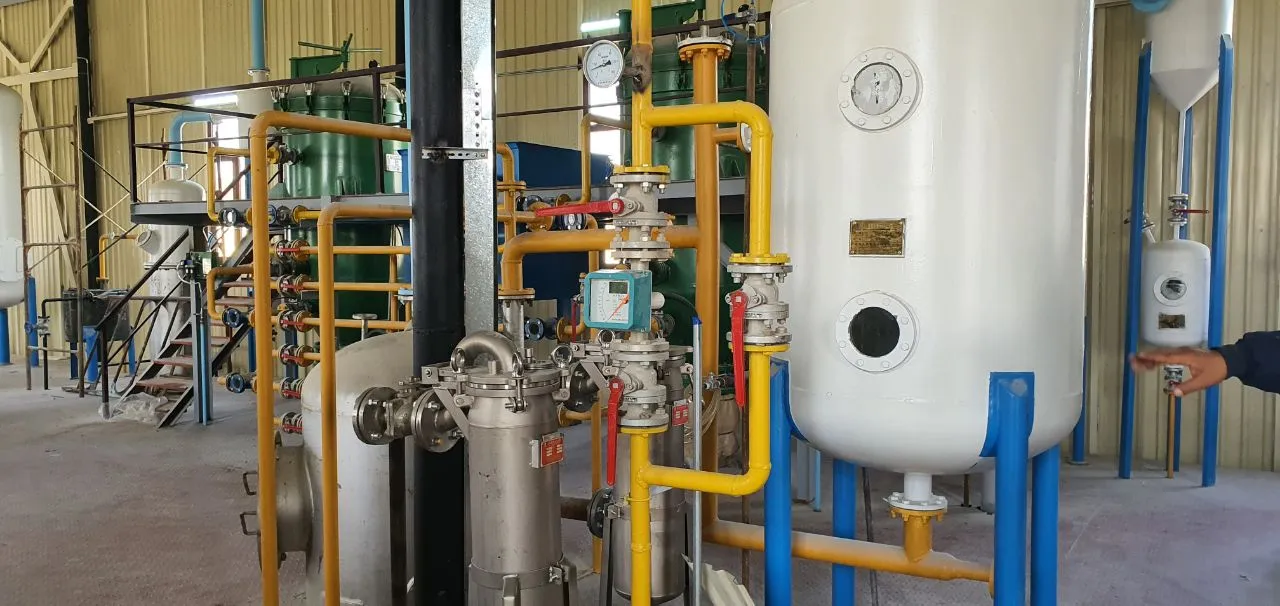
Modern automated systems integrate multi-stage filtration, degumming, neutralization, bleaching, and deodorization into one seamless workflow. For example:
According to a 2023 study by the International Journal of Food Engineering, fully automated lines reduce quality deviations by 72% compared to semi-manual setups—an essential advantage when exporting to regulated markets like Germany or Japan.
Food safety isn’t just about compliance—it’s about trust. Critical Control Points (CCPs) such as final moisture content (<0.05%), peroxide value (<5 meq/kg), and residual bleach clay must be monitored continuously.
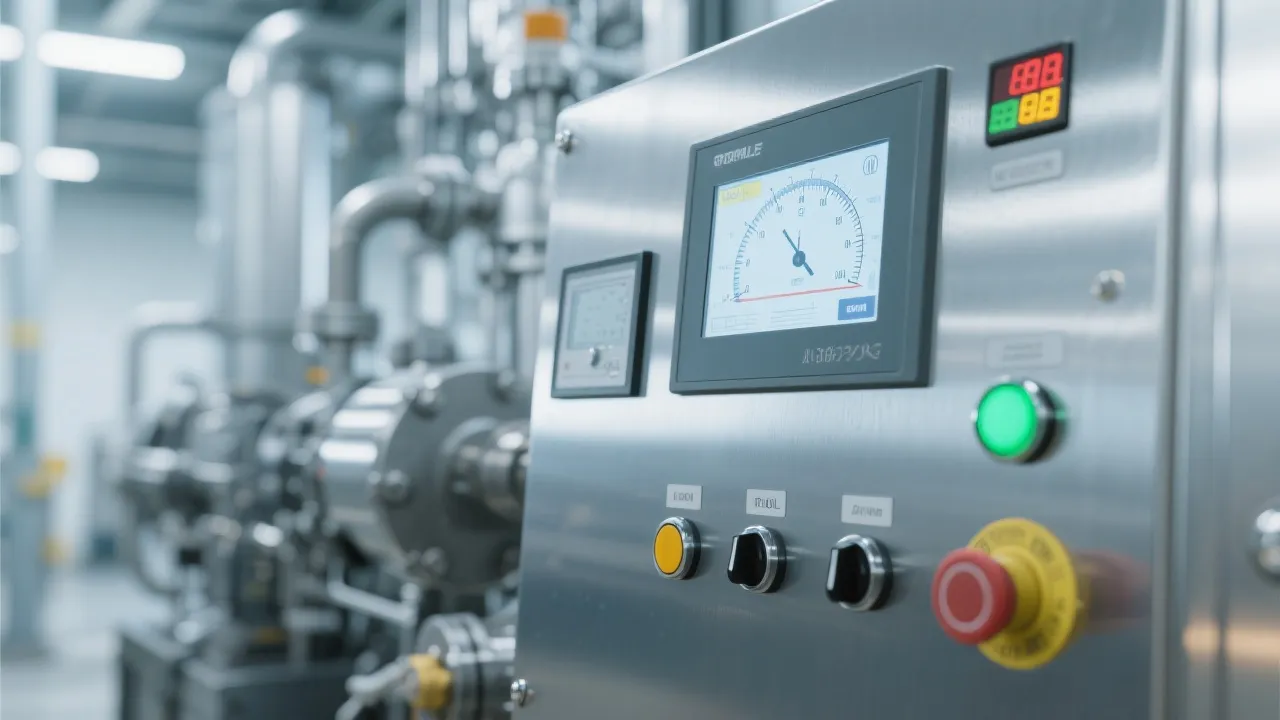
Advanced sensors now allow real-time tracking of these parameters via PLC-based control panels. One case study from a Malaysian processor using Qingdao Pengfei Group's automated system reported:
“After implementing online FTIR and moisture analyzers, our rejection rate dropped from 8% to under 1%. Export orders from EU buyers increased by 35% within six months.”
This level of consistency is what builds long-term B2B relationships—not just one-off deals.
Energy consumption matters—not only for cost but also for ESG reporting. Modern equipment uses heat recovery loops that cut steam usage by 30–40%, while closed-loop cooling systems reduce water waste by over 50%.
These features aren't just "nice-to-have"—they're required for certifications like ISO 22000, HACCP, and even EU Green Deal compliance. Companies investing in automation see faster ROI through lower utility bills and fewer rework cycles.
Discover how Qingdao Pengfei Group’s integrated automatic rice bran oil refining system delivers stable quality, reduced labor costs, and sustainable operations—all tailored for global exporters.
See How It Works →The future of edible oil processing lies not in more hands-on work—but in smarter machines. Whether you’re producing for domestic use or targeting premium international markets, automation ensures your product meets expectations consistently, safely, and sustainably.
 PLC control system troubleshooting
edible oil production line maintenance
fully automatic rapeseed oil equipment
industrial automation operation and maintenance
equipment OEE optimization
PLC control system for edible oil production
automated oil refining process
energy saving in oil extraction
industrial automation in food processing
fault diagnosis in PLC systems
Fully automatic sesame oil production line
Grain and oil machinery automation
Fully enclosed sesame oil filling
Food safety guarantee
Sesame oil production efficiency improvement
rapeseed oil production process
cold pressing
solvent extraction
oil yield and nutrient retention
B2B edible oil manufacturing
Fully automatic sesame oil production line
Automation of grain and oil machinery
Sesame oil production efficiency improvement
Fully enclosed production system
Customized services for grain and oil processing
PLC control system troubleshooting
edible oil production line maintenance
fully automatic rapeseed oil equipment
industrial automation operation and maintenance
equipment OEE optimization
PLC control system for edible oil production
automated oil refining process
energy saving in oil extraction
industrial automation in food processing
fault diagnosis in PLC systems
Fully automatic sesame oil production line
Grain and oil machinery automation
Fully enclosed sesame oil filling
Food safety guarantee
Sesame oil production efficiency improvement
rapeseed oil production process
cold pressing
solvent extraction
oil yield and nutrient retention
B2B edible oil manufacturing
Fully automatic sesame oil production line
Automation of grain and oil machinery
Sesame oil production efficiency improvement
Fully enclosed production system
Customized services for grain and oil processing


.png?x-oss-process=image/resize,h_100,m_lfit/format,webp)
.png?x-oss-process=image/resize,h_100,m_lfit/format,webp)
.png?x-oss-process=image/resize,h_100,m_lfit/format,webp)