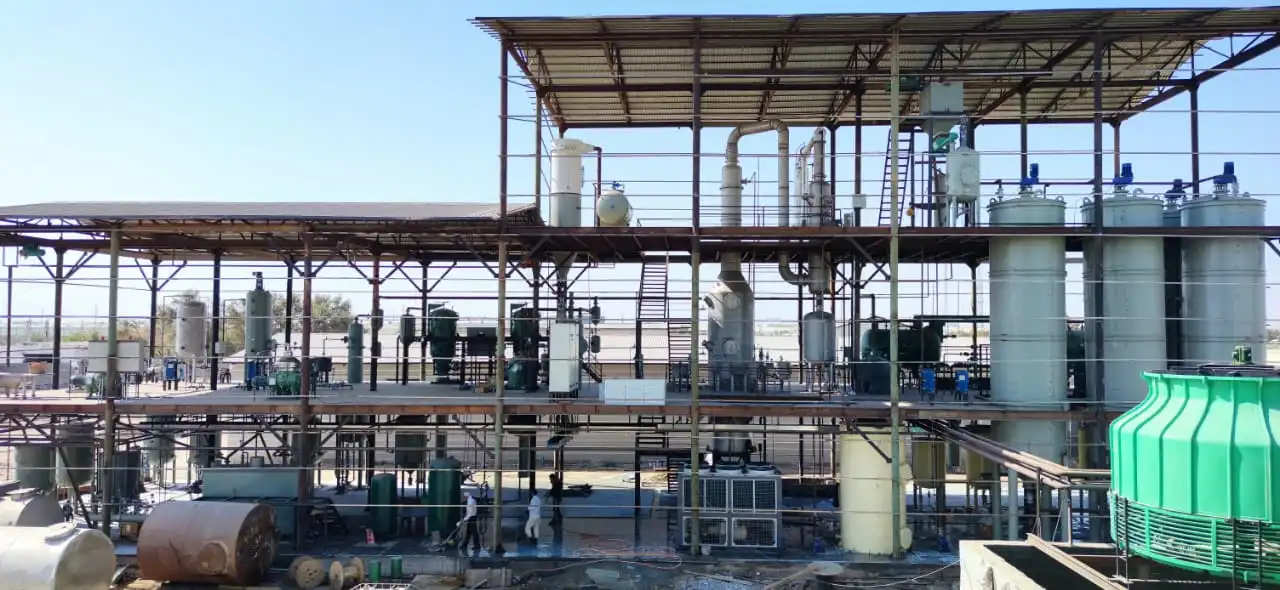
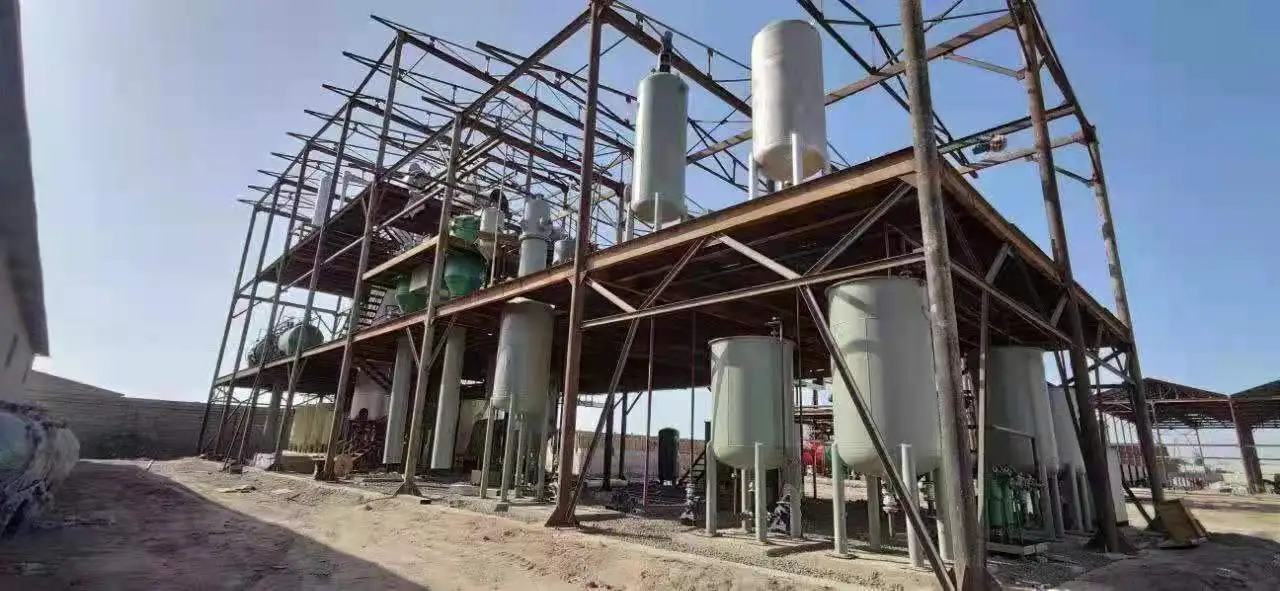
In the global edible oil market, consistency, safety, and sustainability are no longer optional—they’re non-negotiables for exporters aiming to win contracts with EU, Middle East, or North American buyers. Traditional manual rice bran oil processing systems often fall short in these areas due to human variability, inconsistent temperature control, and poor waste heat management.
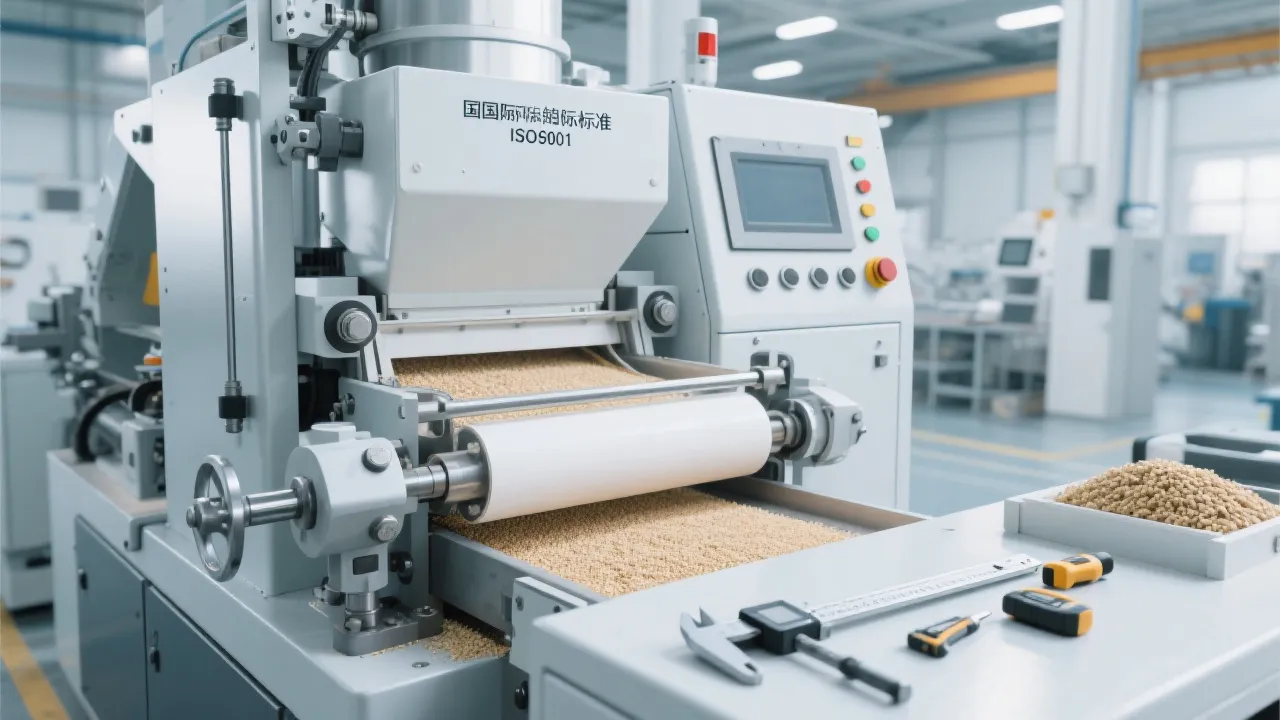
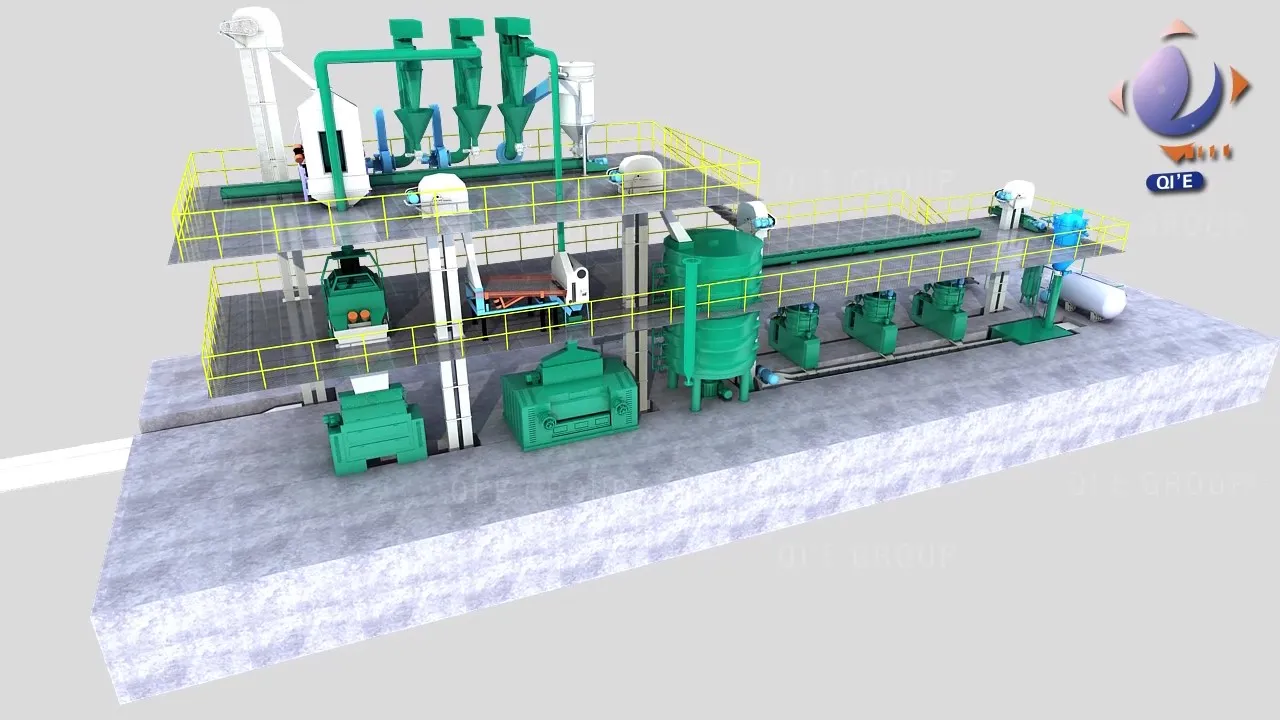
Manual pre-treatment relies heavily on visual inspection and basic sieving—leaving behind fine dust, husk fragments, and moisture that can lead to microbial growth during storage. A case study from a Malaysian client using our automated rice bran oil extraction system showed a 42% reduction in foreign matter (FM) after implementing intelligent air separation and moisture-controlled drying modules. This not only meets ISO 22000 standards but also prevents off-flavors and oxidation risks downstream.
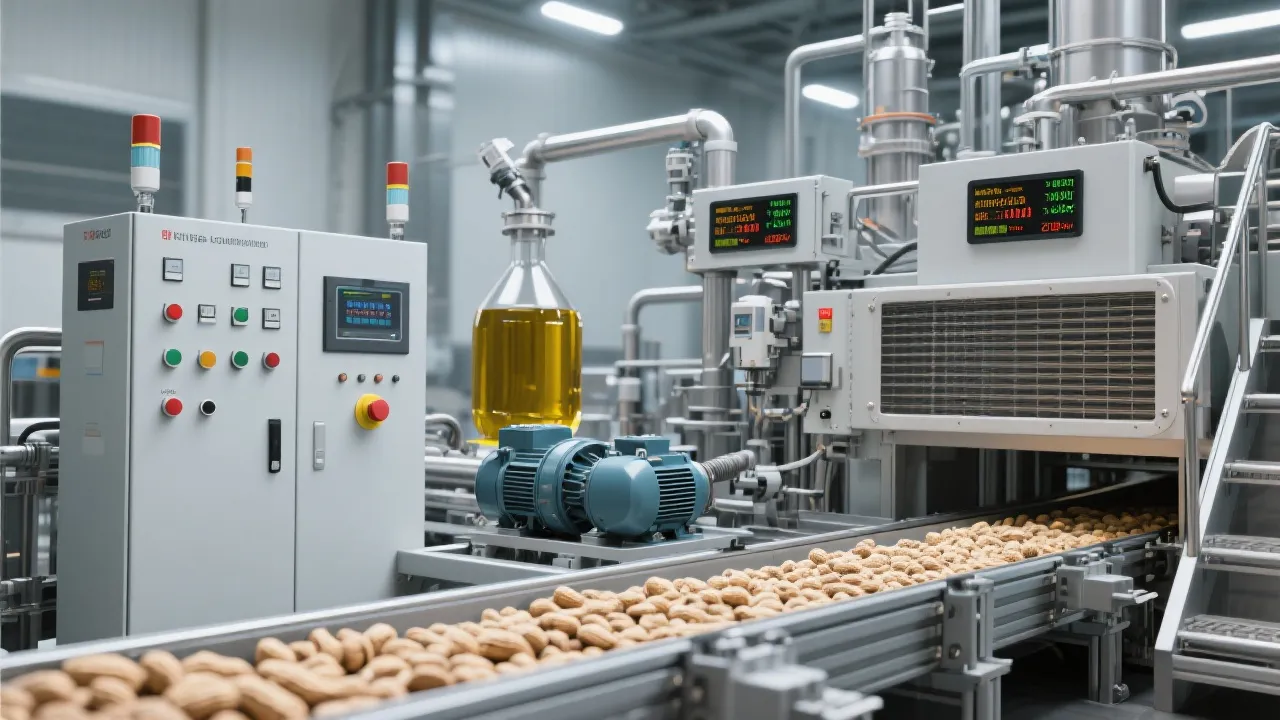
Key Insight: With automated sensors and real-time moisture monitoring (±0.5%), contamination at the raw material stage drops by over 60%, significantly improving final product purity—a critical factor for export compliance in food-safe markets like Germany and Japan.
Traditional solvent extraction loses up to 12% of hexane due to open-vessel evaporation—a major environmental and safety concern. Our patented closed-loop solvent recovery system, integrated into the full automation flow, recovers 98.7% of solvent gas through condensation towers and dynamic pressure regulation. One Indian refinery reported saving $14,000/month in solvent costs while reducing VOC emissions by 89%.
This level of precision isn’t just about cost—it’s about trust. Buyers in the UAE and Europe now require detailed EHS reports before placing bulk orders. An automated system provides clean data logs, traceable batches, and consistent quality metrics across every production run.
The most overlooked advantage of automation is thermal efficiency. In manual refining, hot streams are typically discarded as waste. Our heat cascade integration technology recycles residual heat from neutralization to bleaching stages, reducing steam consumption by an average of 18%. For a 5-ton/hour facility, this translates to ~$25,000 annual savings in utility costs—not including carbon credits under EU ETS regulations.
As seen in a Brazilian customer's implementation, energy use per ton dropped from 120 kWh to 98 kWh—a clear competitive edge when bidding against competitors still operating semi-mechanized lines.
Real Impact: From contamination control to energy savings, automation delivers measurable improvements. It’s not just smarter—it’s more profitable and compliant.
For manufacturers seeking to scale sustainably and meet international buyer expectations, adopting a fully automated rice bran oil processing line isn't a luxury—it’s a strategic necessity. Whether you're targeting organic certifications, halal compliance, or green procurement policies, the foundation starts with process stability.
Ready to upgrade your oil plant with proven automation? Let’s build a safer, cleaner, and more efficient future together.
Explore Our Fully Automated Rice Bran Oil Systems Rice bran oil food safety online detection
Critical Control Point CCP management
Automated refining process
Edible oil quality improvement
Food processing equipment safety control
rapeseed oil extraction methods
cold pressed rapeseed oil
solvent extraction process
edible oil production optimization
high-value vegetable oil manufacturing
automated rice bran preprocessing
rice bran oil processing equipment
energy-efficient oil extraction
industrial automation in food processing
export-oriented edible oil production
PLC control system
edible oil production line automation
sensor false alarms troubleshooting
motor synchronization deviation diagnosis
edible oil manufacturing maintenance
rapeseed oil extraction process
cold pressing
solvent extraction
oil yield
nutrient retention
Rice bran oil food safety online detection
Critical Control Point CCP management
Automated refining process
Edible oil quality improvement
Food processing equipment safety control
rapeseed oil extraction methods
cold pressed rapeseed oil
solvent extraction process
edible oil production optimization
high-value vegetable oil manufacturing
automated rice bran preprocessing
rice bran oil processing equipment
energy-efficient oil extraction
industrial automation in food processing
export-oriented edible oil production
PLC control system
edible oil production line automation
sensor false alarms troubleshooting
motor synchronization deviation diagnosis
edible oil manufacturing maintenance
rapeseed oil extraction process
cold pressing
solvent extraction
oil yield
nutrient retention







.png?x-oss-process=image/resize,h_100,m_lfit/format,webp)
.png?x-oss-process=image/resize,h_100,m_lfit/format,webp)
.png?x-oss-process=image/resize,h_100,m_lfit/format,webp)