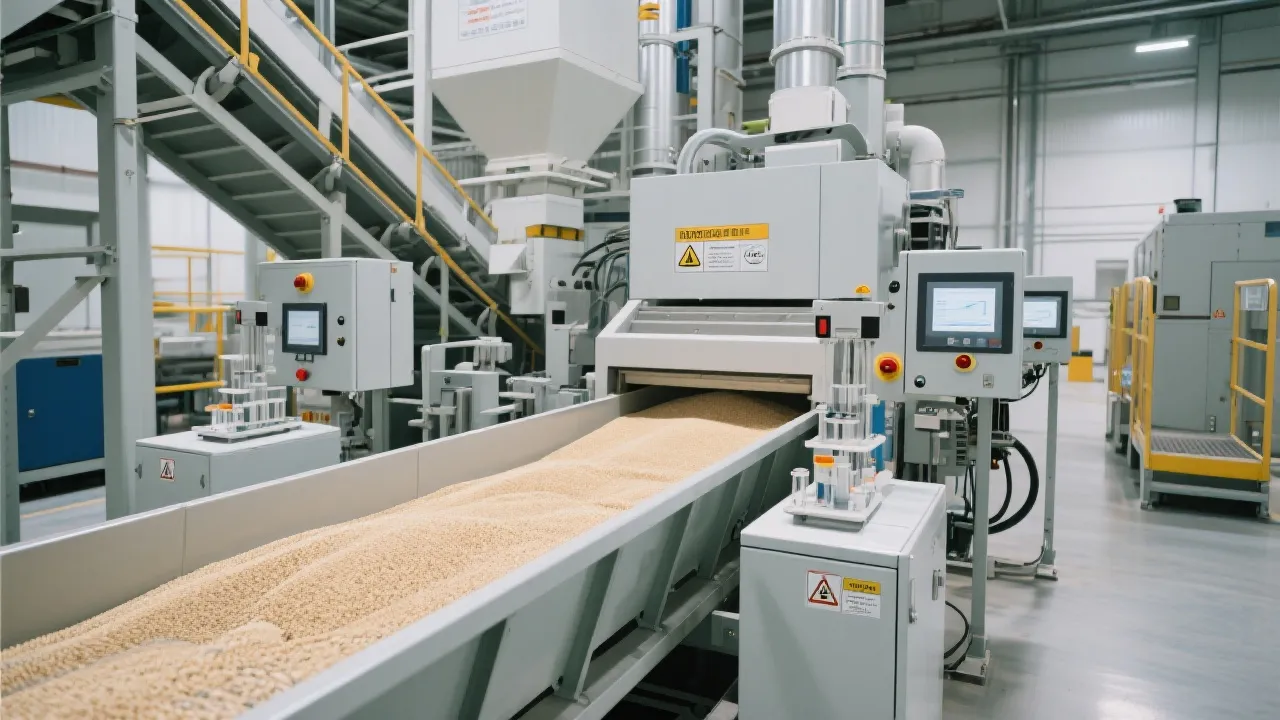
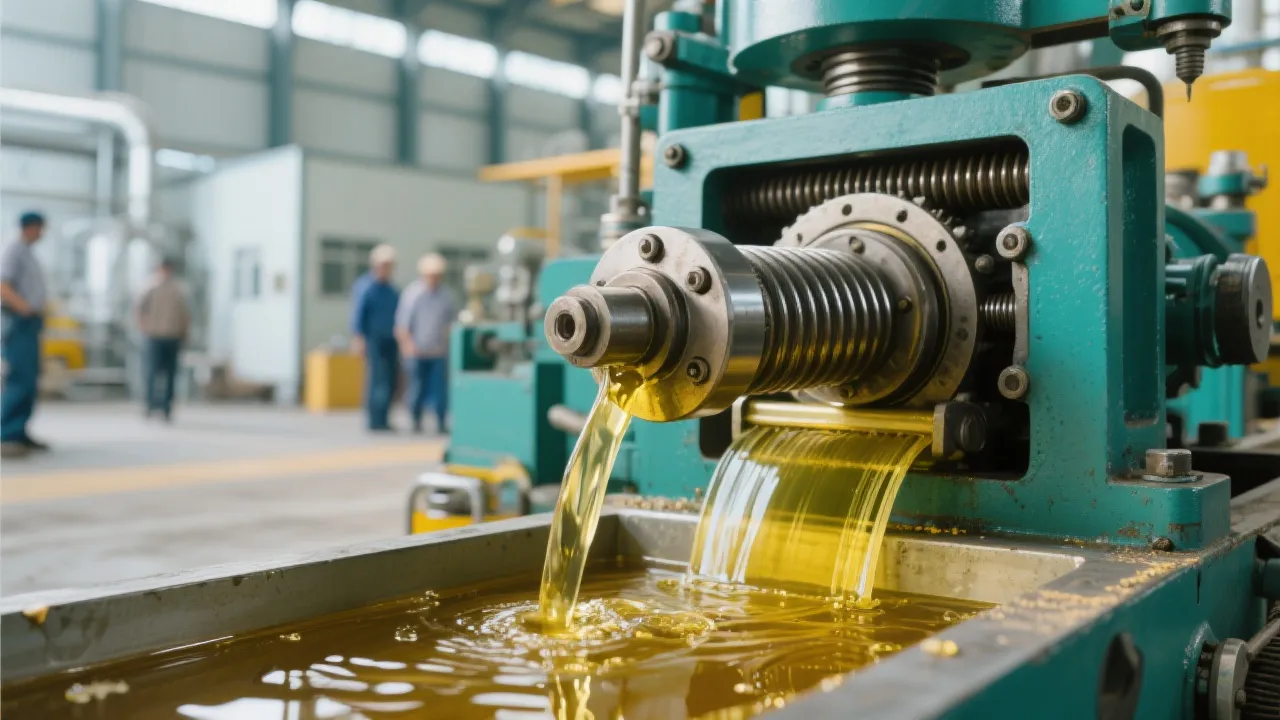
In the competitive world of edible oil production, achieving consistent purity and meeting global food safety standards is no longer optional—it’s a necessity. One of the most impactful shifts in recent years has been the adoption of automated refining systems in rice bran oil processing. These systems don’t just streamline operations—they elevate quality, reduce waste, and ensure compliance with international benchmarks like ISO 22000 and HACCP.
A leading Southeast Asian manufacturer reported a 32% increase in yield and a 45% reduction in manual errors after implementing an automated multi-stage refining system. The core steps—multi-level filtration, degumming, deacidification, decolorization, and deodorization—are now controlled via real-time sensors and PLC-based logic, reducing human intervention from 60% to under 15% of total process time.
For example, during the degumming phase, automated pH monitoring ensures optimal phospholipid removal without over-treatment—a common cause of oil degradation. Similarly, online free fatty acid (FFA) analyzers allow for dynamic adjustment of caustic soda dosing, cutting chemical usage by up to 20% while maintaining FFA levels below 0.1% (per JECFA standards).
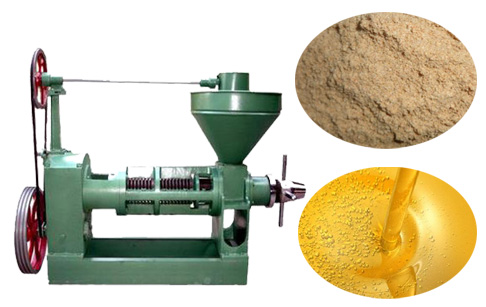
Critical Control Points (CCPs) are no longer just checklist items—they’re live data points. In one case study, a European buyer rejected a shipment due to inconsistent peroxide values. Post-analysis revealed that the facility lacked continuous monitoring at the deodorization stage. After installing inline peroxide value sensors and integrating them into their SCADA system, the same plant achieved zero non-conformance incidents over six months.
This level of precision isn't just about avoiding rejections—it builds trust with importers who demand full traceability. Modern systems log every parameter, generate compliance reports automatically, and flag anomalies before they become batch failures.
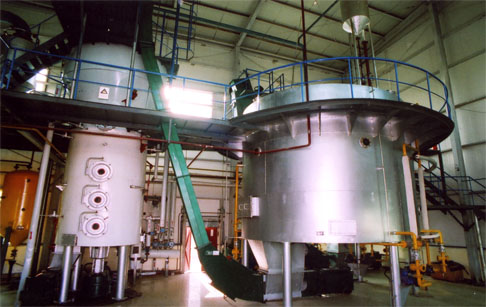
While technology drives efficiency, success hinges on people. Companies that invest in operator training see faster ROI. For instance, workers trained on predictive maintenance tools reduced unplanned downtime by 38%. This isn’t just about using buttons—it’s about understanding what the machine tells you.
And here’s the kicker: when operators feel empowered—not replaced—they become champions of the new system. That shift in mindset leads to better documentation, fewer errors, and smoother audits.
Discover how our integrated automation solutions can help you achieve higher purity, lower operational risk, and stronger compliance—all while boosting productivity. No more guesswork. Just smarter refining.
Explore Our Automated Refining Systems automated sesame oil production line
closed-loop oil processing system
energy-efficient oil extraction equipment
sesame oil production technology challenges
intelligent control in food processing
modular canola oil production
edible oil processing line
flexible capacity oil plant
canola oil process optimization
rapid oil plant deployment
fully automated sesame oil production line
grain and oil machinery automation
sesame oil production efficiency
energy-saving sesame oil equipment
automated grain oil processing solutions
sesame oil production line automation
PLC parameter optimization
automated control system maintenance
grain and oil machinery automation
production line troubleshooting
PLC remote monitoring
edible oil production line
OEE improvement
automated control
equipment maintenance
automated sesame oil production line
closed-loop oil processing system
energy-efficient oil extraction equipment
sesame oil production technology challenges
intelligent control in food processing
modular canola oil production
edible oil processing line
flexible capacity oil plant
canola oil process optimization
rapid oil plant deployment
fully automated sesame oil production line
grain and oil machinery automation
sesame oil production efficiency
energy-saving sesame oil equipment
automated grain oil processing solutions
sesame oil production line automation
PLC parameter optimization
automated control system maintenance
grain and oil machinery automation
production line troubleshooting
PLC remote monitoring
edible oil production line
OEE improvement
automated control
equipment maintenance


.png?x-oss-process=image/resize,h_100,m_lfit/format,webp)
.png?x-oss-process=image/resize,h_100,m_lfit/format,webp)
.png?x-oss-process=image/resize,h_100,m_lfit/format,webp)