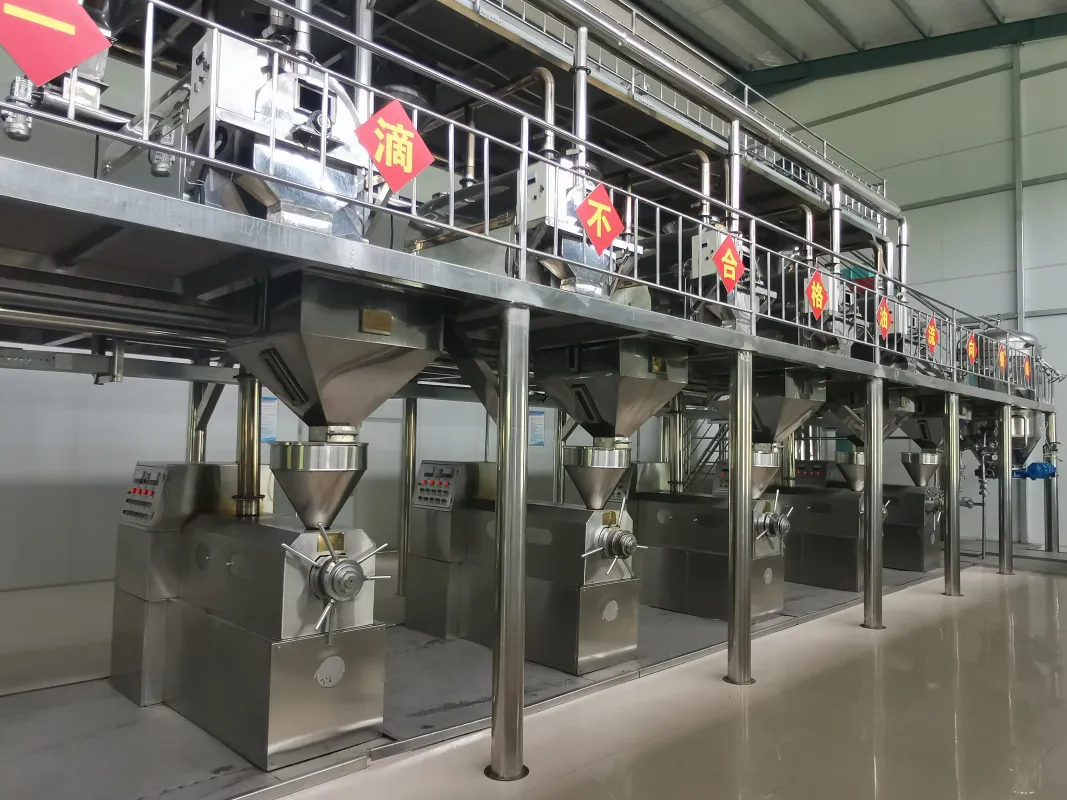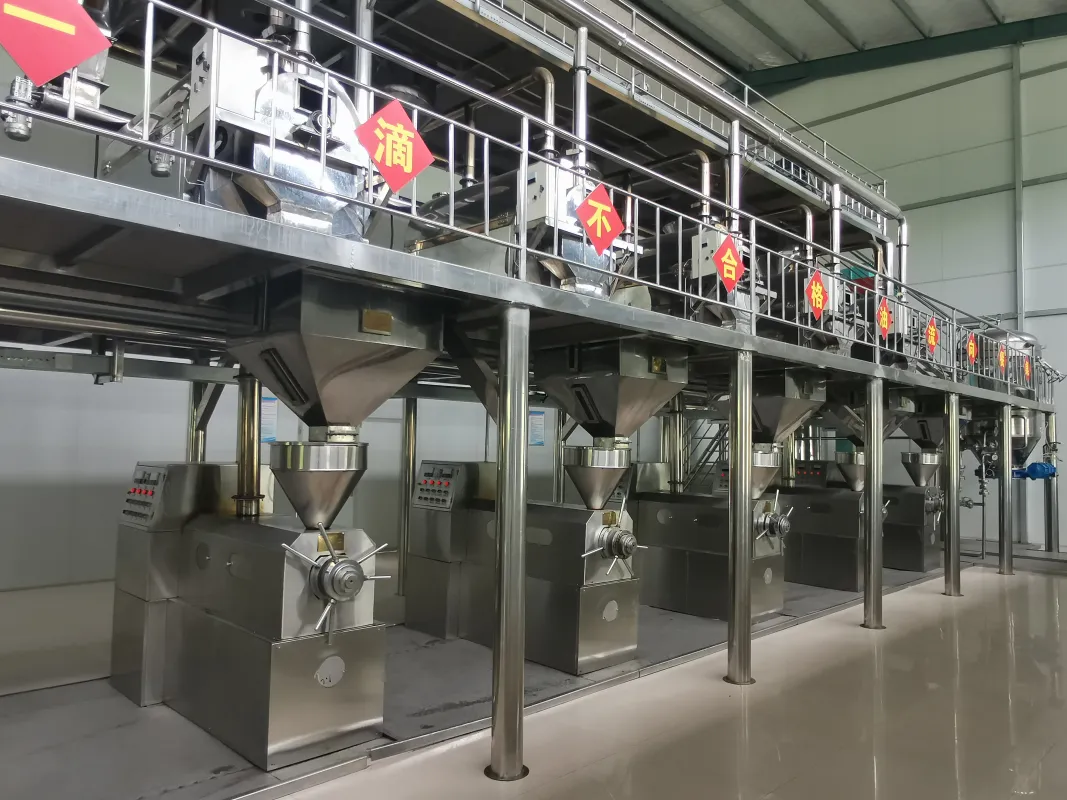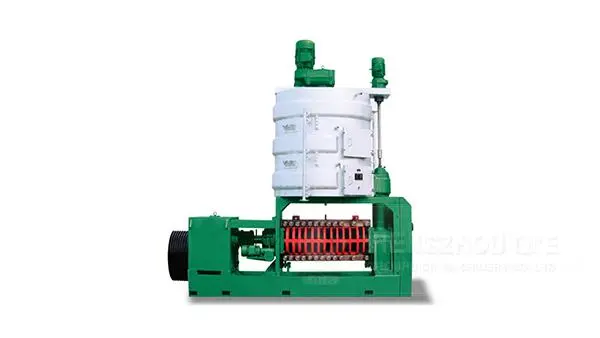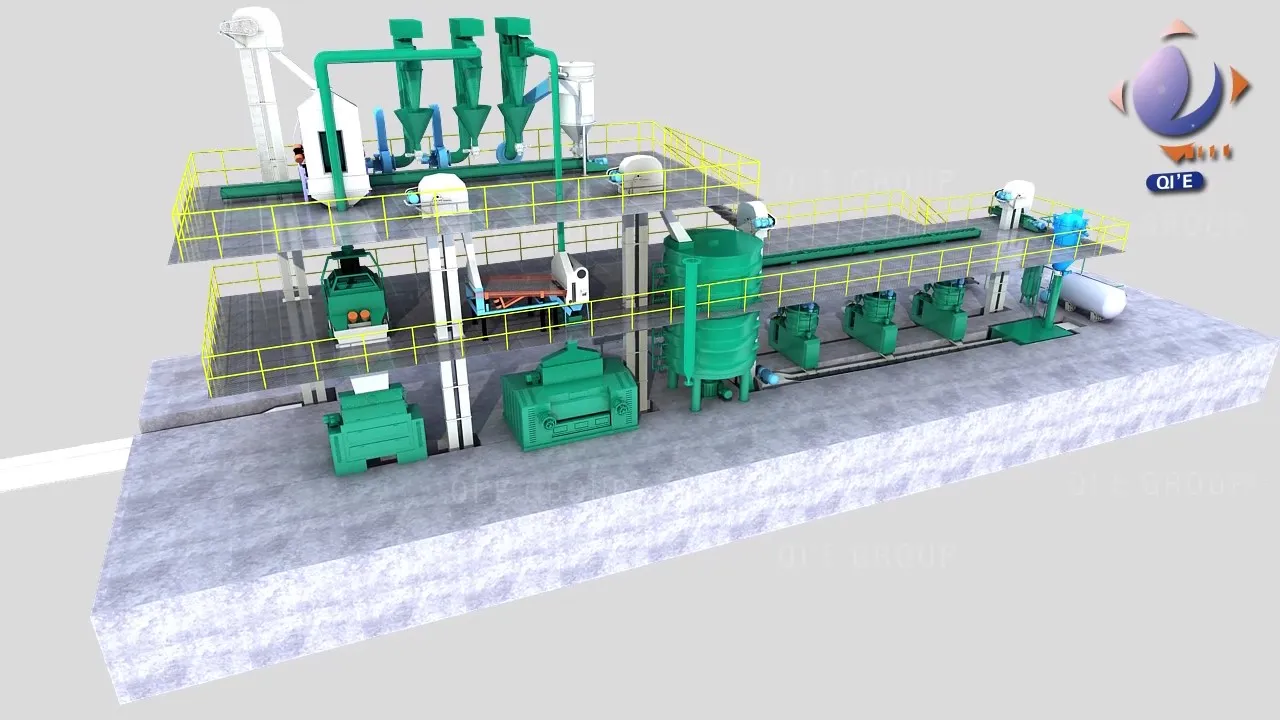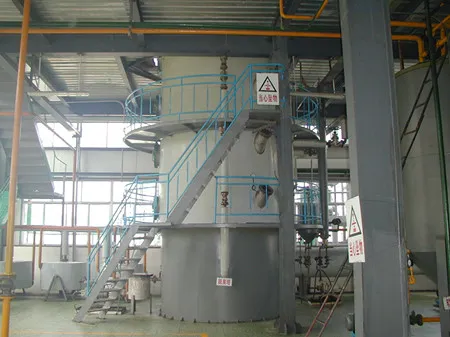
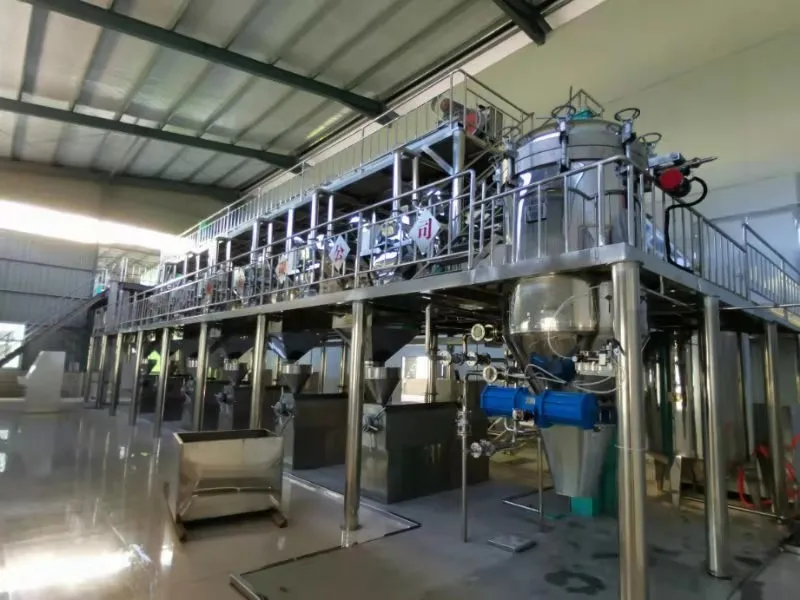
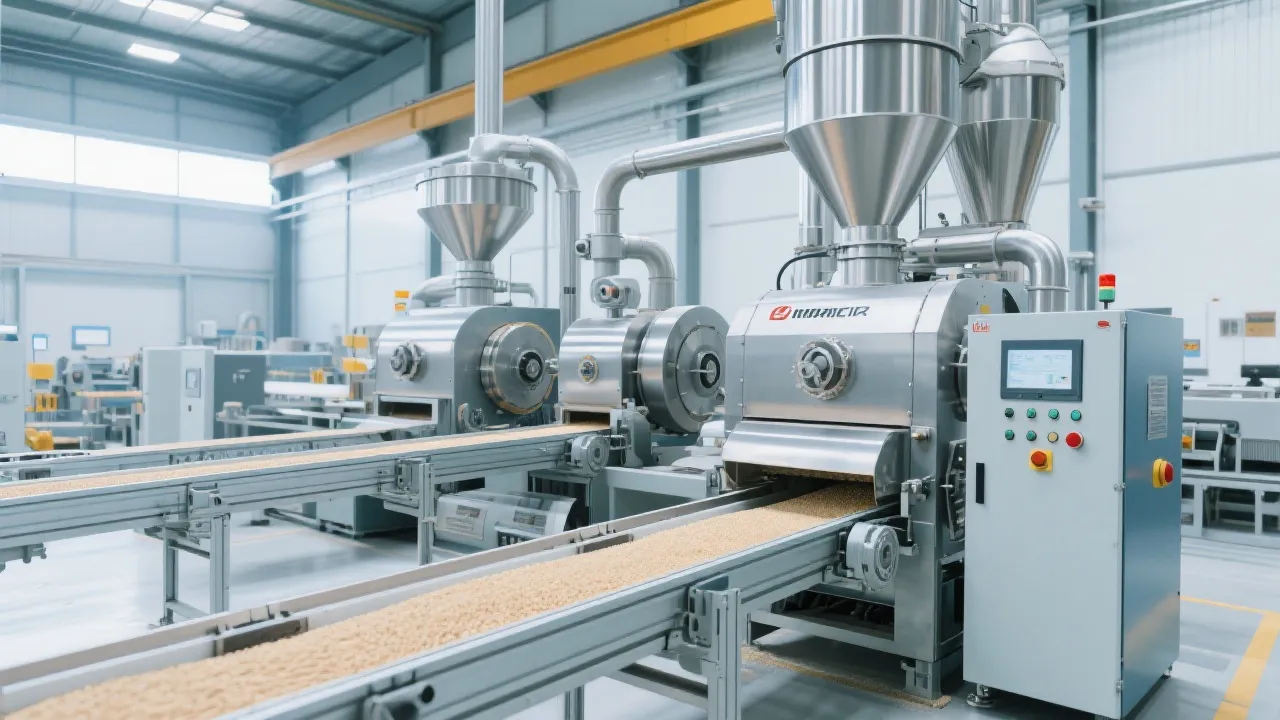
The global edible oil market faces increasing demands for quality, safety, and sustainability. In response, QIE Group has engineered a cutting-edge, fully automated rice bran oil refining system that delivers superior product purity while ensuring compliance with national food safety standards. The state-of-the-art equipment integrates advanced multi-stage filtration, degumming, deacidification, decolorization, and deodorization processes, creating a seamless flow that elevates rice bran oil quality and optimizes operational efficiency.
The refining equipment’s multi-stage process begins with high-precision filtration that removes residual solids and impurities, effectively reducing turbidity by up to 95%. Subsequently, the degumming phase utilizes enzymatic and chemical treatments to eliminate phospholipids, improving clarity and stability.
During deacidification, the system employs precise alkali dosing combined with controlled temperature adjustment to reduce free fatty acids below 0.1%, a critical parameter for edible oil safety and sensory quality. The decolorization stage uses activated clay adsorption technology, efficiently removing pigments and improving oil color to meet consumer expectations.
Finally, the deodorization step applies vacuum steam distillation to eliminate volatile compounds responsible for off-flavors and odors, delivering a neutral and clean taste profile. Collectively, these refined processes maximize oil yield with minimal degradation, boasting an energy consumption reduction of approximately 15% compared to conventional refining systems.
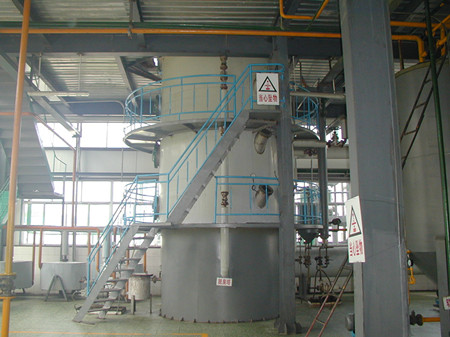
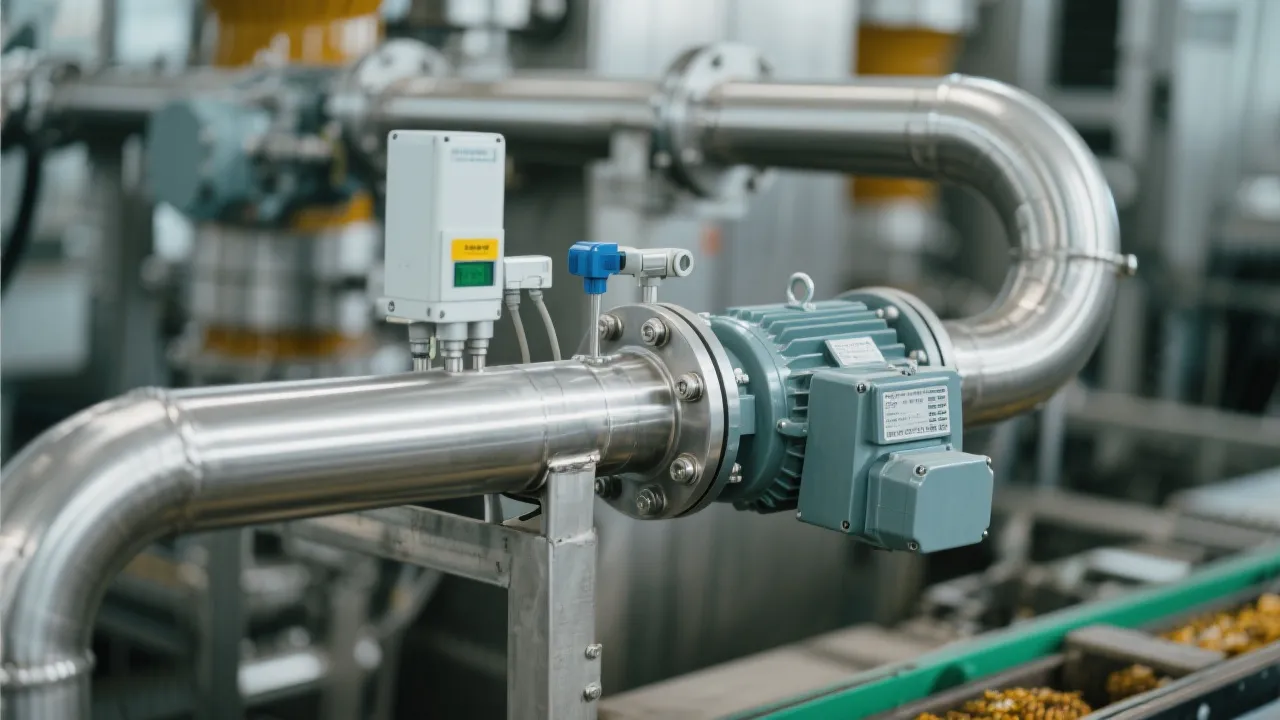
Ensuring consistent product safety and quality hinges on effective Critical Control Point (CCP) management. The equipment integrates sensors and analytics tools throughout each refining stage, continuously monitoring parameters such as temperature, pH, flow rates, and filter integrity.
Data collected via online detection systems enables instantaneous adjustments to process variables, preventing deviations that could compromise safety standards or product quality. This dynamic control framework reduces human error by an estimated 40%, contributes to a 25% decrease in batch inconsistencies, and streamlines regulatory compliance reporting.
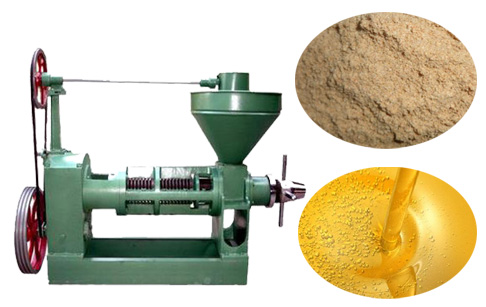
Leading edible oil manufacturers adopting QIE Group’s automated refining solutions have experienced remarkable performance improvements. For example, a large-scale producer in Southeast Asia reported a 30% increase in throughput and a 20% reduction in operational labor costs within six months of integration.
Additionally, product analysis showed a consistent compliance rate exceeding 99.5% against stringent national food safety benchmarks, with sensory evaluations highlighting enhanced oil clarity and flavor neutrality. These results affirm the system’s capability to sustain reliable production while supporting green manufacturing policies.
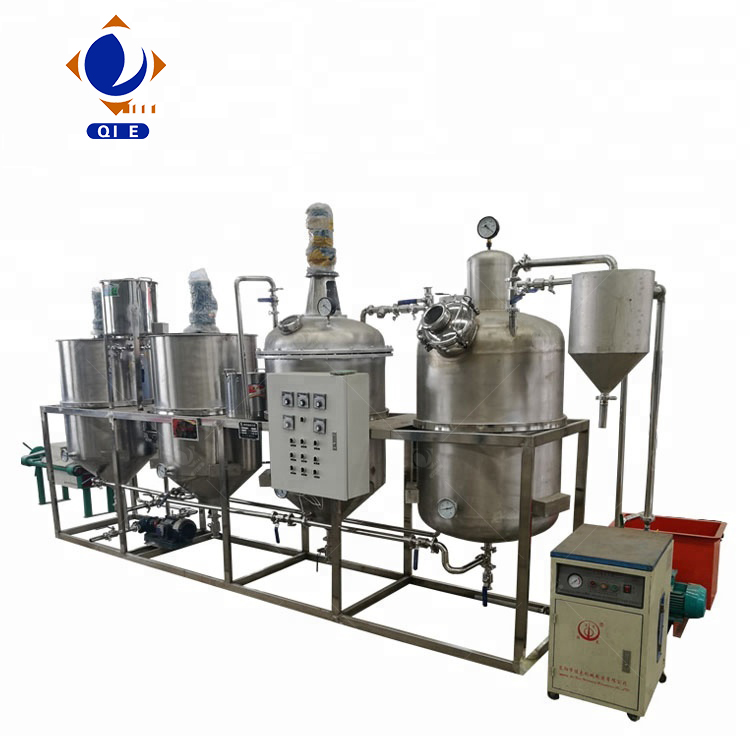
To maximize performance and minimize downtime, operators are advised to follow standardized procedural checklists during startup, steady-state production, and shutdown phases. Key points include regular filter inspections, prompt replacement of active clay media every 200 production hours, and precise calibration of sensor arrays quarterly.
Troubleshooting is facilitated through an integrated digital interface providing real-time alerts and stepwise action plans, allowing even less experienced technicians to maintain optimal system health. These robust support mechanisms ensure sustainability of both equipment integrity and oil product quality over extended production cycles.
In an era where environmental regulations tighten and consumer preferences favor natural, safe ingredients, adopting energy-efficient automated rice bran oil refining technology positions enterprises at a competitive advantage. This transition not only reduces carbon footprint by lowering thermal and electrical energy usage but also enhances processing consistency, key to building trusted brand identity.
Furthermore, investing in automation aligns with industry digitization trends, paving the way for future integration of Industry 4.0 capabilities such as AI-assisted predictive maintenance and advanced supply chain traceability.
 PLC control system
Edible oil automation
Remote monitoring
Fault early warning
Equipment maintenance
automated sesame oil production line
oil processing automation
closed system food safety
intelligent oil refining
ISO9001 compliant food manufacturing
rapeseed oil extraction methods
cold pressed rapeseed oil
solvent extraction process
edible oil production optimization
high-value vegetable oil manufacturing
PLC control system for edible oil production line
Fully automated rapeseed oil equipment
Intelligent automation production line energy efficiency comparison
Edible oil production equipment fault troubleshooting
Cold pressing and solvent extraction processes
PLC control system for edible oil production
automated oil processing line
industrial automation in food manufacturing
edible oil production efficiency optimization
PLC-based process control
PLC control system
Edible oil automation
Remote monitoring
Fault early warning
Equipment maintenance
automated sesame oil production line
oil processing automation
closed system food safety
intelligent oil refining
ISO9001 compliant food manufacturing
rapeseed oil extraction methods
cold pressed rapeseed oil
solvent extraction process
edible oil production optimization
high-value vegetable oil manufacturing
PLC control system for edible oil production line
Fully automated rapeseed oil equipment
Intelligent automation production line energy efficiency comparison
Edible oil production equipment fault troubleshooting
Cold pressing and solvent extraction processes
PLC control system for edible oil production
automated oil processing line
industrial automation in food manufacturing
edible oil production efficiency optimization
PLC-based process control





.png?x-oss-process=image/resize,h_100,m_lfit/format,webp)
.png?x-oss-process=image/resize,h_100,m_lfit/format,webp)
.png?x-oss-process=image/resize,h_100,m_lfit/format,webp)