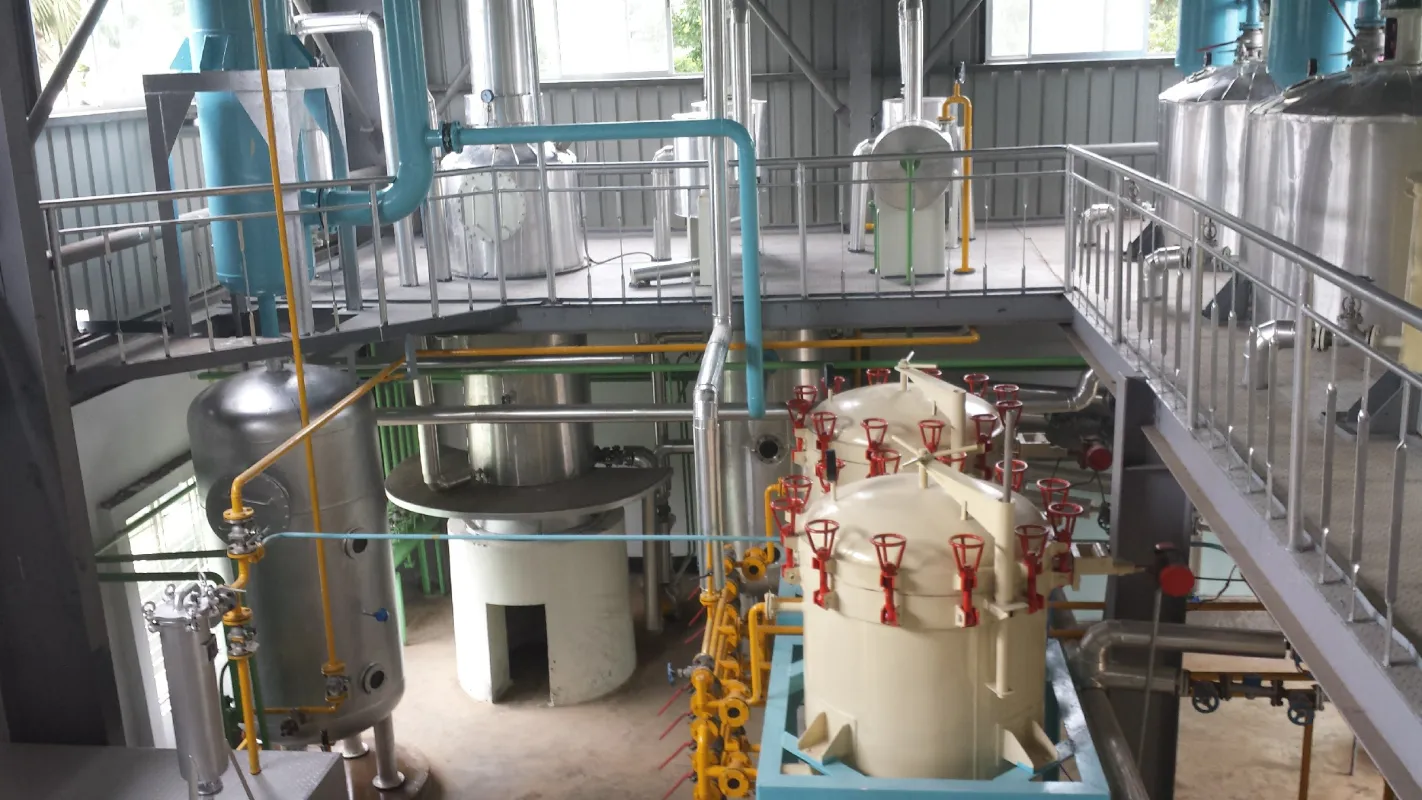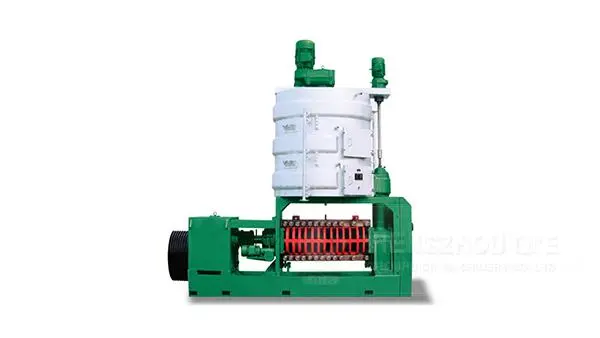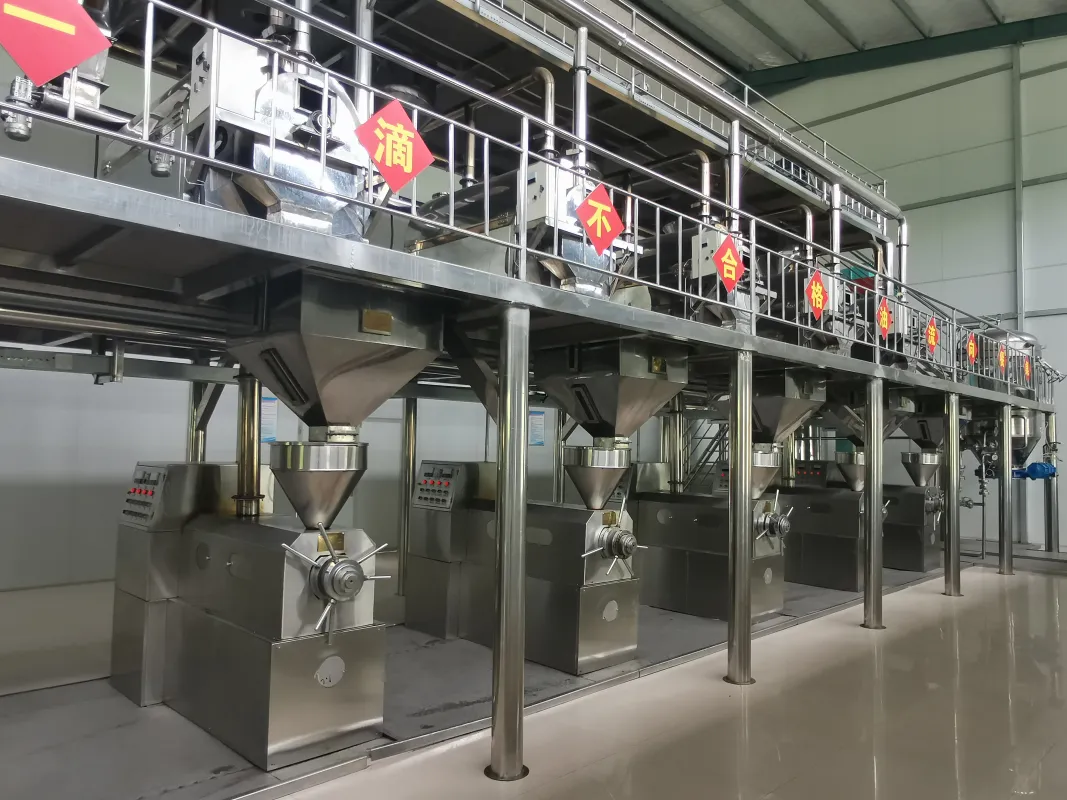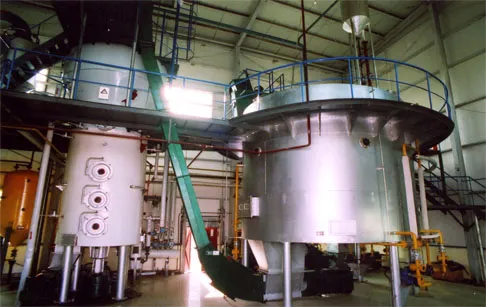
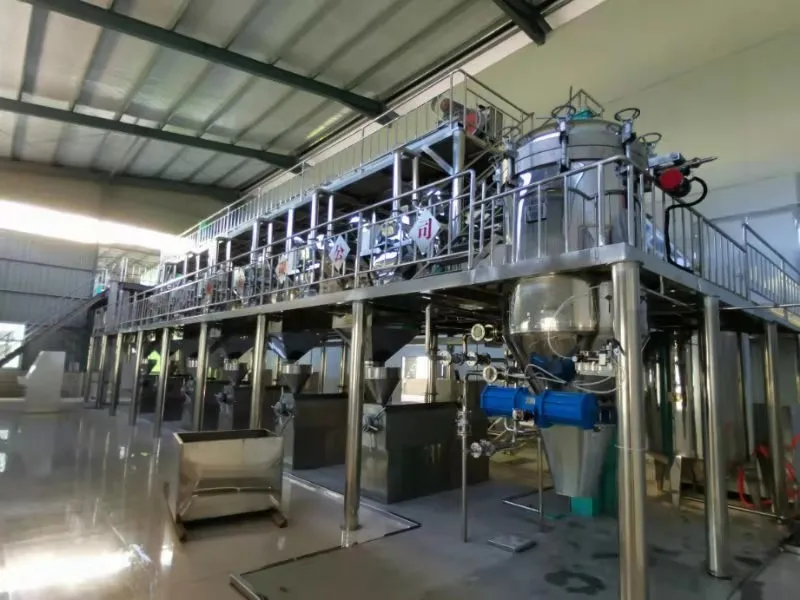
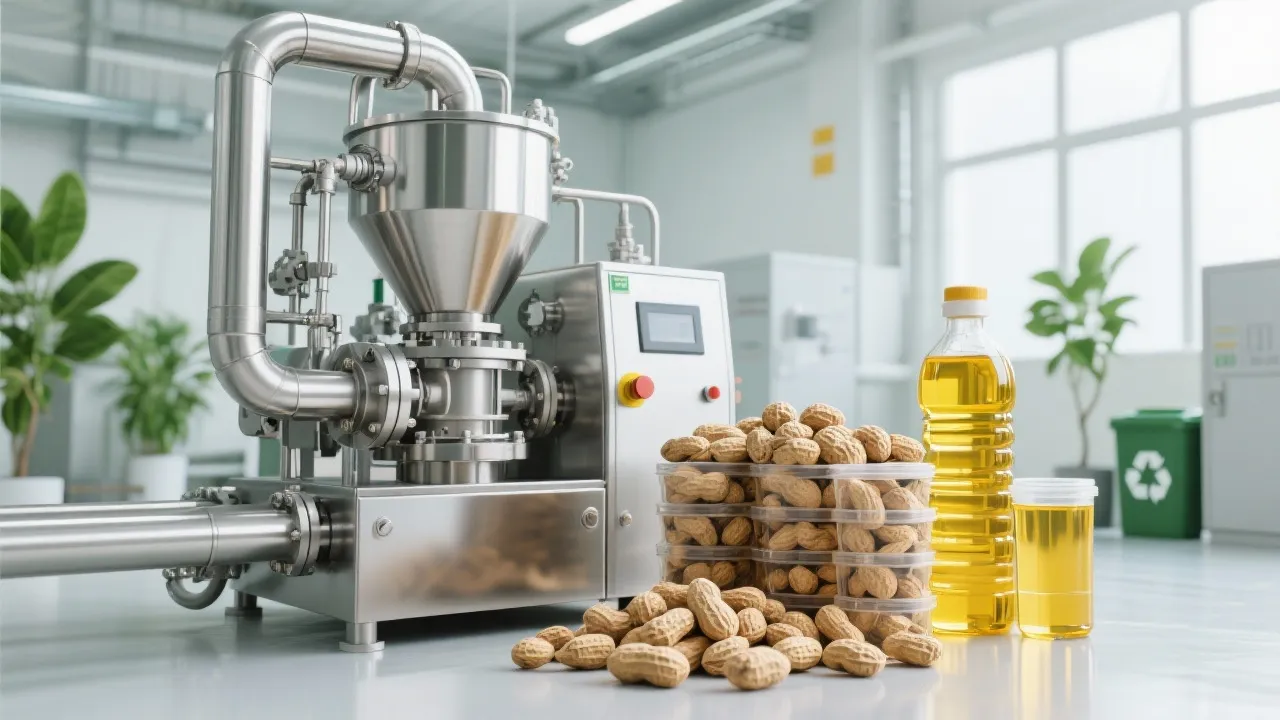
Rice bran oil has emerged as a highly valued edible oil for its balanced fatty acid profile and rich antioxidant content. Ensuring its quality, stability, and safety hinges on advanced refining technologies. Today’s automated refining systems integrate multi-level filtration and sophisticated deacidification techniques, elevating oil purity to meet strict food safety standards, including GB 2716.
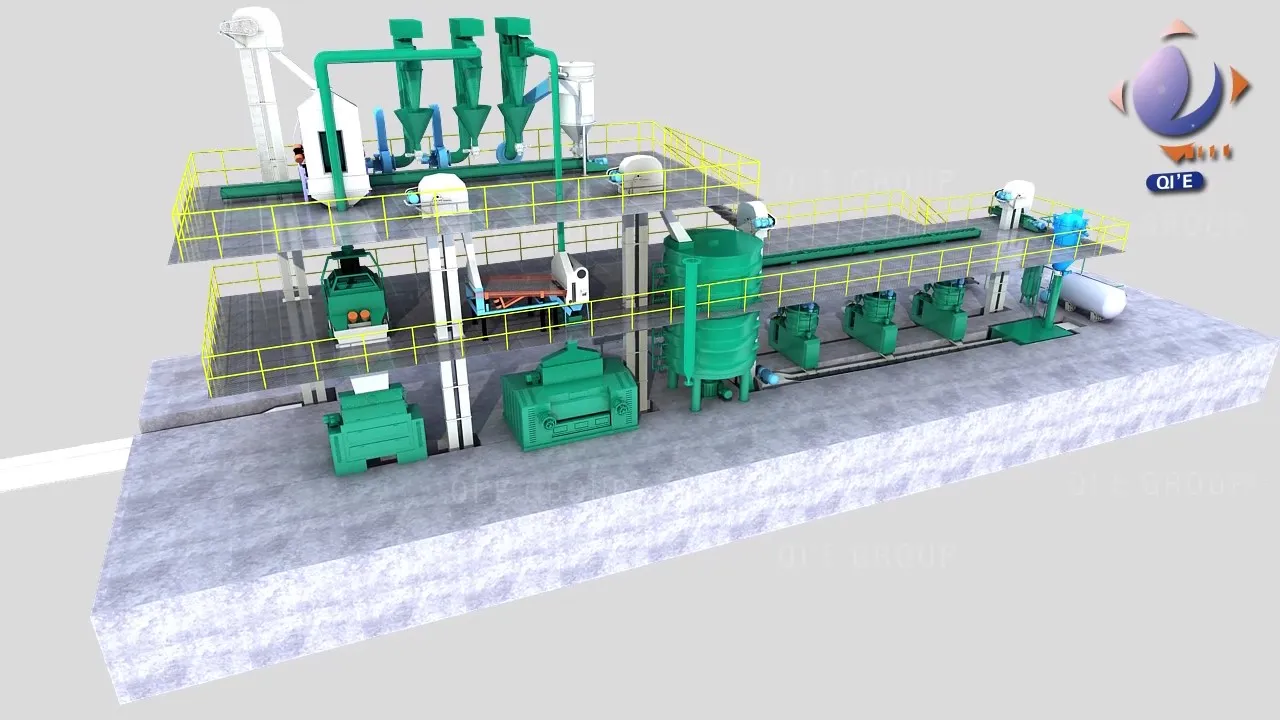
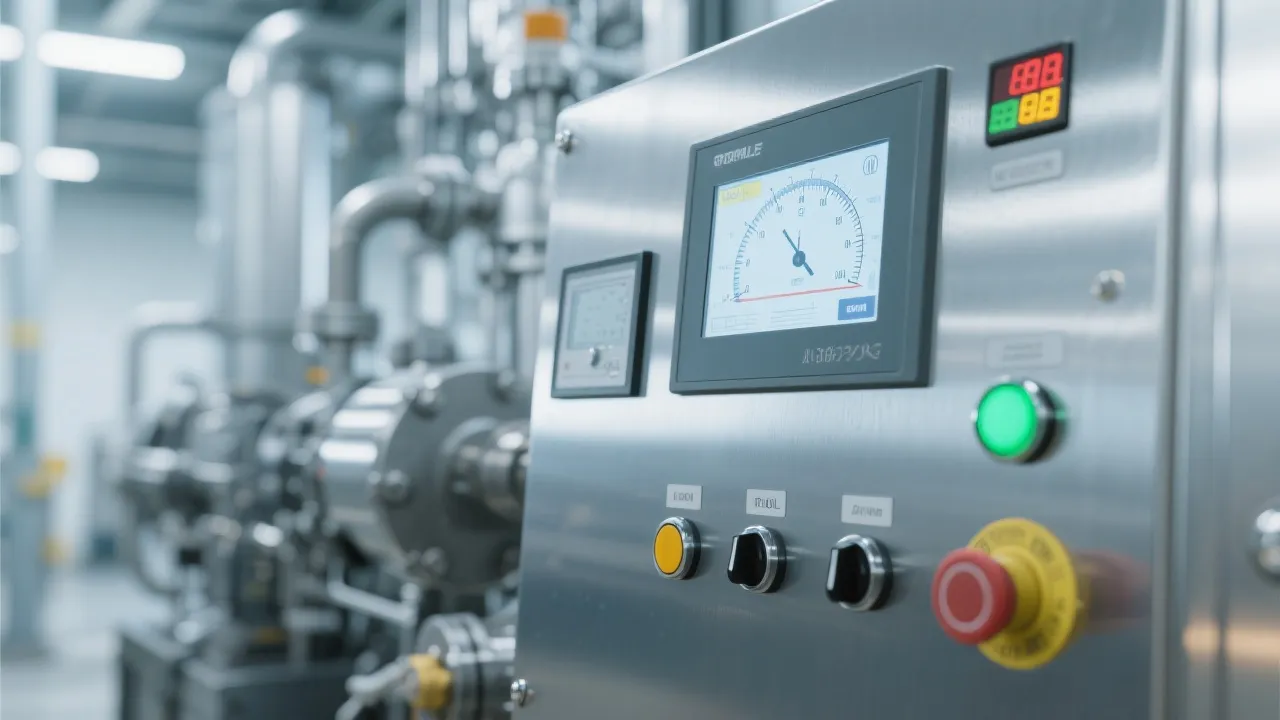
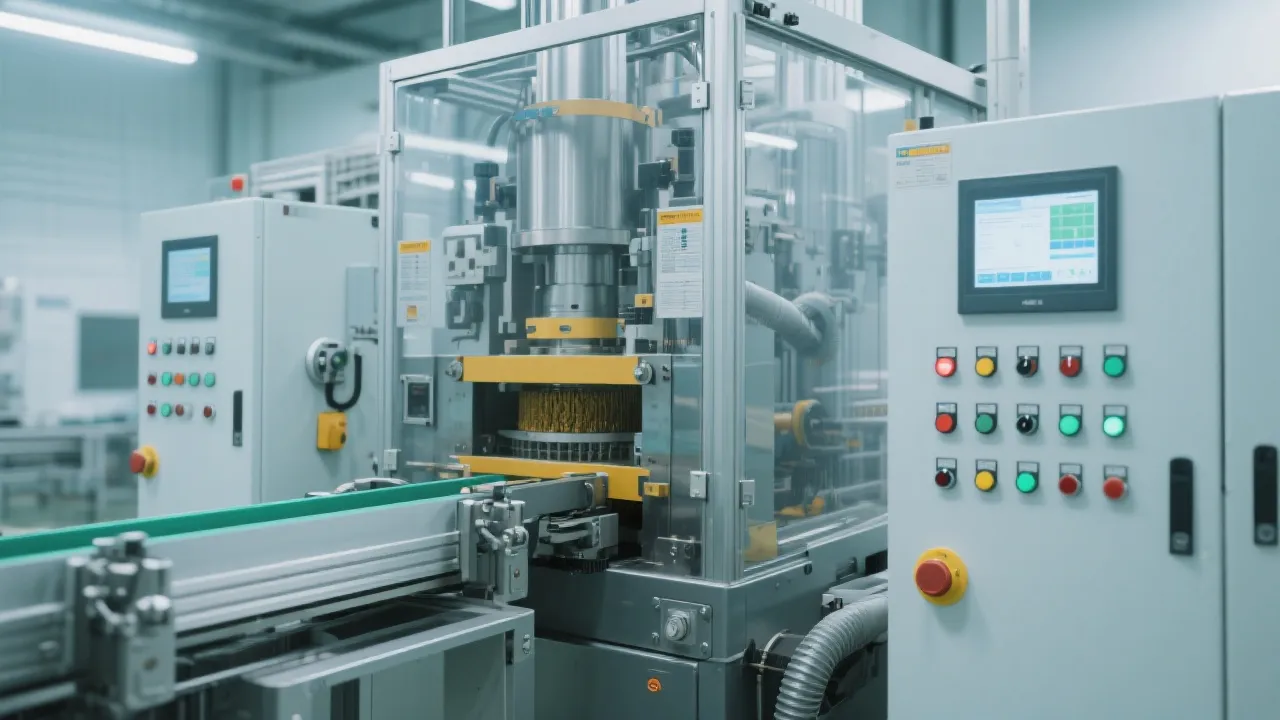
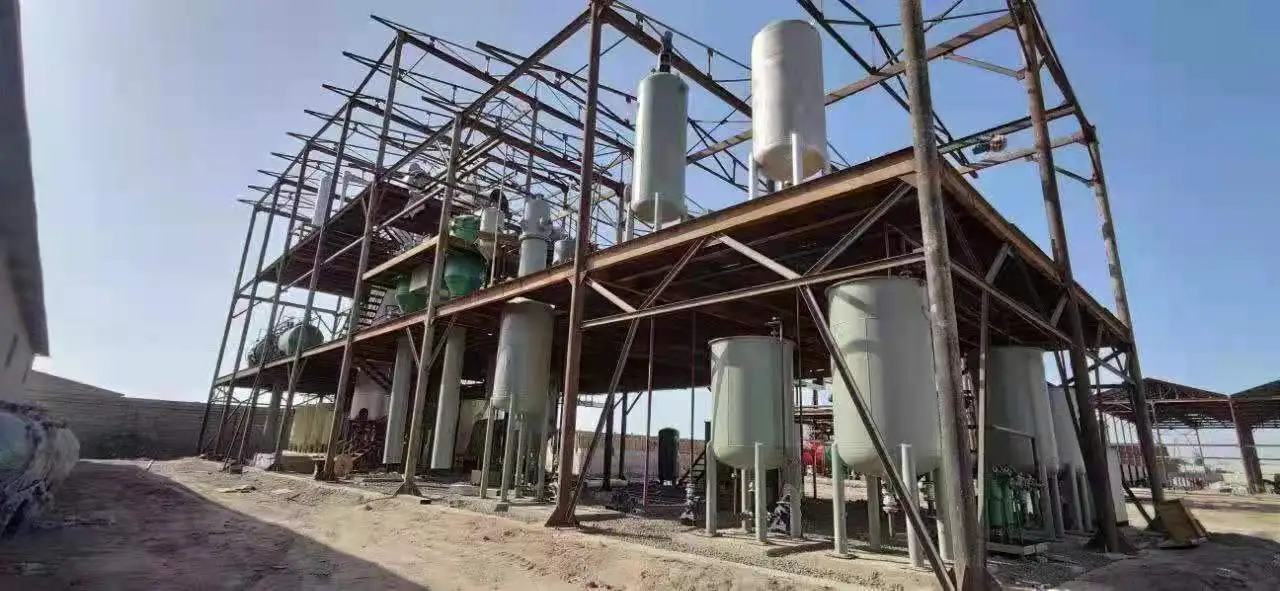
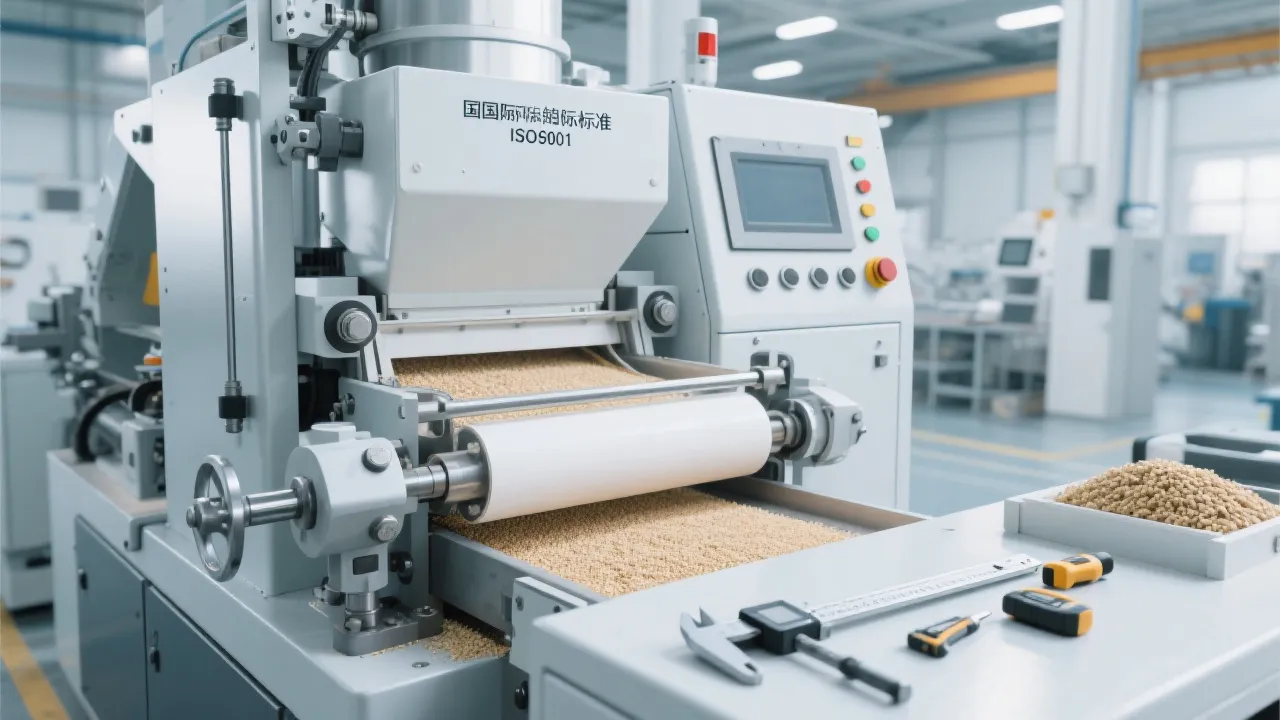
The automated refining journey begins with rice bran pretreatment, involving milling debris removal and moisture control. Subsequent stages encompass degumming, deacidification, bleaching, deodorization, and rigorous filtration. Each phase is seamlessly integrated with PLC-controlled equipment enabling real-time monitoring and precision adjustments to optimize throughput and maintain consistent quality.
Interactive Tip: Click to discover how automated control systems ensure process stability and reduce operational errors.
The multi-stage filtration system uses sequential fine mesh and activated carbon filters, effectively removing impurities, phospholipids, and trace metals that impair oil stability. This approach reduces turbidity by up to 95%, aiding clarity and oxidative resistance.
Deacidification primarily employs chemical neutralization combined with physical refining. Automated alkali dosing neutralizes free fatty acids (FFA), significantly lowering acid value—often below 0.1 mg KOH/g from initial levels exceeding 3.0 mg KOH/g—ensuring compliance with food safety benchmarks. Continuous monitoring through inline sensors enables real-time adjustment to optimize reagent usage and maintain cost efficiency.
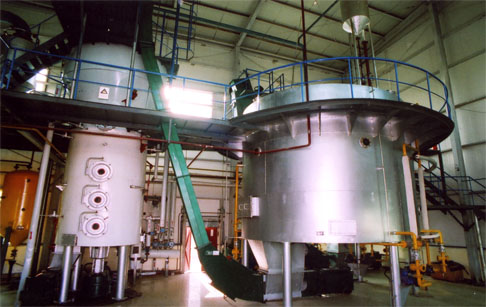
Implementing CCP protocols aligned with GB 2716 is essential to ensure food safety throughout refining. Key parameters such as acid value, phospholipid content, and peroxide value are tracked at designated checkpoints using inline spectrophotometers and pH meters. This data-driven approach facilitates early detection of deviations, allowing preemptive interventions to prevent batch contamination.
Automated data logging and alert systems reduce human error risk, optimizing traceability and compliance reporting. This integration supports zero downtime strategies common in high-capacity industrial plants.
Continuous data analytics offers insights into equipment wear and process fluctuations. For example, monitoring pressure differentials across filtration units signals clogging, prompting timely filter replacement before product quality suffers. Lean maintenance schedules based on predictive analytics have been shown to increase line uptime by 15-20%.
Operators are encouraged to use visual dashboards and alarm protocols to quickly identify abnormalities like temperature deviations in deodorization chambers, which can impact volatile compound removal and flavor profile integrity.
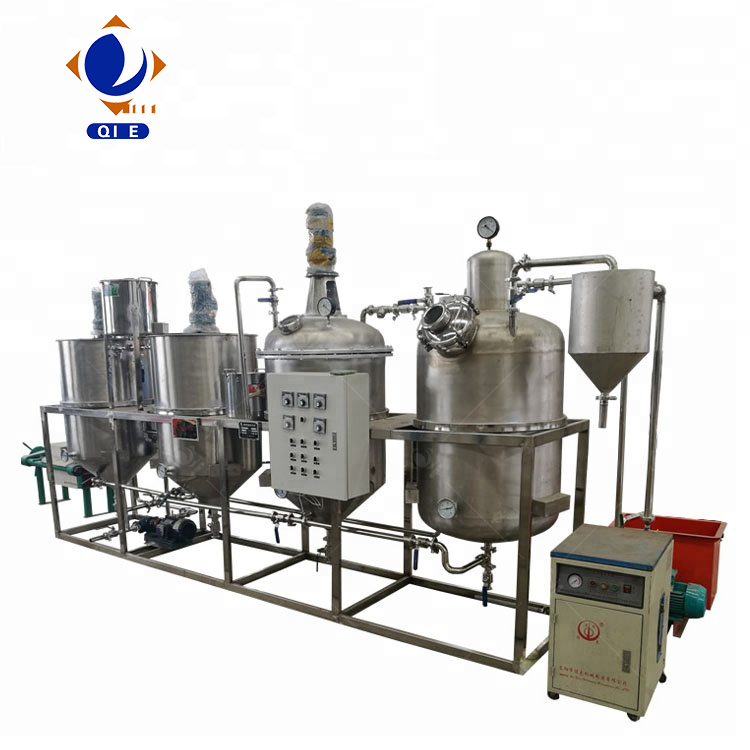
A leading export-focused rice bran oil manufacturer implemented a full-scale automated refining line incorporating multi-stage filtration and online CCP monitoring. This advancement reduced manual interventions by 70%, cut batch-to-batch quality variance by 35%, and improved compliance rates with international standards.
The system’s integration of advanced sensors and robust software allowed the production team to swiftly adapt to raw material variability—an innate challenge in agricultural-derived oils—guaranteeing a consistently premium product that commands higher market pricing.
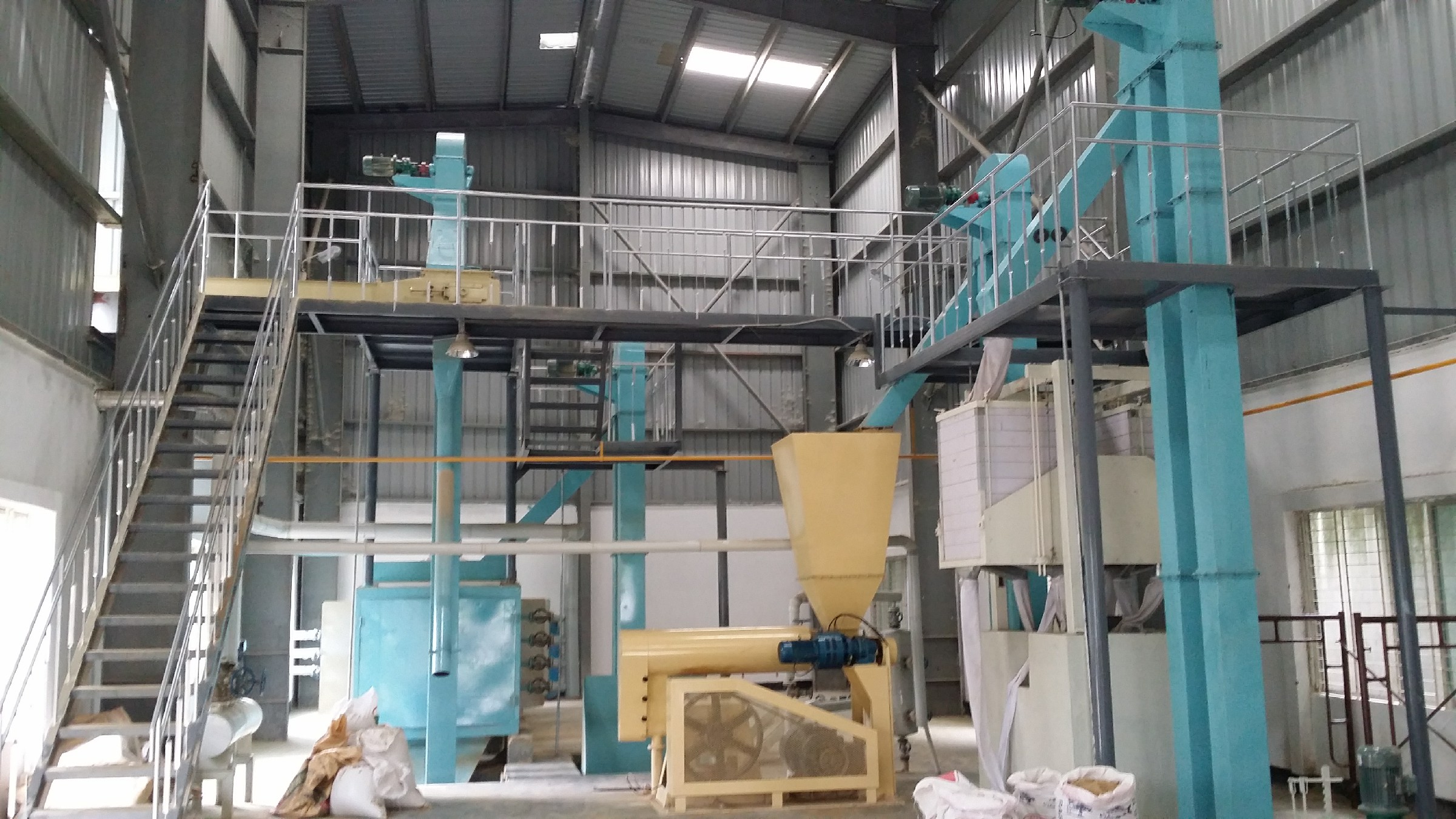
To maximize benefits, enterprises should:
Attention to these factors reduces downtime, minimizes product loss, and helps uphold market-leading food safety credentials.
 fully automated sesame oil production
grain and oil machinery automation
sesame oil production efficiency
ISO9001 certification
food safety automation
automated sesame oil production line
closed-loop oil processing system
energy-efficient oil extraction equipment
sesame oil production technology challenges
intelligent control in food processing
sesame oil production line automation
PLC sensor integration
industrial control system tuning
automated food processing systems
oilseed machinery maintenance
rice bran oil purity
automated refining equipment
food safety standards
critical control points
export compliance production
automated sesame oil production line
full closed sesame oil system
sesame oil automatic filling technology
oil processing automation
food safety in sesame oil manufacturing
fully automated sesame oil production
grain and oil machinery automation
sesame oil production efficiency
ISO9001 certification
food safety automation
automated sesame oil production line
closed-loop oil processing system
energy-efficient oil extraction equipment
sesame oil production technology challenges
intelligent control in food processing
sesame oil production line automation
PLC sensor integration
industrial control system tuning
automated food processing systems
oilseed machinery maintenance
rice bran oil purity
automated refining equipment
food safety standards
critical control points
export compliance production
automated sesame oil production line
full closed sesame oil system
sesame oil automatic filling technology
oil processing automation
food safety in sesame oil manufacturing





.png?x-oss-process=image/resize,h_100,m_lfit/format,webp)
.png?x-oss-process=image/resize,h_100,m_lfit/format,webp)
.png?x-oss-process=image/resize,h_100,m_lfit/format,webp)