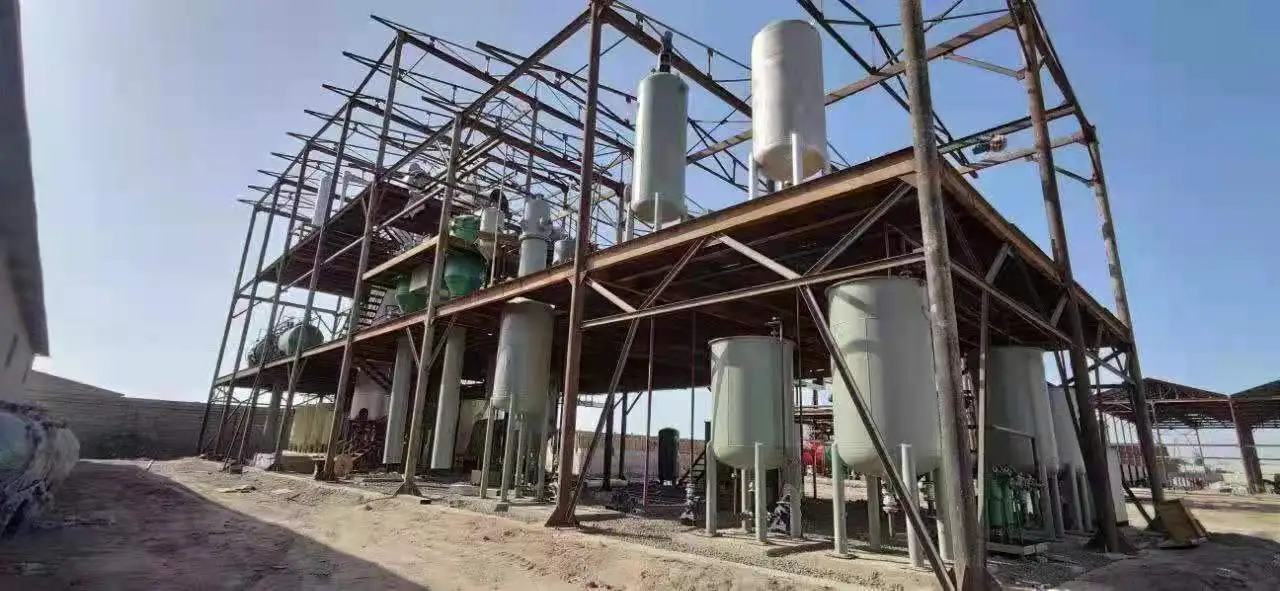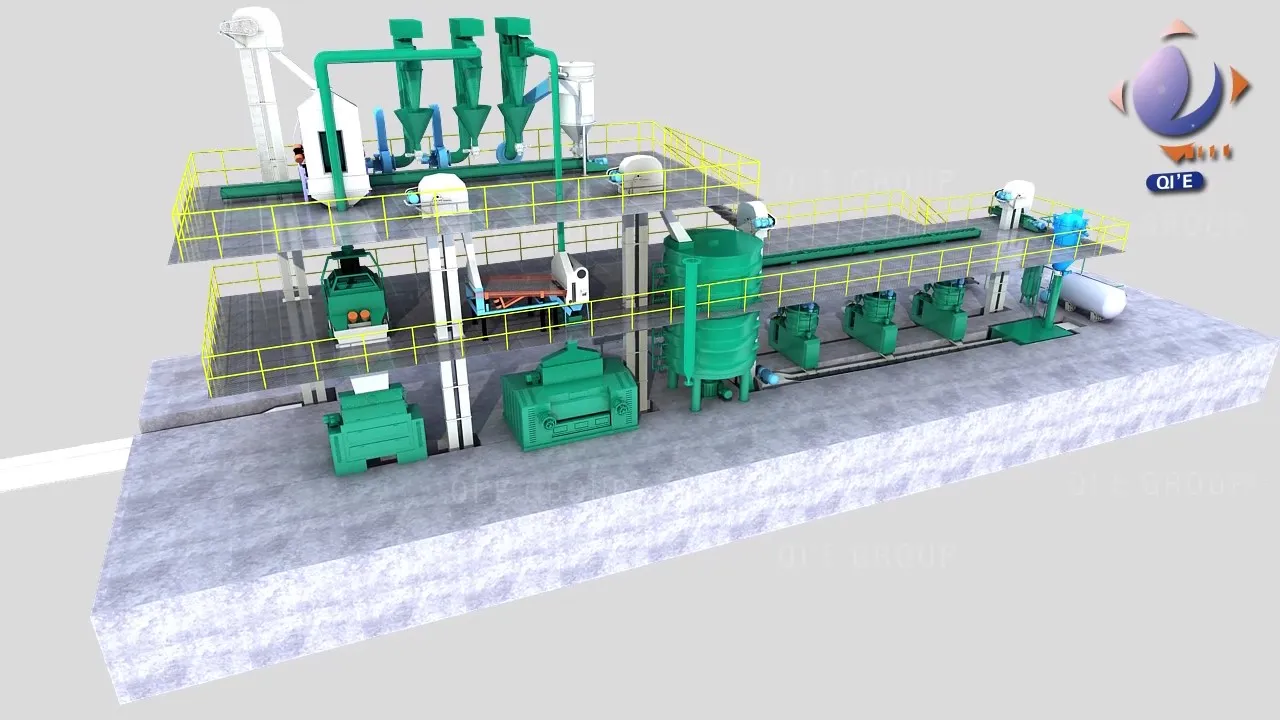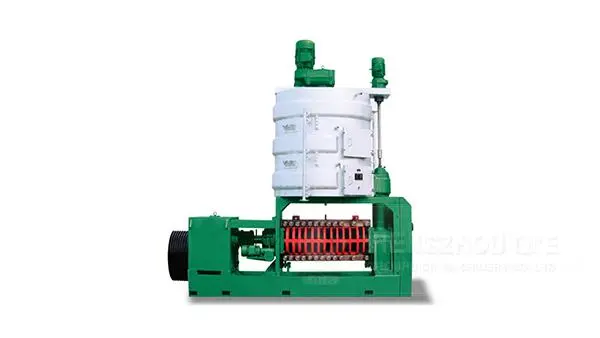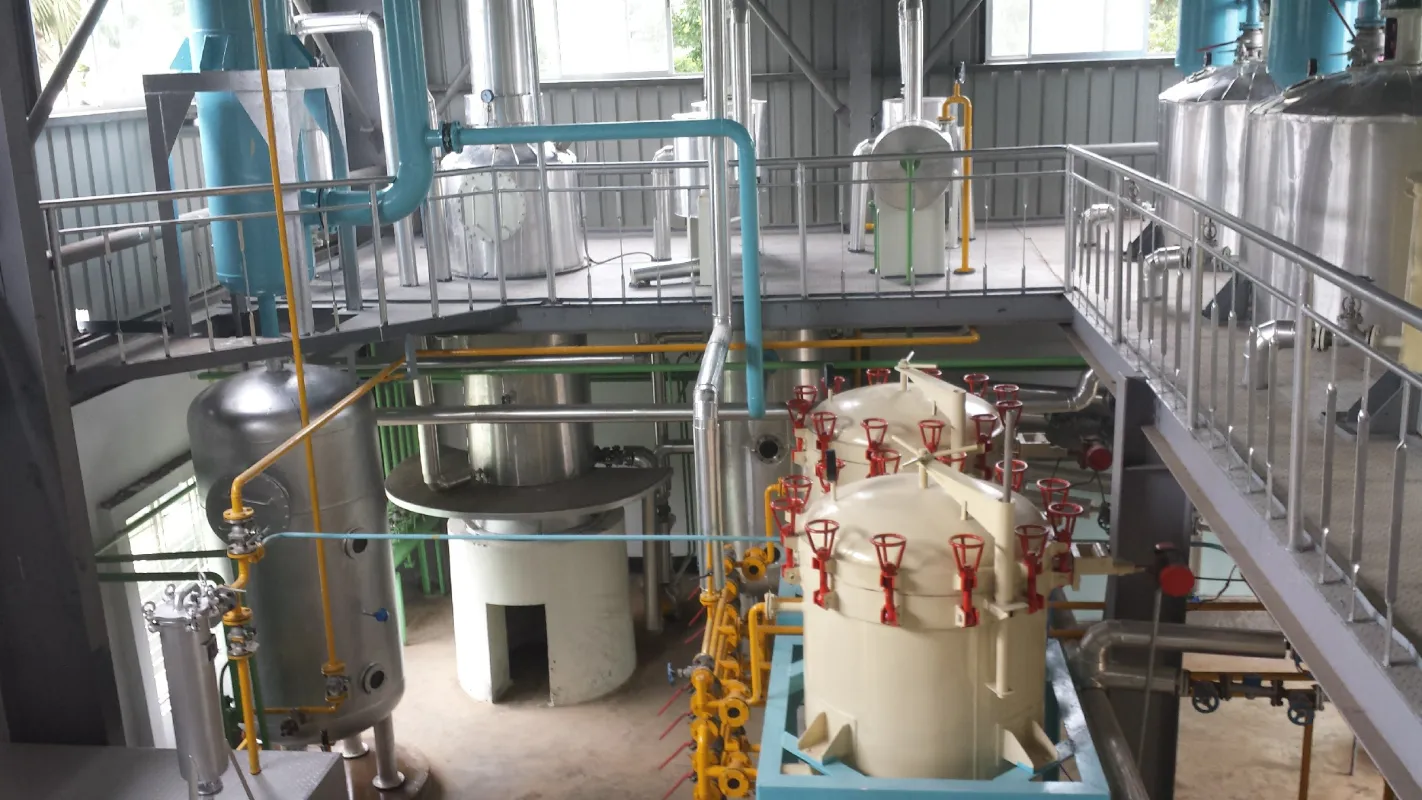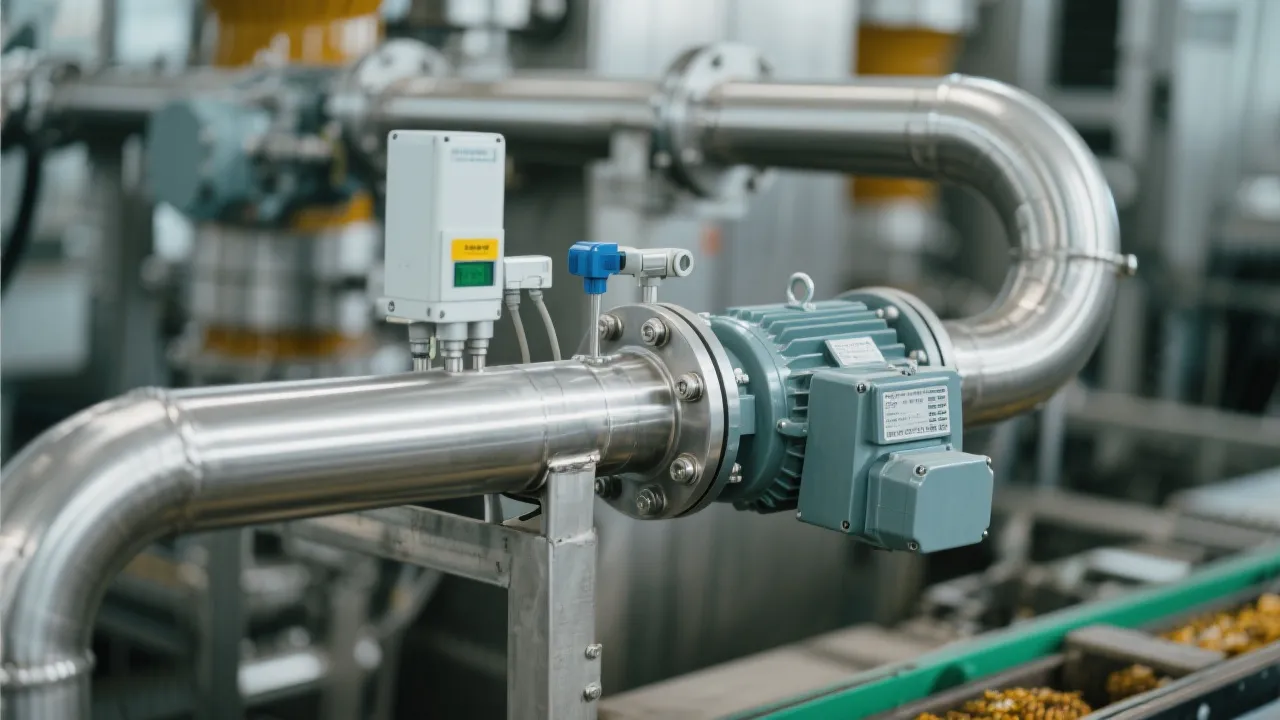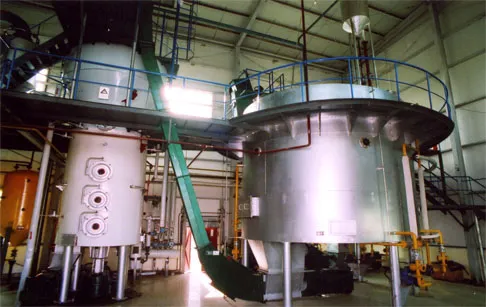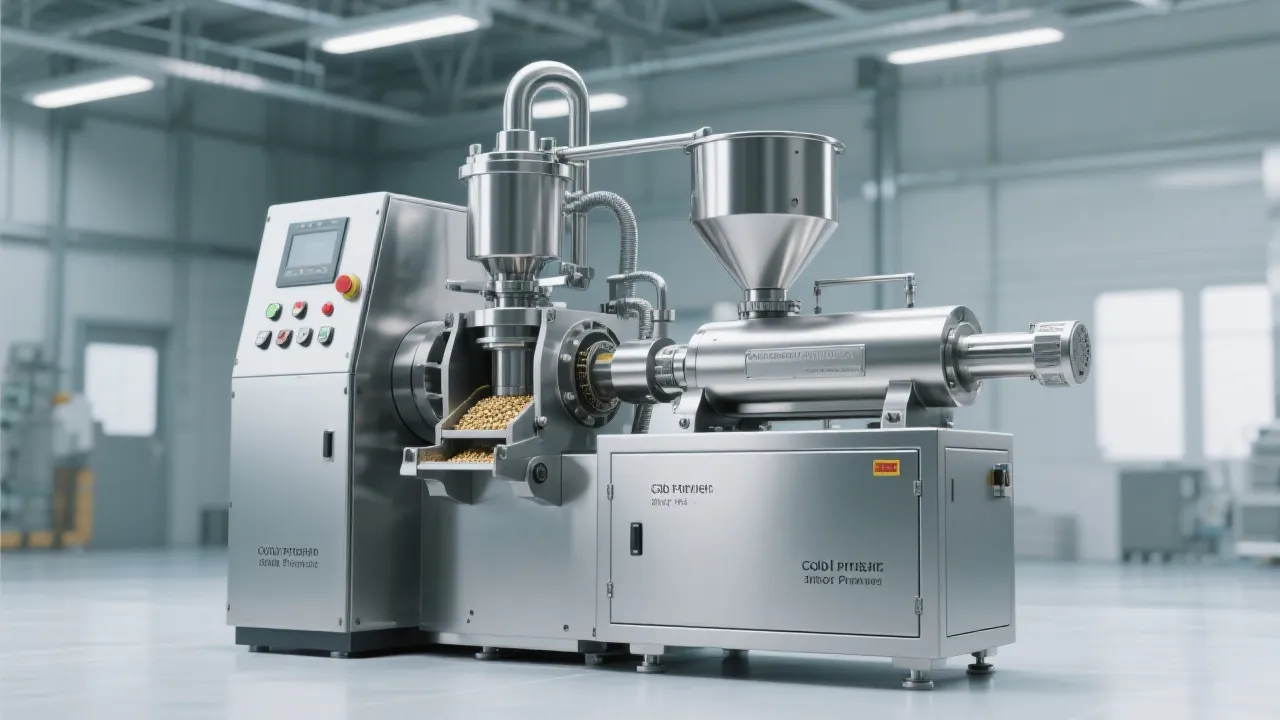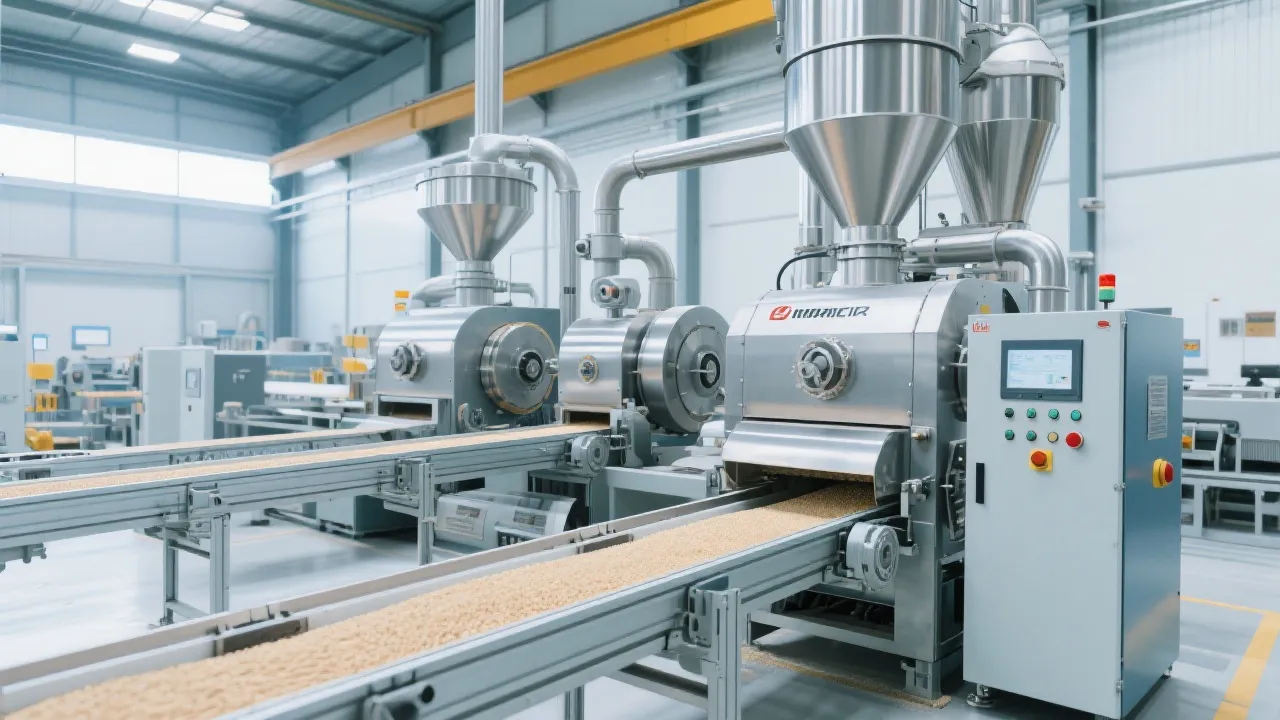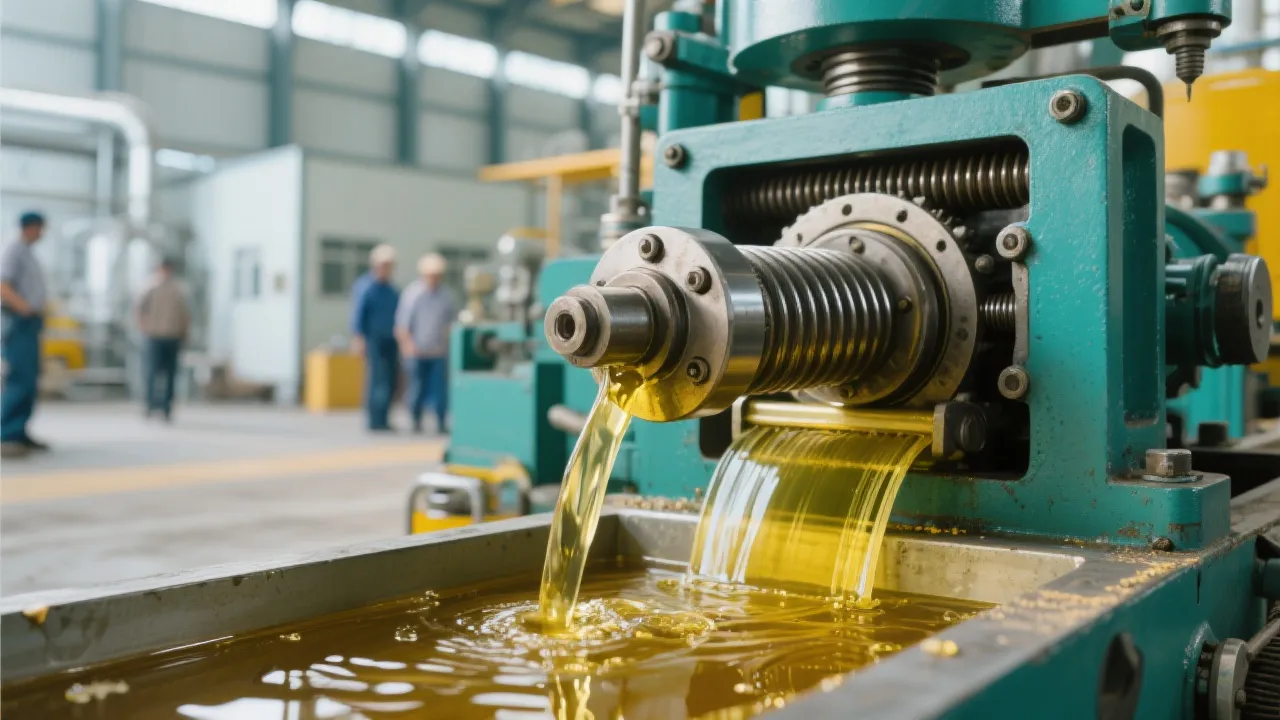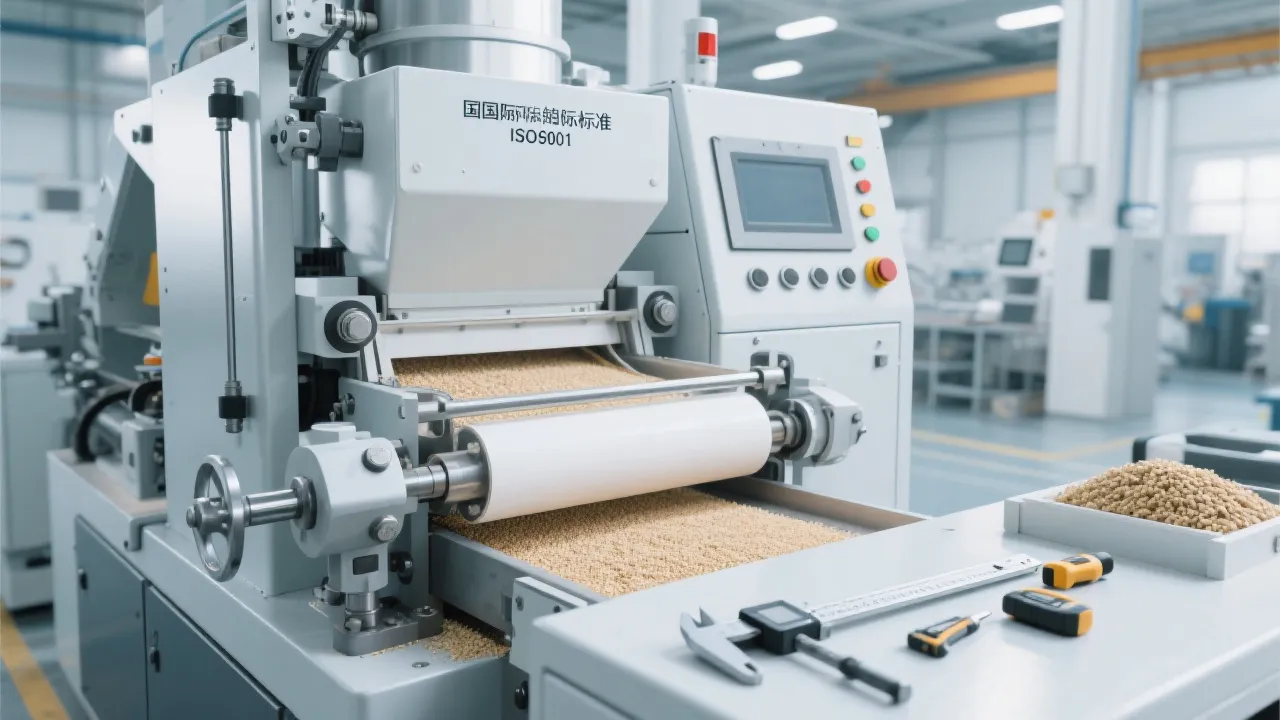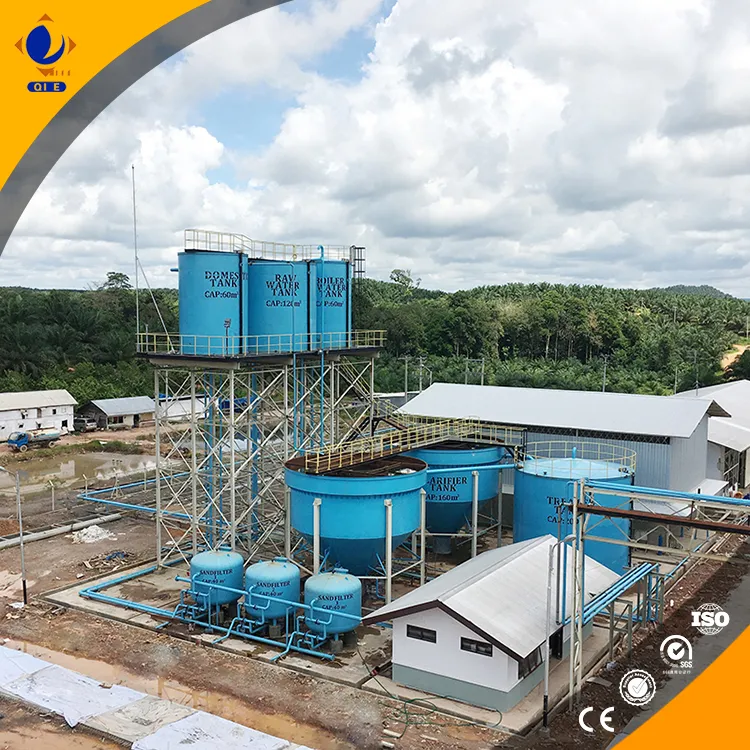
In the evolving landscape of edible oil production, the demand for higher purity and food safety standards has ushered in sophisticated processing solutions. QIE Group’s cutting-edge automated rice bran oil refining equipment exemplifies innovation by seamlessly integrating multi-stage filtration, degumming, deacidification, decolorization, and deodorization processes into a streamlined, energy-efficient workflow. This guide delves into each refining phase, highlighting key operational principles, advanced control mechanisms, and tangible benefits experienced by industry leaders adopting this technology.
The initial phase of refining focuses on multi-level filtration designed to remove coarse particulates and fine suspended impurities. By implementing precision filters with pore sizes ranging from 20 to 5 microns in successive stages, the system ensures the rice bran oil achieves >99.5% clarity pre-refining. Operational data from typical installations indicate over 30% reduction in downstream equipment fouling, contributing significantly to maintenance cost savings and uninterrupted production cycles.
Degumming effectively eliminates phospholipids and associated gums, critical for enhancing oil stability and shelf-life. Penguin’s automated reactor employs controlled hydration followed by centrifugation, achieving a phosphorous content below 10 ppm as per international food safety standards. Inline sensors continuously monitor viscosity and turbidity to prevent over-processing, thus preserving the oil’s natural quality while ensuring compliance with food-grade requirements.
The deacidification step targets the removal of free fatty acids (FFA) to improve oil taste and prevent rancidity. Utilizing an automated alkali neutralization system coupled with precise temperature controls, the equipment consistently lowers FFA content from typical raw levels of 8-10% down to under 0.1%. Critical control points (CCPs) at pH, temperature, and alkali dosage stages are continuously regulated by programmable logic controllers (PLCs), minimizing chemical usage by up to 20% compared to traditional methods.
Decolorization removes pigments such as carotenoids and chlorophyll, which affect color and oxidative stability. Penguin’s system leverages automated adsorption tanks packed with activated bleaching earth, where oil residence time and bed regeneration cycles are optimized via real-time monitoring of color indices. Case studies show the color value can be reduced from 30 Lovibond units to less than 1, enhancing consumer appeal while preserving essential nutrients.
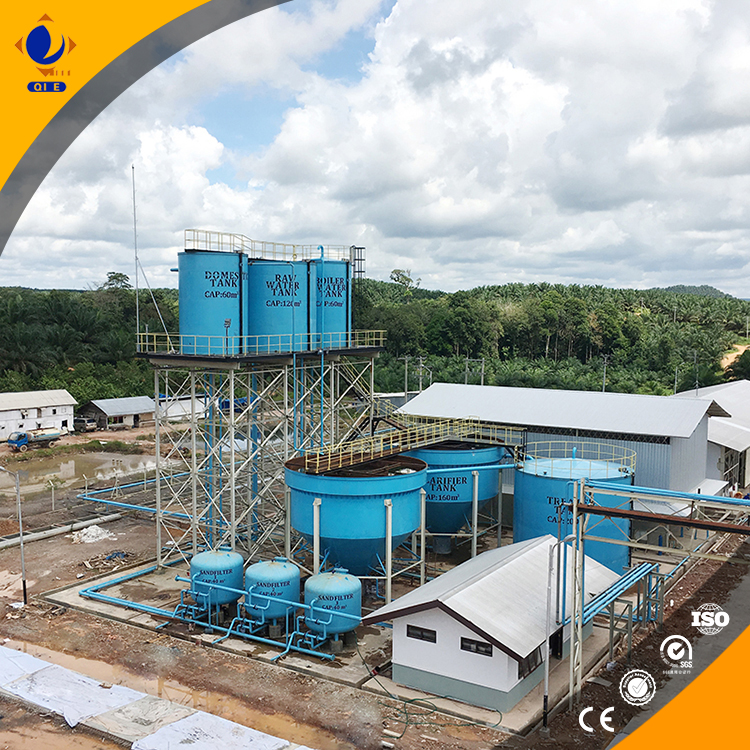
Final deodorization is conducted through vacuum steam distillation that effectively extracts volatile compounds causing undesirable odors and flavors. By employing automated steam injectors and vacuum regulators, residual odors are decreased to less than 0.1 ppm, aligning with global food safety certification standards such as FSSC 22000. Continuous temperature and vacuum pressure feedback loops allow for consistent product quality without excessive energy consumption.
Integral to the high performance of this fully automated refining line is the deployment of Critical Control Point (CCP) management, synchronized with online detection instruments including near-infrared (NIR) spectrometers and pH meters. These tools provide real-time process data, enabling proactive fault detection and corrective measures within seconds. Notably, such automation reduces human error by approximately 40%, improving batch-to-batch consistency and safeguarding overall production efficiency.
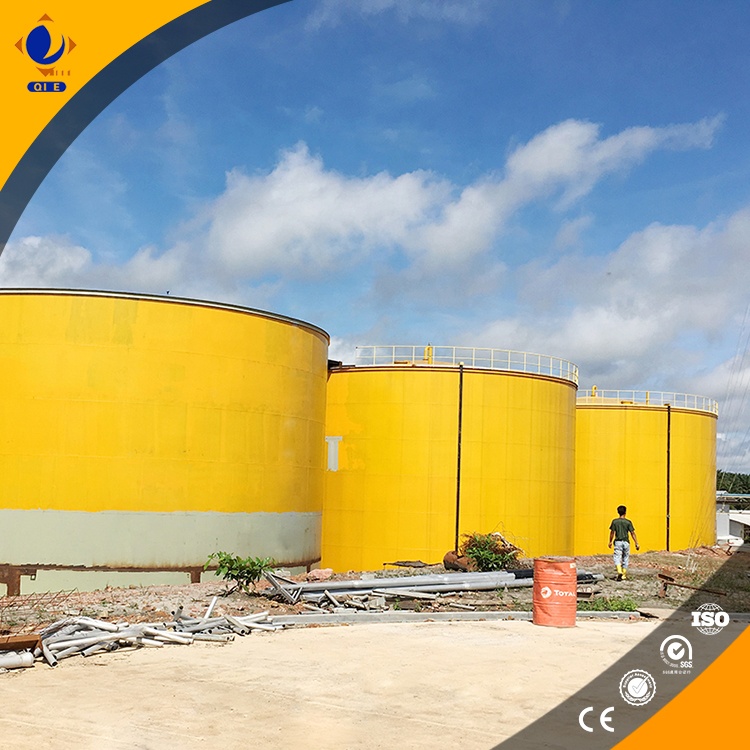
Numerous rice bran oil producers have integrated QIE Group’s automated refining solution, reporting production throughput increases of 25% and energy consumption reductions averaging 18% compared to legacy systems. For example, a Southeast Asian edible oil manufacturer saw oil purity improvement from 98% to 99.8% and a 30% decrease in reprocessing rates within six months of deployment.
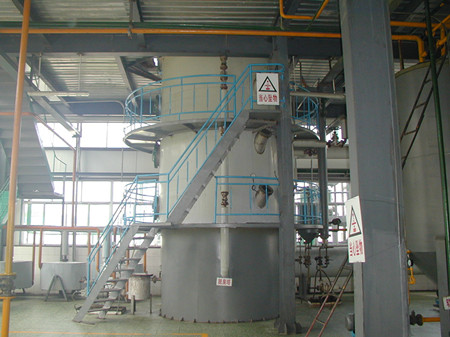
The visually guided process control interface combined with comprehensive operational manuals and troubleshooting tips empowers technical teams to optimize run times and reduce downtime. This level of operational transparency fosters a culture of continuous improvement and supports strict adherence to environmental sustainability policies.
 automated sesame oil production
PLC parameter optimization
industrial fault troubleshooting
preventive maintenance strategies
automation equipment management
Fully automatic sunflower oil production line
Sunflower oil production equipment
Grain and oil processing automation
Export grain and oil equipment
Food - grade oilseed production line
Modular rapeseed oil production line
Edible oil production line construction
Rapid production
Flexible capacity configuration
Standard operation manual
modular rapeseed oil production line
edible oil manufacturing solutions
rapid commissioning
flexible capacity configuration
international standard edible oil production
rice bran oil refining automation
bleaching and deodorization process
food safety in oil processing
critical control point management
automated oil purification technology
automated sesame oil production
PLC parameter optimization
industrial fault troubleshooting
preventive maintenance strategies
automation equipment management
Fully automatic sunflower oil production line
Sunflower oil production equipment
Grain and oil processing automation
Export grain and oil equipment
Food - grade oilseed production line
Modular rapeseed oil production line
Edible oil production line construction
Rapid production
Flexible capacity configuration
Standard operation manual
modular rapeseed oil production line
edible oil manufacturing solutions
rapid commissioning
flexible capacity configuration
international standard edible oil production
rice bran oil refining automation
bleaching and deodorization process
food safety in oil processing
critical control point management
automated oil purification technology


.png?x-oss-process=image/resize,h_100,m_lfit/format,webp)
.png?x-oss-process=image/resize,h_100,m_lfit/format,webp)
.png?x-oss-process=image/resize,h_100,m_lfit/format,webp)