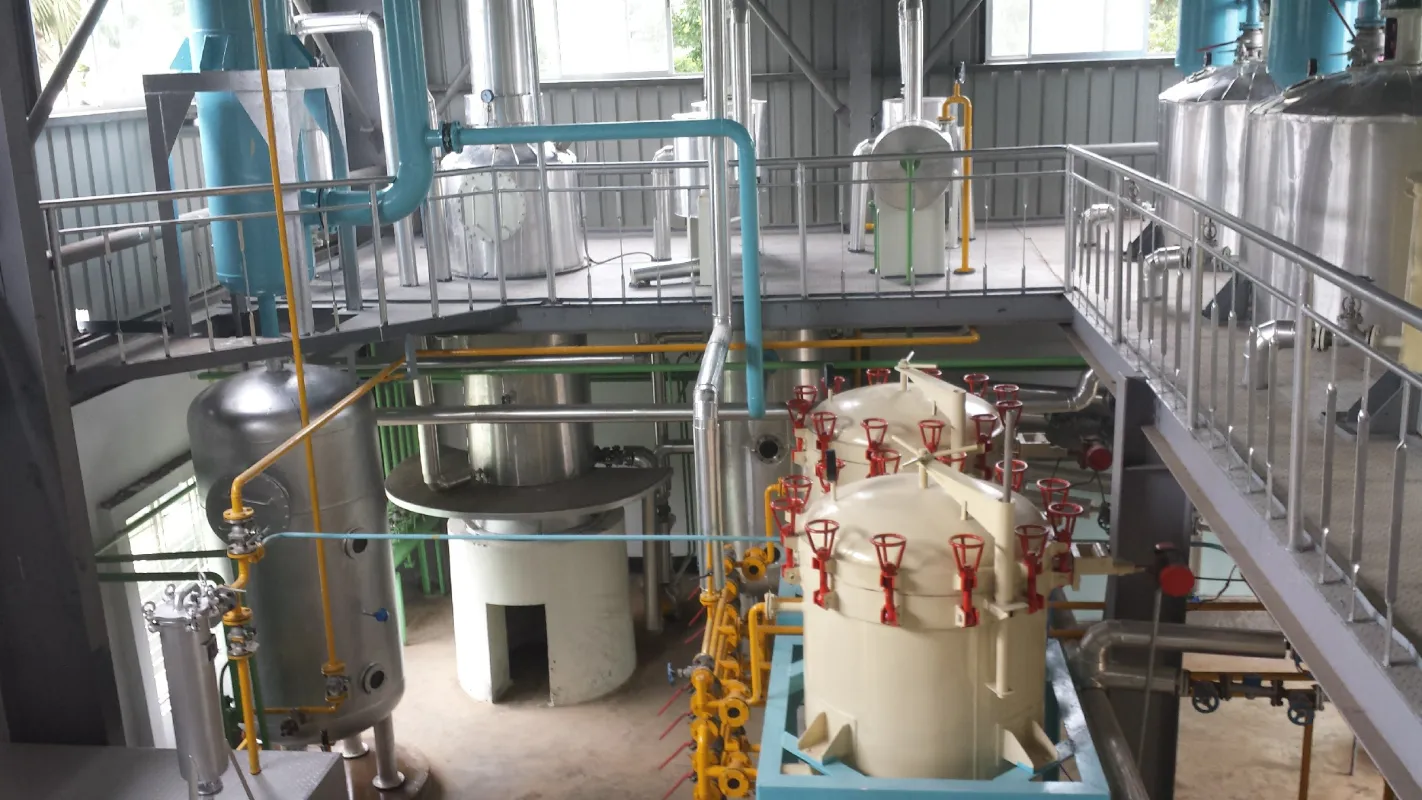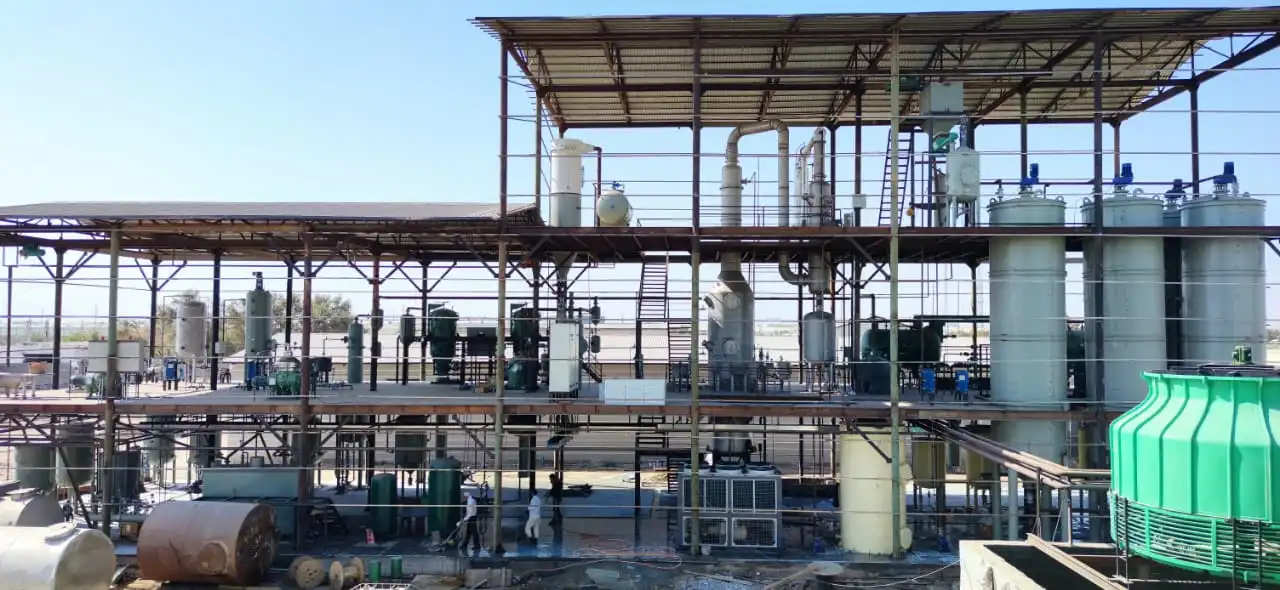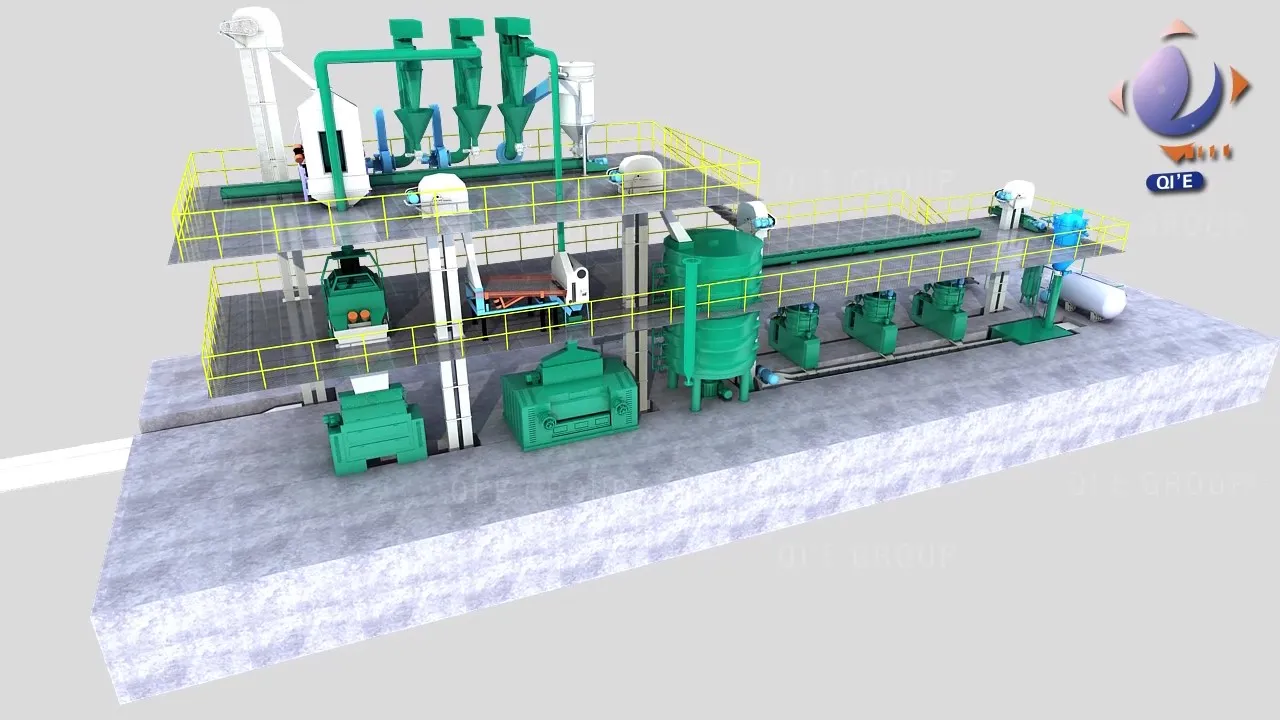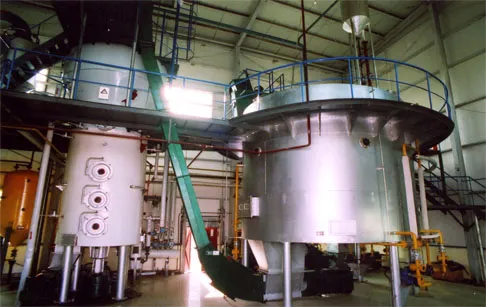
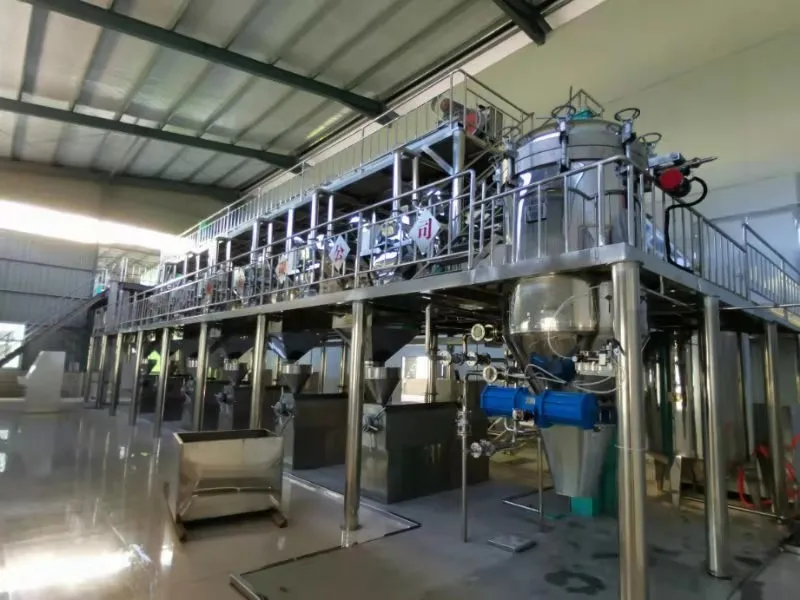
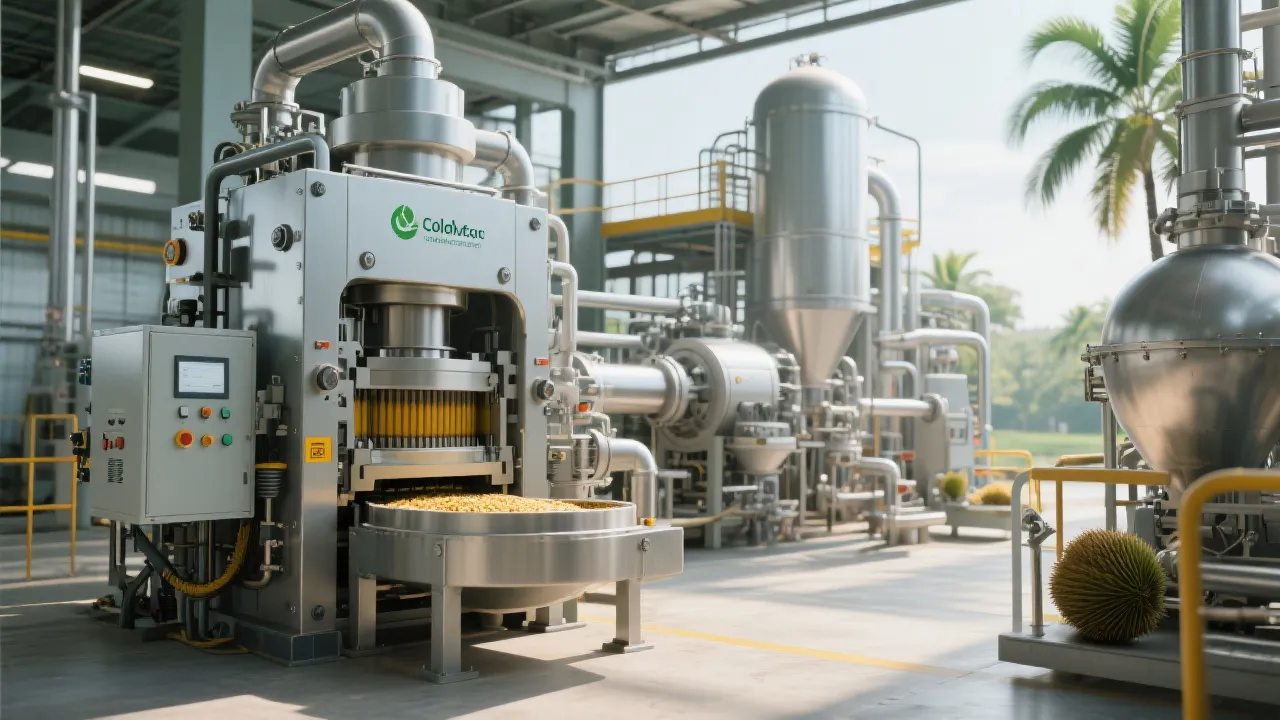
For edible oil manufacturers aiming to meet the stringent GB 2716 food safety standards, achieving consistent purity and quality is no longer just a goal—it’s a requirement. At QIE Group, we’ve engineered an automated refining system that transforms traditional batch processing into a precision-driven, data-backed operation—reducing human error by up to 40% and increasing yield stability by over 25% in real-world trials.
Modern rice bran oil refining isn’t about guesswork—it’s about control. Here's how our system ensures compliance with GB 2716 through five critical stages:
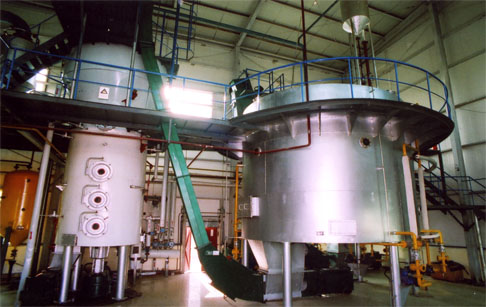
In today’s global market, buyers demand traceability and consistency—not just compliance. That’s why our systems integrate Key Control Points (CCP) monitoring at each stage. For example:
| Stage | Control Parameter | Target Range |
|---|---|---|
| De-acidification | Free Fatty Acid (FFA) | ≤ 0.1% |
| Deodorization | Tocopherol Retention | ≥ 85% |
| Final Output | Peroxide Value (PV) | ≤ 5 meq O₂/kg |
These metrics aren’t just numbers—they’re proof points for international buyers who audit suppliers against ISO 22000 and HACCP protocols.
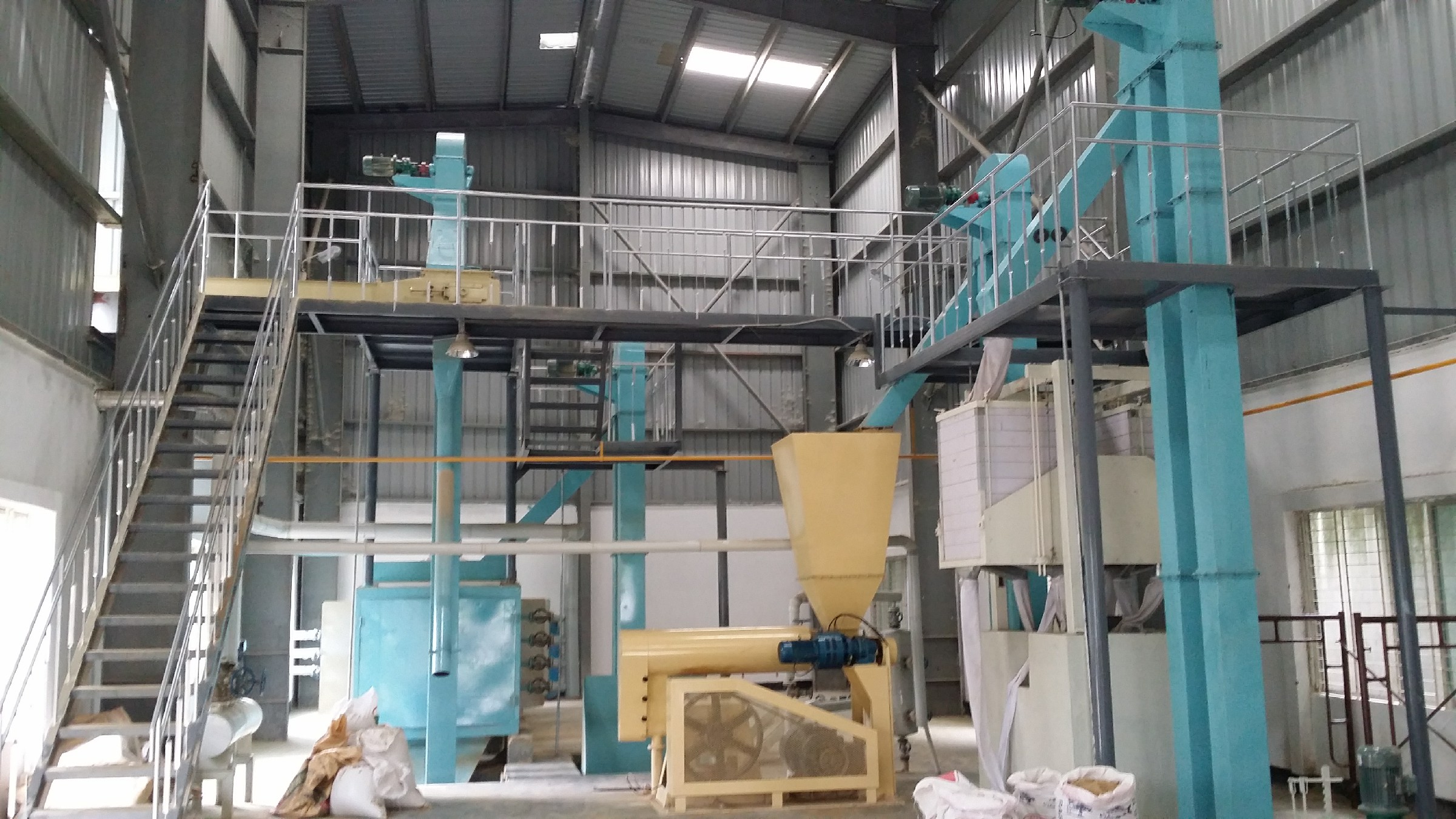
A leading Malaysian oil mill implemented QIE Group’s fully automated system in Q3 2023. Within six months:
What made the difference? Not just automation—but intelligent design built around real production challenges.
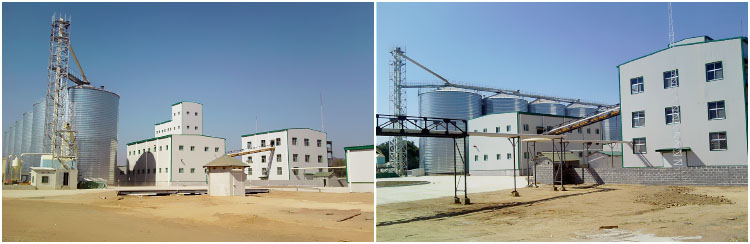
If you're ready to upgrade your rice bran oil refining process—from reactive to proactive—you don’t need more guesswork. You need smart technology that works as hard as your team does.
Get a free technical consultation + live demo of our automated rice bran oil refining line.
Explore the Future of Rice Bran Oil Refining → PLC automatic control system
edible oil production line
energy consumption reduction
fault troubleshooting
intelligent manufacturing
Automated sesame oil production line technology
Advantages of fully enclosed production systems
Environmental and energy-saving grain and oil equipment
Automatic control of sesame oil production lines
Energy-saving design of grain and oil machinery
Fully automatic sunflower oil production line
Sunflower oil production equipment
Grain and oil processing automation
Export grain and oil equipment
Food - grade oilseed production line
PLC control system
edible oil production line
motor synchronization fault
industrial automation troubleshooting
automated filling line optimization
automated rice bran oil processing
food safety standards in oil refining
critical control point management
energy-efficient oil refining equipment
consistent oil quality production
PLC automatic control system
edible oil production line
energy consumption reduction
fault troubleshooting
intelligent manufacturing
Automated sesame oil production line technology
Advantages of fully enclosed production systems
Environmental and energy-saving grain and oil equipment
Automatic control of sesame oil production lines
Energy-saving design of grain and oil machinery
Fully automatic sunflower oil production line
Sunflower oil production equipment
Grain and oil processing automation
Export grain and oil equipment
Food - grade oilseed production line
PLC control system
edible oil production line
motor synchronization fault
industrial automation troubleshooting
automated filling line optimization
automated rice bran oil processing
food safety standards in oil refining
critical control point management
energy-efficient oil refining equipment
consistent oil quality production







.png?x-oss-process=image/resize,h_100,m_lfit/format,webp)
.png?x-oss-process=image/resize,h_100,m_lfit/format,webp)
.png?x-oss-process=image/resize,h_100,m_lfit/format,webp)