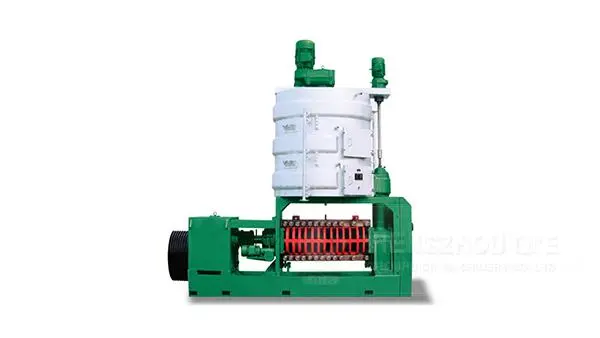
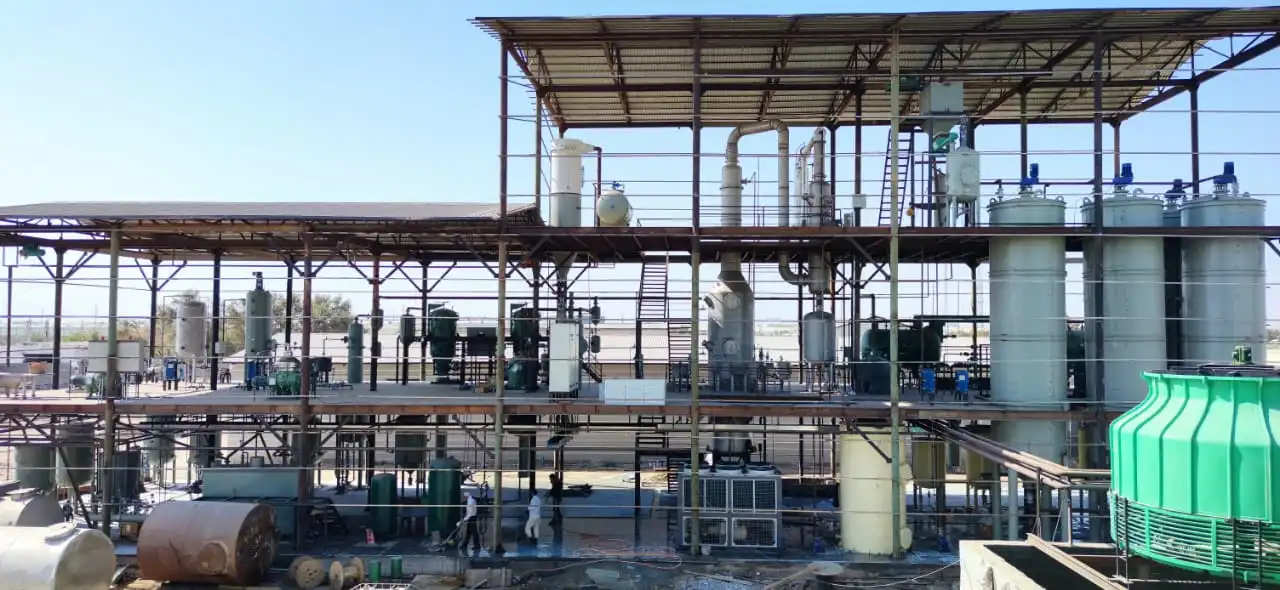
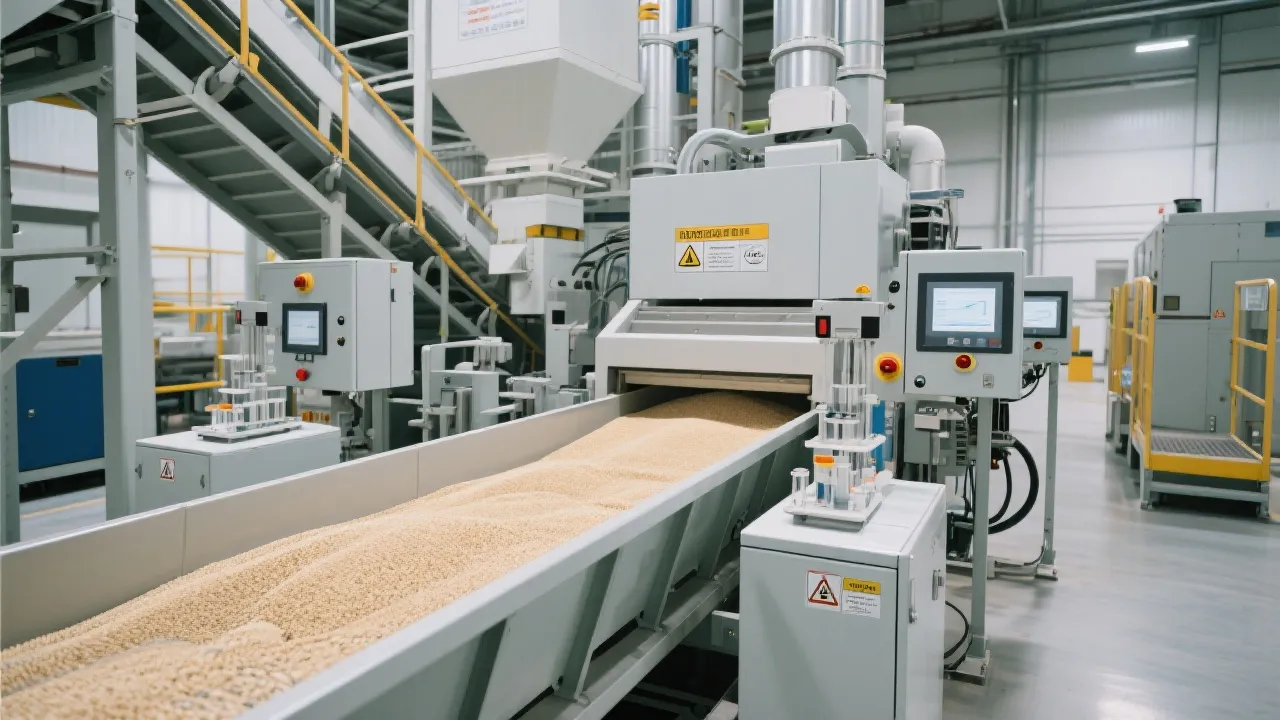
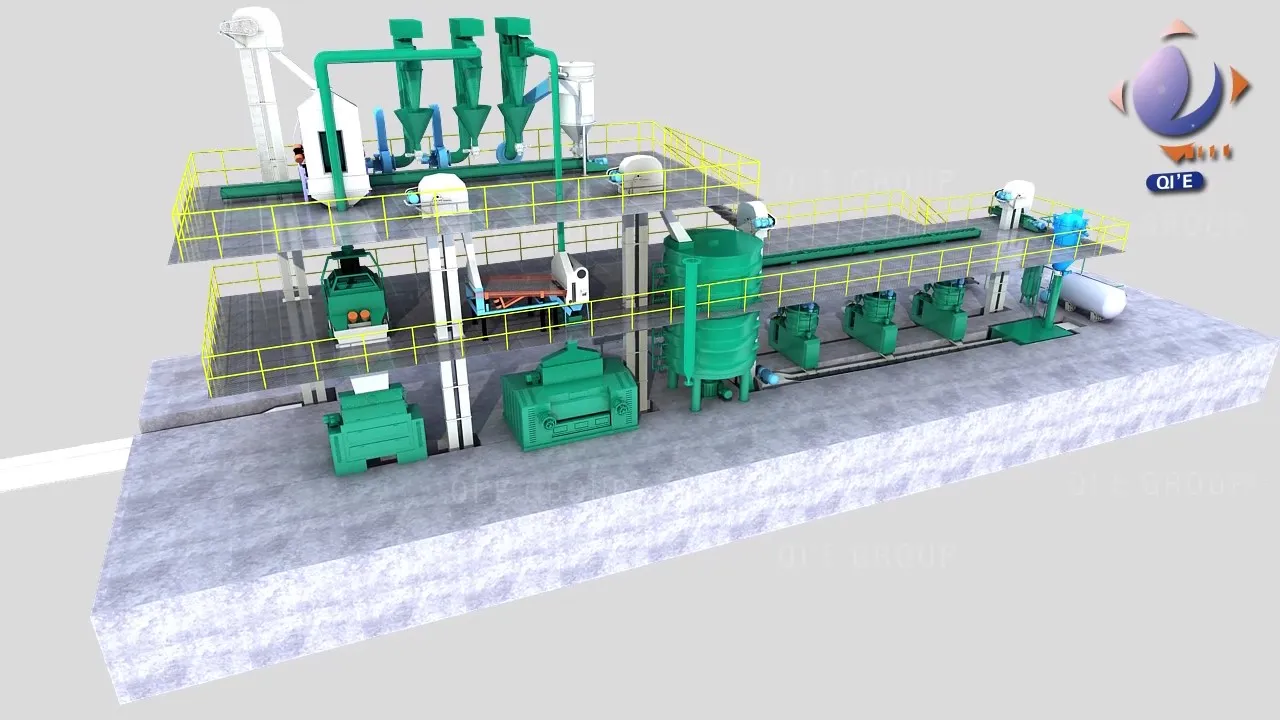
For food manufacturers seeking reliable, high-purity rice bran oil, manual processing introduces variability—leading to inconsistent quality, wasted raw materials, and compliance risks. At QIE Group, we’ve engineered an automated refining system that transforms traditional production into a precision-driven operation. Here's how it works—and why it matters for your business.
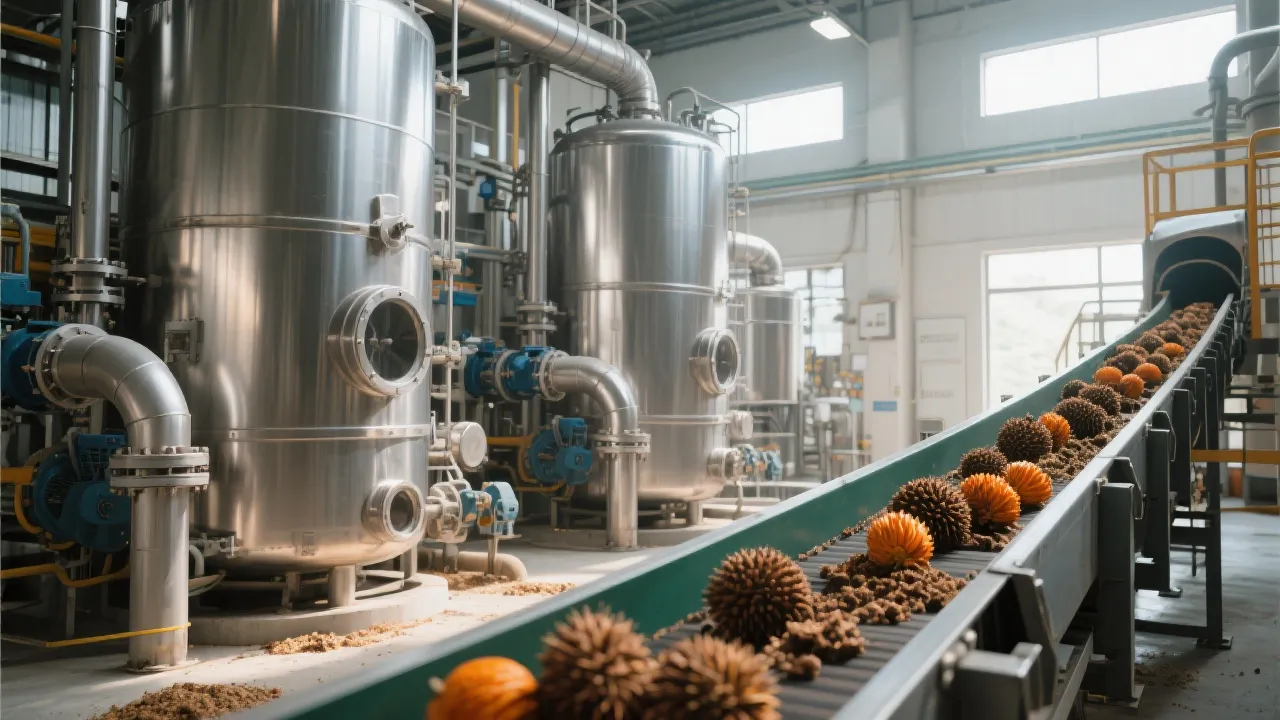
The journey from crude rice bran oil to refined edible oil involves five critical stages:
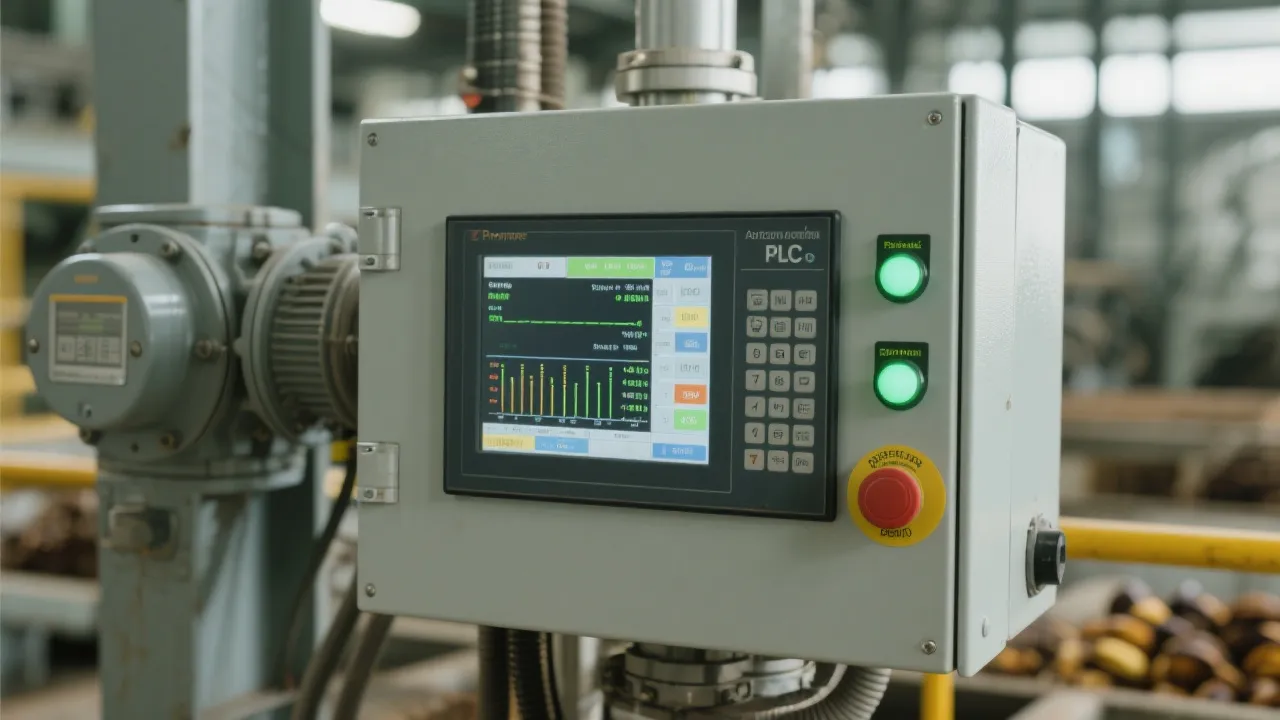
Each stage is monitored via inline FTIR and UV-Vis spectrometers, ensuring continuous compliance with ISO 22000 and FDA 21 CFR Part 178.3500. This level of automation cuts human error-related deviations by over 65%, according to our client case studies.
Implementing a robust Critical Control Point (CCP) framework isn’t optional—it’s essential for food safety certification. Our system integrates digital logs for every key parameter (temperature, pressure, flow rate, etc.), enabling traceability down to the batch level. In one instance, a European importer reduced product recalls by 80% within six months after adopting this approach.
Real-time alerts notify operators when parameters drift beyond set limits—preventing costly rework or non-compliance penalties. The result? A consistent final product that meets global standards like EU Regulation (EC) No 178/2002 and USDA Organic Guidelines.
We partnered with a mid-sized Indian producer who saw:
| Metric | Before Automation | After Implementation |
|---|---|---|
| Production Efficiency | ~12 tons/day | ~18 tons/day (+50%) |
| Oil Consistency (RBD Variance) | ±12% | ±3% |
| Labor Cost per Ton | $28 | $16 (-43%) |
These improvements aren't theoretical—they’re measurable outcomes from companies already running these systems daily.
Ready to future-proof your rice bran oil production? Discover how QIE Group’s fully automated refining solutions can reduce waste, boost consistency, and accelerate time-to-market—all while meeting international food safety expectations.
Explore Our Automated Refining Systems → PLC automatic control system
edible oil production line
energy consumption reduction
fault troubleshooting
intelligent manufacturing
PLC control system for edible oil production
automated edible oil processing line
PLC troubleshooting guide
industrial automation in food manufacturing
smart factory solutions
PLC control system
edible oil production line
motor synchronization fault
industrial automation troubleshooting
automated filling line optimization
PLC control system for edible oil production
automated oil processing line
industrial automation in food manufacturing
edible oil production efficiency optimization
PLC-based process control
sesame oil production automation
PLC parameter tuning
industrial control system troubleshooting
sensor calibration in food processing
automated yield optimization
PLC automatic control system
edible oil production line
energy consumption reduction
fault troubleshooting
intelligent manufacturing
PLC control system for edible oil production
automated edible oil processing line
PLC troubleshooting guide
industrial automation in food manufacturing
smart factory solutions
PLC control system
edible oil production line
motor synchronization fault
industrial automation troubleshooting
automated filling line optimization
PLC control system for edible oil production
automated oil processing line
industrial automation in food manufacturing
edible oil production efficiency optimization
PLC-based process control
sesame oil production automation
PLC parameter tuning
industrial control system troubleshooting
sensor calibration in food processing
automated yield optimization







.png?x-oss-process=image/resize,h_100,m_lfit/format,webp)
.png?x-oss-process=image/resize,h_100,m_lfit/format,webp)
.png?x-oss-process=image/resize,h_100,m_lfit/format,webp)