You’re not just running a machine—you’re managing a precision system where every sensor, actuator, and PLC parameter matters. Whether you're overseeing a small-scale oil mill or a high-volume production facility, understanding how your automated sesame oil line works—and what to do when it doesn’t—is critical for consistent output and uptime.
Start with the basics: your system includes a PLC (Programmable Logic Controller), HMI touchscreen interface, temperature/pressure sensors, and motorized valves or pumps. In real-world operation, these components must work in sync—like a well-rehearsed team. For example, if your drying zone temperature drops below 75°C (a common issue), the moisture content in sesame seeds increases by up to 12%, directly impacting oil yield.

Many operators overlook PID tuning—it’s often the root cause of inconsistent results. Take this case: a client in India reported frequent over-heating during pressing, causing oil degradation. After adjusting the proportional gain (Kp) from 1.2 to 0.8 and increasing integral time (Ti) from 3s to 5s, they reduced temperature variance from ±8°C to ±2°C—a 75% improvement in stability.
| Parameter | Default Value | Recommended Adjustment |
|---|---|---|
| PID Proportional Gain (Kp) | 1.2 | 0.7–0.9 |
| Integral Time (Ti) | 3s | 4–6s |
| Setpoint Offset for Pump Speed | ±5% | ±2% |
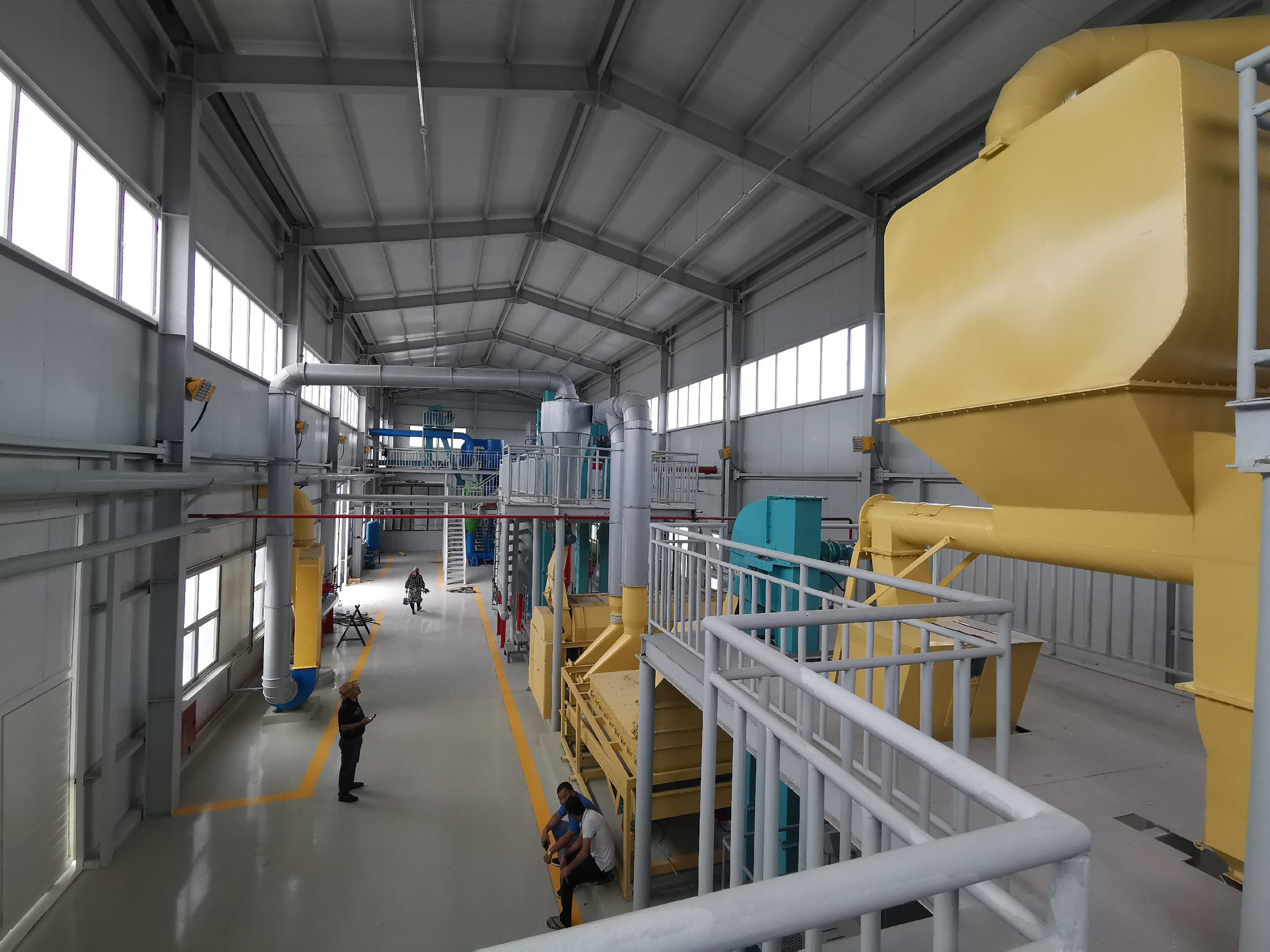
A proactive monthly checklist can reduce unplanned downtime by up to 40%. Include tasks like checking belt tension (should be 10–15 N/mm²), cleaning flow meters, and calibrating thermocouples against a reference probe. One factory in Nigeria saw a 30% drop in maintenance costs within six months after implementing such a plan.
“We used to wait until something broke—we now fix it before it fails.” — Ahmed Hassan, Plant Manager, Lagos Oil Co.
If you produce 100 kg/day, a basic control loop suffices. But at 1,000+ kg/day, consider adding redundancy in pressure sensors and integrating data logging via cloud-based SCADA. This allows remote diagnostics and predictive alerts—key for maintaining quality across shifts.
Ready to take control of your sesame oil automation? Download our complete Fault Diagnosis & Optimization Manual—used by over 200 factories worldwide—to boost equipment utilization by 30% or more.


.png?x-oss-process=image/resize,h_100,m_lfit/format,webp)
.png?x-oss-process=image/resize,h_100,m_lfit/format,webp)
.png?x-oss-process=image/resize,h_100,m_lfit/format,webp)