In the competitive landscape of edible oil processing, efficiency and quality are no longer optional—they're essential for survival. As global demand for sunflower oil continues to rise, processors face mounting pressure to optimize production while maintaining the highest standards of purity. The automated sunflower seed cleaning and dehulling technology has emerged as a game-changer in this scenario, revolutionizing traditional processing lines and delivering measurable operational improvements.
Traditional sunflower seed processing relied heavily on manual labor and basic mechanical separation, resulting in inconsistent quality, higher waste, and limited production capacity. A typical conventional line might process 800-1000 kg of seeds per hour with an impurity removal rate of 85-90% and hull separation efficiency of 75-80%. These limitations directly impacted downstream processes, leading to increased wear on equipment, lower oil yields, and variable product quality.
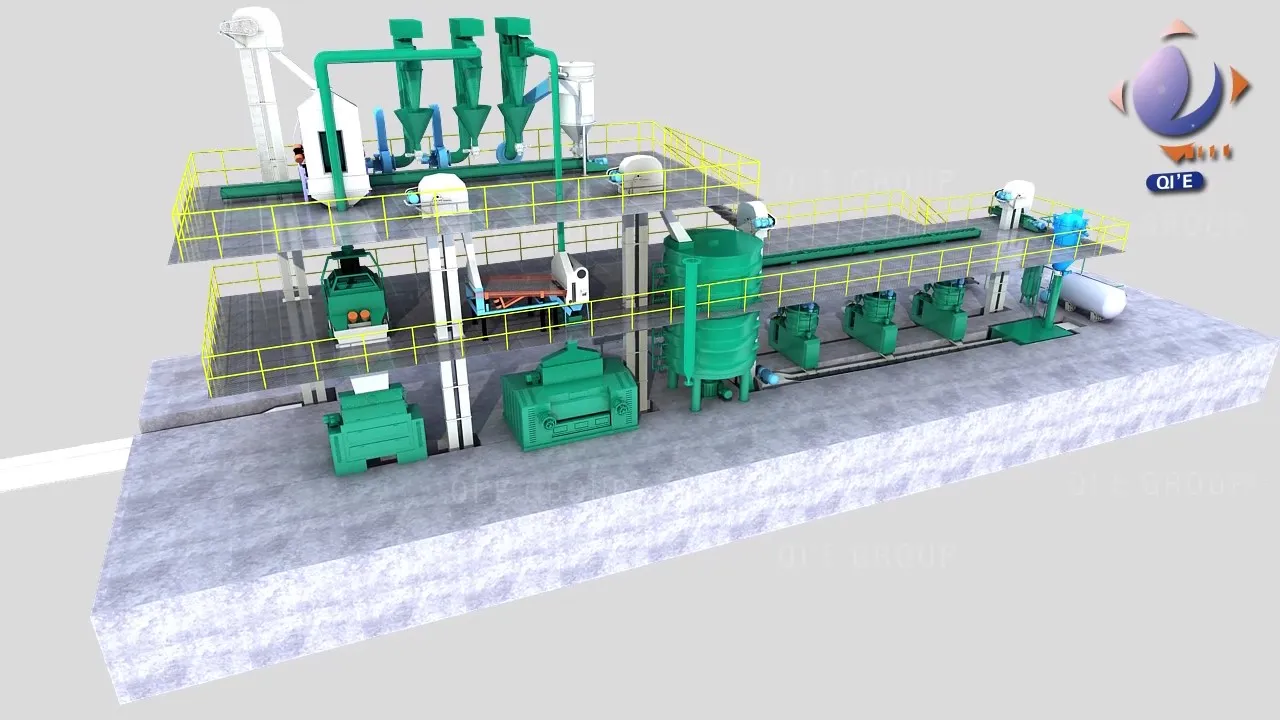
Today's automated systems, exemplified by Penguin Group's advanced processing lines, have transformed this landscape. Modern integrated systems can process 2000-3000 kg per hour with impurity removal rates exceeding 99.5% and hull separation efficiency reaching 98-99%. This quantum leap in performance didn't happen overnight—it's the result of precision engineering and intelligent system design working in harmony.
Industry Insight:
According to the International Association of Edible Oil Processors, facilities implementing advanced cleaning and dehulling automation report an average 35% increase in overall line efficiency and 2-3% higher oil yields compared to traditional methods.
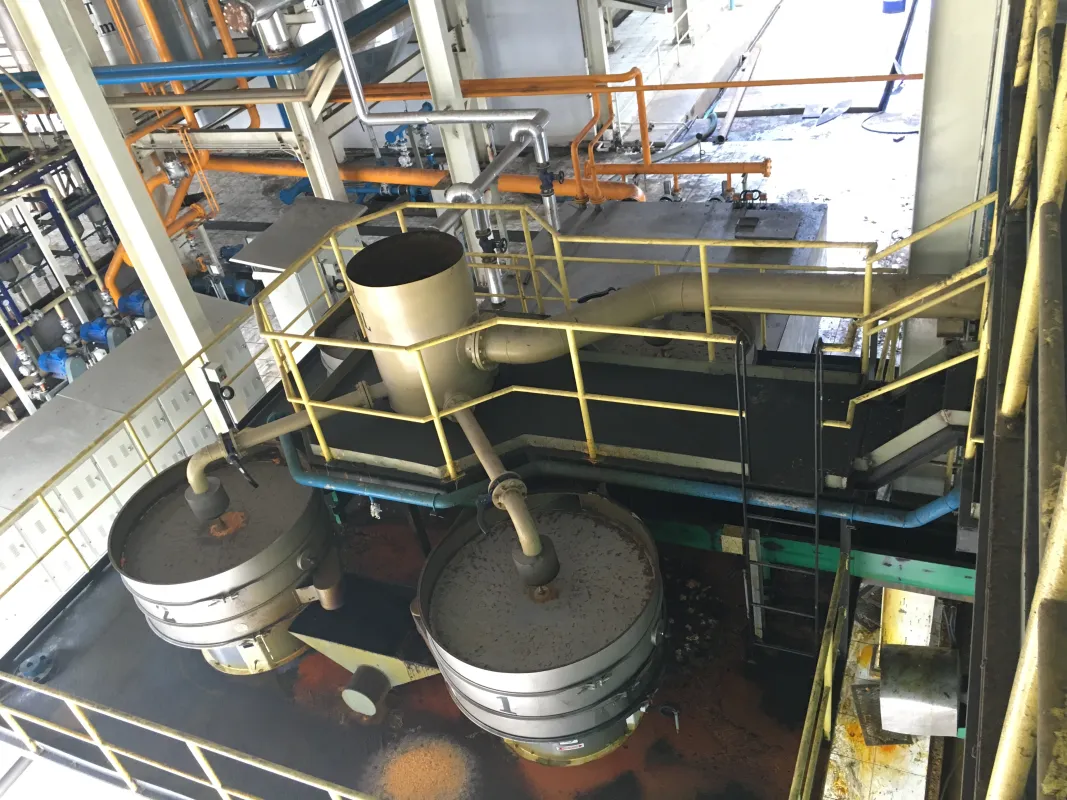
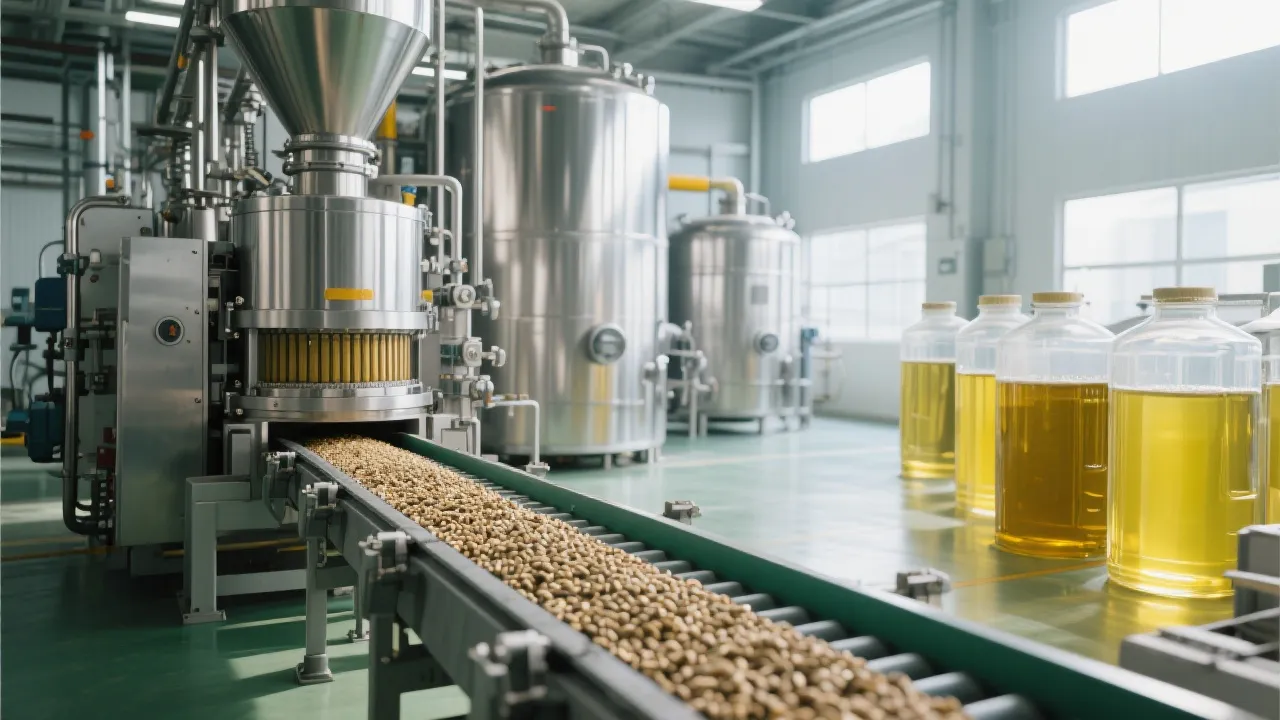
The process begins with a sophisticated material handling system that gently transports raw sunflower seeds while removing large impurities. Vibratory screens with precision-machined apertures separate stones, sticks, and other large debris with remarkable accuracy. This initial cleaning step is critical as it protects downstream equipment from damage and reduces wear, extending maintenance intervals by up to 40% in modern systems.
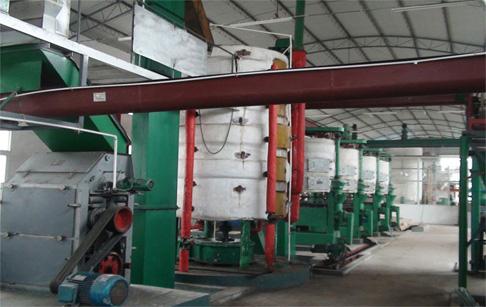
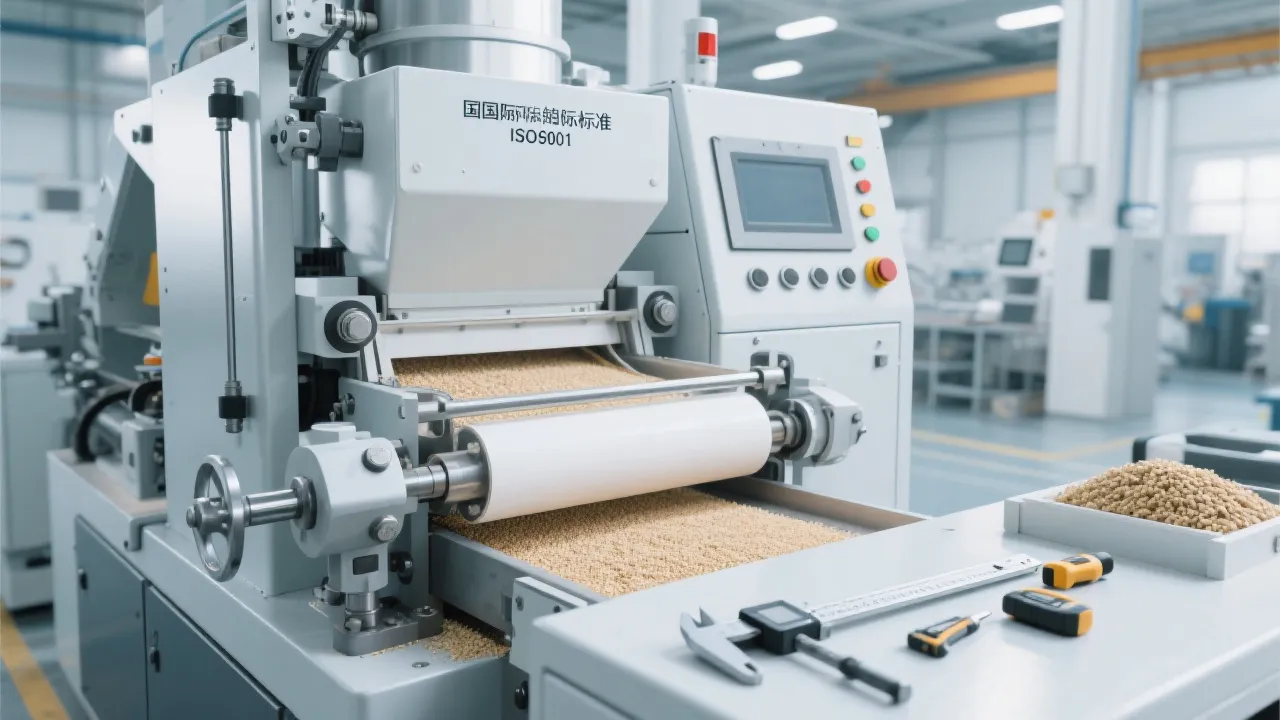
At the core of the automated line lies the precision dehulling unit—a marvel of engineering that uses controlled mechanical action to separate hulls from kernels without damaging the valuable seed. The system employs adjustable pressure settings and specialized rotor designs to accommodate different seed varieties and moisture levels. This adaptability ensures optimal dehulling efficiency regardless of varying input conditions, a challenge that plagued traditional fixed-setting equipment.
Modern dehulling modules achieve kernel recovery rates of 97-98%, significantly reducing waste compared to the 85-90% recovery typical of older systems. This translates directly to improved yield and profitability, with some operators reporting annual savings in raw material costs exceeding $150,000 for medium-sized facilities.
Post-dehulling, the separation process continues with advanced optical sorting technology that identifies and removes any remaining hull fragments, discolored kernels, or foreign materials. High-resolution cameras paired with AI-powered image analysis systems inspect each kernel at speeds up to 1000 per second, ensuring only the highest quality material proceeds to further processing.
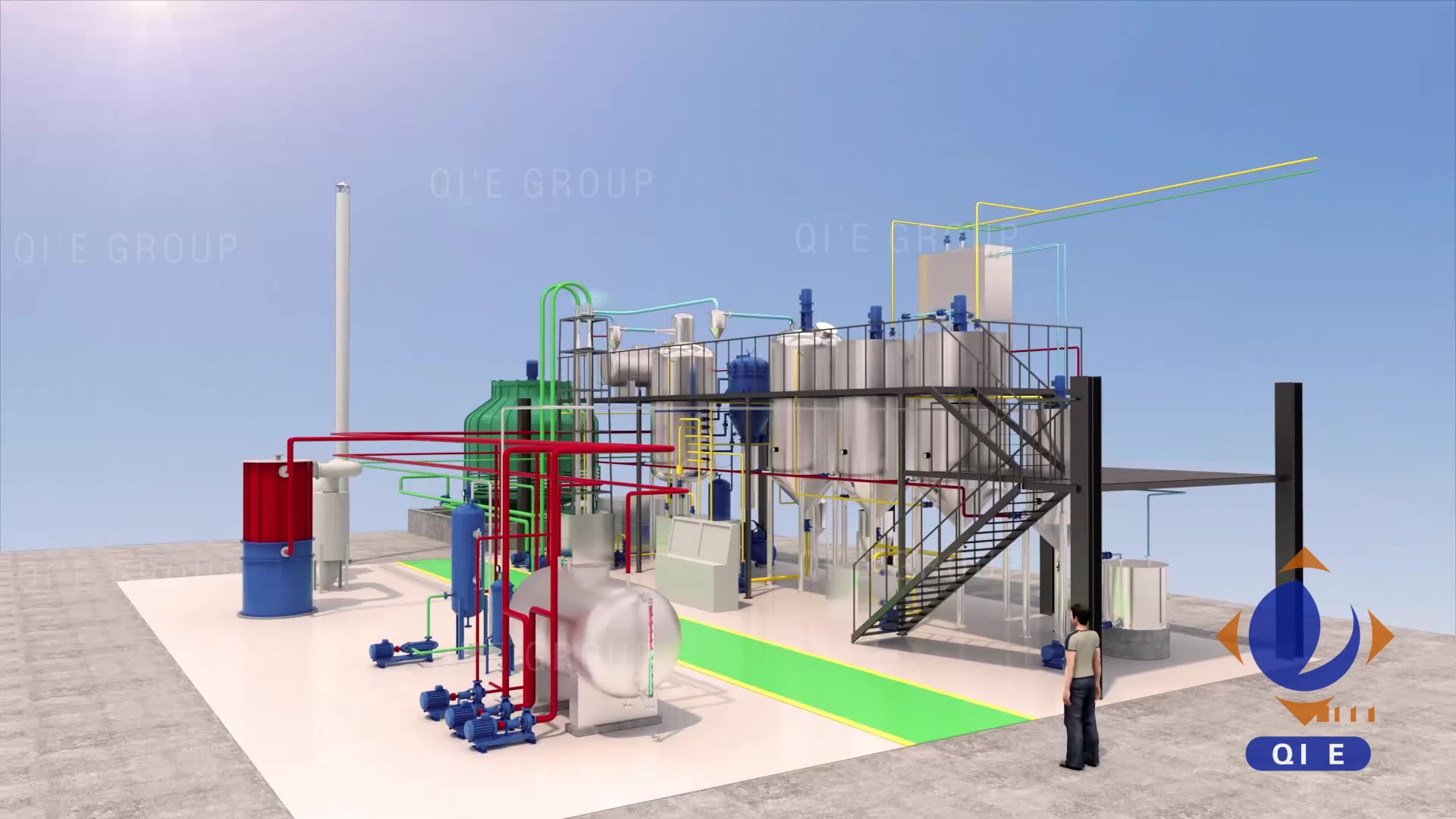
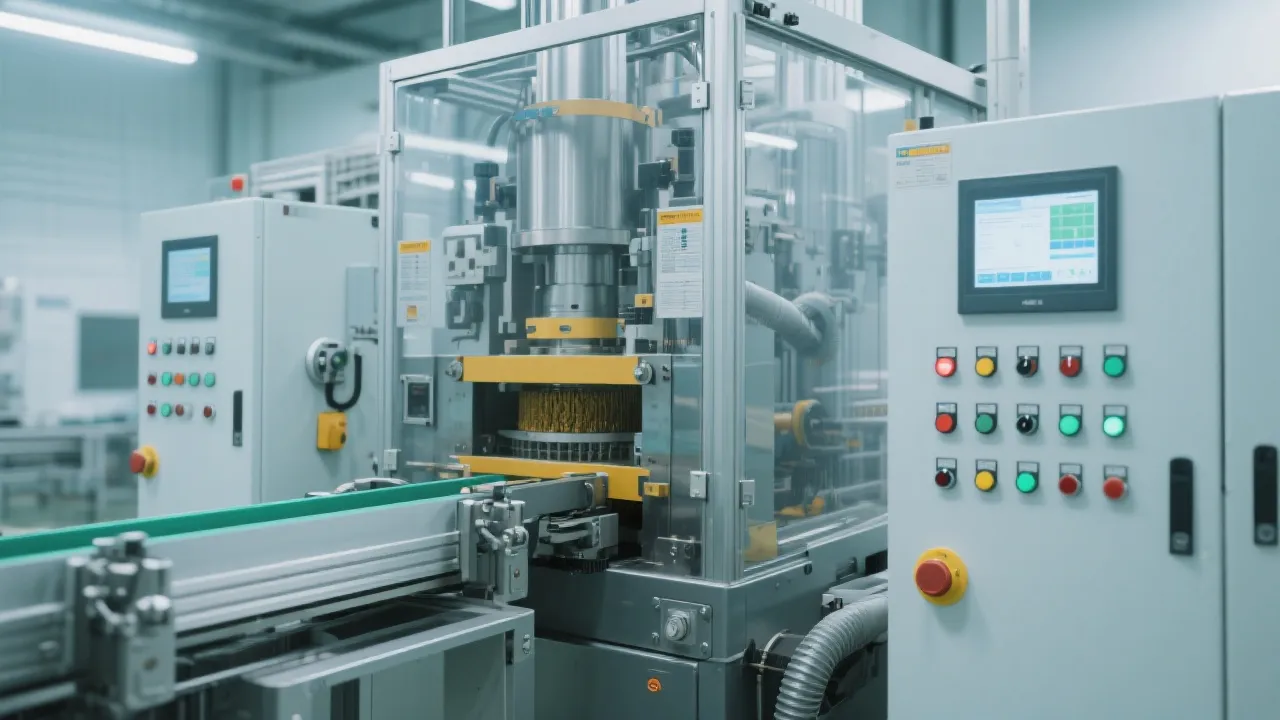
What truly sets modern systems apart is their intelligent control architecture. PLC-based control systems with user-friendly HMI interfaces allow operators to monitor and adjust every aspect of the process in real-time. These systems automatically optimize settings based on input conditions, maintain consistent product quality, and provide early warning of potential issues before they impact production.
Key parameters such as throughput, separation efficiency, and power consumption are continuously monitored and logged, providing valuable data for process optimization and compliance reporting. Predictive maintenance algorithms analyze equipment performance data to identify potential failures before they occur, reducing unplanned downtime by up to 35% in facilities that implement these advanced systems.
| Performance Metric | Traditional System | Automated System | Improvement |
|---|---|---|---|
| Processing Capacity (kg/hour) | 800-1000 | 2000-3000 | +150-200% |
| Impurity Removal Rate | 85-90% | 99.5%+ | +10-15% |
| Hull Separation Efficiency | 75-80% | 98-99% | +20-25% |
| Labor Requirement | 4-6 operators | 1-2 operators | -60-75% |
| Oil Yield Improvement | Baseline | +2-3% | +2-3% |
Beyond these direct metrics, automated cleaning and dehulling systems deliver additional operational benefits that positively impact the entire production chain. The consistent quality of processed seeds reduces variability in downstream processes such as pressing and refining, leading to more stable operation and higher overall line efficiency.
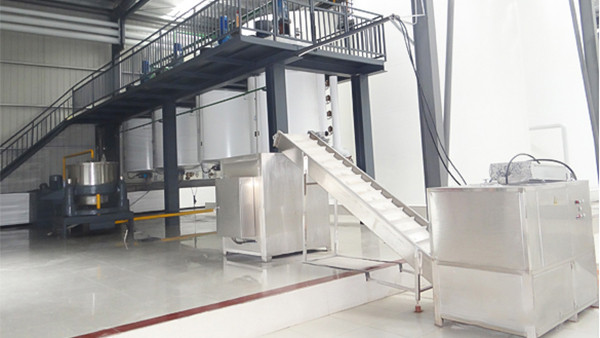
In a recent implementation at a mid-sized European oil processor, Penguin Group's automated cleaning and dehulling system delivered impressive results within the first six months of operation. The facility saw a 42% increase in processing capacity while reducing labor costs by 67%. Most notably, the consistent quality of the processed seeds led to a 2.8% increase in oil yield and a 15% reduction in refining losses, resulting in an estimated payback period of just 14 months.
Another success story comes from a large-scale processor in Ukraine, where the installation of an integrated system reduced energy consumption by 22% compared to their previous setup. The advanced control system's ability to adapt to varying seed conditions throughout the harvest season maintained consistent product quality despite fluctuations in incoming raw materials—an issue that had previously caused significant production challenges.
Discover how Penguin Group's automated cleaning and dehulling technology can elevate your production efficiency, improve product quality, and boost your bottom line.
Our team of process engineers will work with you to design a solution tailored to your specific production needs and goals.
As the edible oil industry continues to evolve, the adoption of advanced automation technologies is no longer a competitive advantage—it's becoming a necessity for those looking to remain viable in an increasingly challenging market. The automated sunflower seed cleaning and dehulling system represents one of the most impactful investments a processor can make, delivering benefits that extend throughout the entire production chain and directly to the bottom line.
By combining precision engineering, intelligent control systems, and advanced sorting technologies, modern processing lines are setting new standards for efficiency, quality, and sustainability. For forward-thinking operators, these systems offer a clear path to improved competitiveness and long-term success in the global edible oil market.
 modular rapeseed oil production line
edible oil production line construction
rapid commissioning
flexible capacity configuration
international food safety standards
automated rice bran oil refining
energy-efficient refining equipment
multi-stage filtration
degumming and deacidification
food safety standards
PLC control system
edible oil production line
motor synchronization fault
industrial automation troubleshooting
automated filling line optimization
rice bran oil refining automation
energy-efficient refining equipment
edible oil quality safety
critical control point management
online detection technology
rice bran oil production process
rice bran oil quality control
edible oil processing standards
rice bran oil refining technology
automated oil extraction equipment
modular rapeseed oil production line
edible oil production line construction
rapid commissioning
flexible capacity configuration
international food safety standards
automated rice bran oil refining
energy-efficient refining equipment
multi-stage filtration
degumming and deacidification
food safety standards
PLC control system
edible oil production line
motor synchronization fault
industrial automation troubleshooting
automated filling line optimization
rice bran oil refining automation
energy-efficient refining equipment
edible oil quality safety
critical control point management
online detection technology
rice bran oil production process
rice bran oil quality control
edible oil processing standards
rice bran oil refining technology
automated oil extraction equipment



.png?x-oss-process=image/resize,h_100,m_lfit/format,webp)
.png?x-oss-process=image/resize,h_100,m_lfit/format,webp)
.png?x-oss-process=image/resize,h_100,m_lfit/format,webp)