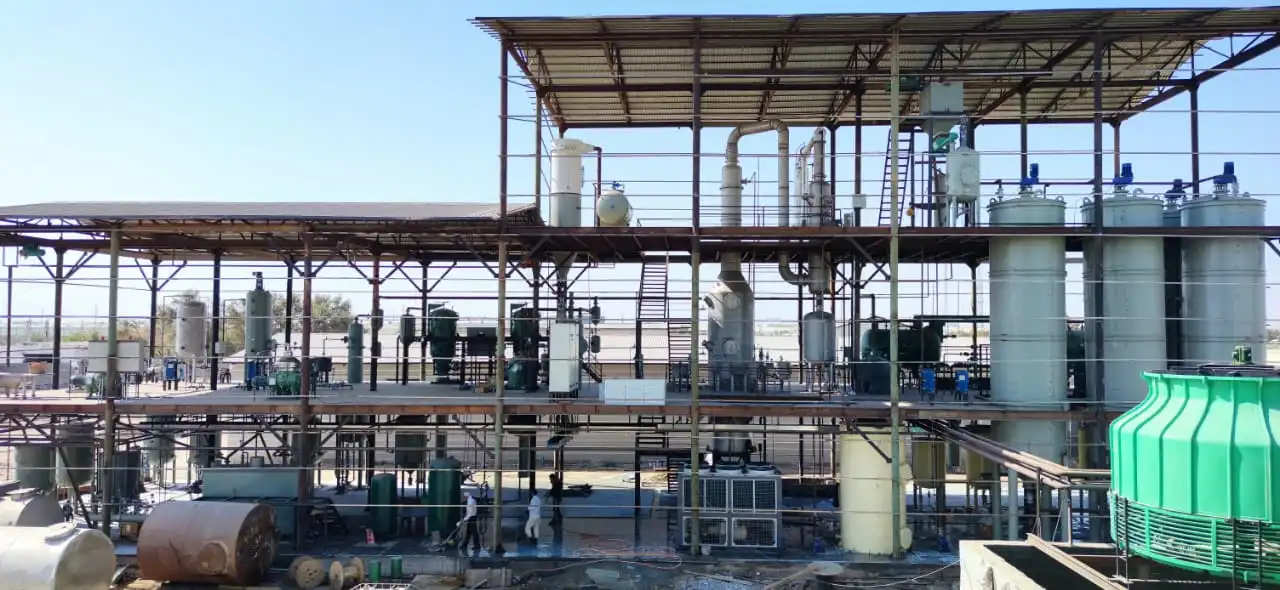
For B2B edible oil manufacturers in the international market, choosing the right rapeseed oil extraction process is crucial. It not only affects the yield and quality of the product but also has a significant impact on market competitiveness. This article will comprehensively compare the two mainstream rapeseed oil extraction processes: cold - pressing and solvent extraction.
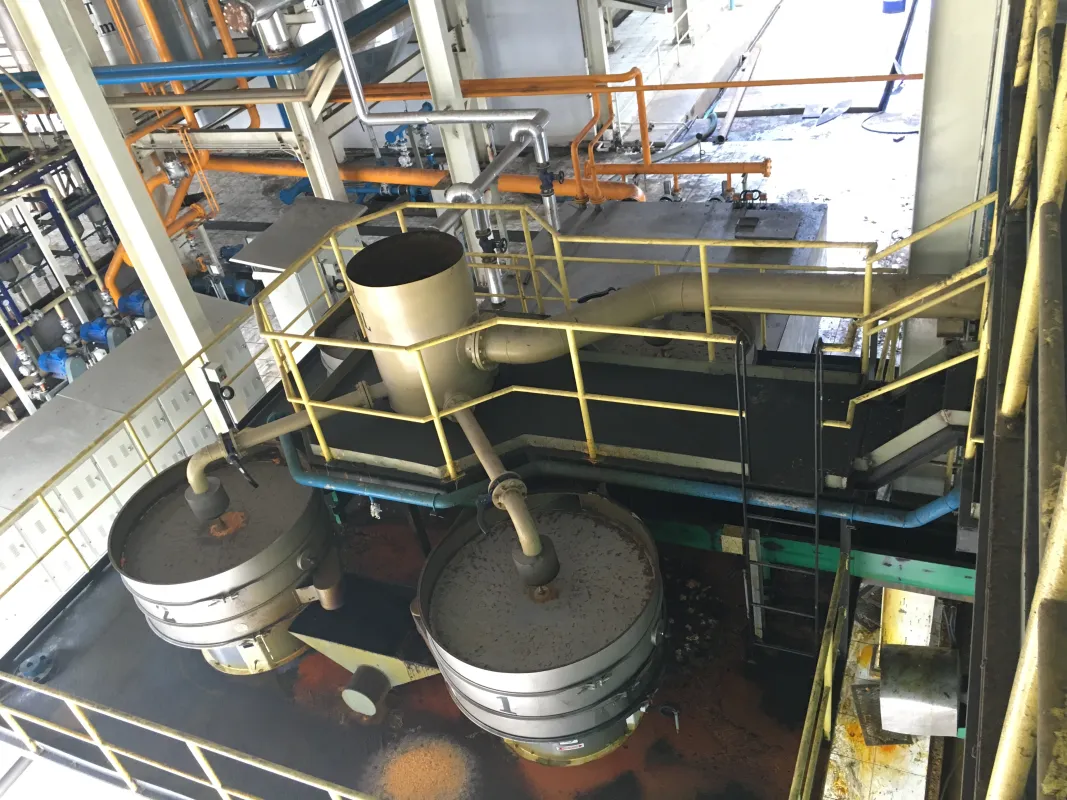
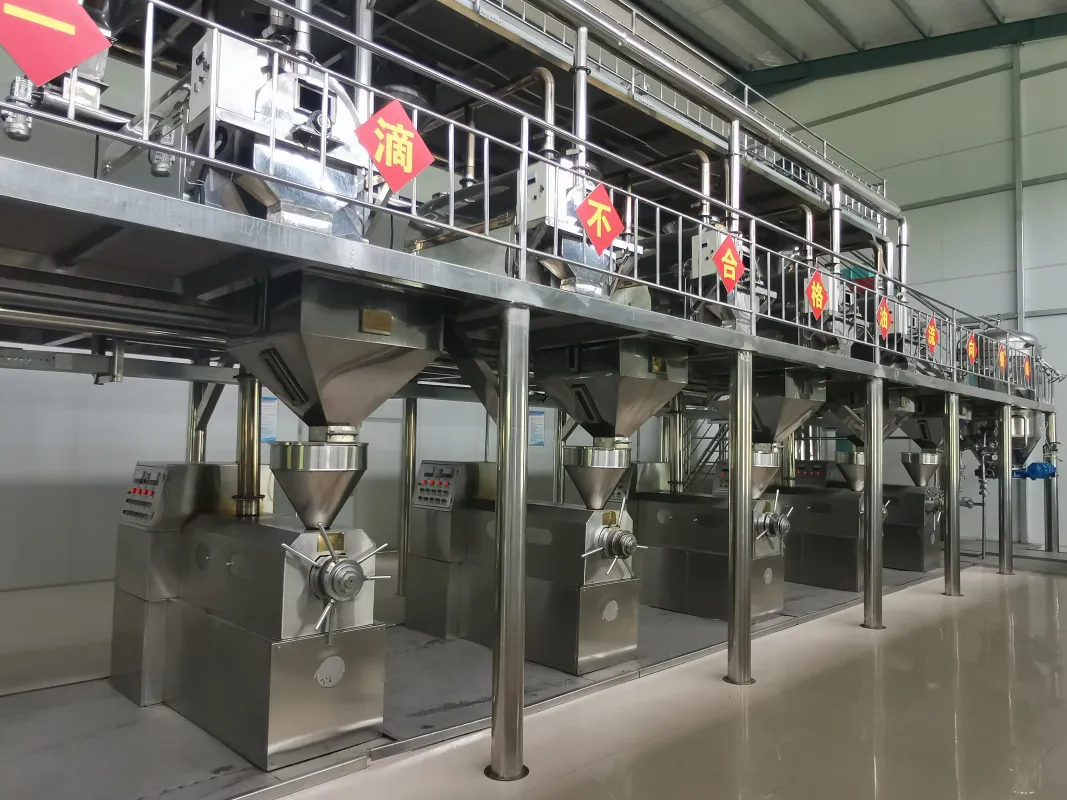
Cold - pressing is a mechanical extraction method that involves applying pressure to rapeseeds at low temperatures (usually below 60°C). This process preserves the natural nutrients and flavors of rapeseeds. According to data from the FAO, cold - pressed rapeseed oil retains up to 90% of the original vitamins and antioxidants in rapeseeds. In contrast, solvent extraction uses chemical solvents (such as hexane) to dissolve the oil from rapeseeds. This method has a higher oil yield, generally reaching 95% - 98%, but may result in some loss of nutrients.
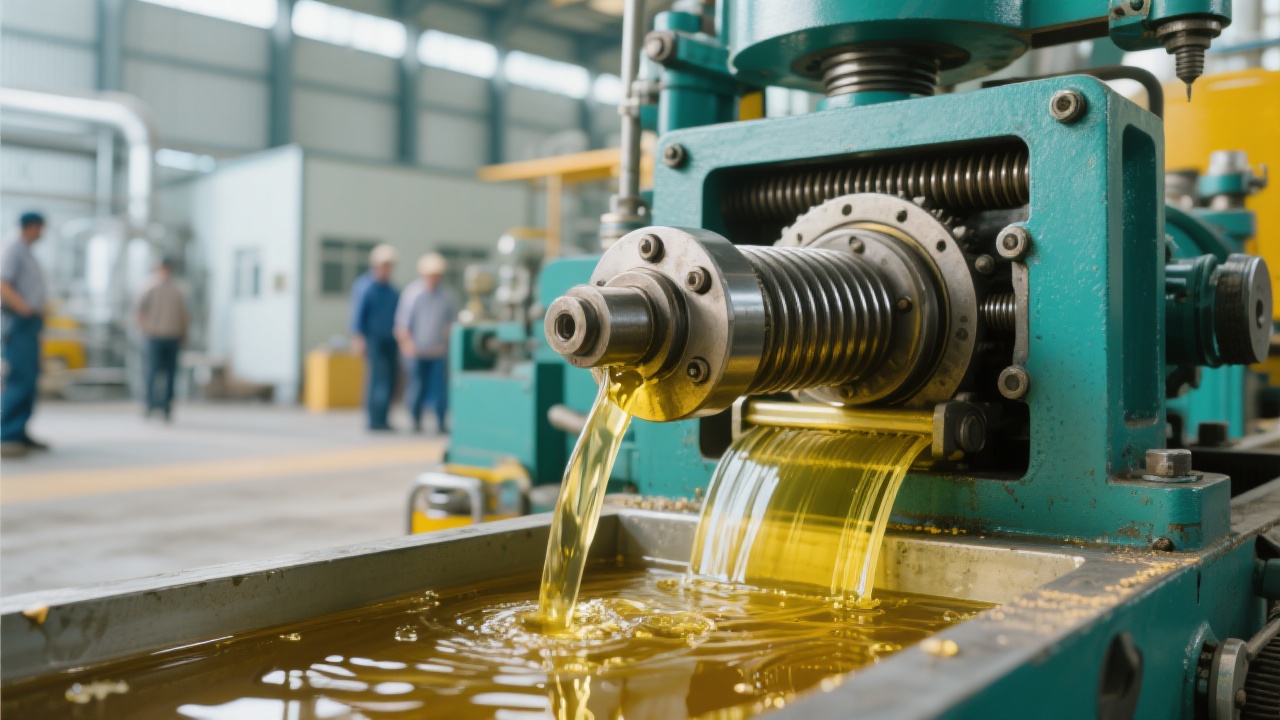
For small - scale production with a capacity of less than 10 tons per day, cold - pressing is the preferred choice. It is suitable for high - end, customized products targeting niche markets. For example, a small B2B edible oil manufacturer in Europe has been using cold - pressing to produce high - quality rapeseed oil for gourmet restaurants. Their products are well - received due to their excellent nutritional value and unique flavor. On the other hand, for large - scale industrial production with a capacity of over 100 tons per day, solvent extraction is more appropriate. It can meet the high - volume demand of the market and reduce production costs.
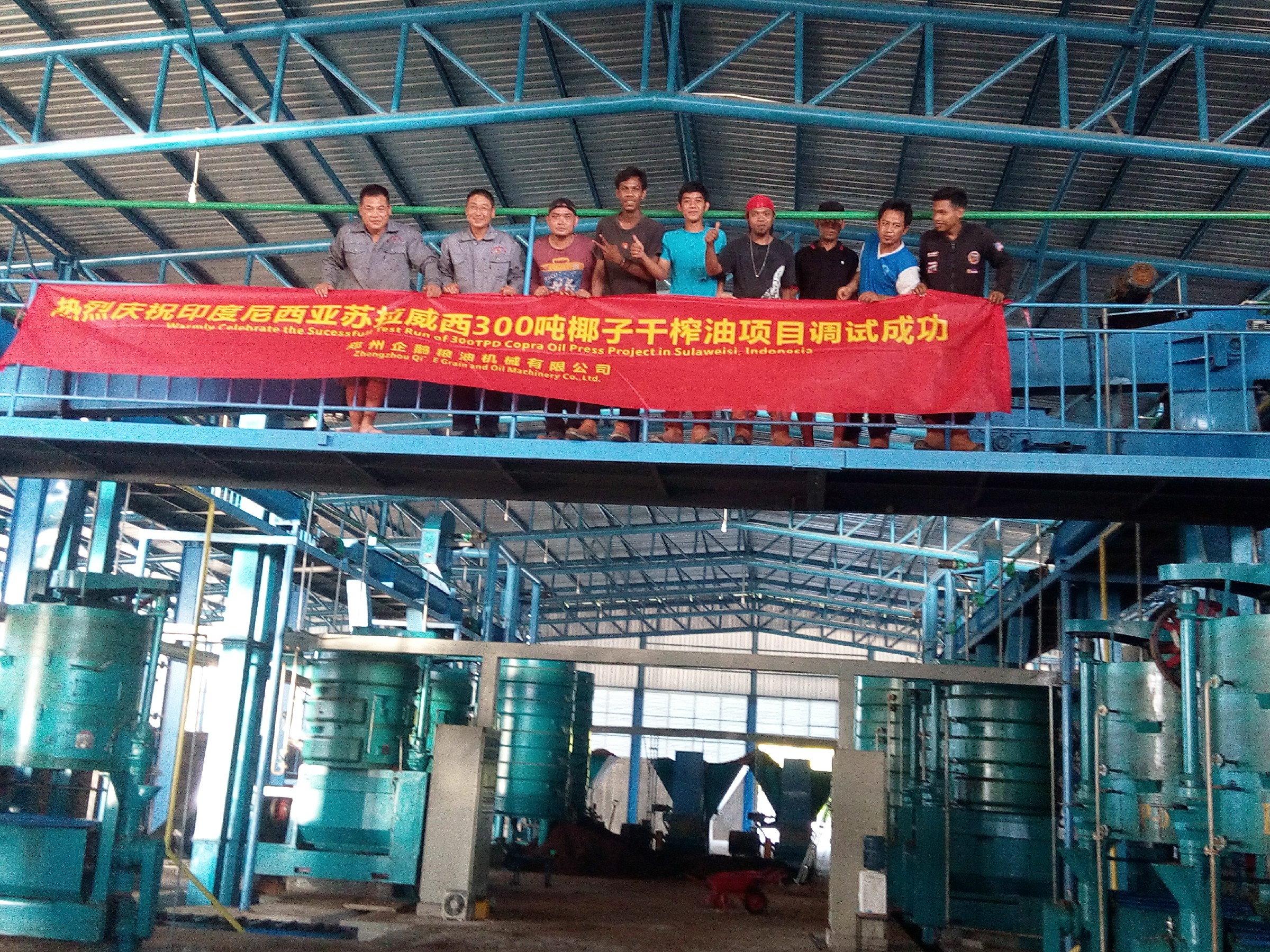
When it comes to international food - grade standards, both cold - pressing and solvent extraction need to meet strict requirements. For instance, in the EU, rapeseed oil must meet specific limits for pesticide residues, heavy metals, and other contaminants. In real - world projects, a large B2B edible oil manufacturer in North America adopted solvent extraction for its large - scale production. By strictly following international standards, they have successfully exported their products to multiple countries. Meanwhile, a small - scale manufacturer in Asia chose cold - pressing and has established a reputation for high - quality, organic rapeseed oil.
To make the right choice, manufacturers should consider several factors. First, assess the market demand. If there is a high demand for high - end, nutrient - rich products, cold - pressing may be a better option. Second, evaluate the production cost. Solvent extraction usually has lower production costs for large - scale production. Third, consider the equipment investment. Cold - pressing equipment is relatively simple and requires less investment for small - scale production, while solvent extraction equipment is more complex and expensive but can bring higher long - term returns for large - scale production.
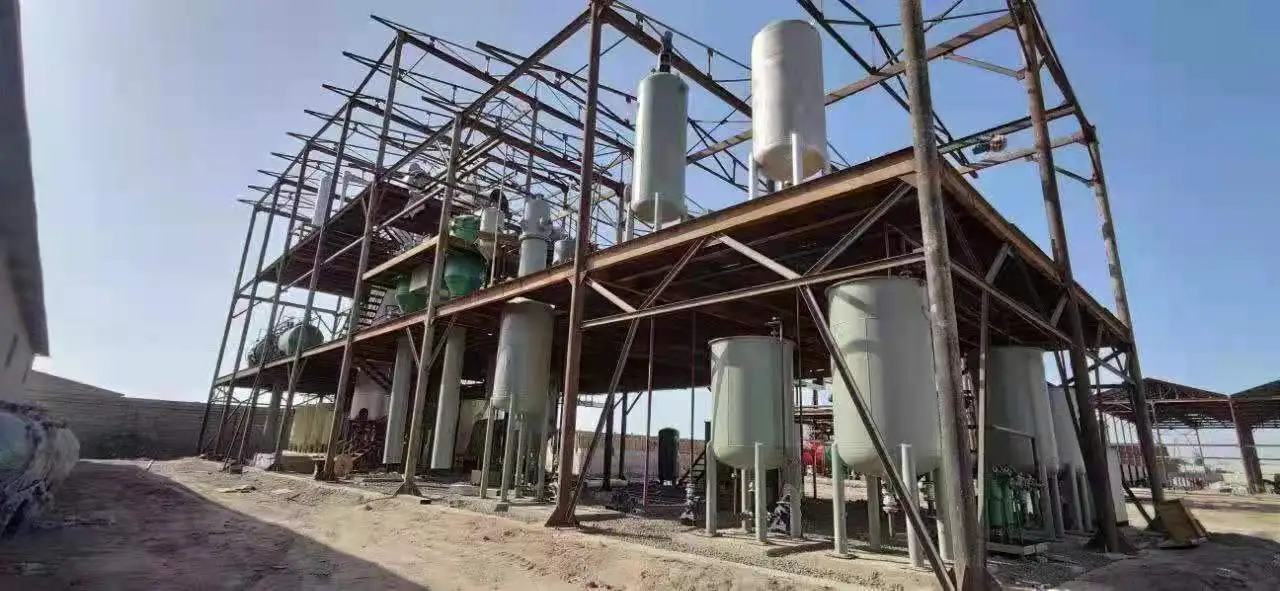
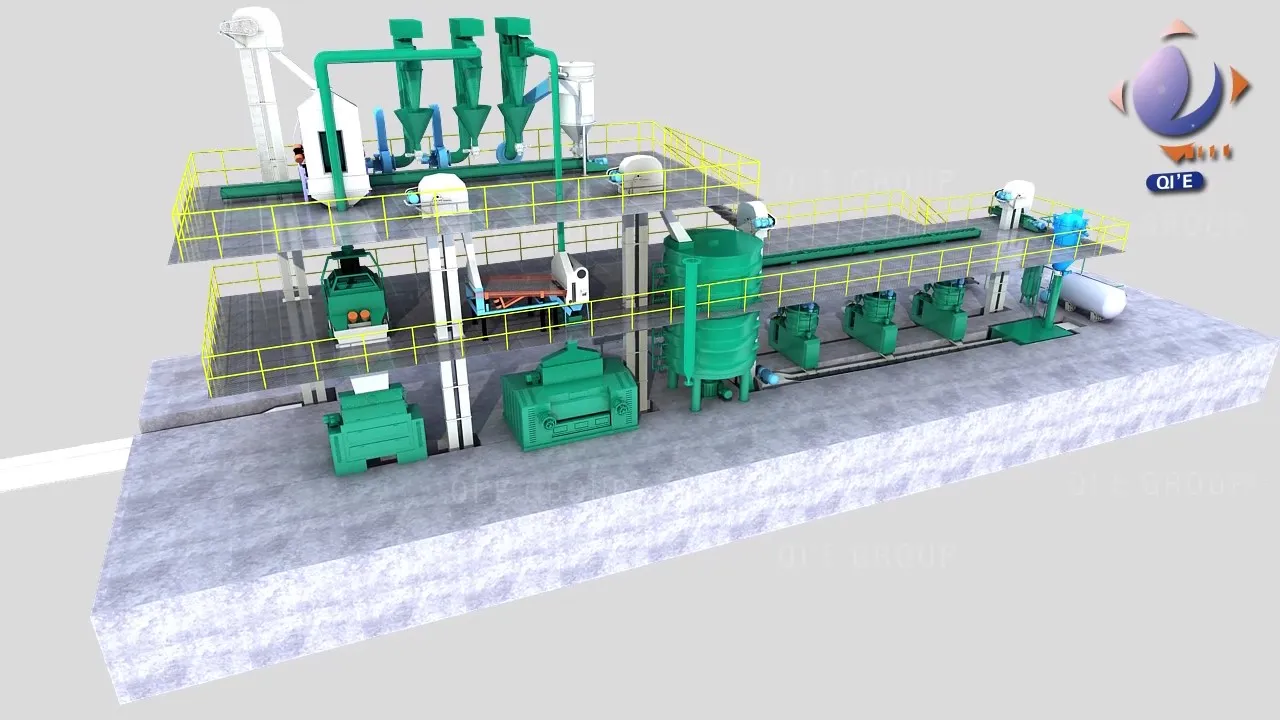
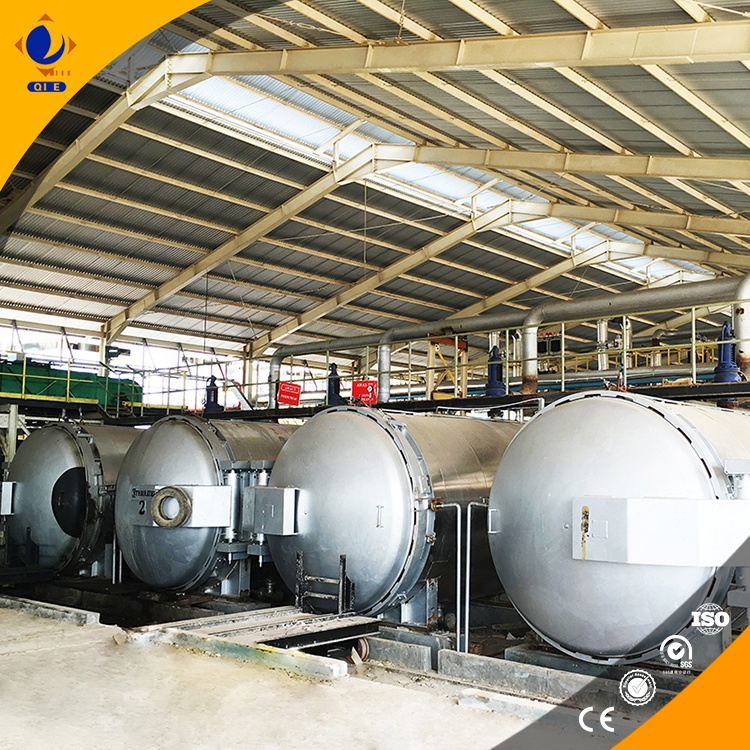
Modern rapeseed oil production requires efficient and stable equipment. A manufacturer's ability to integrate equipment can greatly enhance production efficiency. For example, advanced solvent extraction equipment can be integrated with automatic control systems, which can monitor and adjust the production process in real - time, ensuring stable product quality. Similarly, cold - pressing equipment can also be upgraded to improve the pressing efficiency and oil quality.
| Process | Oil Yield | Nutrient Retention | Production Cost | Suitable Production Scale |
|---|---|---|---|---|
| Cold - Pressing | 70% - 80% | High (up to 90%) | High for large - scale | Small - scale |
| Solvent Extraction | 95% - 98% | Low (about 70%) | Low for large - scale | Large - scale |
Are you still unsure which process is right for your rapeseed oil production? Feel free to share your production capacity and market requirements in the comments below, and we'll help you make a more informed decision.
To get a more detailed comparison and make a better - informed choice, click the button below to get the full process comparison PDF guide.


.png?x-oss-process=image/resize,h_100,m_lfit/format,webp)
.png?x-oss-process=image/resize,h_100,m_lfit/format,webp)
.png?x-oss-process=image/resize,h_100,m_lfit/format,webp)