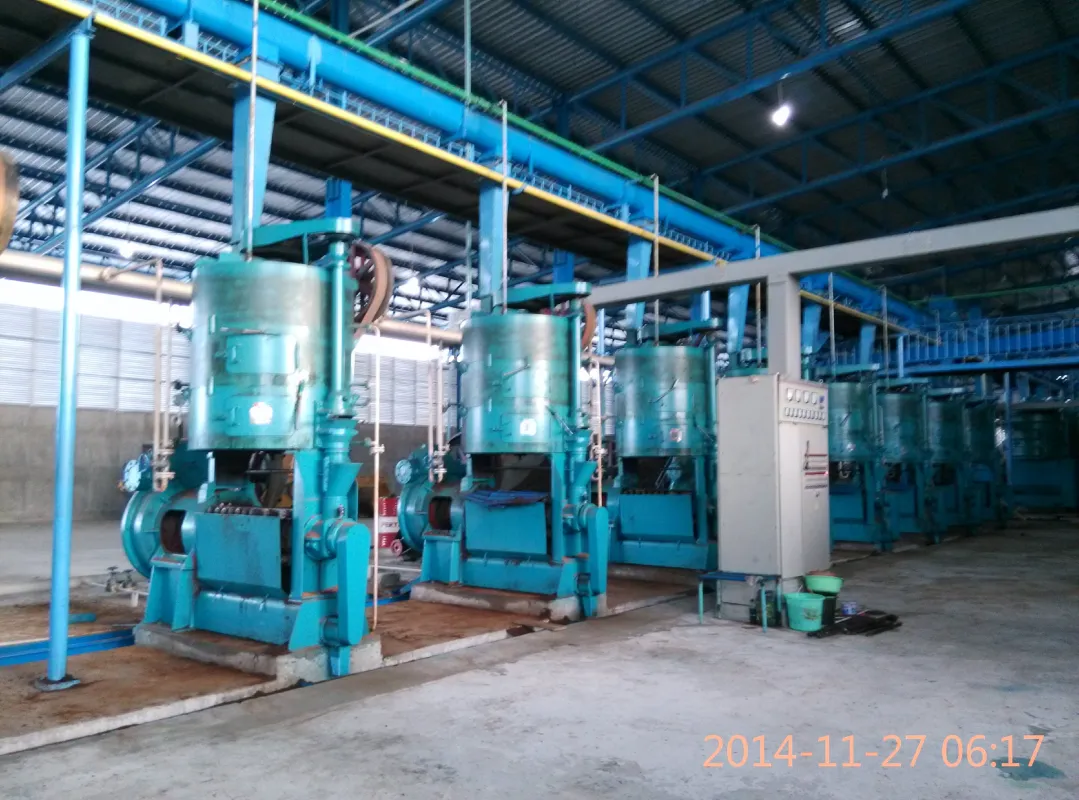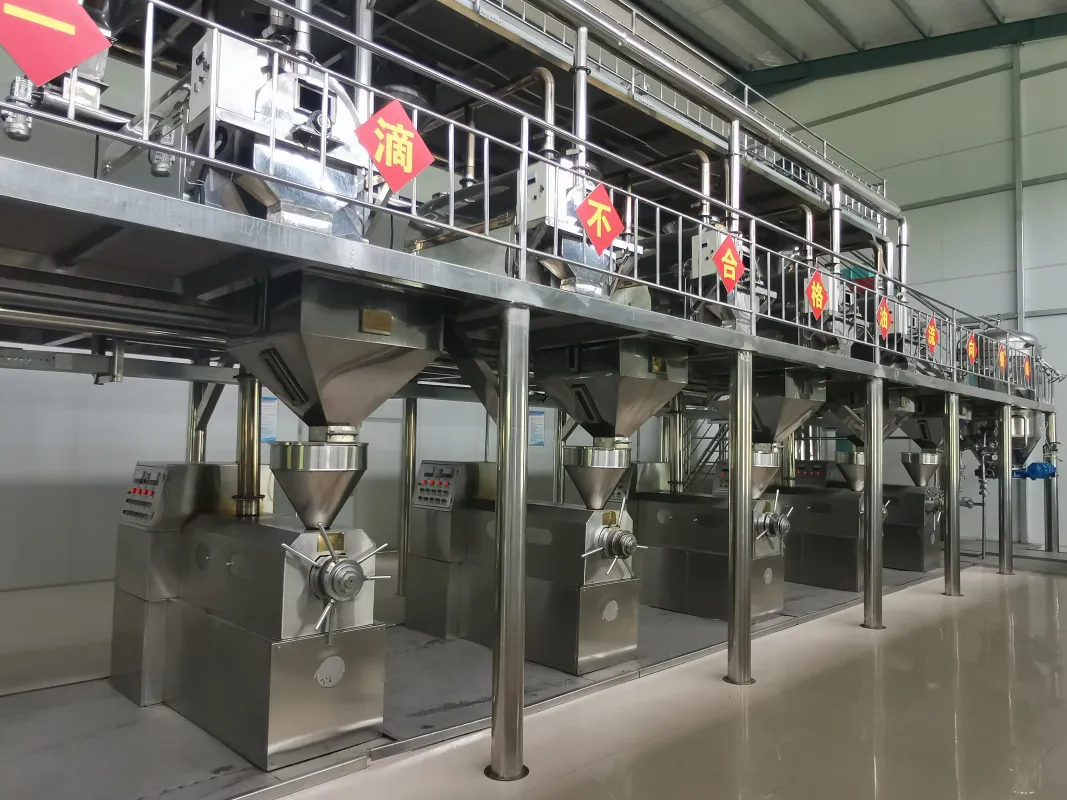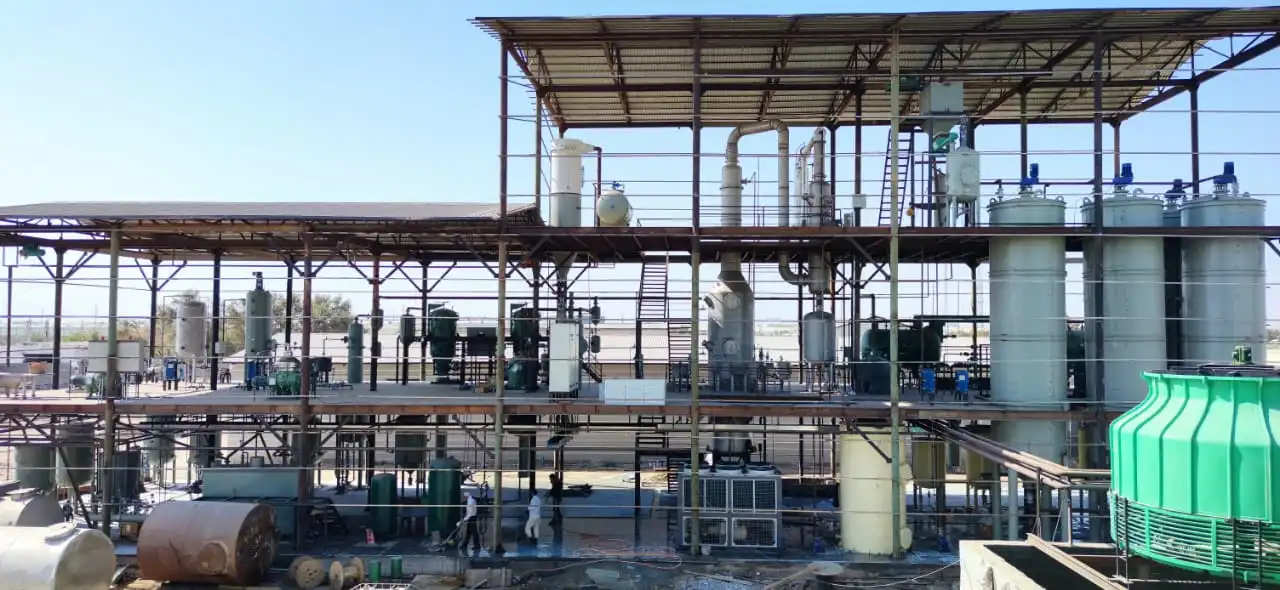
In the global B2B market of edible oil manufacturing, choosing the right rapeseed oil production process is crucial for manufacturers. It directly impacts the balance between high oil yield and nutrient retention. There are two main processes: cold pressing and solvent extraction.
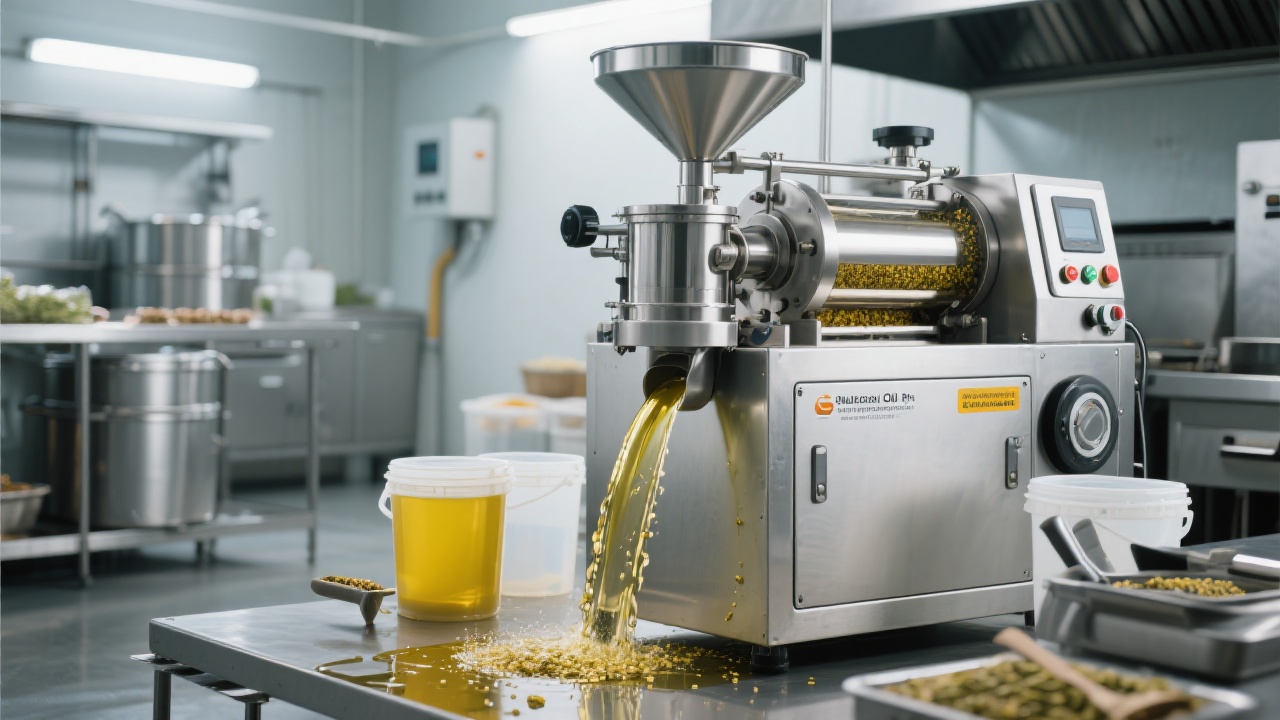
Cold pressing is a mechanical method that involves crushing rapeseeds at low temperatures, typically below 60°C. This low - temperature operation helps to preserve the natural nutrients in the rapeseed oil, such as vitamin E, phytosterols, and unsaturated fatty acids. According to industry research, cold - pressed rapeseed oil can retain up to 90% of these beneficial nutrients. However, the oil yield of cold pressing is relatively low, usually around 28% - 32%.
Solvent extraction uses chemical solvents, such as hexane, to extract oil from rapeseeds. This process can achieve a much higher oil yield, reaching 38% - 42%. The high - efficiency extraction is due to the ability of the solvent to dissolve the oil from the rapeseeds thoroughly. But during the process, some nutrients may be lost due to the use of chemicals and higher temperatures in the subsequent refining steps. It is estimated that solvent - extracted rapeseed oil may retain only about 70% - 75% of the original nutrients.
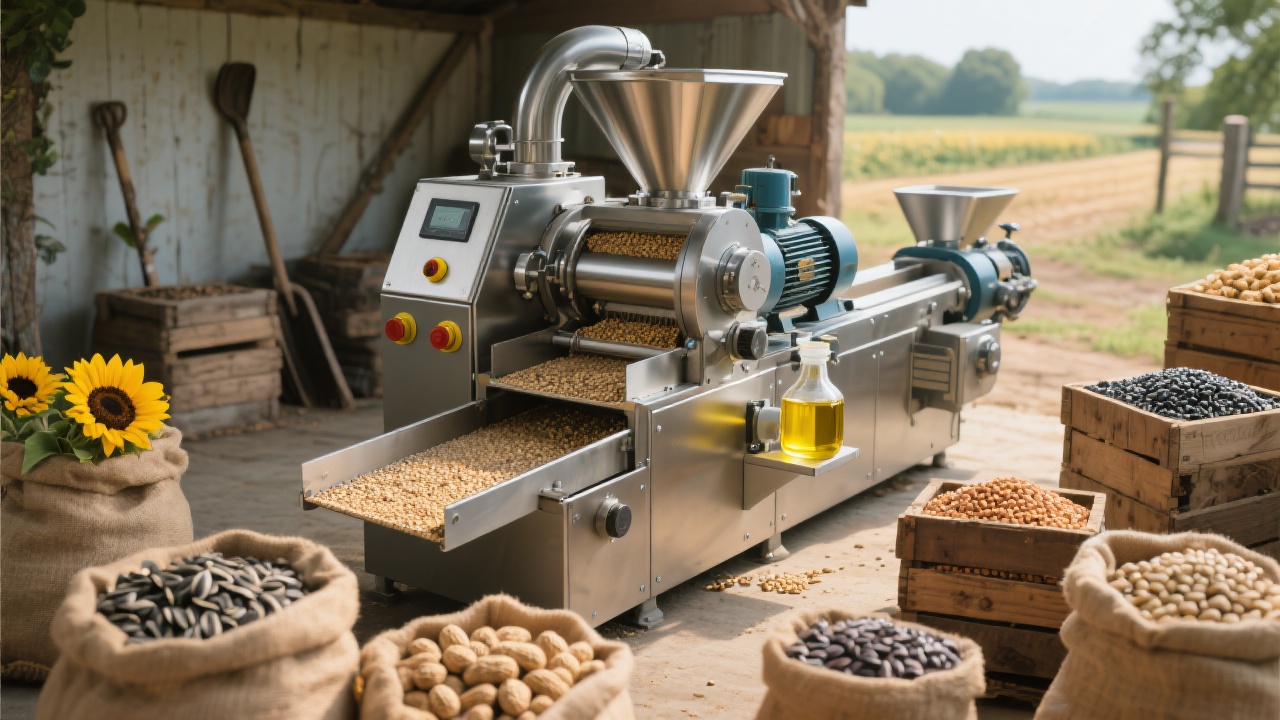
To better understand the differences between the two processes, a multi - dimensional comparison is presented in the following table:
| Parameters | Cold Pressing | Solvent Extraction |
|---|---|---|
| Oil Yield | 28% - 32% | 38% - 42% |
| Nutrient Retention | Up to 90% | 70% - 75% |
| Energy Consumption | Relatively low | Relatively high |
| Equipment Complexity | Simple | Complex |
| Product Quality | High - quality, natural flavor | May require more refining |
For small and medium - scale B2B edible oil manufacturers, cold pressing is often a better choice. The simple equipment and relatively low energy consumption reduce the initial investment and operating costs. Moreover, the high - quality, nutrient - rich oil produced can target high - end markets, such as health - conscious consumers or gourmet food producers. For example, a small - scale rapeseed oil manufacturer in France adopted the cold - pressing process and successfully entered the local organic food market, achieving stable profits within a short period.
In large - scale industrial production, solvent extraction is more suitable. The high oil yield can meet the large - volume market demand. Although there are some nutrient losses, advanced refining technologies can be used to improve the product quality. A large - scale edible oil company in China increased its production capacity by 50% after switching to the solvent extraction process, while still maintaining a good market share by optimizing the refining process.
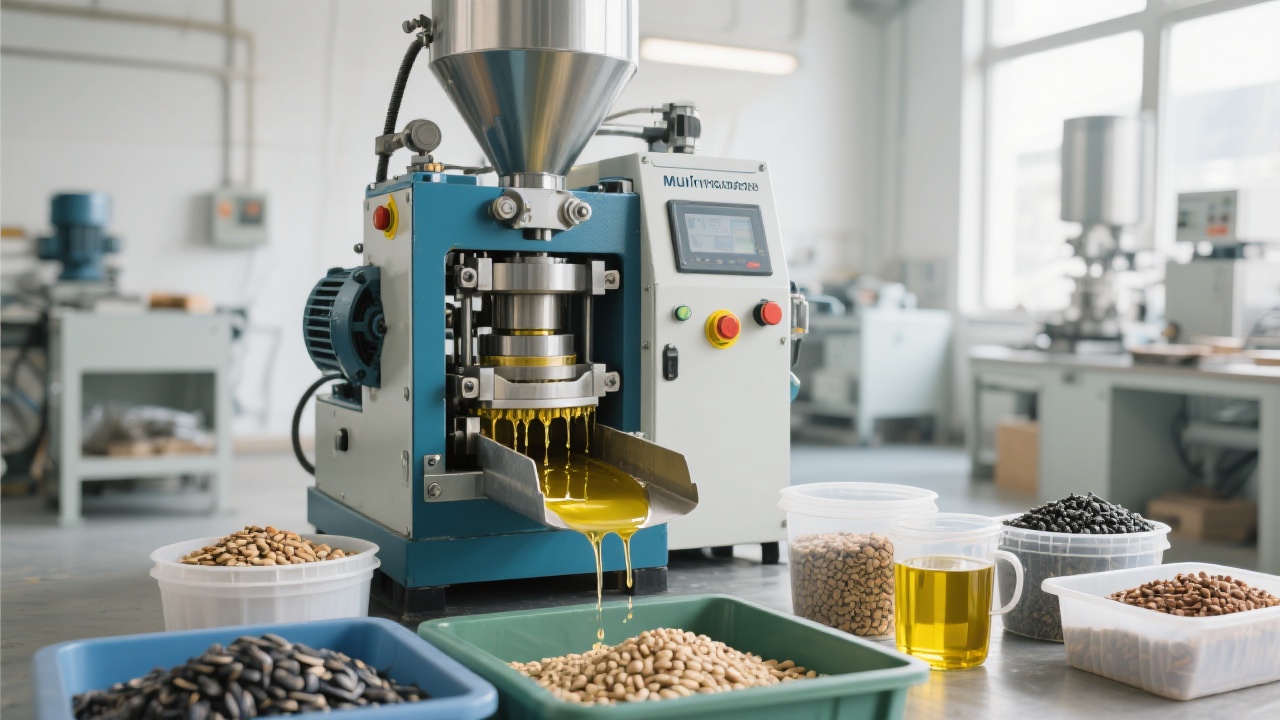
Choosing the right rapeseed oil production process is a complex decision that requires a comprehensive consideration of various factors. By understanding the principles, advantages, and disadvantages of cold pressing and solvent extraction, B2B edible oil manufacturers can make more scientific decisions to achieve high - efficiency production and product value - added. We encourage you to leave your comments and questions below to share your thoughts and experiences.


.png?x-oss-process=image/resize,h_100,m_lfit/format,webp)
.png?x-oss-process=image/resize,h_100,m_lfit/format,webp)
.png?x-oss-process=image/resize,h_100,m_lfit/format,webp)