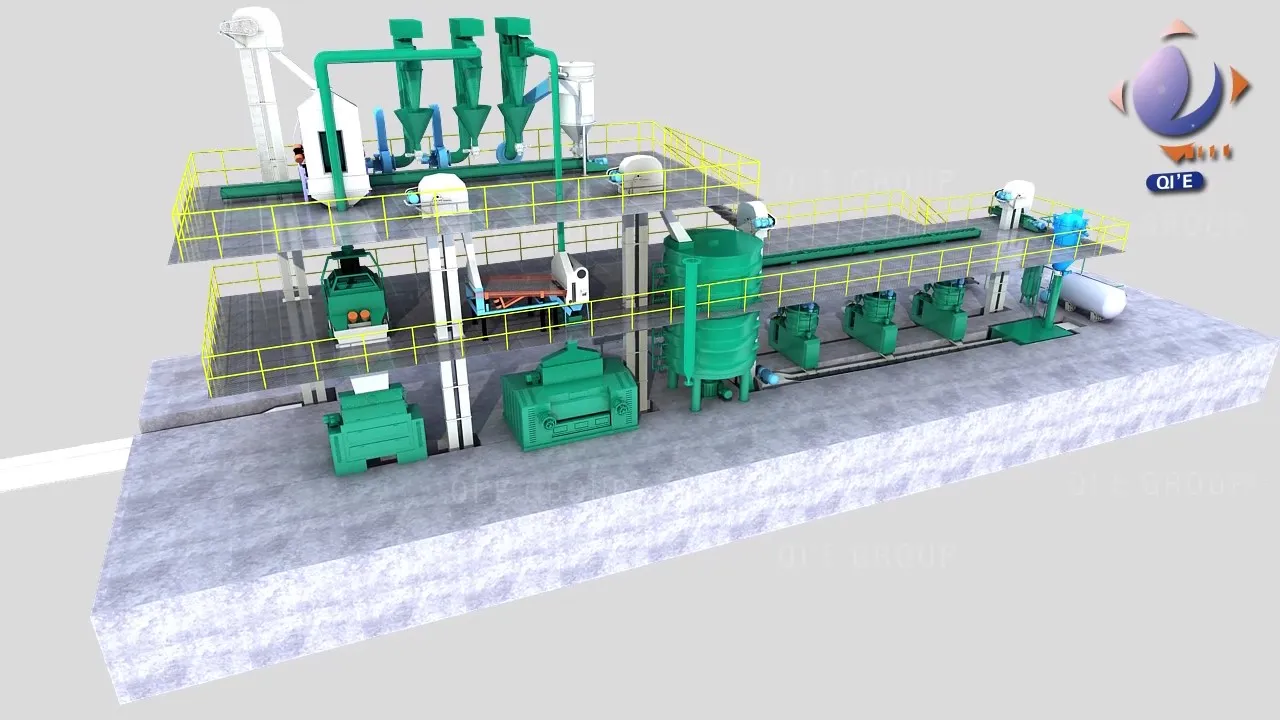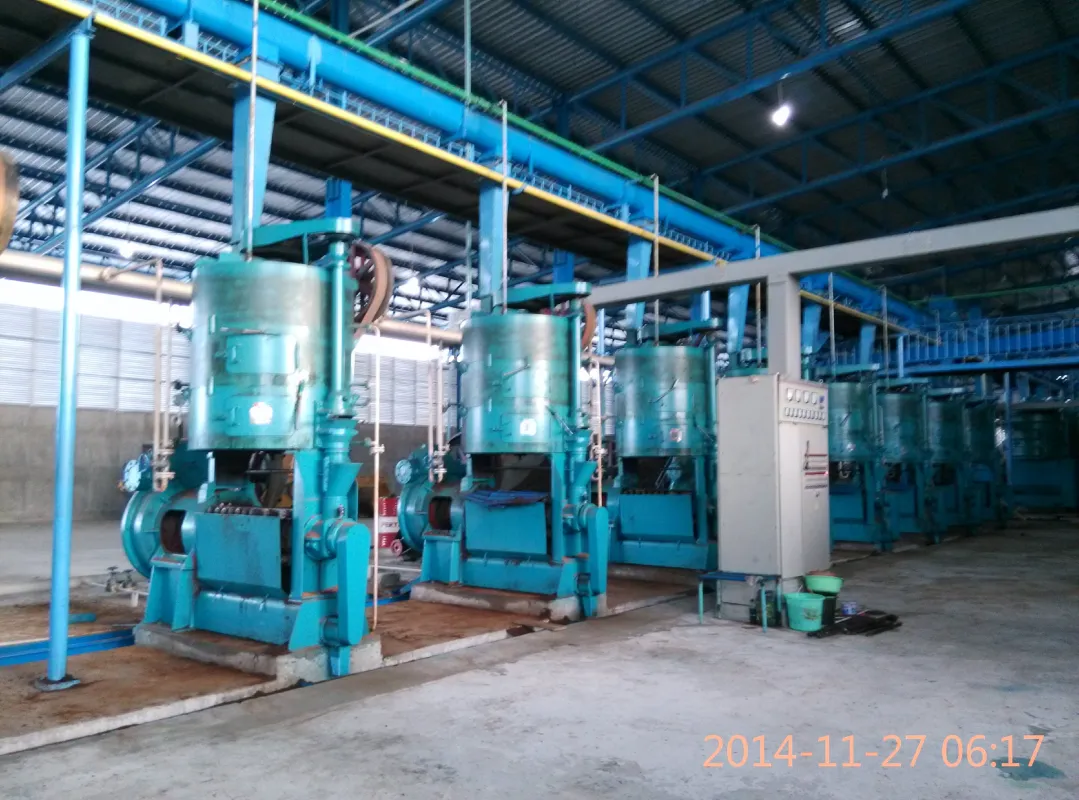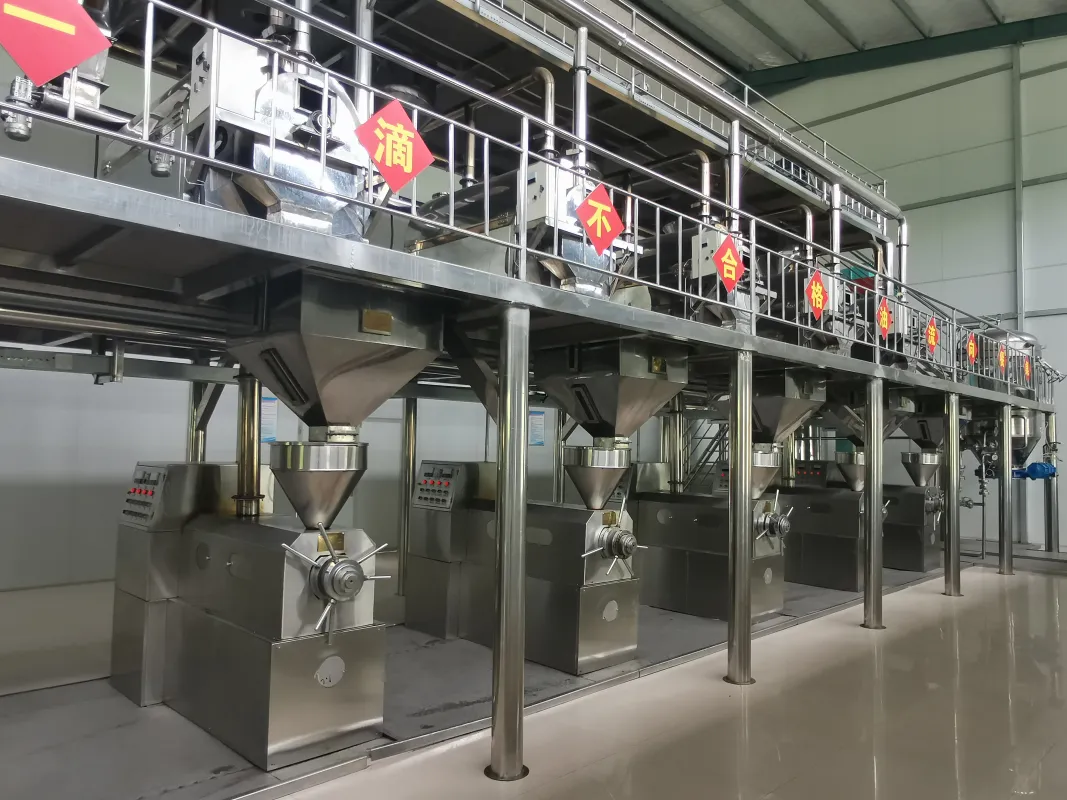
For B2B edible oil manufacturers globally, choosing the right extraction method isn’t just a technical decision—it’s a strategic one that impacts product quality, production efficiency, and long-term market positioning. Whether you're scaling up from a small refinery or optimizing an existing plant, understanding the trade-offs between cold pressing and solvent extraction is essential.
| Criteria | Cold Pressing | Solvent Extraction |
|---|---|---|
| Oil Yield (%) | 68–75% | 95–98% |
| Vitamin E Retention (%) | ~90% | ~65% |
| Energy Consumption (kWh/kg oil) | 1.8–2.5 | 1.2–1.6 |
| Equipment Complexity | Moderate | High |
| Stability (Shelf Life) | 6–9 months (with antioxidants) | 12+ months (refined & deodorized) |
According to the International Olive Council (IOC), cold-pressed rapeseed oil retains significantly higher levels of natural antioxidants like tocopherols and phytosterols—key differentiators for premium health-conscious markets such as North America and Western Europe. Meanwhile, solvent extraction delivers unmatched throughput, making it ideal for high-volume commodity producers targeting emerging economies like India and Southeast Asia.
A mid-sized edible oil manufacturer in Penang recently transitioned from solvent extraction to cold pressing for their premium line. They reported a 30% increase in customer retention among European buyers within six months—not because of lower prices, but due to clearer labeling around "cold-pressed," "non-GMO," and "unrefined." Their new product sold out in three consecutive orders from German importers who valued transparency over cost savings.

This case highlights how process choice directly influences buyer perception—and ultimately, profitability. In today’s B2B landscape, where food safety standards are tightening and sustainability expectations are rising, your extraction method must align with both technical capability and brand narrative.
If your annual output exceeds 5,000 metric tons and you serve mass-market retailers or institutional buyers, solvent extraction remains the most economical path. However, if your goal is to capture value-added segments—such as organic, gourmet, or functional food ingredients—cold pressing offers a stronger foundation for differentiation.
Regardless of your choice, investing in proper post-extraction processing (like degumming, neutralization, and winterization) ensures consistency and meets international compliance requirements—from EU Regulation (EC) No 1169/2011 to FDA GRAS standards.
Looking to make a data-driven decision? Download our free comparison guide with full-process schematics, cost-benefit analysis templates, and real-world ROI benchmarks used by top 10 global edible oil producers.
Get the Complete Process Comparison PDF


.png?x-oss-process=image/resize,h_100,m_lfit/format,webp)
.png?x-oss-process=image/resize,h_100,m_lfit/format,webp)
.png?x-oss-process=image/resize,h_100,m_lfit/format,webp)