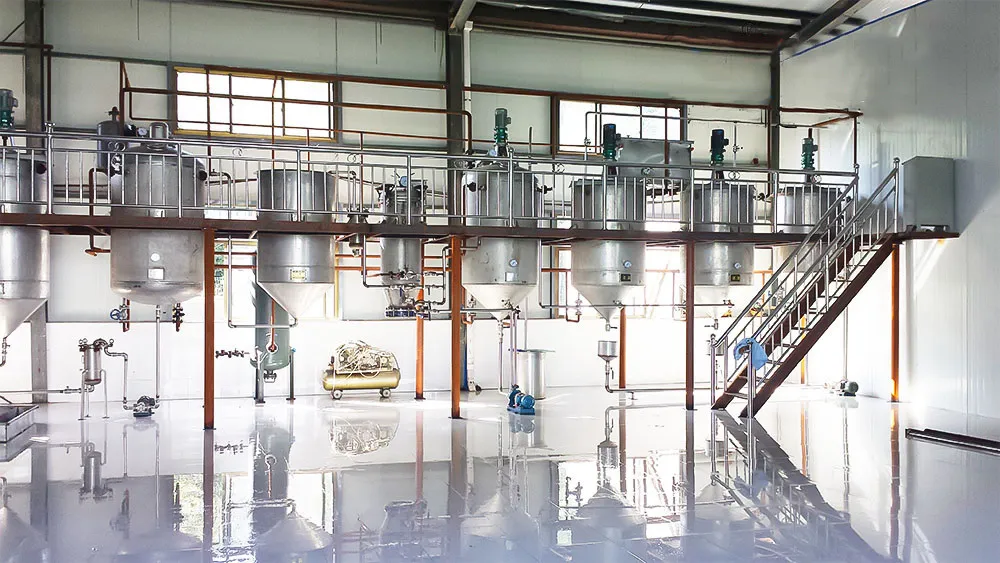
For small and medium-sized food enterprises looking to enter the edible oil production industry, selecting the right compact turnkey oil mill equipment is a critical decision that directly impacts operational efficiency, production costs, and long-term profitability. This guide breaks down the essential factors to consider when investing in compact turnkey edible oil mill equipment, with a focus on capacity matching, energy efficiency, and practical implementation strategies.
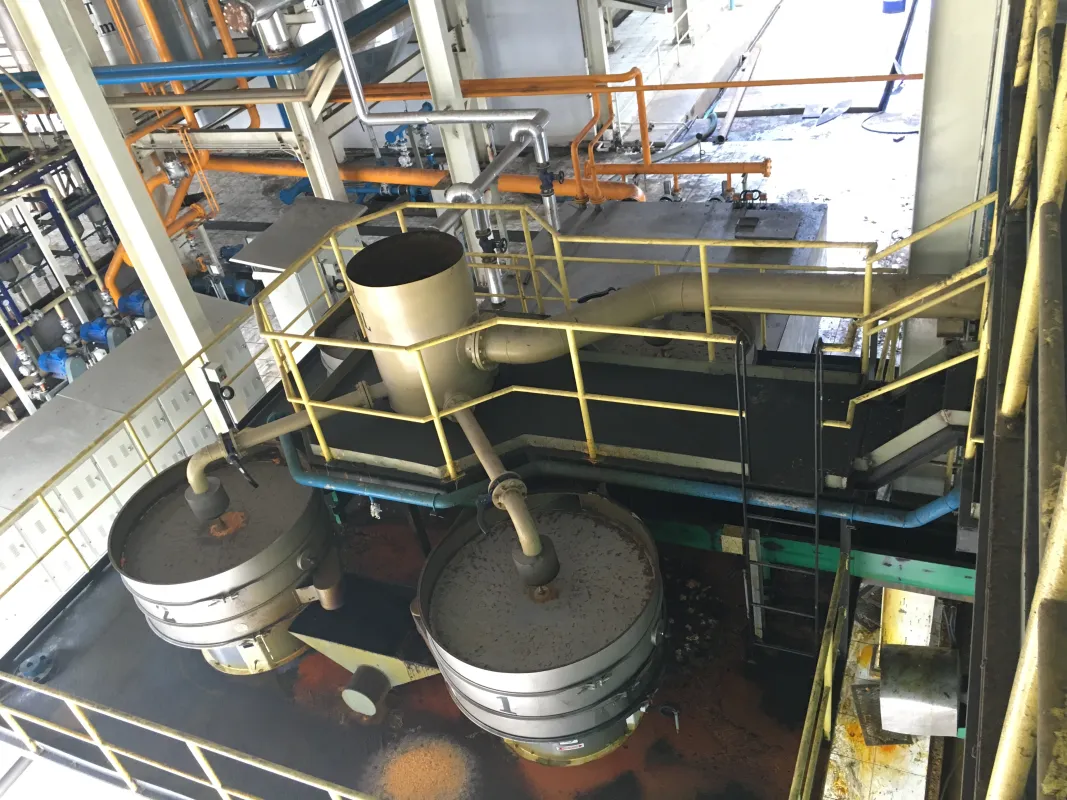
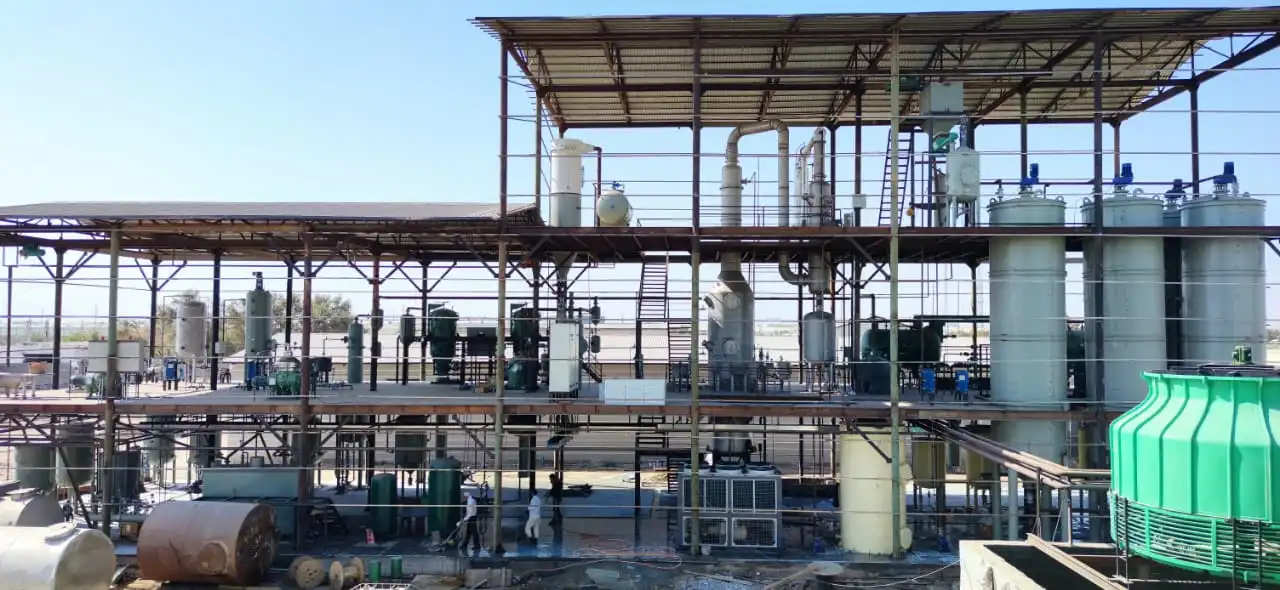
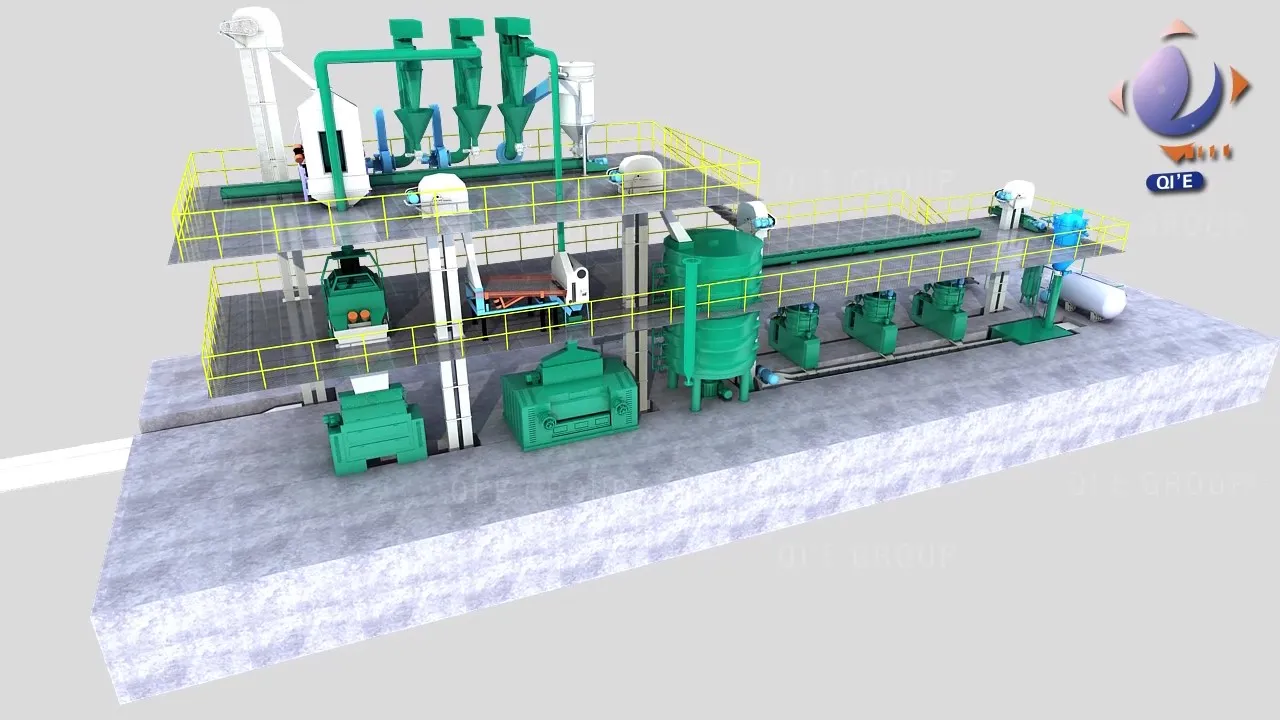
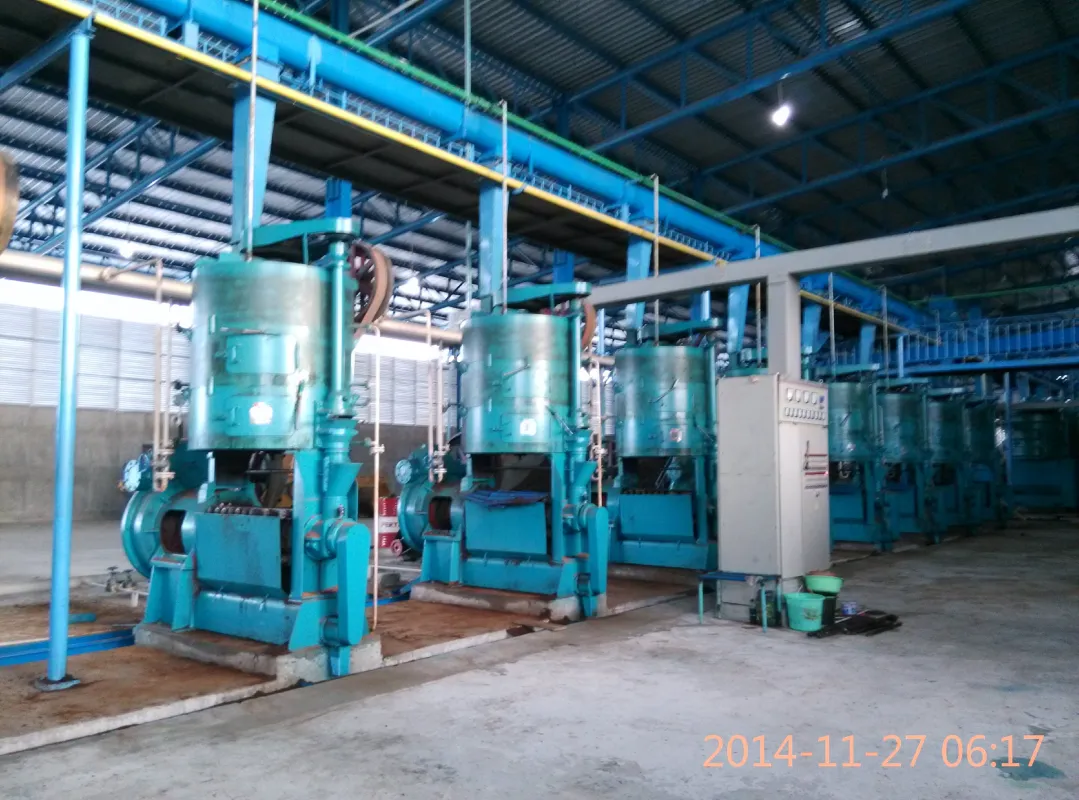
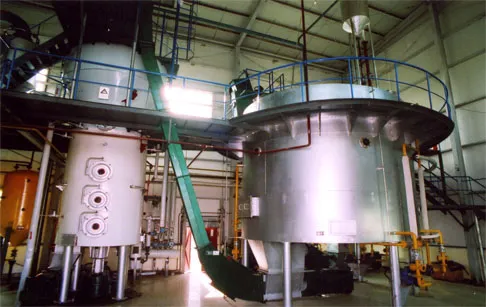
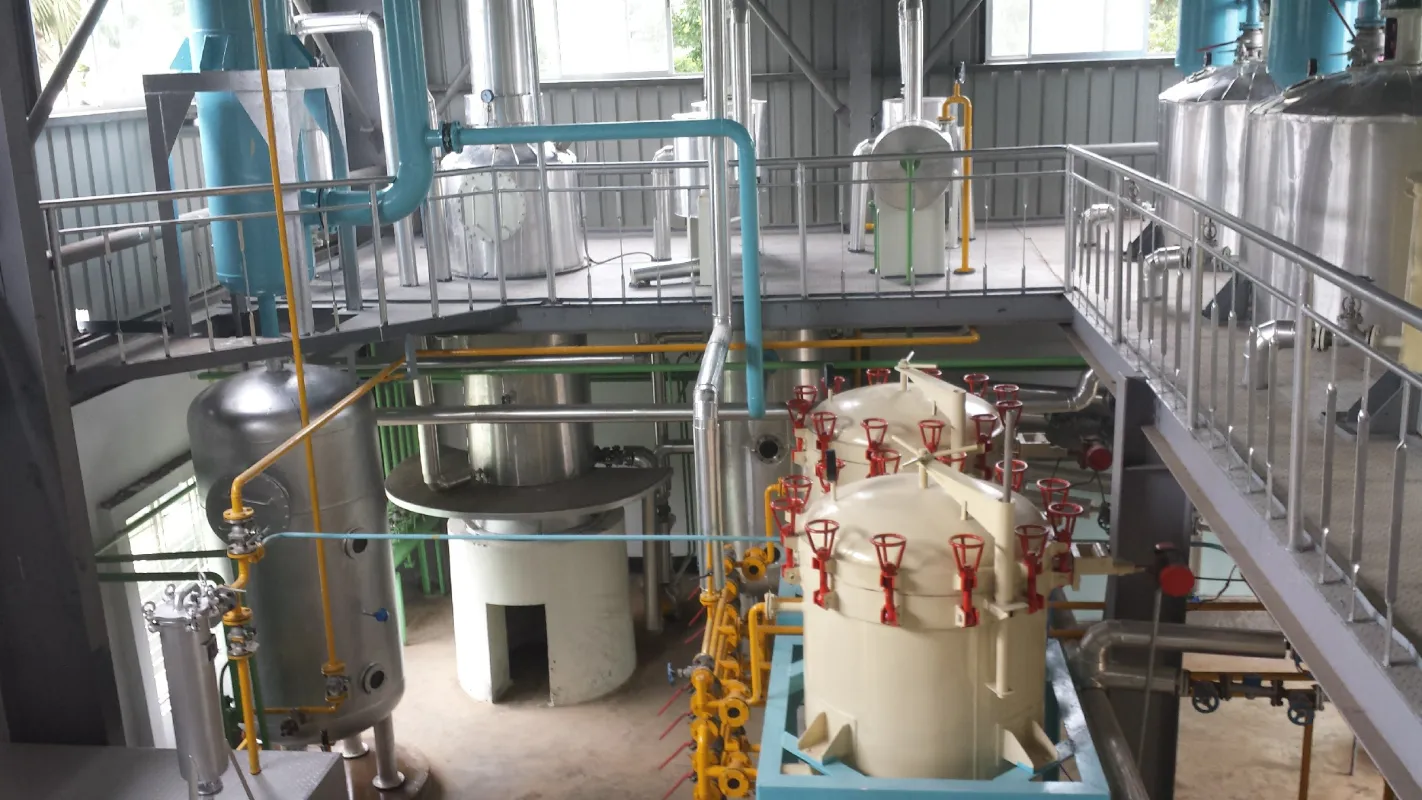
A well-designed compact turnkey edible oil mill system integrates three core components that work seamlessly together to transform oilseeds into high-quality edible oil:
Compact systems are specifically engineered to maximize production efficiency while minimizing space requirements—a crucial advantage for small to medium enterprises with limited factory space. Modern designs from manufacturers like 企鹅集团 (Penguin Group) incorporate space-saving layouts that reduce footprint by up to 30% compared to traditional oil mill setups.
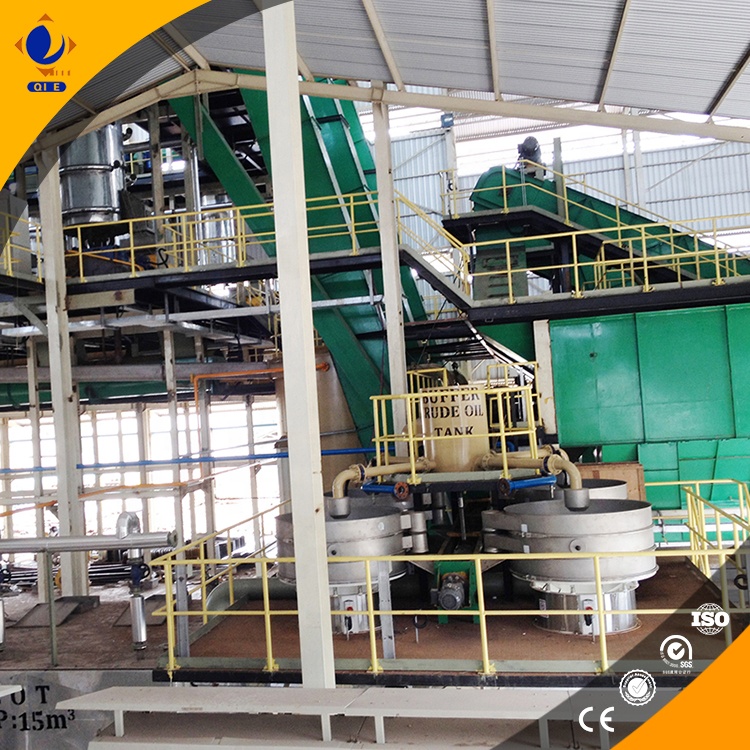
Selecting equipment with the right production capacity is fundamental to avoiding costly over-investment or production bottlenecks. The ideal capacity depends on several factors:
Industry data shows that businesses that accurately match equipment capacity to their actual needs achieve 15-20% higher return on investment compared to those with either under or over-sized equipment. A common mistake is purchasing larger capacity equipment than needed, resulting in higher energy consumption, increased maintenance costs, and inefficient use of working capital.
Energy costs typically represent 25-35% of total operational expenses in edible oil production. Selecting energy-efficient equipment can significantly impact your bottom line over the system's 10-15 year lifespan.
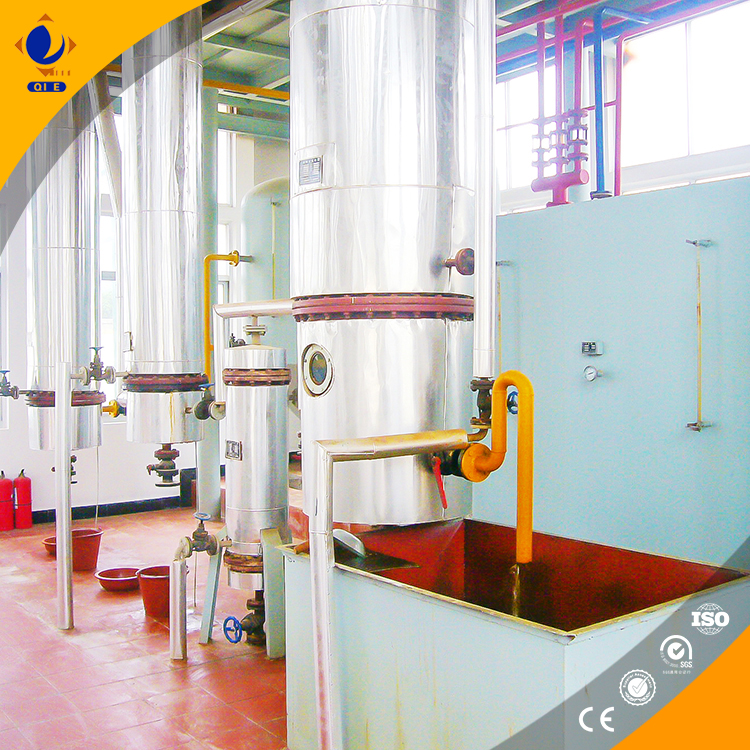
*According to industry studies, energy-efficient equipment can reduce total production costs by 8-12% annually compared to standard equipment.
A well-executed turnkey project should seamlessly guide you through every stage of establishing your edible oil production facility. The typical implementation timeline spans 3-6 months, depending on project scale:
| Project Phase | Key Activities | Typical Duration |
|---|---|---|
| Site Assessment & Planning | Factory layout design, utility requirements evaluation | 2-3 weeks |
| Equipment Manufacturing | Custom fabrication of system components | 6-10 weeks |
| Delivery & Installation | Shipping, positioning, and connection of equipment | 2-3 weeks |
| Commissioning & Training | System testing, operator training, process optimization | 2-4 weeks |
| Production Start-up | Full production with technical support | 1 week onwards |
Many small and medium enterprises encounter preventable challenges when purchasing edible oil mill equipment. Based on industry experience, here are key lessons learned:
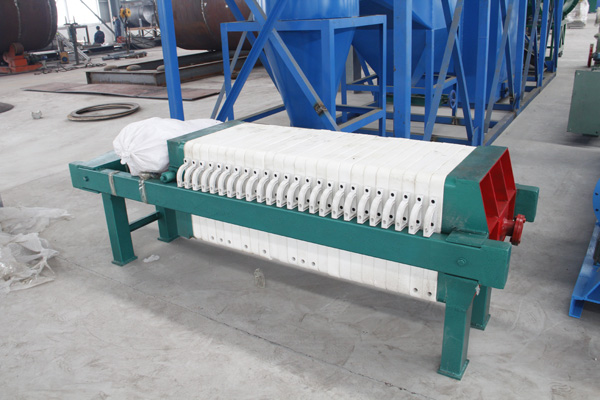
Our team of experts can help you select the perfect compact turnkey oil mill solution tailored to your specific needs. Benefit from energy-efficient technology, comprehensive project management, and ongoing support to ensure your success.
Get Your Custom Equipment Proposal NowWhen properly selected and implemented, compact turnkey edible oil mill equipment can provide a rapid return on investment while establishing a foundation for sustainable growth. By focusing on capacity matching, energy efficiency, and choosing a reliable partner for your turnkey project, you can position your business for success in the competitive edible oil market.
 rice bran oil refining equipment
ISO9001 compliant equipment
HACCP food safety standards
export food processing equipment
food-grade refining technology
automated sunflower seed cleaning equipment
sunflower seed dehulling technology
edible oil processing line efficiency improvement
intelligent oil pressing equipment
sunflower oil production automation
Rice bran oil refining process
Automated deodorization technology
Food safety standards
Critical control point management
Edible oil production equipment
rice bran oil refining process
automated oil processing equipment
GB 2716 compliance
oil purity enhancement
food safety in edible oil production
Rice bran oil refining equipment international certification
Export-oriented enterprise equipment selection
FDA food equipment sealing standards
Food safety management equipment specifications
Southeast Asian edible oil equipment cases
rice bran oil refining equipment
ISO9001 compliant equipment
HACCP food safety standards
export food processing equipment
food-grade refining technology
automated sunflower seed cleaning equipment
sunflower seed dehulling technology
edible oil processing line efficiency improvement
intelligent oil pressing equipment
sunflower oil production automation
Rice bran oil refining process
Automated deodorization technology
Food safety standards
Critical control point management
Edible oil production equipment
rice bran oil refining process
automated oil processing equipment
GB 2716 compliance
oil purity enhancement
food safety in edible oil production
Rice bran oil refining equipment international certification
Export-oriented enterprise equipment selection
FDA food equipment sealing standards
Food safety management equipment specifications
Southeast Asian edible oil equipment cases





.png?x-oss-process=image/resize,h_100,m_lfit/format,webp)
.png?x-oss-process=image/resize,h_100,m_lfit/format,webp)
.png?x-oss-process=image/resize,h_100,m_lfit/format,webp)