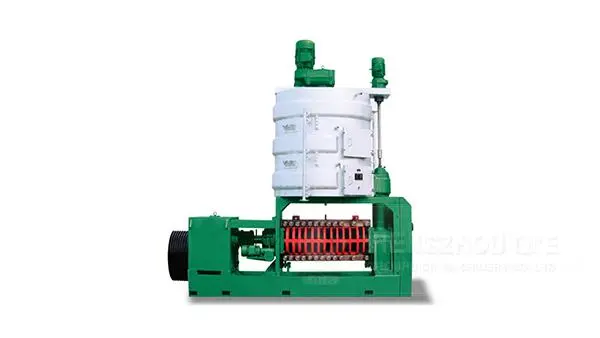
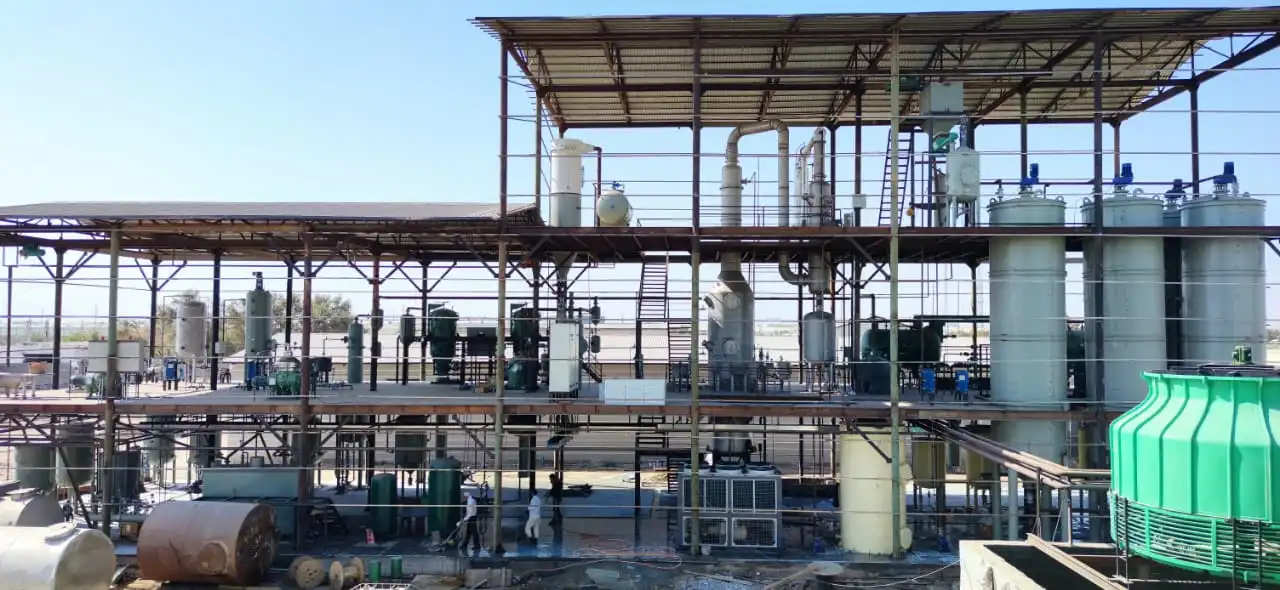
The global coconut oil market is projected to reach $15.7 billion by 2026, growing at a CAGR of 8.5% from 2021 to 2026. For small and medium-sized enterprises (SMEs) entering this promising industry, mastering efficient extraction technology is crucial for competitiveness. This comprehensive guide explores the complete coconut oil extraction process, focusing on shelling technology and integrated pressing solutions that balance quality, efficiency, and sustainability.
Transforming coconuts into high-quality oil involves a series of interconnected processes that require precision and technical expertise. From raw material selection to final filtration, each stage impacts the quality, yield, and profitability of the end product. For startups and SMEs, optimizing this workflow can mean the difference between market success and operational struggles.
Selecting the right coconuts is the first step toward producing premium oil. Mature coconuts with a minimum 12-month growth period yield the highest oil content, typically between 60-65% in the kernel. Proper handling and storage of coconuts before processing are critical—improper storage can reduce oil quality by up to 30% within just two weeks.
Efficient coconut shelling is often the bottleneck in small-scale operations. Traditional manual shelling methods process only 80-100 coconuts per worker per hour, with high labor costs and inconsistent results. Modern mechanical shelling equipment, however, can process 500-800 coconuts per hour with minimal labor input.
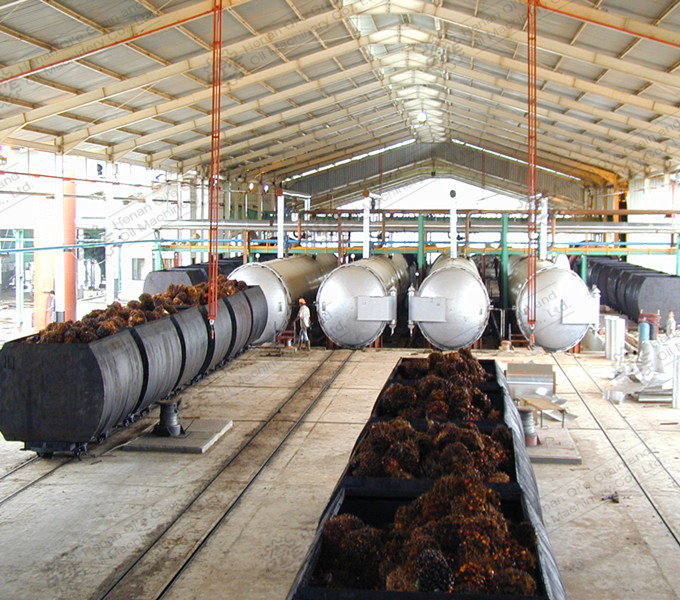
When selecting shelling equipment, consider three key factors: kernel retention rate (should exceed 95%), shelling efficiency, and adaptability to different coconut sizes. 企鹅集团's shelling technology incorporates adjustable mechanisms to handle coconuts ranging from 150-250mm in diameter, ensuring consistent performance across varying raw materials.
After shelling, the coconut meat (copra) undergoes grinding to create a fine paste, increasing the surface area for oil extraction. The particle size significantly affects yield—optimum results are achieved with a particle size of 2-3mm, which can increase oil extraction by up to 12% compared to coarser grinding.
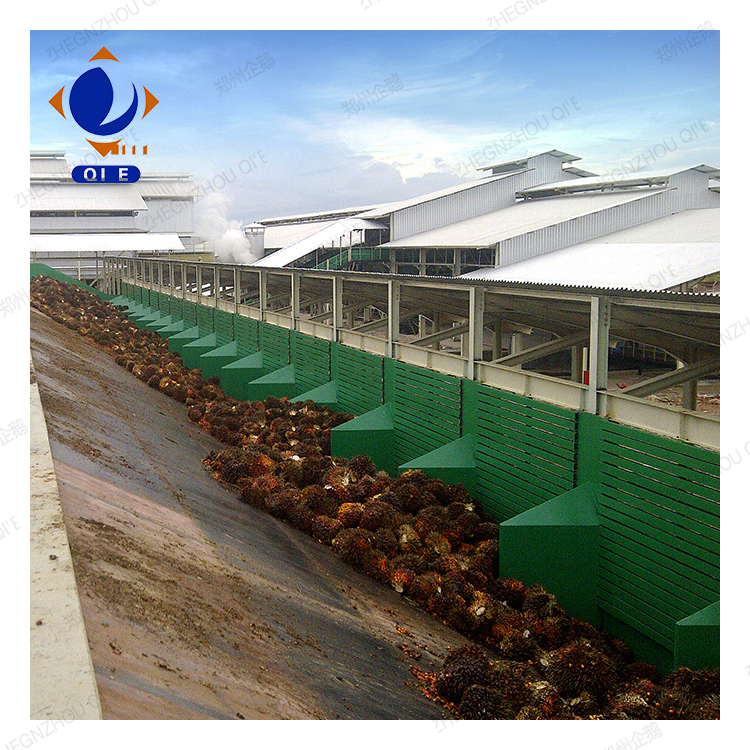
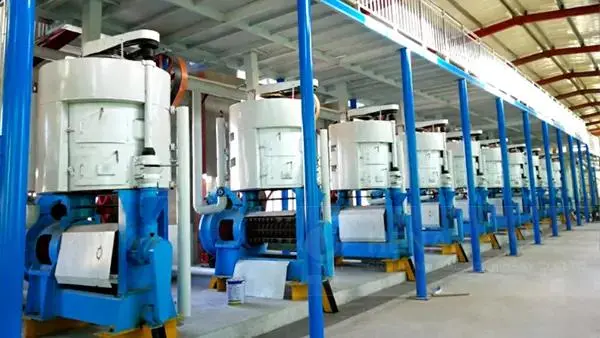
Modern integrated pressing systems combine grinding and pressing into a single efficient process. These systems typically achieve extraction rates of 70-75% for cold pressing and 85-90% for hot pressing methods. Energy consumption is a critical consideration—look for equipment with specific energy consumption below 0.5 kWh per kg of copra processed.
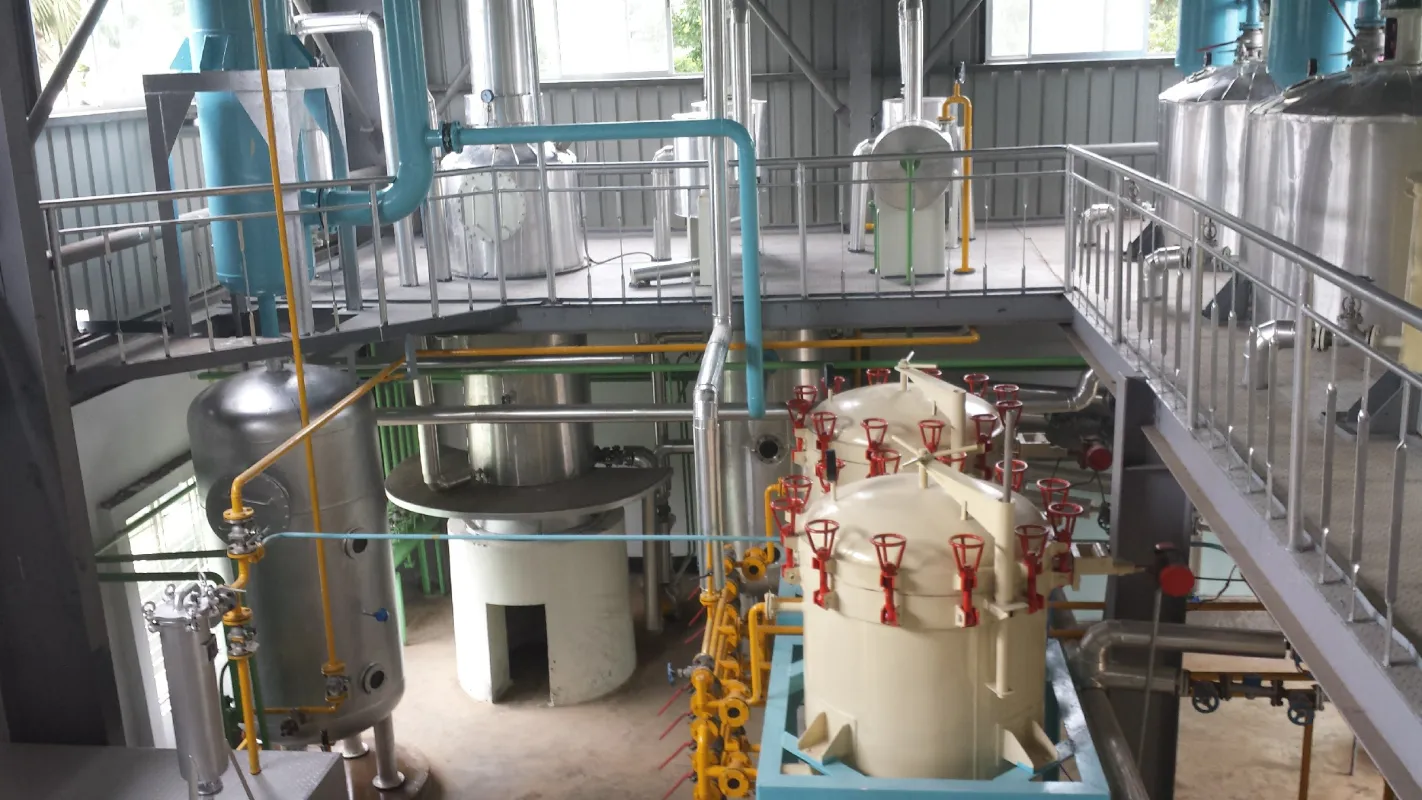
Crude coconut oil contains impurities such as moisture, suspended solids, and free fatty acids that must be removed to meet market standards. Multi-stage filtration systems can achieve clarity levels exceeding 99.5% while preserving the oil's natural properties.
Modern coconut oil processing emphasizes sustainability, with energy costs representing 20-30% of total operational expenses. Heat recovery systems can reduce energy consumption by 25-30% by capturing waste heat from pressing and drying processes. Water usage is another critical factor—efficient systems require less than 5 liters of water per kg of finished oil.
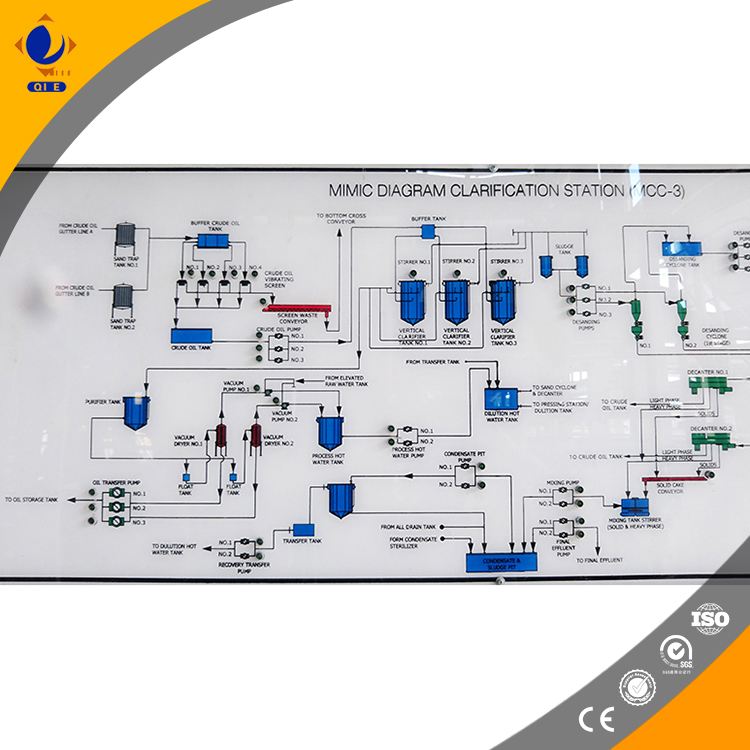
Waste management also plays a significant role in sustainable operations. Coconut shells can be converted into activated carbon or used as fuel, while press cake (the solid residue after oil extraction) has value as animal feed or organic fertilizer, creating additional revenue streams for processors.
Discover how 企鹅集团's integrated coconut oil processing solutions can increase your yield by 15-20% while reducing energy consumption. Our technology is specifically designed for startup and SME operations, with modular designs that grow with your business.
As consumer demand for natural, sustainably-produced coconut oil continues to rise, processors must balance traditional quality with modern efficiency. The right equipment and processes not only improve profitability but also ensure compliance with international quality standards. Whether you're just starting or looking to upgrade existing operations, focusing on these key process stages will position your business for success in the competitive global market.
 Rice bran oil refining equipment international certification
Export - oriented enterprise equipment selection
Food safety management equipment specifications
ISO9001 Quality Management System
HACCP Food Safety Management System
rice bran oil refining
critical control points management
online detection technology
automated food processing
food safety in oil production
sunflower oil extraction process
oil yield improvement
energy consumption reduction
extraction technology optimization
edible oil processing
modular rapeseed oil production line
edible oil manufacturing solutions
rapid commissioning
flexible capacity configuration
international standard edible oil production
PLC control system troubleshooting
edible oil production line automation
sensor false alarm detection
industrial automation maintenance
process control optimization
Rice bran oil refining equipment international certification
Export - oriented enterprise equipment selection
Food safety management equipment specifications
ISO9001 Quality Management System
HACCP Food Safety Management System
rice bran oil refining
critical control points management
online detection technology
automated food processing
food safety in oil production
sunflower oil extraction process
oil yield improvement
energy consumption reduction
extraction technology optimization
edible oil processing
modular rapeseed oil production line
edible oil manufacturing solutions
rapid commissioning
flexible capacity configuration
international standard edible oil production
PLC control system troubleshooting
edible oil production line automation
sensor false alarm detection
industrial automation maintenance
process control optimization




.png?x-oss-process=image/resize,h_100,m_lfit/format,webp)
.png?x-oss-process=image/resize,h_100,m_lfit/format,webp)
.png?x-oss-process=image/resize,h_100,m_lfit/format,webp)