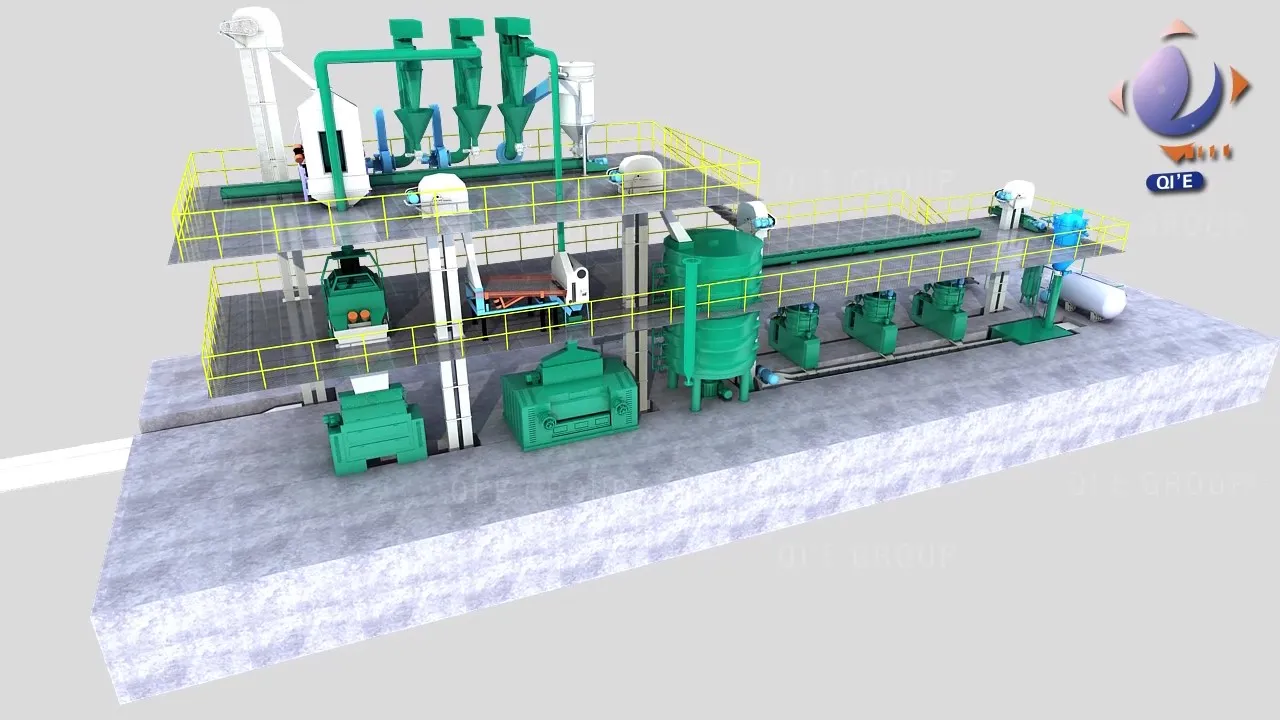
Coconut oil production is both an art and a science, where precision in each processing stage directly impacts your bottom line. As a small or medium-sized processor, you might be facing challenges like inconsistent oil yield, high energy consumption, or difficulty maintaining product quality. This guide will walk you through the entire coconut oil extraction process, highlighting key factors that influence efficiency and profitability—knowledge that has helped processors like you increase oil yield by up to 12% while reducing operational costs.
Industry Insight:
According to recent data from the Coconut Oil Producers Association, optimized extraction processes can reduce energy consumption by 18-22% while improving oil quality metrics, making your product more competitive in both local and international markets.
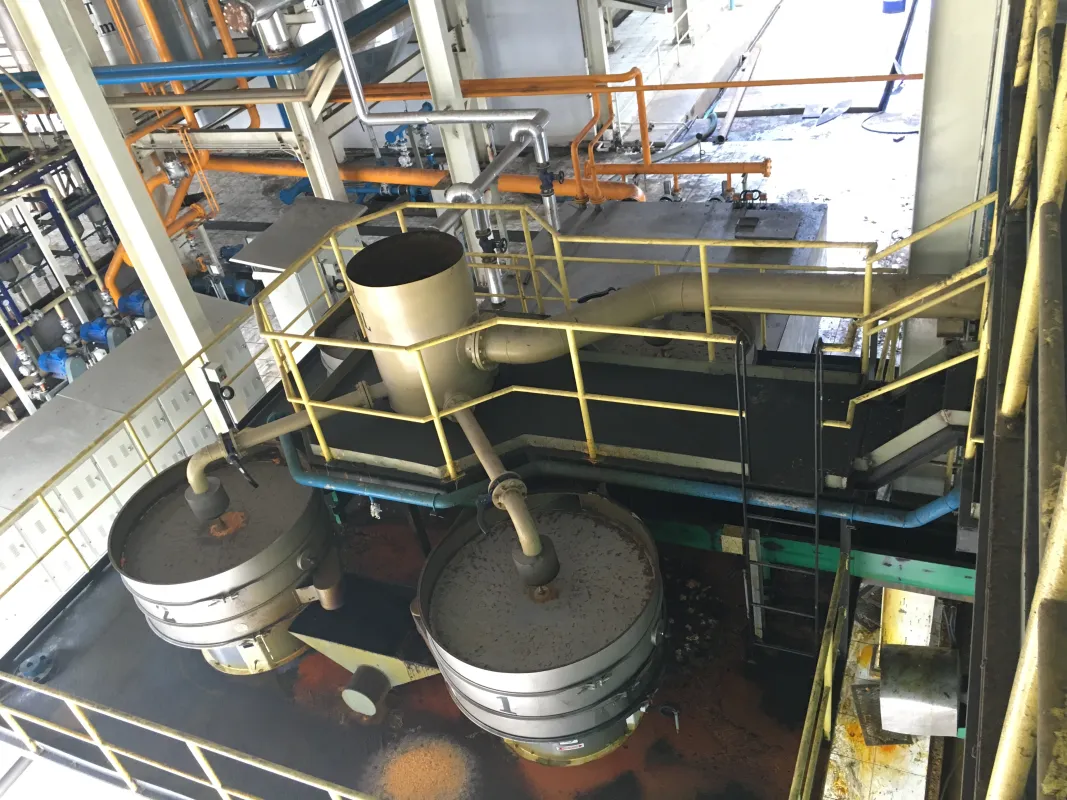
Many processors underestimate how critical proper shell removal is to the entire production chain. Incomplete shell removal can lead to contamination, increased wear on downstream equipment, and reduced oil quality. You might be experiencing higher-than-normal filter clogging or strange flavors in your final product—these could be signs that your shell removal process needs adjustment.
Modern shelling equipment, like the systems developed by 企鹅集团 (Penguin Group), can achieve shell removal rates of 98% or higher, even when processing mixed batches of mature and immature coconuts. This precision reduces the risk of shell particles entering your grinding and pressing stages, which is essential for maintaining oil purity and equipment longevity.
Common Mistake to Avoid:
Using manual shelling methods or outdated equipment that leaves 5% or more shell fragments in the coconut meat. This seemingly small percentage can reduce oil yield by 3-5% and increase filter replacement costs by up to 40% over time.
The relationship between grinding particle size and oil release is often misunderstood. Too coarse, and you leave oil trapped in the coconut meat; too fine, and you create emulsions that complicate filtration. The optimal particle size depends on several factors, including coconut maturity and moisture content.
For mature coconuts with lower moisture content (around 45-50%), a grinding size of 3-5mm typically yields the best results. Younger coconuts with higher moisture (60-65%) may require slightly finer grinding to release trapped oil. This is where adjustable grinding equipment becomes invaluable—allowing you to adapt to different raw material conditions.
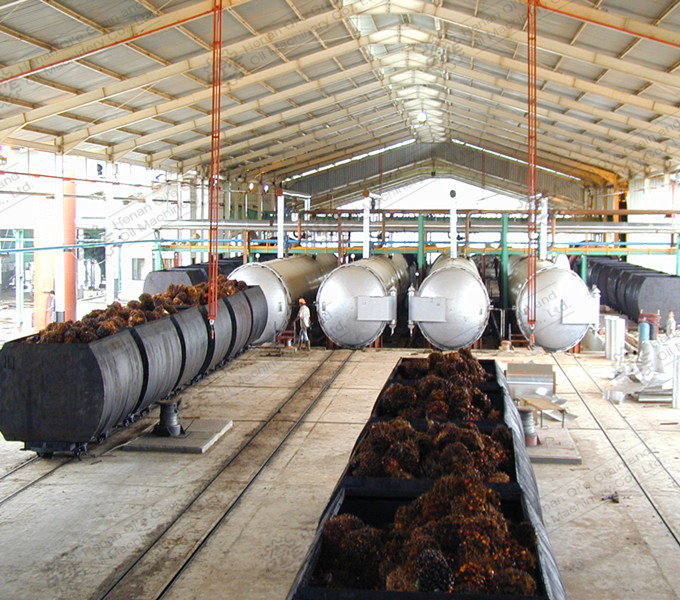
The pressing stage is where science meets engineering. Many processors struggle with finding the right balance between temperature and pressure. Too high a temperature can degrade oil quality and create unwanted byproducts, while insufficient pressure leaves valuable oil in the press cake.
Our experience working with hundreds of processors shows that for virgin coconut oil production, maintaining a pressing temperature between 60-70°C while gradually increasing pressure yields optimal results. This temperature range preserves the oil's natural properties while allowing sufficient flow. A pressure profile that starts at 20-30 bar and gradually increases to 50-60 bar ensures complete oil release without damaging the oil's nutritional qualities.
Many clients反馈 that after optimizing their pressing parameters with guidance from 企鹅集团 (Penguin Group) technical experts, they saw immediate improvements in yield—typically a 8-12% increase within the first week of adjustment.
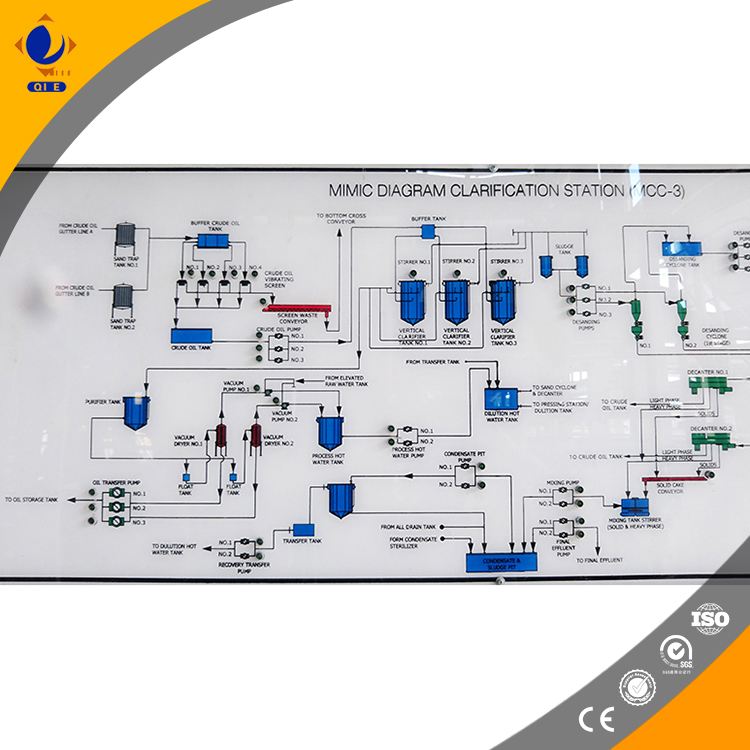
Even with perfect pressing, inadequate filtration can result in cloudy oil or sedimentation issues that affect shelf life and marketability. The key here is understanding the impurity removal mechanism and establishing proper maintenance protocols.
We recommend a two-stage filtration process: first with a coarse filter (80-100 mesh) to remove larger particles, followed by a fine filter (200-250 mesh) for polishing. This approach balances filtration efficiency with throughput. As a practical guideline, filter replacement should occur after processing approximately 500-800 kg of coconut meat, depending on raw material quality—a schedule that many processors find surprisingly effective at maintaining consistent oil clarity.
A simple but effective method is to collect a small sample of the press cake and manually squeeze it between two clean sheets of paper. If the paper shows more than a faint oil stain, your pressing process may need adjustment—either by increasing pressure, adjusting temperature, or modifying the grinding particle size.
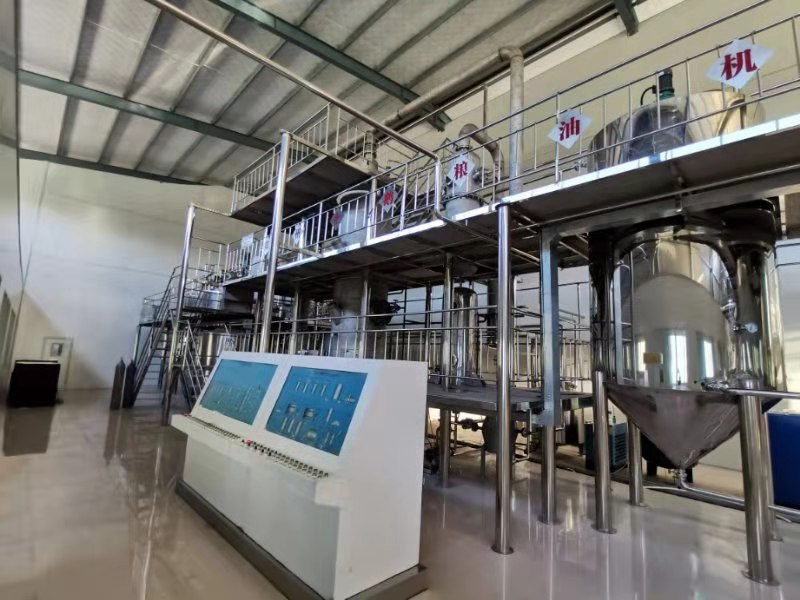
While standalone equipment may seem like a lower initial investment, integrated systems offer significant long-term advantages. These systems are designed to work in harmony, reducing energy consumption by up to 25% compared to mismatched equipment. They also minimize material loss between stages and require less manual intervention, which translates to lower labor costs and greater process consistency.
For processors aiming for ISO9001 certification—a valuable credential for accessing international markets—integrated systems simplify compliance by providing better process control and documentation capabilities. This is particularly important as global buyers increasingly demand transparency and quality assurance in their supply chains.
Download our free guide "7 Critical Factors That Determine Coconut Oil Profitability" to discover how small adjustments can lead to significant improvements in your operation.
Get Your Free Guide NowAs you evaluate your current production process, remember that every stage is interconnected. A bottleneck or inefficiency in one area can affect your entire operation. Many successful processors start with a thorough assessment of their existing workflow before making targeted investments in equipment or process improvements. Whether you're processing 500 kg or 5,000 kg of coconuts daily, the principles of efficient extraction remain the same—precision, consistency, and attention to the details that impact both quality and cost.
 Fully automated rice bran oil production line
Energy-saving and environment-friendly oil equipment
Edible oil refining technology
Industrial automated processing system
Export-oriented grain and oil production
automated rice bran preprocessing
rice bran oil processing equipment
energy-efficient oil extraction
industrial automation in food processing
export-oriented edible oil production
rice bran oil refining equipment certification
export-oriented equipment selection
food safety management standards
ISO9001 rice bran oil equipment
EU food safety compliance
automated rice bran oil refining
rice bran oil purity improvement
food safety in oil processing
critical control point management
online oil quality monitoring
PLC temperature control in cold pressing
cold pressing oil extraction optimization
edible oil production automation
PID tuning for food processing
industrial temperature regulation systems
Fully automated rice bran oil production line
Energy-saving and environment-friendly oil equipment
Edible oil refining technology
Industrial automated processing system
Export-oriented grain and oil production
automated rice bran preprocessing
rice bran oil processing equipment
energy-efficient oil extraction
industrial automation in food processing
export-oriented edible oil production
rice bran oil refining equipment certification
export-oriented equipment selection
food safety management standards
ISO9001 rice bran oil equipment
EU food safety compliance
automated rice bran oil refining
rice bran oil purity improvement
food safety in oil processing
critical control point management
online oil quality monitoring
PLC temperature control in cold pressing
cold pressing oil extraction optimization
edible oil production automation
PID tuning for food processing
industrial temperature regulation systems





.png?x-oss-process=image/resize,h_100,m_lfit/format,webp)
.png?x-oss-process=image/resize,h_100,m_lfit/format,webp)
.png?x-oss-process=image/resize,h_100,m_lfit/format,webp)