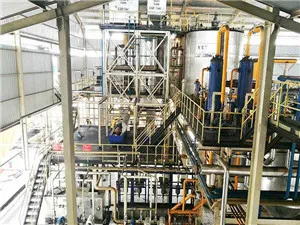
For small and medium-sized enterprises entering the coconut oil production industry, the efficient installation and commissioning of processing lines are critical steps that directly impact production efficiency, product quality, and long-term operational costs. According to industry data, proper installation can reduce initial downtime by up to 35% and increase overall equipment lifespan by 20-25%. This guide provides a detailed walkthrough of the entire process, from equipment assembly to maintenance, specifically tailored for startups and growing businesses.
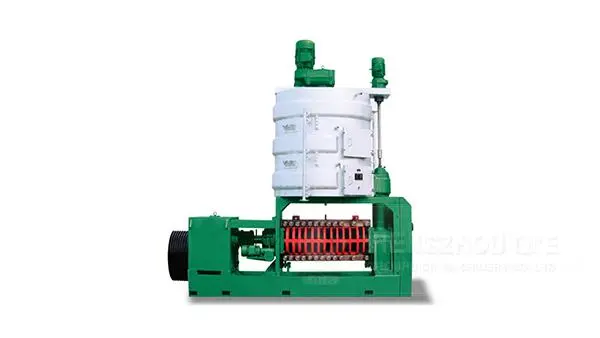
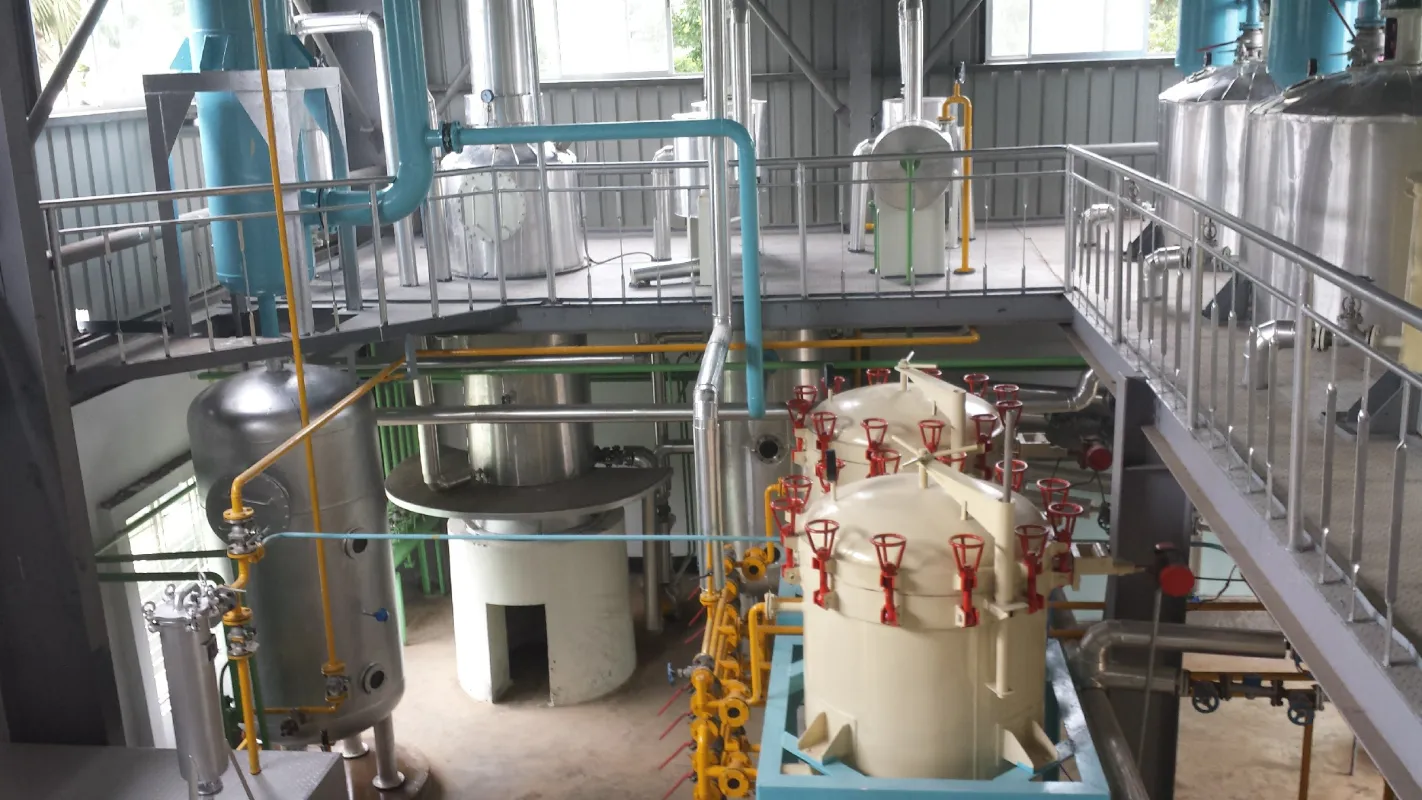
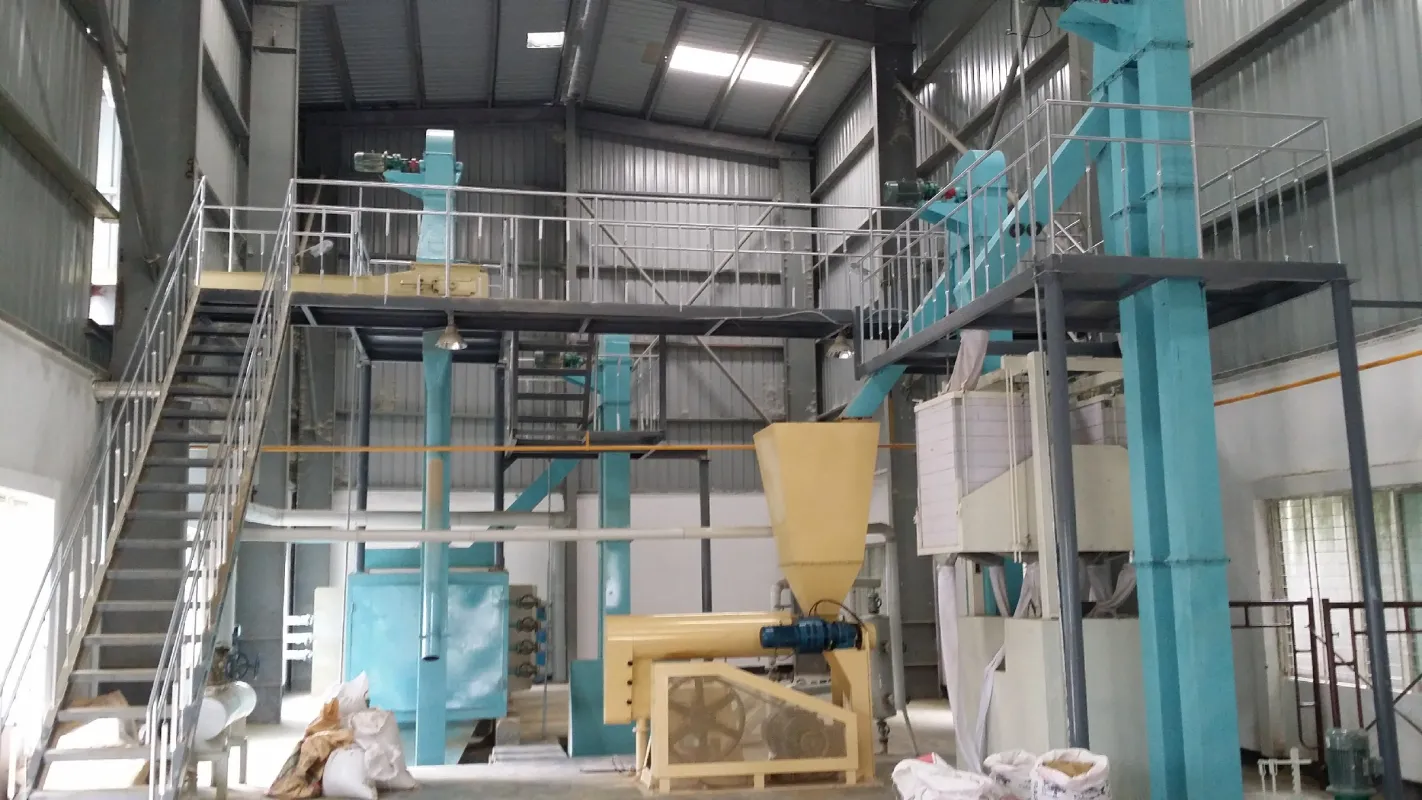
Modern coconut oil processing lines integrate multiple stages including coconut crushing, oil extraction, filtration, and refining. The coconut oil processing automation features in contemporary systems significantly reduce manual intervention while improving consistency. Before beginning installation, familiarize yourself with the specific components of your Penguin Group processing line, as each system may have unique requirements based on capacity and desired output quality.
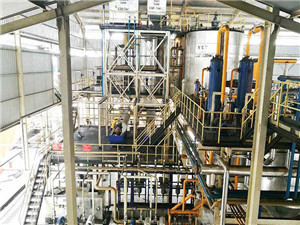
Pre-Installation Preparation:
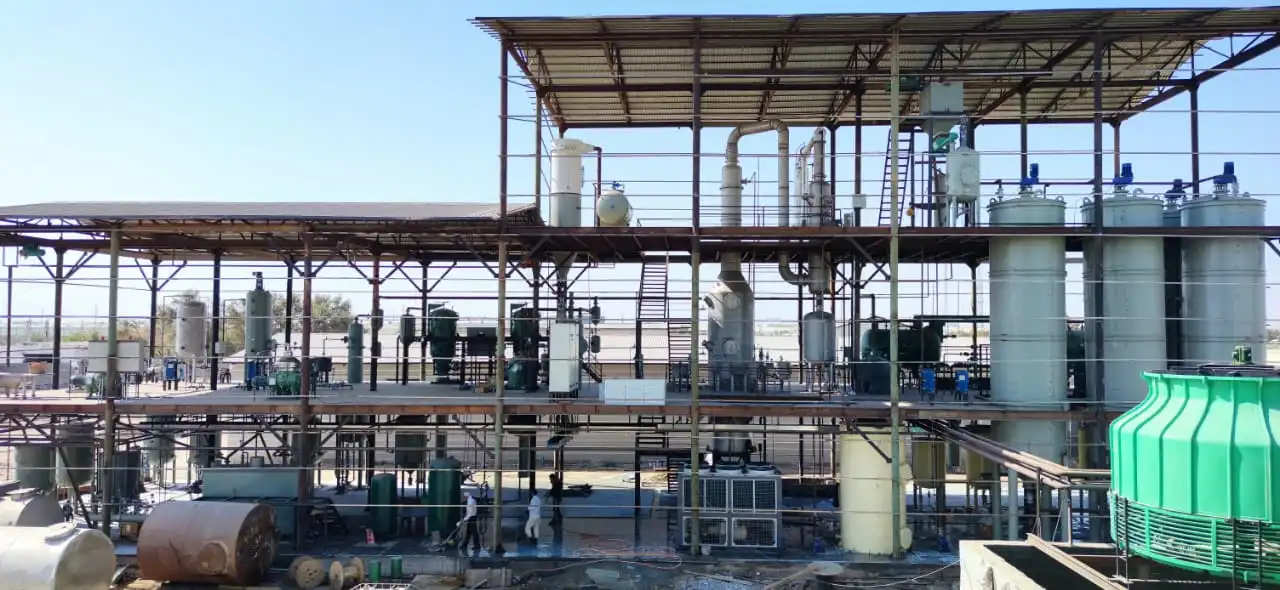
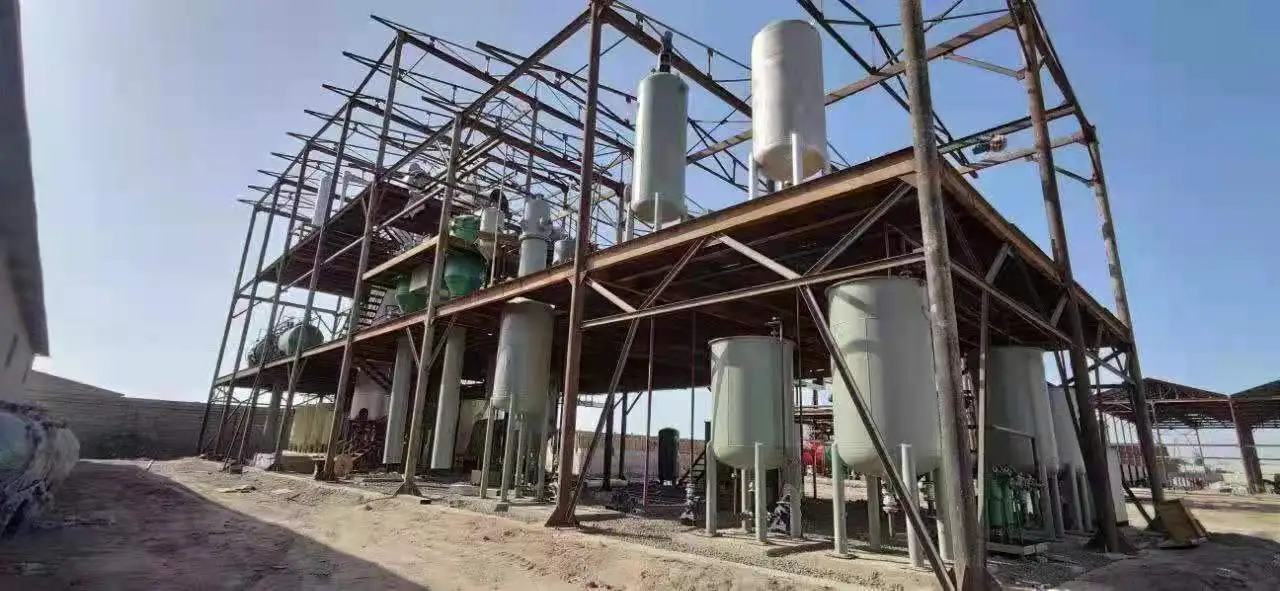
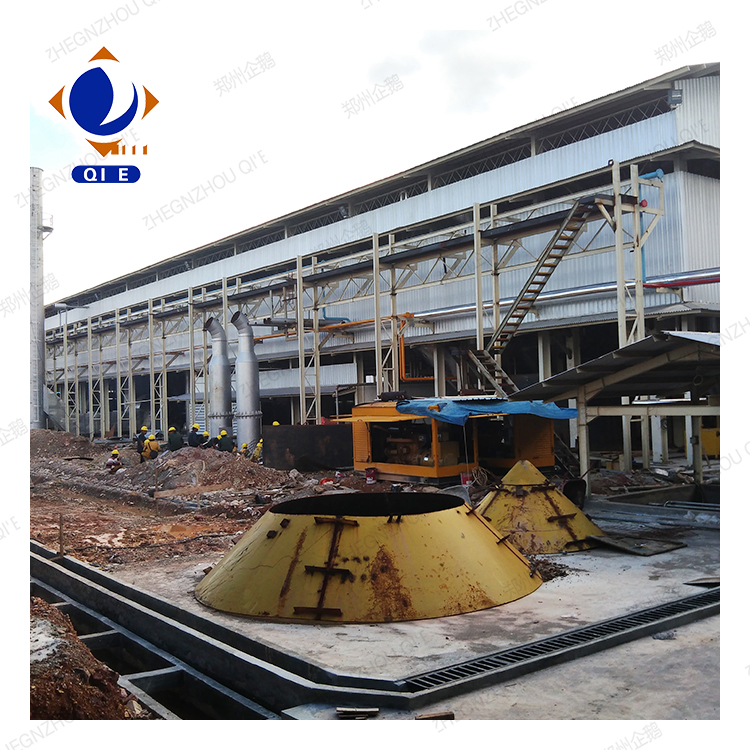
The installation sequence should follow the production flow: starting with the coconut cleaning unit, followed by crushing equipment, oil extractors, filtration systems, and finally the refining section. Each component must be precisely leveled and secured to prevent vibration issues that can affect processing accuracy and equipment longevity.
Particular attention should be paid to the alignment of conveyor systems and material transfer points, as misalignment here is a common cause of production bottlenecks. Industry best practices suggest allowing 3-5 days for complete installation of a standard small-scale line, with additional time allocated for system checks.
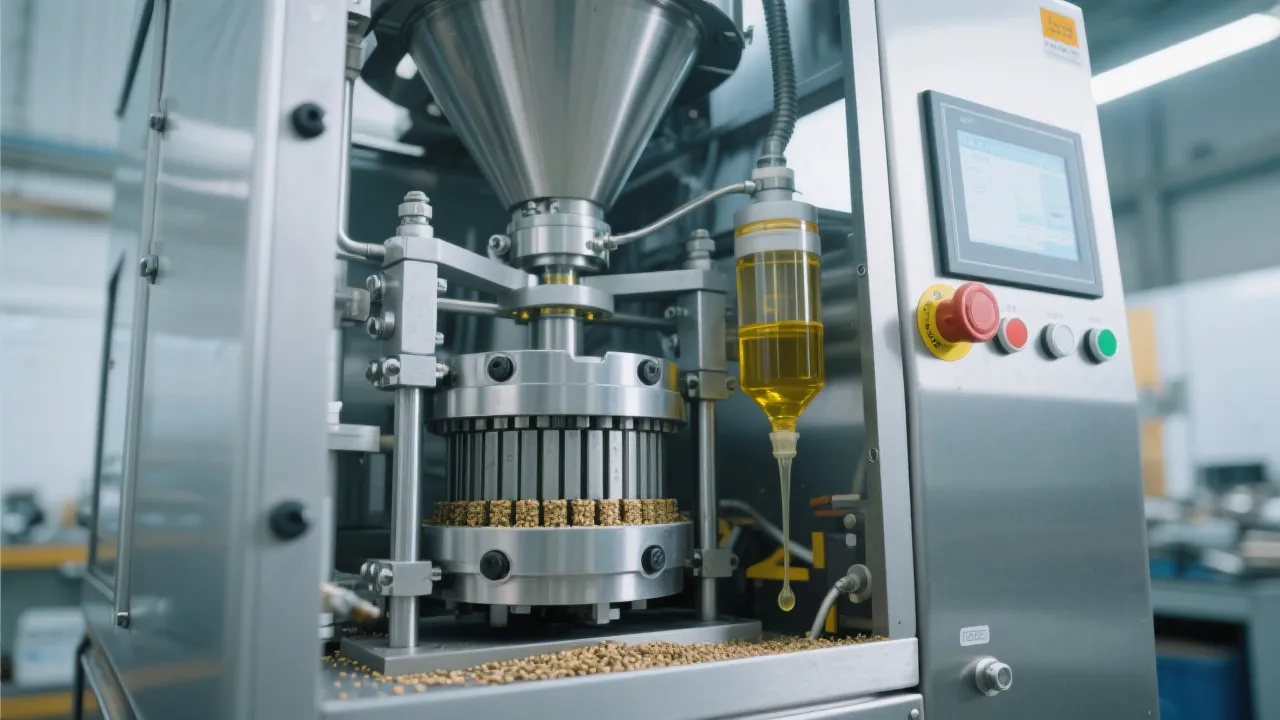
Once installation is complete, the commissioning phase begins with individual component testing before full system integration. This critical stage ensures each part operates within specified parameters before being connected to the production line.
Key commissioning steps include:
Pro Tip:
During commissioning, run the system with dummy materials first before processing actual coconuts. This allows identification of potential issues without wasting valuable raw materials.
Regular maintenance is crucial for maximizing uptime and ensuring consistent product quality. A well-implemented maintenance program can reduce unexpected breakdowns by up to 40% and maintain optimal energy efficiency.
Daily maintenance tasks should include:

Even with proper installation and maintenance, operational issues can arise. Here are solutions to some common problems:
| Issue | Possible Cause | Solution |
|---|---|---|
| Low oil yield | Incorrect moisture content, dull crushing blades | Adjust drying parameters, sharpen or replace blades |
| Excessive foam in oil | High temperature, contamination | Reduce processing temperature, check for foreign materials |
| Uneven oil flow | Clogged filters, pressure imbalance | Clean or replace filters, recalibrate pressure settings |
Energy costs typically represent 15-20% of total operational expenses in coconut oil processing. Implementing these energy-saving measures can lead to significant cost reductions:
The Penguin Group technical support team offers comprehensive assistance for your coconut oil processing line installation, commissioning, and maintenance needs. Our experts can help you optimize your production process for maximum yield and efficiency.
Get Expert Technical Support NowRemember that each coconut oil processing facility has unique requirements based on local conditions, raw material quality, and production goals. Regularly reviewing and updating your processes in line with industry advancements will help maintain competitiveness in the market.
By following these guidelines and implementing a proactive approach to installation, commissioning, and maintenance, your coconut oil processing line can achieve optimal performance, ensuring consistent product quality while minimizing operational costs and downtime.
 Rice bran oil food safety online detection
Critical Control Point CCP management
Automated refining process
Edible oil quality improvement
Food processing equipment safety control
automated rice bran oil processing
food safety in oil production
heat recovery in oil refining
solvent recovery efficiency
pollution control in edible oil manufacturing
rice bran oil refining automation
bleaching and deodorization process
food safety in oil processing
critical control point management
automated oil purification technology
automated grinding and pressing equipment
sunflower oil production line
corrosion-resistant materials
mechanical stability
grain and oil processing equipment selection
large grain and oil mill automated production line
equipment selection guide
corrosion-resistant materials
automated control system
production efficiency improvement
Rice bran oil food safety online detection
Critical Control Point CCP management
Automated refining process
Edible oil quality improvement
Food processing equipment safety control
automated rice bran oil processing
food safety in oil production
heat recovery in oil refining
solvent recovery efficiency
pollution control in edible oil manufacturing
rice bran oil refining automation
bleaching and deodorization process
food safety in oil processing
critical control point management
automated oil purification technology
automated grinding and pressing equipment
sunflower oil production line
corrosion-resistant materials
mechanical stability
grain and oil processing equipment selection
large grain and oil mill automated production line
equipment selection guide
corrosion-resistant materials
automated control system
production efficiency improvement



.png?x-oss-process=image/resize,h_100,m_lfit/format,webp)
.png?x-oss-process=image/resize,h_100,m_lfit/format,webp)
.png?x-oss-process=image/resize,h_100,m_lfit/format,webp)