The global coconut oil market is projected to reach $15.6 billion by 2028, growing at a CAGR of 5.8%. For producers looking to capitalize on this growth, optimizing your coconut oil processing line is critical. A properly installed and maintained integrated shelling and pressing line can increase extraction efficiency by 15-20% while reducing energy consumption by up to 12%. This guide provides practical, step-by-step instructions for installing, commissioning, and maintaining your coconut oil processing equipment to ensure maximum productivity and product quality.
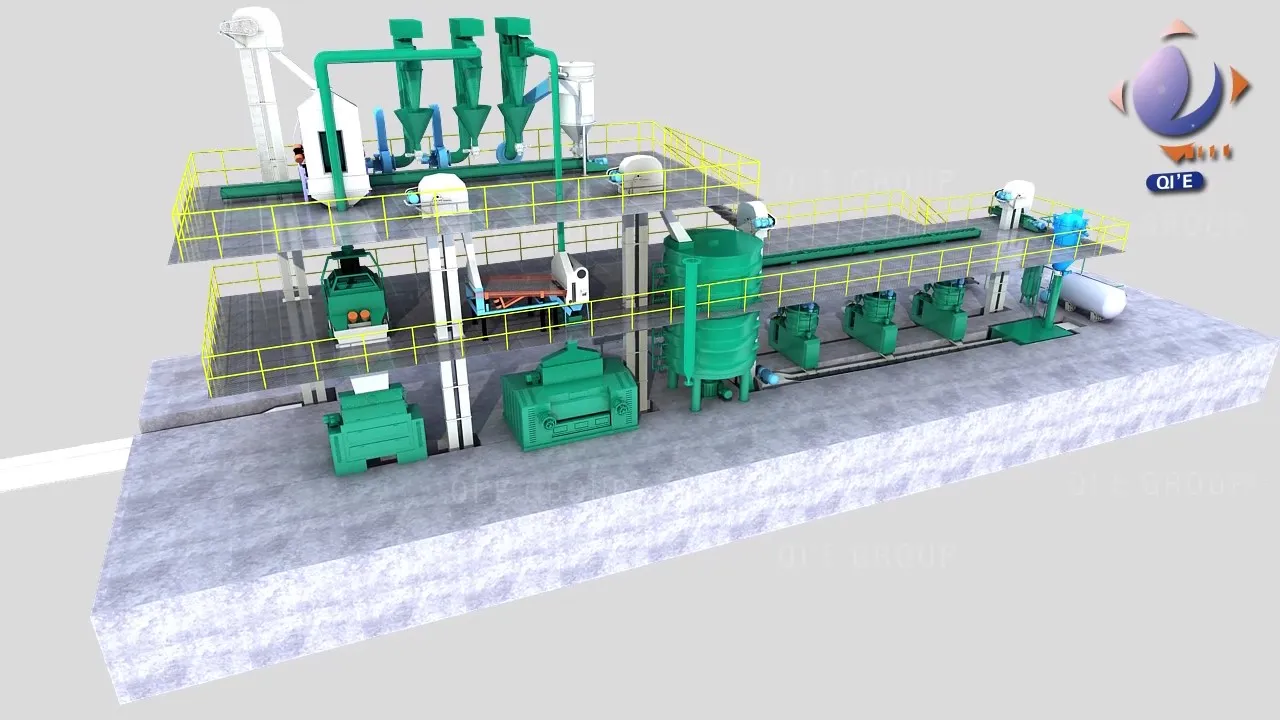
Modern coconut oil processing lines combine shelling, crushing, and pressing operations into a single integrated system. This integration not only saves valuable factory space but also minimizes material handling, reducing the risk of contamination and product loss. The typical capacity ranges from 500kg/h to 5000kg/h, with larger systems offering economies of scale that can lower production costs by approximately 8-10% compared to standalone equipment.
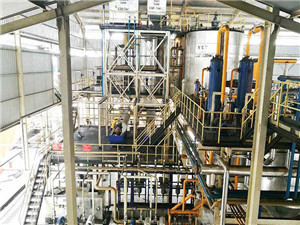
Proper installation is the foundation of efficient operation. Rushing this phase often leads to alignment issues, increased vibration, and premature wear. Follow these essential steps:
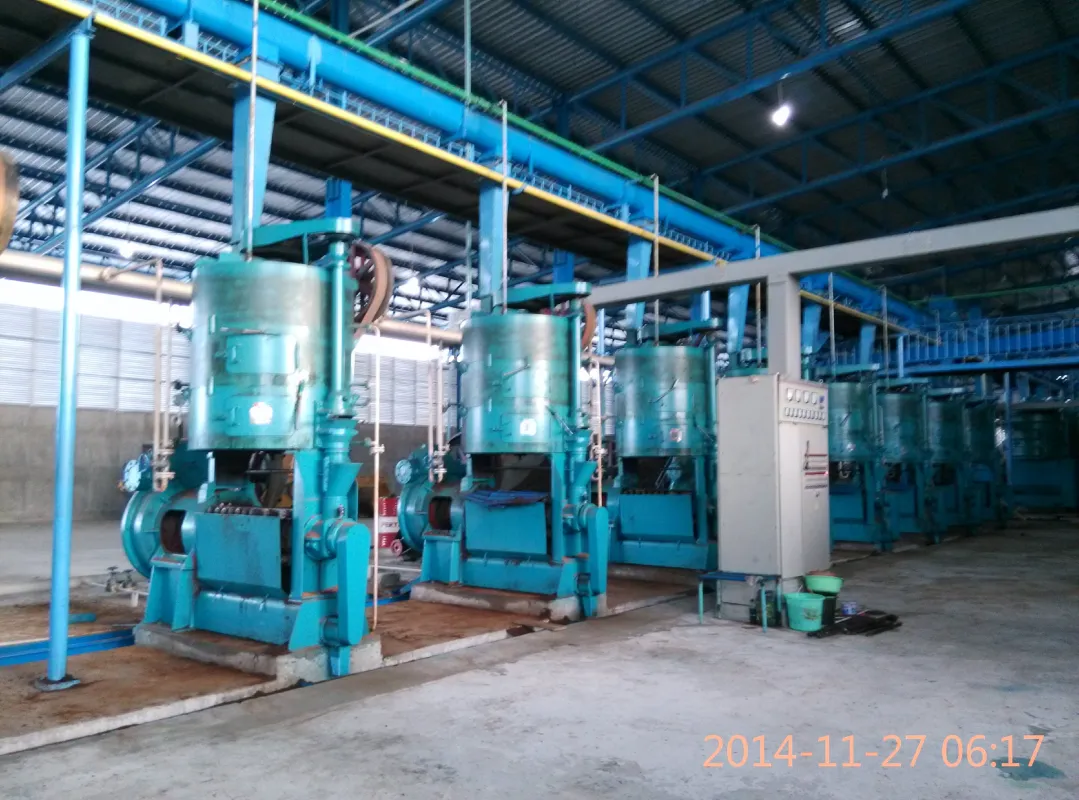
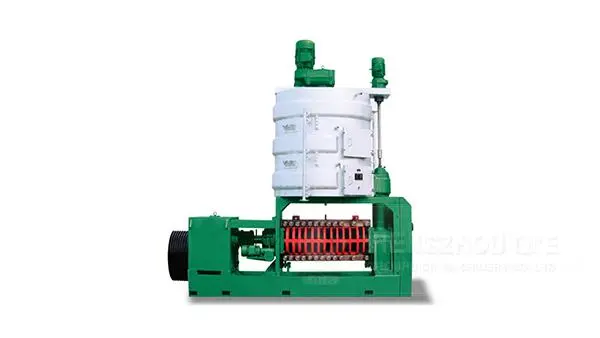
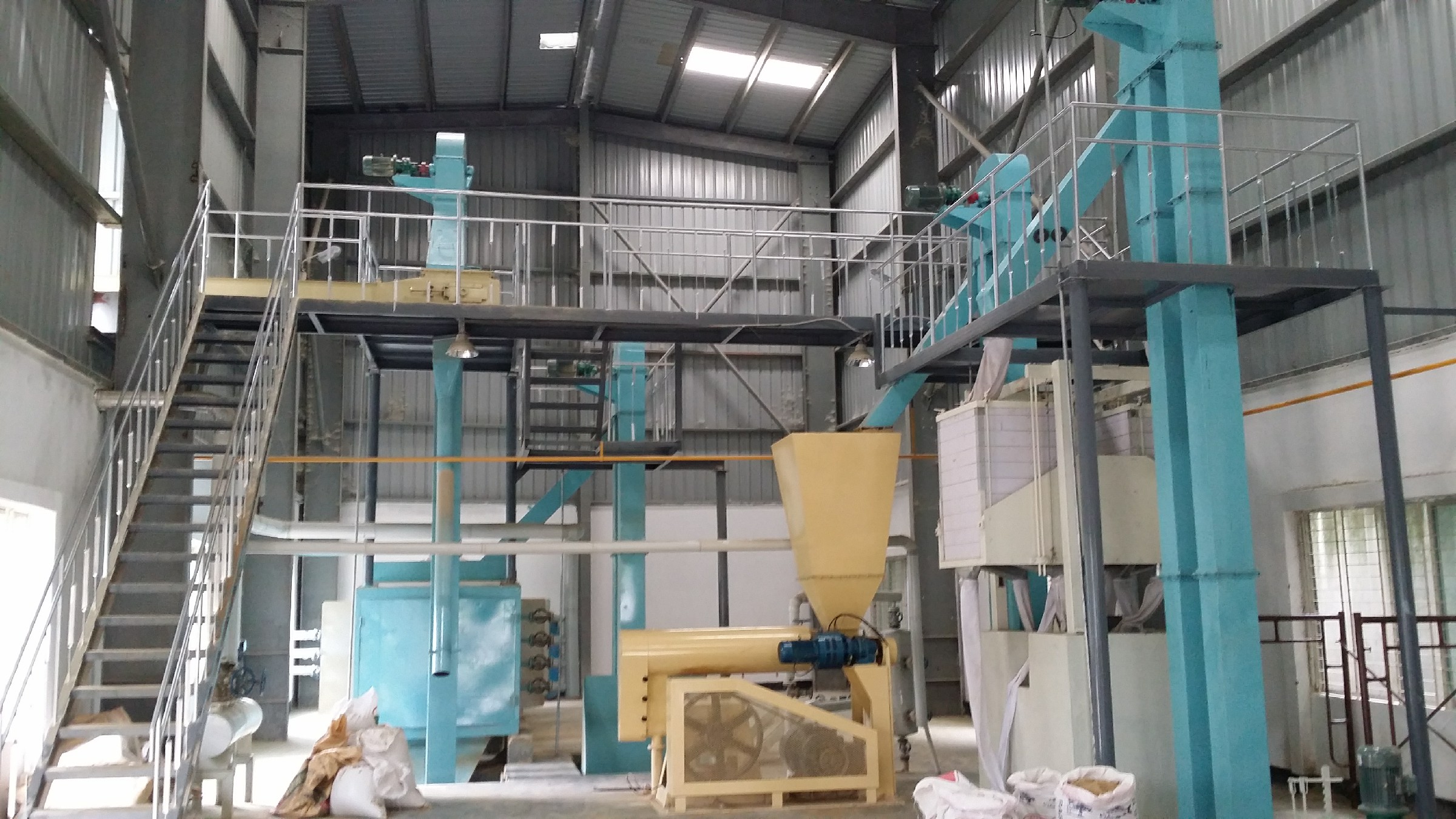
Begin by positioning the main pressing unit, ensuring it is perfectly level using precision spirit levels. Then install the shelling equipment in sequence, maintaining the recommended clearance of 3-5mm between connected components. All electrical connections must comply with local safety standards and be verified by a certified electrician.
Commissioning is where your processing line transitions from static equipment to a functioning production system. This phase typically takes 3-5 days for a standard line and requires systematic testing:
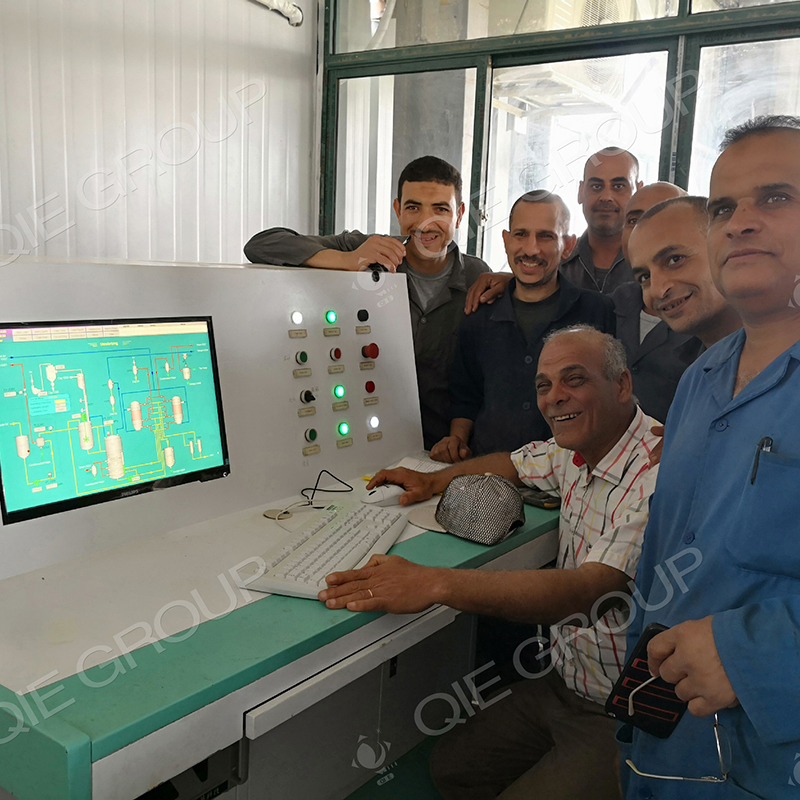
During commissioning, pay special attention to pressing pressure, which should be maintained between 18-22 MPa for optimal oil extraction. Monitor the temperature profile across the pressing chamber—ideal temperatures range from 65-75°C for virgin coconut oil production. Record all settings once optimal performance is achieved.
Preventive maintenance is crucial for minimizing downtime, which can cost producers $500-2000 per hour depending on line capacity. Implement this maintenance schedule:
| Component | Maintenance Interval | Key Tasks |
|---|---|---|
| Pressing Screws | Every 500 operating hours | Inspect for wear, measure clearance, replace if >0.3mm tolerance |
| Shelling Blades | Every 300 operating hours | Sharpen or replace, check alignment |
| Hydraulic System | Monthly | Check oil level, inspect hoses for leaks, test pressure relief valve |
Even with proper maintenance, issues can arise. Here's how to address the most common problems:
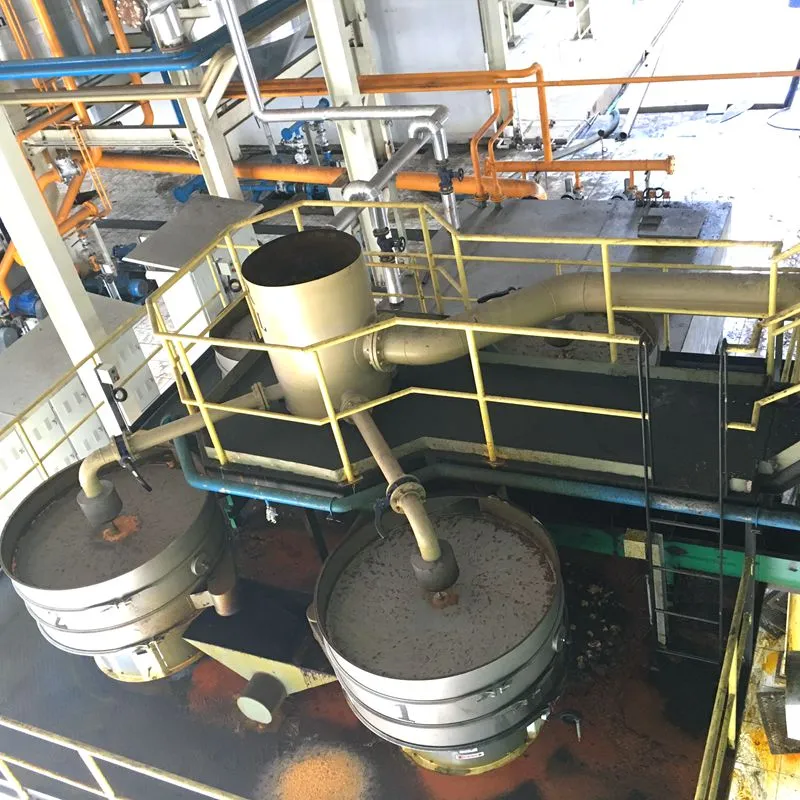
Implement variable frequency drives on motors to reduce energy consumption by 15-20% during partial load operation. Install heat recovery systems to capture waste heat from the pressing process, which can pre-heat incoming materials and reduce overall energy requirements by up to 12%.
For persistent issues or technical support, partnering with experienced equipment manufacturers like 企鹅集团 ensures access to specialized knowledge and genuine replacement parts. Their technical team can provide remote diagnostics and on-site support to minimize production interruptions.
Access expert technical support for your coconut oil processing line installation, commissioning, and maintenance needs.
Get Professional Processing Line Support palm oil production line customization
palm oil mill equipment selection
modular palm oil mill equipment
automated palm oil processing
QIE Group palm oil solutions
rice bran oil refining equipment international certification
export-oriented equipment selection
food safety management equipment standards
energy-efficient rice bran oil processing equipment
international quality standard machinery
palm oil production line energy saving
heat recovery system
reduce energy consumption per unit output
palm oil processing equipment upgrade
energy-efficient palm oil mill solutions
palm oil equipment maintenance
filtration blockage solutions
degumming efficiency improvement
equipment remote monitoring
palm oil production line optimization
automated sunflower seed cleaning and dehulling
sunflower oil production line efficiency
intelligent grain and oil processing equipment
fully automatic pressing production line
oil purity optimization technology
palm oil production line customization
palm oil mill equipment selection
modular palm oil mill equipment
automated palm oil processing
QIE Group palm oil solutions
rice bran oil refining equipment international certification
export-oriented equipment selection
food safety management equipment standards
energy-efficient rice bran oil processing equipment
international quality standard machinery
palm oil production line energy saving
heat recovery system
reduce energy consumption per unit output
palm oil processing equipment upgrade
energy-efficient palm oil mill solutions
palm oil equipment maintenance
filtration blockage solutions
degumming efficiency improvement
equipment remote monitoring
palm oil production line optimization
automated sunflower seed cleaning and dehulling
sunflower oil production line efficiency
intelligent grain and oil processing equipment
fully automatic pressing production line
oil purity optimization technology



.png?x-oss-process=image/resize,h_100,m_lfit/format,webp)
.png?x-oss-process=image/resize,h_100,m_lfit/format,webp)
.png?x-oss-process=image/resize,h_100,m_lfit/format,webp)