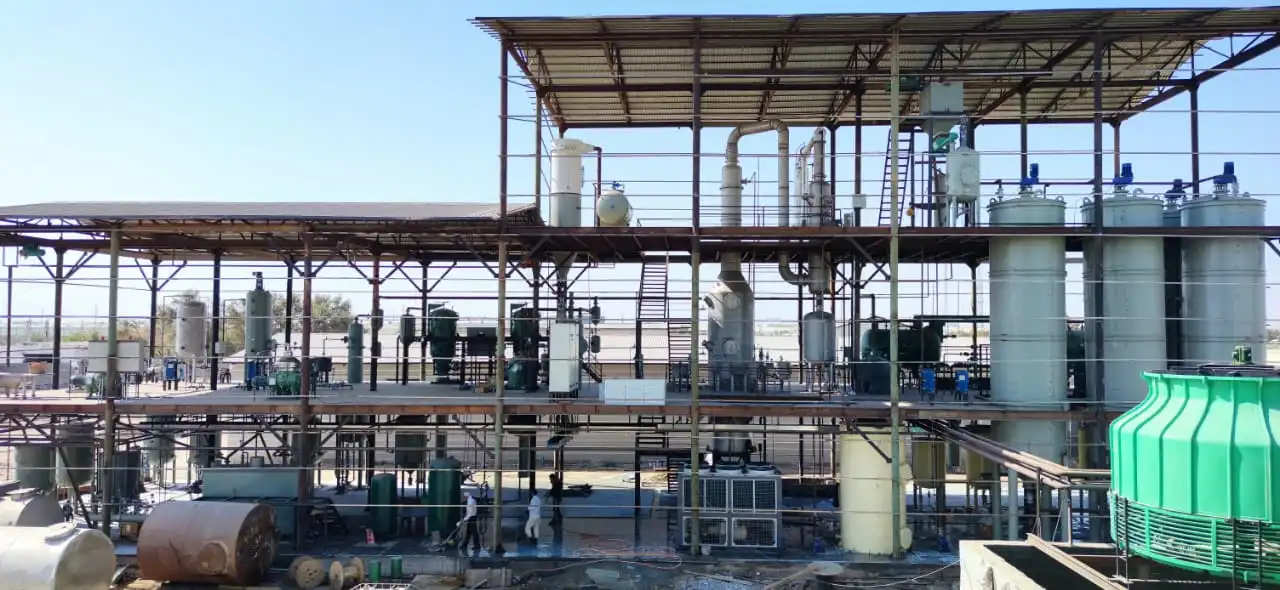
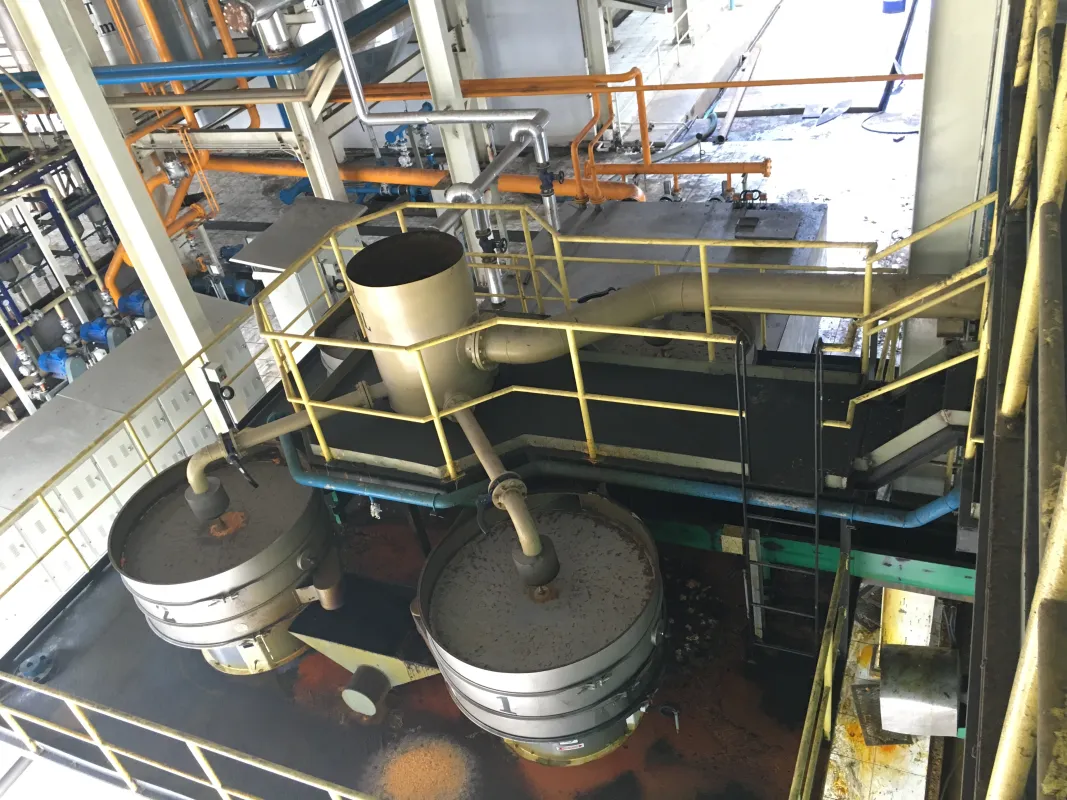
The coconut oil industry is experiencing unprecedented growth, with global production reaching 3.5 million metric tons annually. For manufacturers investing in coconut oil processing lines, the installation and commissioning phase represents a critical juncture that directly impacts long-term operational efficiency and profitability. This comprehensive guide explores the complete process of setting up integrated coconut oil processing systems, focusing on shell-on/shell-off and pressing integration technology that can increase extraction efficiency by up to 22% compared to traditional methods.
Proper installation lays the groundwork for optimal performance. The process begins with site preparation, requiring a level concrete foundation capable of supporting equipment weighing between 4,500-7,800 kg depending on production capacity. Environmental control is equally critical—maintaining temperatures between 25-30°C and relative humidity at 65-75% prevents condensation issues that could compromise oil quality.
Precision alignment between components is essential. Misalignment exceeding 0.5mm can cause excessive vibration, reducing equipment lifespan by up to 30%. Professional installation teams typically complete the mechanical setup within 7-10 days for standard capacity lines (500-1,000 kg/h), with an additional 3-5 days for electrical integration and safety checks.

Commissioning transforms installed equipment into a fully operational system. This phase involves systematic testing and adjustment to achieve the optimal balance between extraction efficiency, oil quality, and energy consumption. Start-up procedures should follow a gradual ramp-up protocol, beginning at 30% capacity and increasing by 15% increments every 2 hours to prevent mechanical stress.
| Parameter | Optimal Setting | Impact if Incorrect |
|---|---|---|
| Pressing Temperature | 65-70°C | ±5% extraction efficiency |
| Screw Rotation Speed | 45-55 RPM | Increased wear, reduced output |
| Feed Rate | 80-90% capacity | Clogging or inefficient pressing |
During commissioning, operators should monitor key performance indicators hourly, including oil yield (target: 65-70% for copra), moisture content (ideal: 6-8%), and power consumption (typically 1.2-1.5 kWh per 100 kg processed). Modern systems like those offered by Penguin Group incorporate advanced sensors that automatically adjust parameters in real-time, reducing the need for manual intervention.
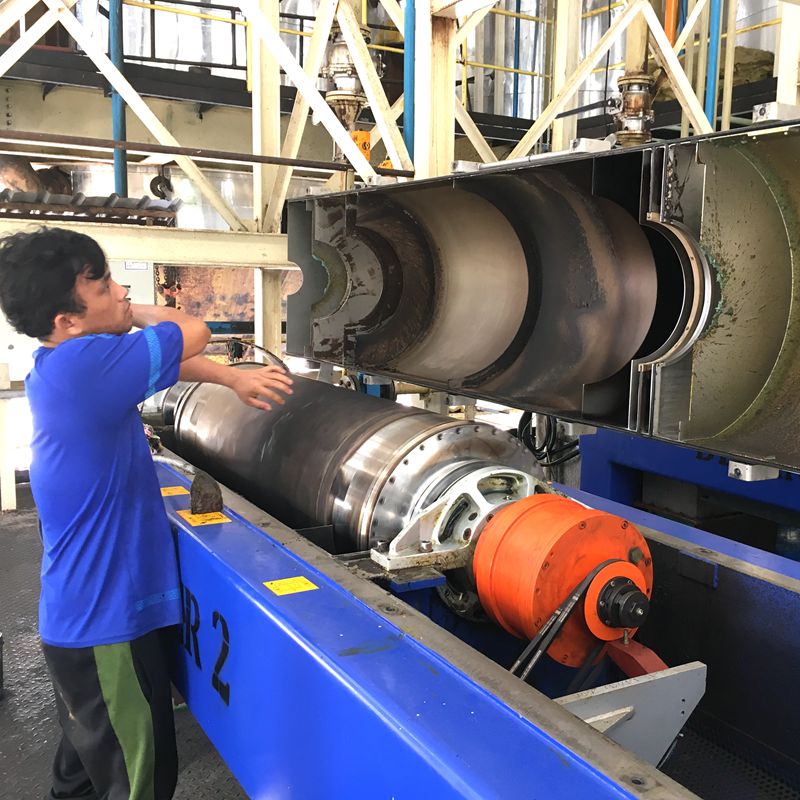
Preventive maintenance is the cornerstone of reliable operation. A well-implemented program can reduce unplanned downtime by 40-50% and extend equipment lifespan to 10-15 years. Critical maintenance tasks include daily lubrication of moving parts, weekly inspection of screens and filters, and monthly calibration of sensors and gauges.
Low Extraction Yield: Check for worn pressing screws (replace every 3,000 operating hours) or improper moisture content. A 1% increase in moisture can reduce yield by 2-3%.
Excessive Noise/Vibration: Verify alignment of drive components and check for bearing wear. Temperature rise in bearings should not exceed 40°C above ambient.
Oil Quality Issues: Inspect filtration systems and ensure pressing temperature stays within optimal range. Off-spec oil typically requires reprocessing, increasing costs by 15-20%.
Implementing a computerized maintenance management system (CMMS) allows tracking of maintenance activities, spare parts inventory, and equipment performance trends. Most operators find that dedicating 2-3 hours per day to preventive maintenance prevents costly production interruptions and maintains consistent product quality.
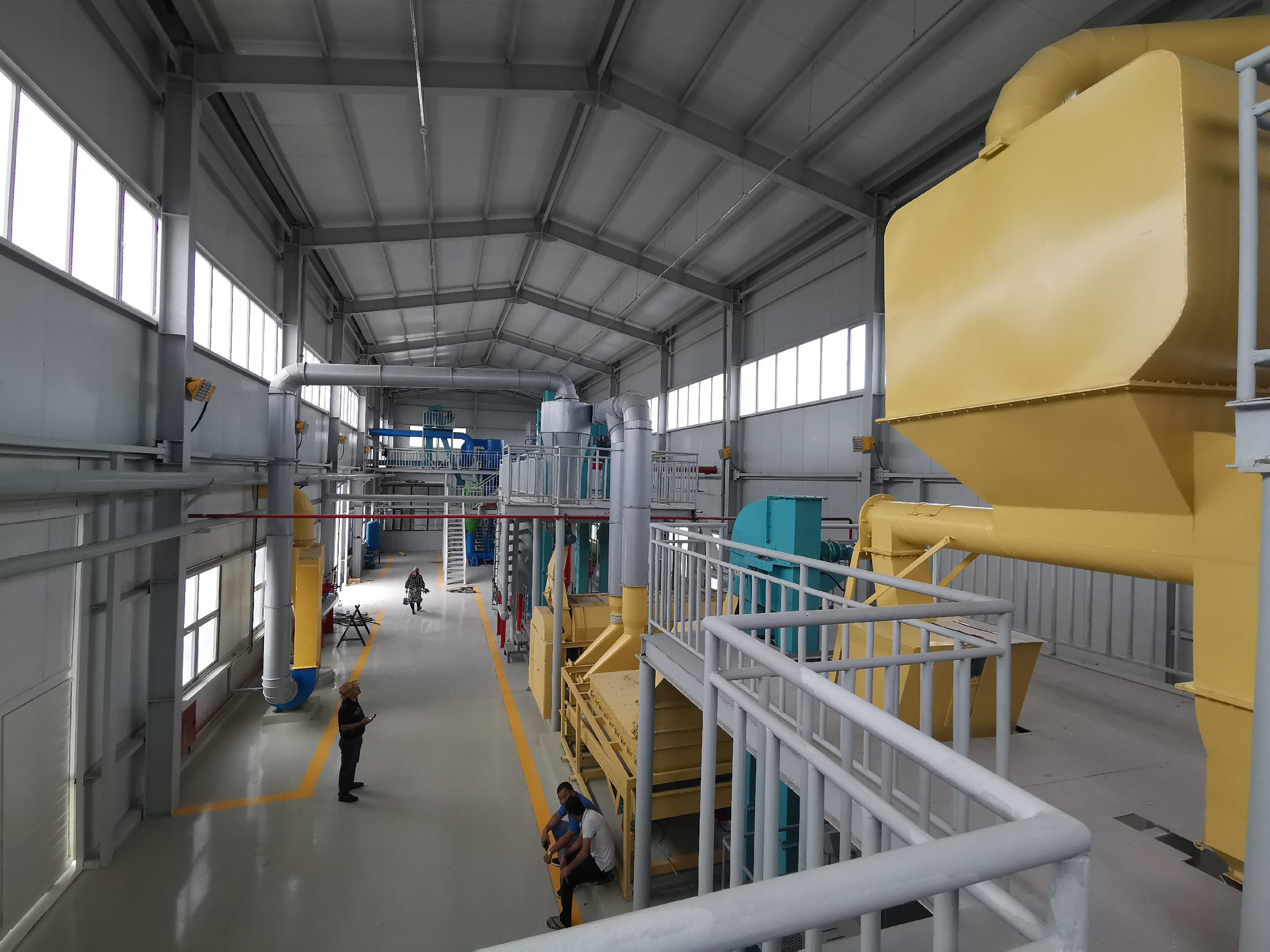
Energy consumption represents 25-30% of total operational costs in coconut oil processing. Implementing energy-saving measures can result in savings of 15-20% annually. Variable frequency drives (VFDs) on motors reduce energy use during partial load conditions, while heat recovery systems capture waste heat from pressing operations for use in drying processes.
Optimal scheduling also plays a role in energy efficiency. Running the line during off-peak electricity hours can reduce energy costs by 10-15% in many regions. Additionally, regular cleaning of heat exchangers and maintaining proper insulation on process equipment prevents heat loss and improves overall thermal efficiency.
Penguin Group offers comprehensive technical support for coconut oil processing lines, from initial installation to ongoing maintenance. Our team of experts can help you optimize your production process for maximum yield and minimal downtime.
Get Expert Technical Support NowSafety remains paramount throughout all operations. Regular safety training for operators reduces accident rates by 60-70%. Key safety protocols include lockout/tagout procedures during maintenance, proper ventilation in processing areas, and regular inspection of emergency stop systems. By integrating these practices into daily operations, manufacturers can achieve consistent production while maintaining the highest safety standards.
 palm oil production line customization
palm oil mill equipment selection
modular palm oil mill equipment
automated palm oil processing
QIE Group palm oil solutions
Fully automated rice bran oil production line
Energy-saving and environment-friendly oil equipment
Edible oil refining technology
Industrial automated processing system
Export-oriented grain and oil production
automated rice bran oil processing
food safety in oil production
heat recovery in oil refining
solvent recovery efficiency
pollution control in edible oil manufacturing
rice bran oil refining automation
energy-efficient refining equipment
edible oil quality safety
critical control point management
online detection technology
rice bran oil refining automation
bleaching and deodorization process
food safety in oil processing
critical control point management
automated oil purification technology
palm oil production line customization
palm oil mill equipment selection
modular palm oil mill equipment
automated palm oil processing
QIE Group palm oil solutions
Fully automated rice bran oil production line
Energy-saving and environment-friendly oil equipment
Edible oil refining technology
Industrial automated processing system
Export-oriented grain and oil production
automated rice bran oil processing
food safety in oil production
heat recovery in oil refining
solvent recovery efficiency
pollution control in edible oil manufacturing
rice bran oil refining automation
energy-efficient refining equipment
edible oil quality safety
critical control point management
online detection technology
rice bran oil refining automation
bleaching and deodorization process
food safety in oil processing
critical control point management
automated oil purification technology





.png?x-oss-process=image/resize,h_100,m_lfit/format,webp)
.png?x-oss-process=image/resize,h_100,m_lfit/format,webp)
.png?x-oss-process=image/resize,h_100,m_lfit/format,webp)