Starting a coconut oil processing business can feel overwhelming, especially when selecting the right equipment that balances efficiency, quality, and budget. As a small or medium-sized enterprise, you face unique challenges—from handling variable coconut sizes to meeting environmental standards while keeping operational costs manageable. This guide will walk you through the critical factors in choosing coconut oil production equipment that grows with your business.
Many new processors focus solely on upfront purchase price, overlooking long-term operational expenses. A typical 3-ton/day coconut oil line with inefficient energy use can increase monthly utility bills by 25-35% compared to energy-efficient models. Worse, inadequate filtration systems may require additional processing steps, increasing labor costs by 15-20 hours/week for re-filtering batches.
"We initially bought a cheaper machine without considering our future growth. Within six months, we were bottlenecked by its 500kg/day capacity and spending extra on manual dehusking. Upgrading to an integrated system saved us 12 labor hours weekly and doubled our output." — Southeast Asian coconut processor, 2023
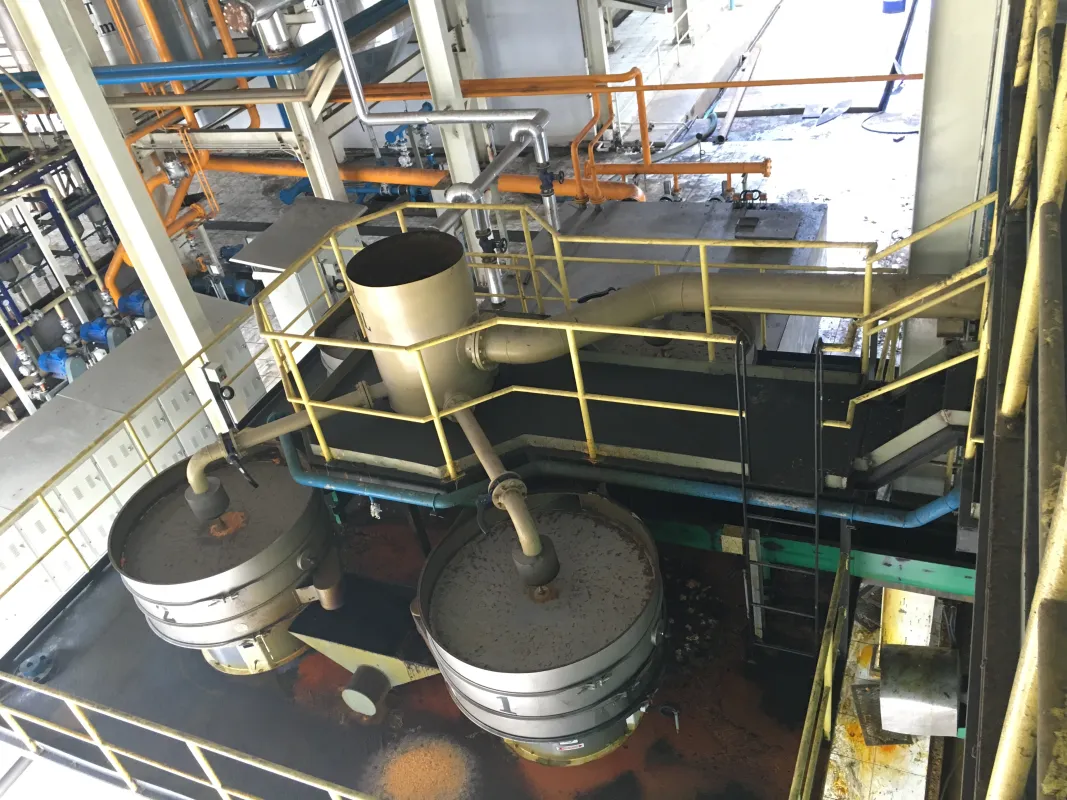
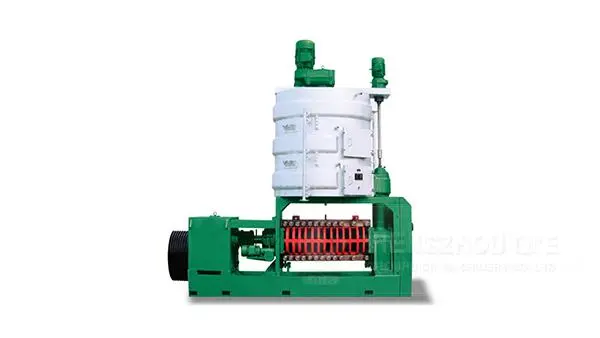
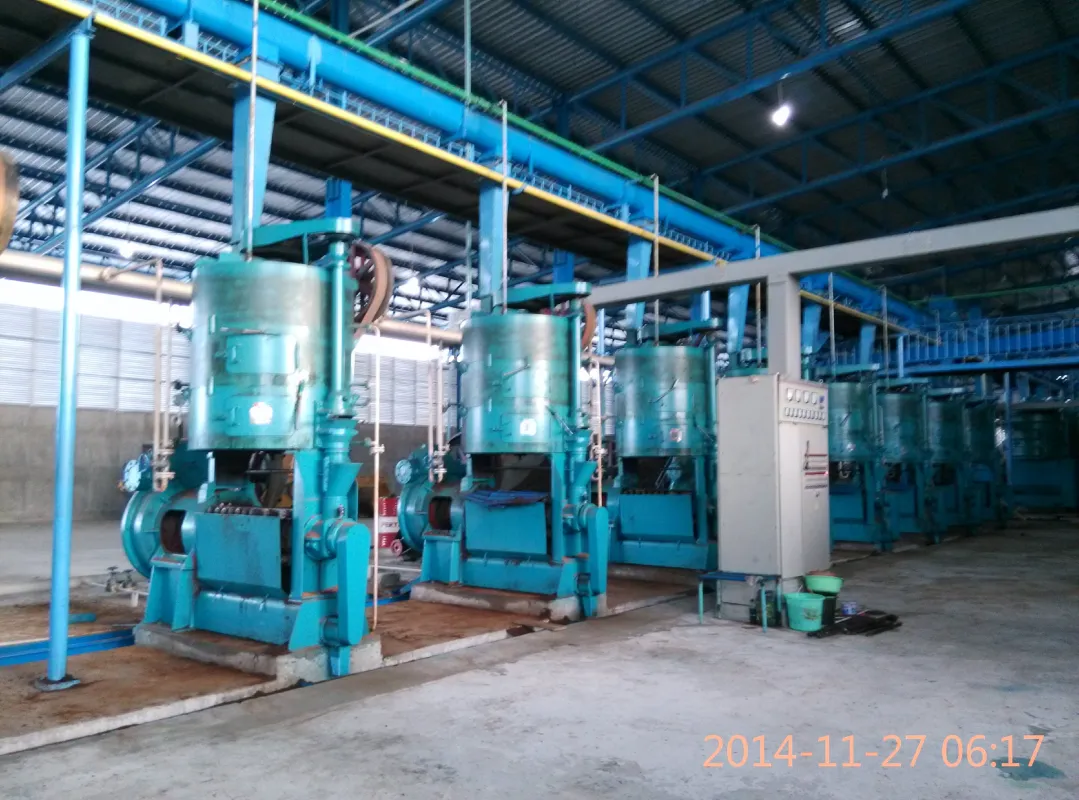
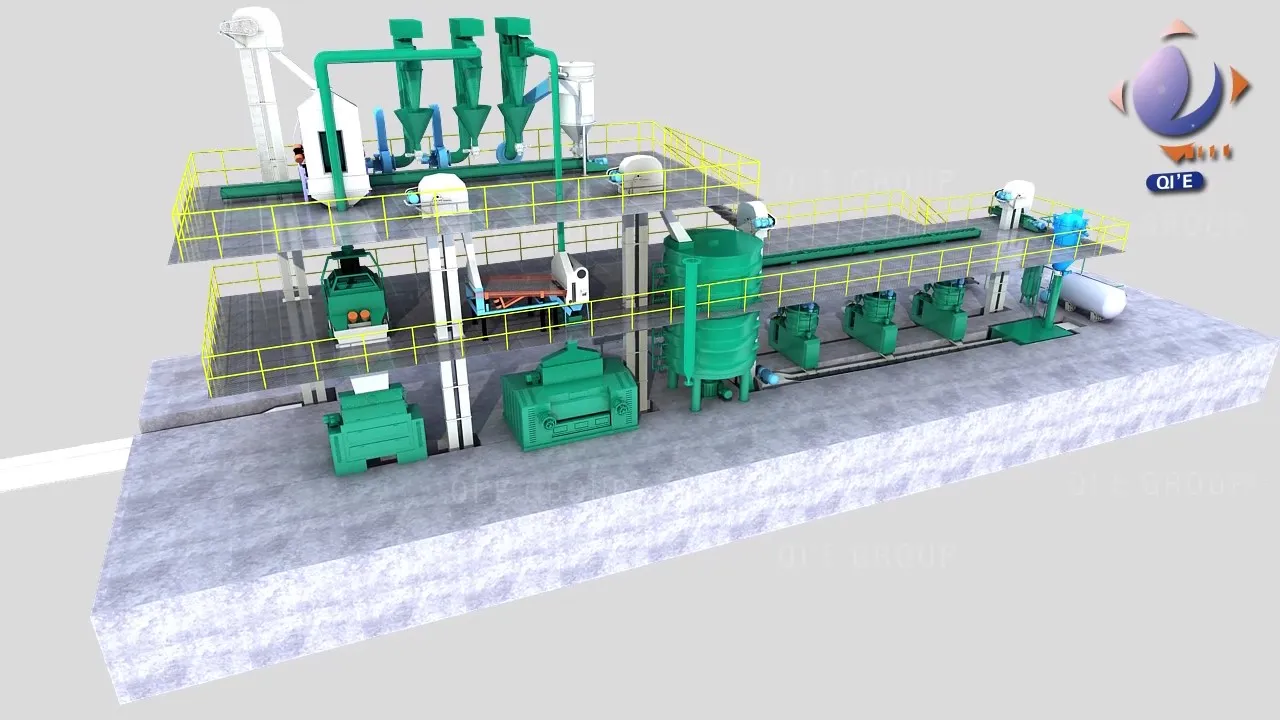
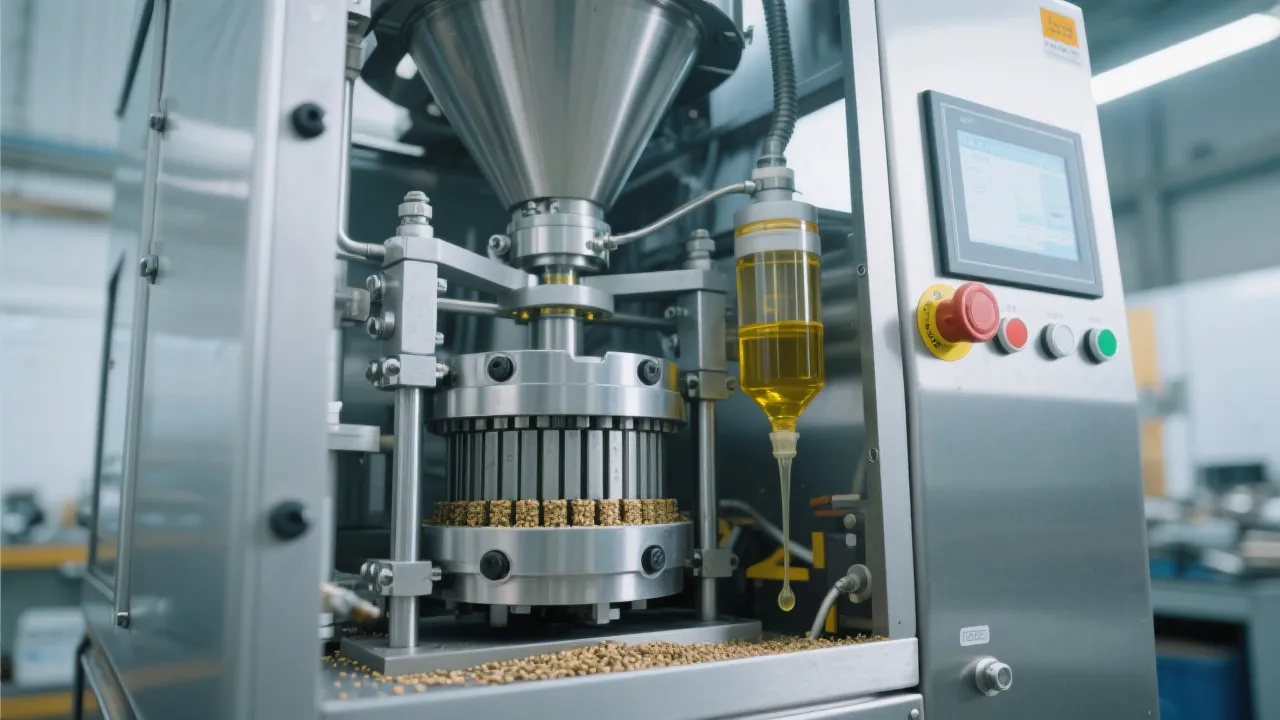
Effective equipment selection starts with understanding your entire production chain. Modern integrated systems combine four critical stages into a seamless process:
Look for machines handling 80-120 coconuts/minute with adjustable settings for different coconut sizes.企鹅集团's dual-pressure dehusking technology reduces shell residue to less than 0.5%.
Optimal moisture control (60-65%) during grinding increases oil yield by 8-12%. Screw press efficiency should maintain 55-60% extraction rate for copra with 6-8% moisture content.
Multi-stage filtration with 5-10 micron precision removes particulate matter without excessive pressure, preserving natural oil properties and extending shelf life.
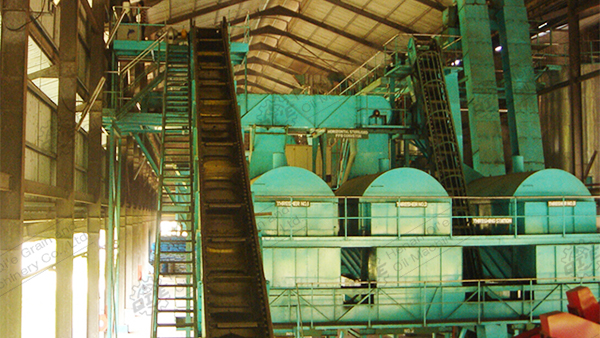
Not all equipment specifications are created equal. Focus on these critical parameters that directly impact your bottom line:
| Parameter | Minimum Standard | Optimal Range | Impact |
|---|---|---|---|
| Energy Consumption | ≤1.2 kWh/kg oil | 0.8-1.0 kWh/kg oil | 30% reduction in electricity costs |
| Oil Extraction Rate | ≥50% | 55-62% | Additional 80-120kg oil/day for 1-ton capacity |
| Filtration Precision | ≤20 microns | 5-10 microns | Extended shelf life by 3-6 months |
| Maintenance Interval | ≤500 hours | 800-1000 hours | Reduced downtime by 40% |
Equipment certifications aren't just paperwork—they're quality guarantees. Look for ISO 9001 for manufacturing quality and CE certification for safety standards. These certifications ensure your equipment meets international quality benchmarks, which becomes critical when exporting your coconut oil to markets like the EU or North America.

Equally important is responsive after-sales support. A 24-hour technical hotline and on-site service within 72 hours can mean the difference between a minor production delay and a week-long shutdown. When evaluating suppliers, ask for references from customers in your region who can verify service response times.
A recent customer in the Philippines faced typical startup challenges: limited space, varying coconut quality, and strict local environmental regulations. By implementing企鹅集团's compact 1-ton/day integrated system, they achieved:
Most impressively, their team completed installation, training, and first production run within just 7 days—avoiding the typical 2-3 week setup period of conventional systems.
Your equipment should grow with your business. When evaluating options, consider:
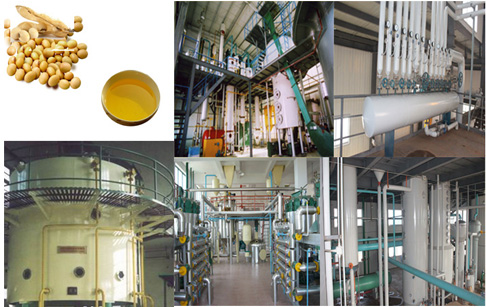
Download our free Coconut Oil Equipment Selection Checklist to compare models objectively and ensure you're making an investment that pays off for years to come.
Get Your Free Checklist NowRemember, the right equipment isn't just about meeting today's needs—it's about building a foundation for sustainable growth. By focusing on efficiency, quality, and scalability, you'll position your coconut oil business for long-term success in competitive global markets.
 rice bran oil refining equipment
ISO9001 compliant equipment
HACCP food safety standards
export food processing equipment
food-grade refining technology
Fully automated rice bran oil production line
Energy-saving and environment-friendly oil equipment
Edible oil refining technology
Industrial automated processing system
Export-oriented grain and oil production
rice bran oil refining process
automated oil processing equipment
GB 2716 compliance
oil purity enhancement
food safety in edible oil production
coconut oil extraction process
efficient pressing technology
small coconut oil production line
coconut dehusking equipment
coconut oil production optimization
rice bran oil refining process
automated oil refining equipment
deacidification technology
multi-stage filtration system
food safety standards
rice bran oil refining equipment
ISO9001 compliant equipment
HACCP food safety standards
export food processing equipment
food-grade refining technology
Fully automated rice bran oil production line
Energy-saving and environment-friendly oil equipment
Edible oil refining technology
Industrial automated processing system
Export-oriented grain and oil production
rice bran oil refining process
automated oil processing equipment
GB 2716 compliance
oil purity enhancement
food safety in edible oil production
coconut oil extraction process
efficient pressing technology
small coconut oil production line
coconut dehusking equipment
coconut oil production optimization
rice bran oil refining process
automated oil refining equipment
deacidification technology
multi-stage filtration system
food safety standards




.png?x-oss-process=image/resize,h_100,m_lfit/format,webp)
.png?x-oss-process=image/resize,h_100,m_lfit/format,webp)
.png?x-oss-process=image/resize,h_100,m_lfit/format,webp)