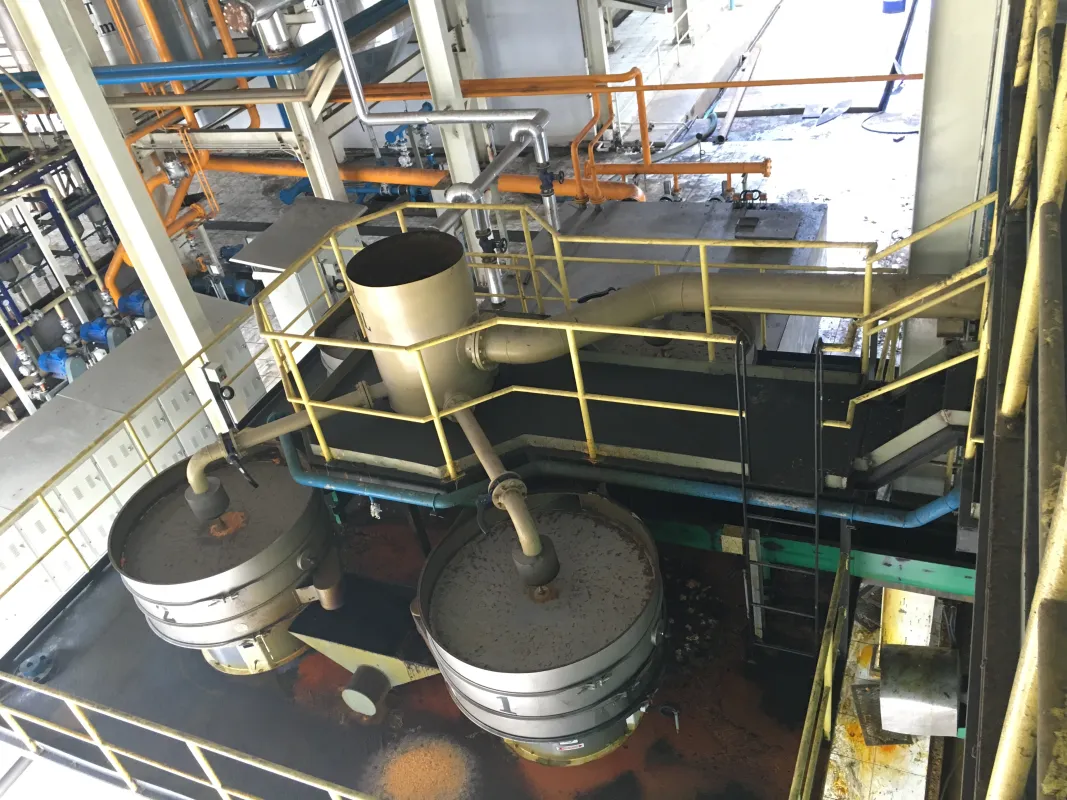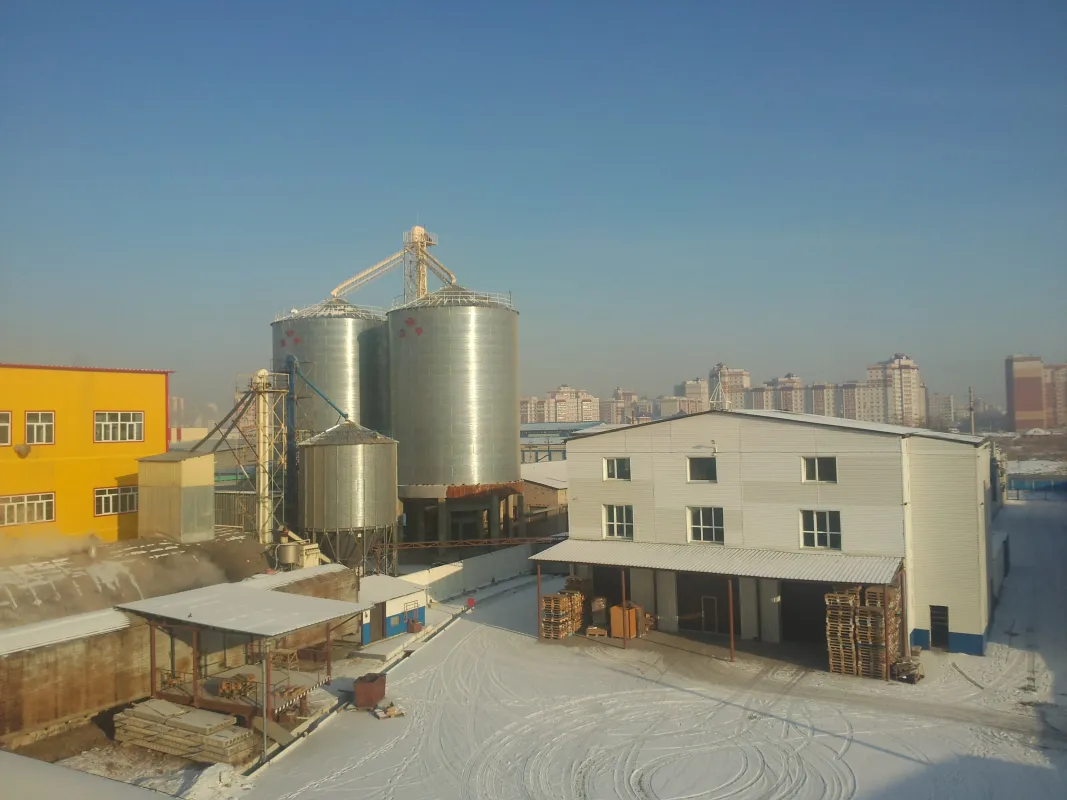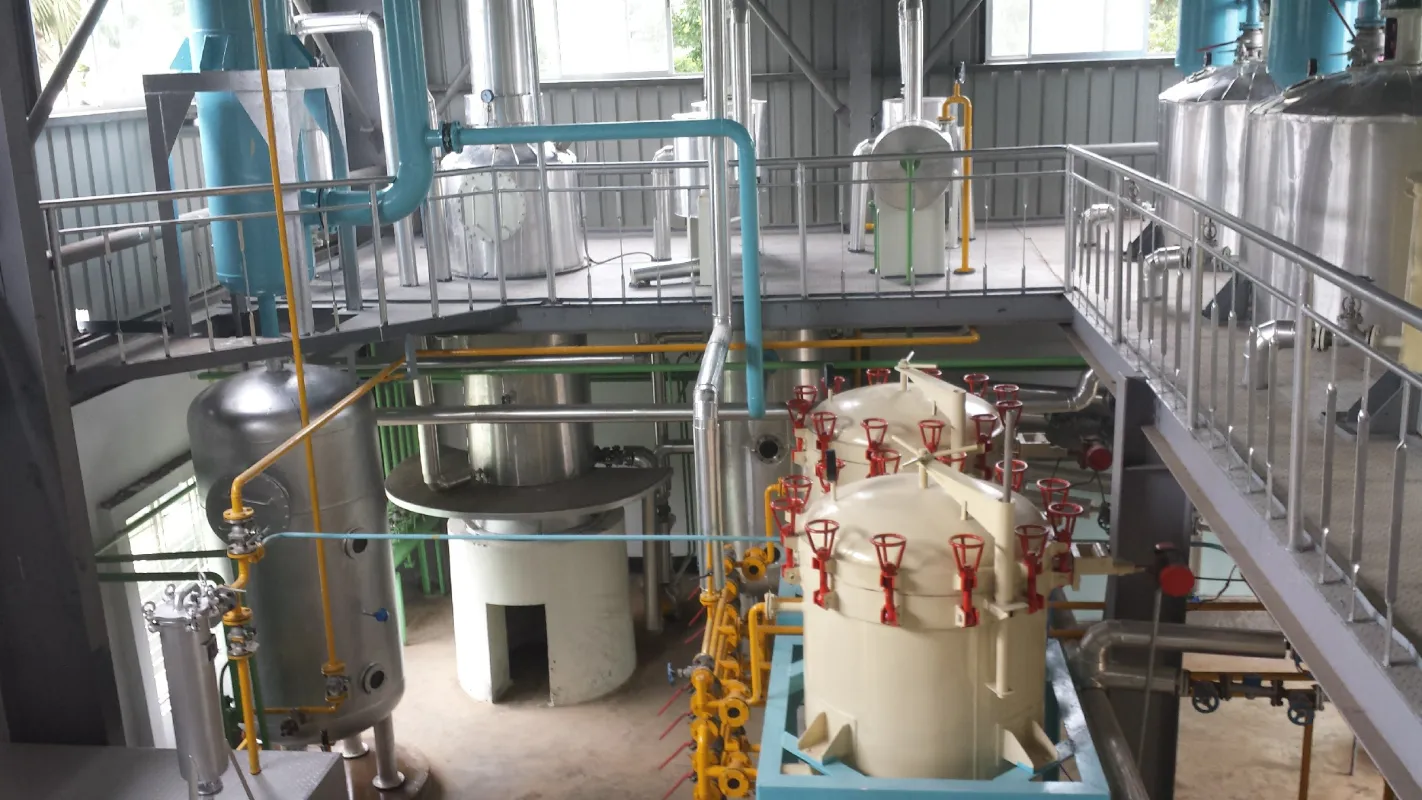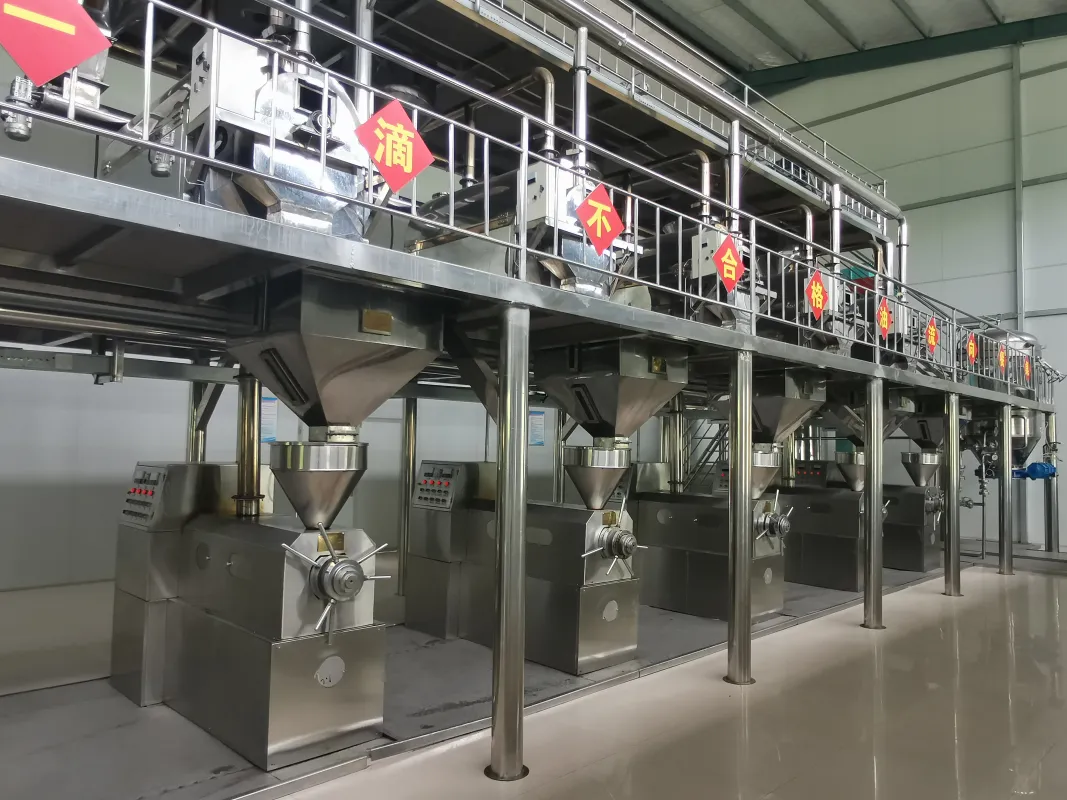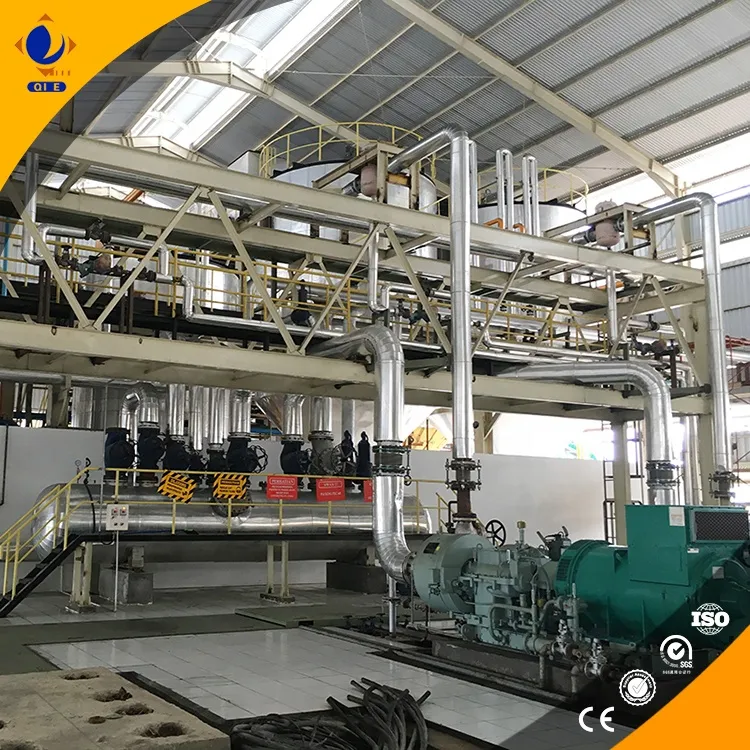
In the competitive landscape of coconut oil production, small and medium-sized enterprises (SMEs) often face significant challenges in balancing efficiency, quality, and operational costs. The critical first step—coconut dehusking—frequently becomes a bottleneck that directly impacts overall yield and profitability. This comprehensive guide explores how 带壳椰子脱壳技术 (shell-on coconut dehusking technology) developed by Penguin Group is revolutionizing small-scale coconut oil production, delivering measurable improvements in oil extraction rates while minimizing waste.
Traditional manual dehusking methods typically result in 15-20% loss of copra (dried coconut meat) due to inefficient shell removal and meat damage. Modern mechanical dehusking systems, by contrast, can reduce this loss to as low as 5-7% while increasing processing capacity by 300-400% compared to manual operations.
Technical Insight:
The key to effective dehusking lies in precise pressure application and rotational force that separates the fibrous husk from the hard shell without compressing the inner meat. Penguin Group's proprietary dehusking mechanism achieves this through adjustable roller spacing and variable speed control, accommodating coconuts of different sizes (typically 150-250mm in diameter).

The initial dehusking process removes approximately 30-35% of the coconut's total weight (fibrous husk), which can be repurposed as biomass fuel or organic fertilizer—a valuable secondary revenue stream for SMEs. The subsequent cleaning station removes residual husk particles and surface contaminants using high-pressure water jets (8-10 bar pressure) with minimal water consumption (150-200 liters per hour).
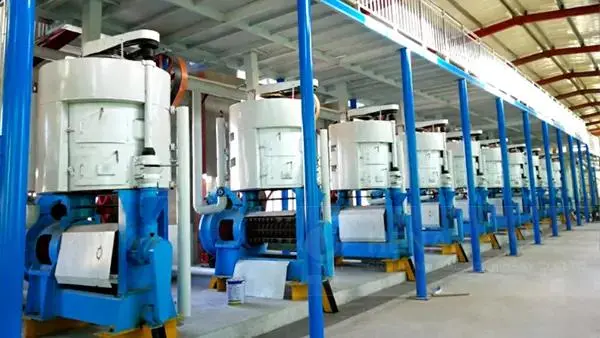
After dehusking, the coconut shells are cracked and the meat is grated into particles of 3-5mm size. This optimal particle size increases surface area for pressing, resulting in 5-8% higher oil yield compared to larger particle sizes. Penguin Group's integrated pressing system employs a two-stage process: initial cold pressing at 45-50°C extracts 75-80% of available oil, followed by a secondary hot pressing at 60-65°C to recover an additional 12-15%.
The dual-stage filtration system removes particulate matter and impurities down to 5 microns, producing virgin coconut oil with 99.8% clarity. The closed-loop system minimizes oxidation during processing, extending shelf life by 3-6 months compared to open-air filtration methods. This results in a final product that meets international food safety standards (FDA, EC 1881/2006) with free fatty acid content below 0.3%.
Modern coconut oil production equipment must balance productivity with environmental responsibility. Penguin Group's small-scale生产线 incorporates several eco-friendly features:
Over-processing: Excessive grinding creates heat that accelerates oxidation, reducing oil quality and shelf life.
Inadequate moisture control: Copra with moisture content above 6% requires longer drying time and increases microbial contamination risk.
Ignoring maintenance schedules: Blade sharpening and filter replacement should occur every 40-50 hours of operation to maintain efficiency.

Global market trends show increasing demand for organic and sustainably produced coconut oil, with premium prices of 15-20% above conventional products. Small-scale producers can capitalize on this trend by implementing technology that ensures consistency and quality. Penguin Group's integrated systems provide traceability features that document each production stage, from coconut sourcing to final packaging—an essential requirement for entering high-value markets in Europe and North America.
Discover how Penguin Group's 小型椰子油生产设备 can increase your oil yield by 12-18% while reducing operational costs. Our technical specialists provide personalized production optimization plans tailored to your specific requirements.
Explore Efficient Pressing Technology DetailsAs the coconut oil market continues to grow at a CAGR of 8.2% (2023-2028), according to industry reports, the adoption of efficient processing technology becomes not just a competitive advantage but a necessity for sustainable business growth. By focusing on the critical early stages of production—starting with effective dehusking—small and medium enterprises can position themselves for success in both local and international markets.
 automated rice bran preprocessing
rice bran oil processing equipment
energy-efficient oil extraction
industrial automation in food processing
export-oriented edible oil production
rice bran oil refining automation
energy-efficient refining equipment
edible oil quality safety
critical control point management
online detection technology
rice bran oil refining process
automated oil refining equipment
deacidification technology
multi-stage filtration system
food safety standards
palm oil production line custom design
modular oil mill equipment
automated grading configuration
palm oil processing equipment selection
Australia palm oil processing solution
sunflower oil extraction process
sunflower oil refining technology
improve sunflower oil yield
oil extraction equipment optimization
edible oil processing
automated rice bran preprocessing
rice bran oil processing equipment
energy-efficient oil extraction
industrial automation in food processing
export-oriented edible oil production
rice bran oil refining automation
energy-efficient refining equipment
edible oil quality safety
critical control point management
online detection technology
rice bran oil refining process
automated oil refining equipment
deacidification technology
multi-stage filtration system
food safety standards
palm oil production line custom design
modular oil mill equipment
automated grading configuration
palm oil processing equipment selection
Australia palm oil processing solution
sunflower oil extraction process
sunflower oil refining technology
improve sunflower oil yield
oil extraction equipment optimization
edible oil processing





.png?x-oss-process=image/resize,h_100,m_lfit/format,webp)
.png?x-oss-process=image/resize,h_100,m_lfit/format,webp)
.png?x-oss-process=image/resize,h_100,m_lfit/format,webp)