For B2B manufacturers in the edible oil industry, selecting between cold pressing and solvent extraction is more than a technical choice—it’s a strategic decision that impacts yield, quality, cost, and market positioning. Whether you're scaling up from artisanal batches or optimizing large-scale production, understanding the core differences can make or break your product’s value proposition.
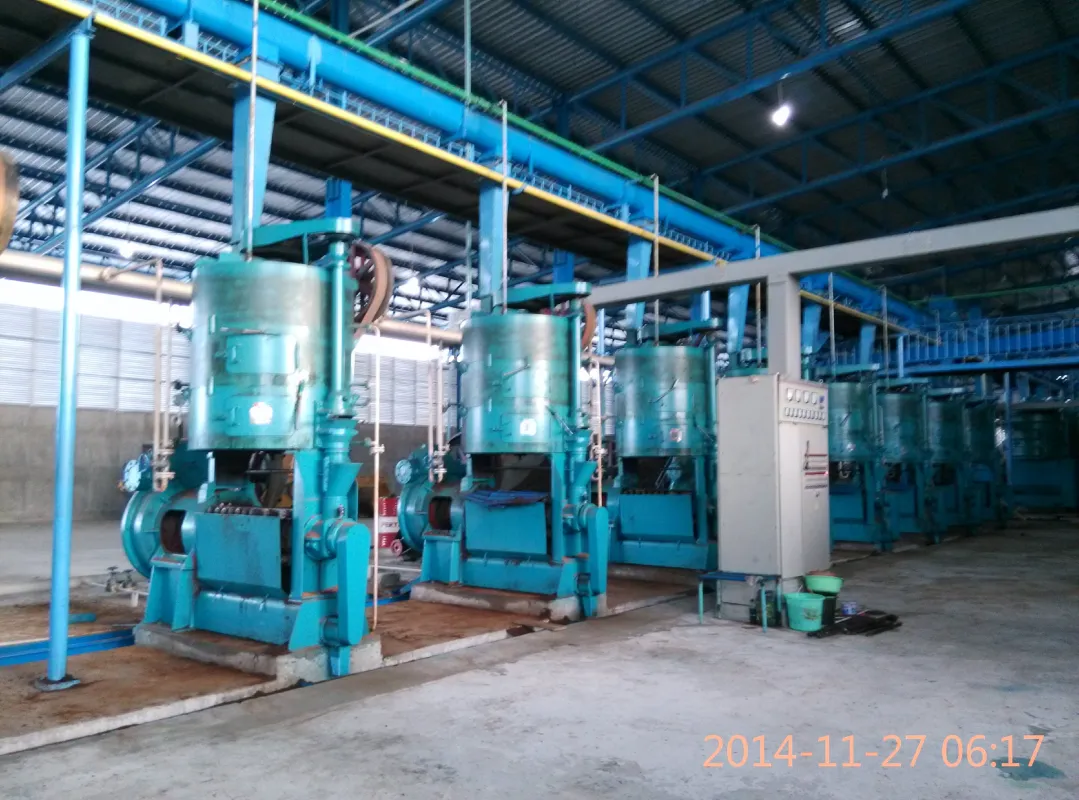
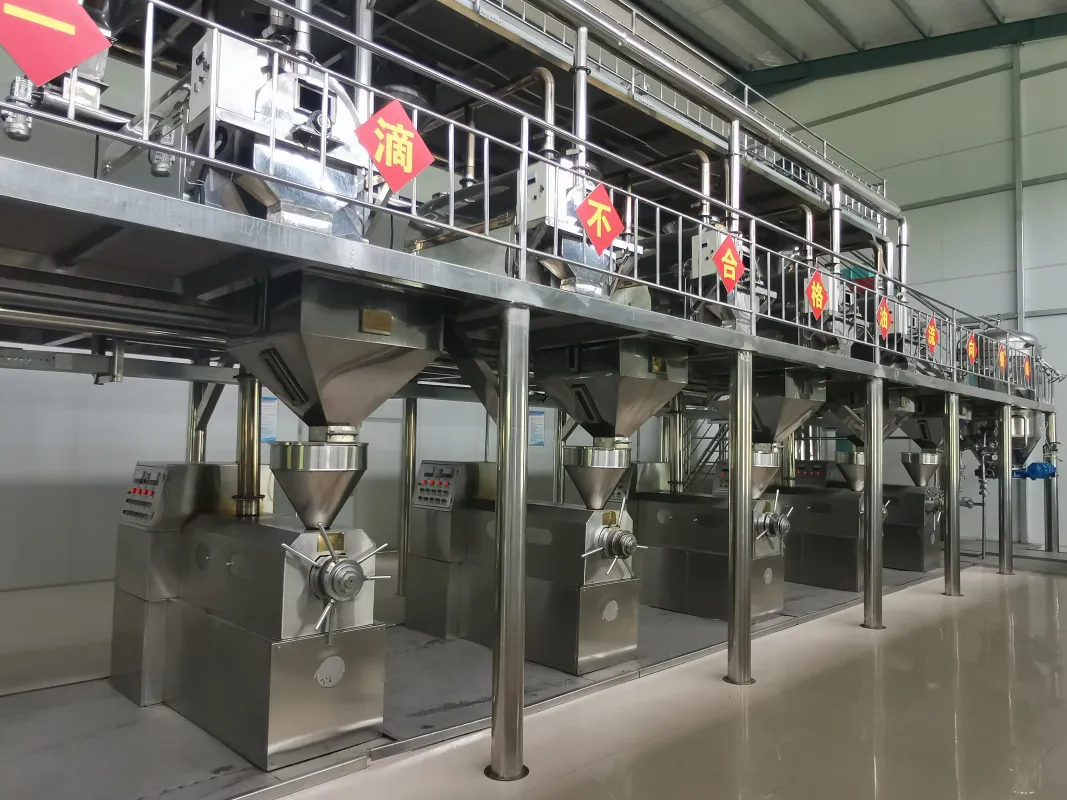
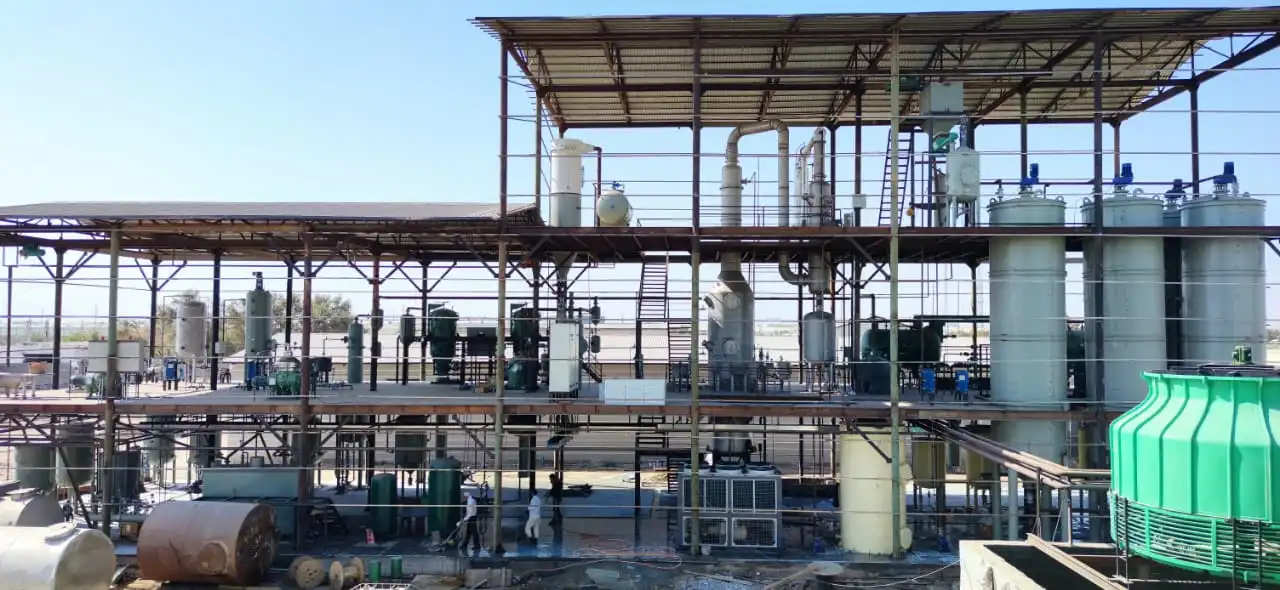
Cold pressing uses mechanical force to extract oil at temperatures below 40°C (104°F), preserving natural nutrients like vitamin E, phytosterols, and omega-3s. This method typically yields 65–75% of total oil content per batch, with higher labor intensity and lower throughput. In contrast, solvent extraction—using hexane or alternative green solvents—achieves 95–98% efficiency by dissolving residual oil from pressed meal, ideal for high-volume operations where consistency and cost control are critical.
| Feature | Cold Press | Solvent Extraction |
|---|---|---|
| Oil Yield (%) | 65–75% | 95–98% |
| Nutrient Retention | High (Vit E, polyphenols) | Moderate (some loss during refining) |
| Energy Consumption | Higher per kg oil | Lower per kg oil |
| Capital Cost | $150k–$300k | $500k–$1.2M |
According to the FAO's 2023 report on global edible oil processing, solvent extraction remains the dominant method in commercial facilities due to its superior yield and scalability—yet cold pressing continues to grow in premium markets, especially in Europe and North America, where consumers pay up to 30% more for cold-pressed oils.
If your target is health-conscious buyers in EU or US markets, cold press offers a clear differentiator. A client in Germany recently doubled their profit margin after switching to cold-pressed rapeseed oil for organic labeling—thanks to better shelf life and reduced need for chemical refining. On the other hand, a Malaysian exporter using solvent extraction saw a 40% reduction in raw material waste over six months, directly improving gross margins without compromising compliance with ISO 22000 standards.
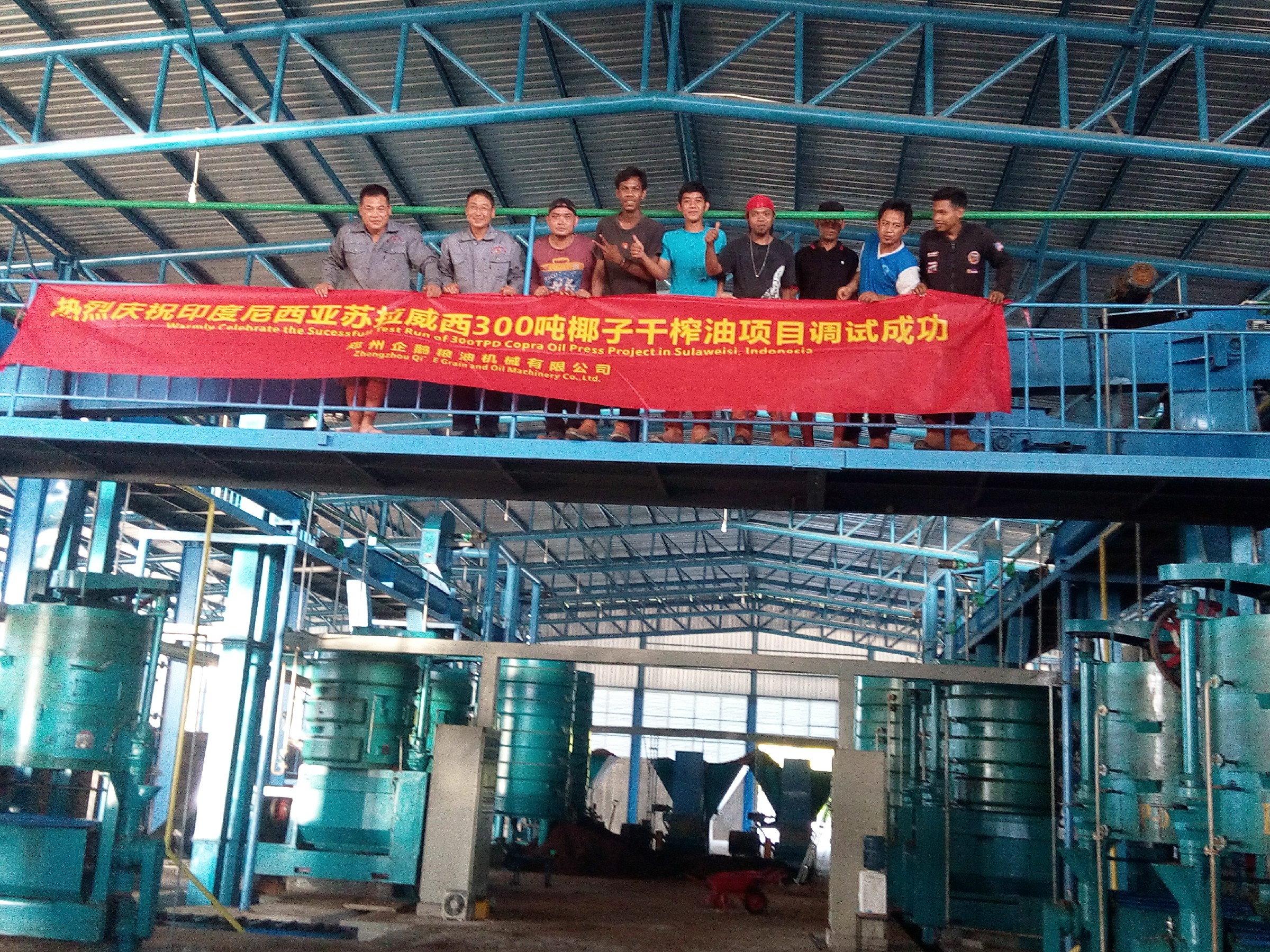
The real-world data doesn’t lie: choosing the right extraction method isn’t about one being “better”—it’s about aligning with your business model, customer expectations, and regulatory landscape.
Download our free Technical Comparison Guide—a concise PDF summarizing process parameters, cost benchmarks, and case studies tailored for B2B edible oil producers. No fluff. Just actionable insights.
Get the Free Technical Comparison Guide


.png?x-oss-process=image/resize,h_100,m_lfit/format,webp)
.png?x-oss-process=image/resize,h_100,m_lfit/format,webp)
.png?x-oss-process=image/resize,h_100,m_lfit/format,webp)