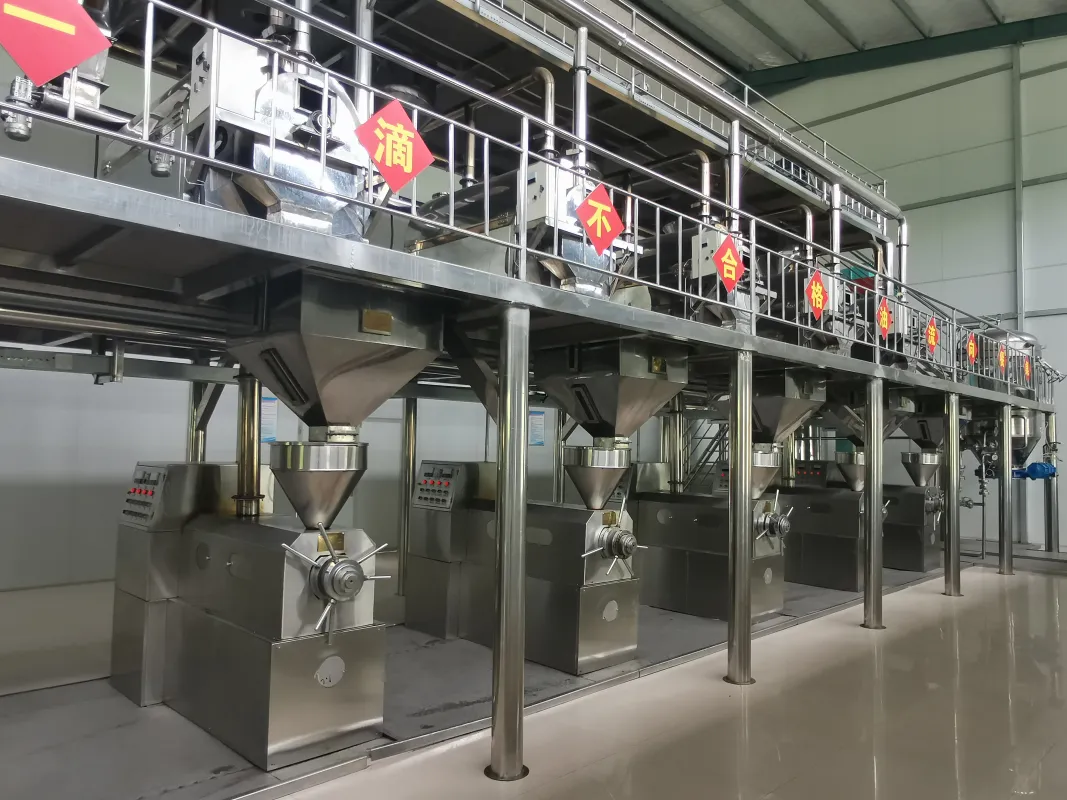
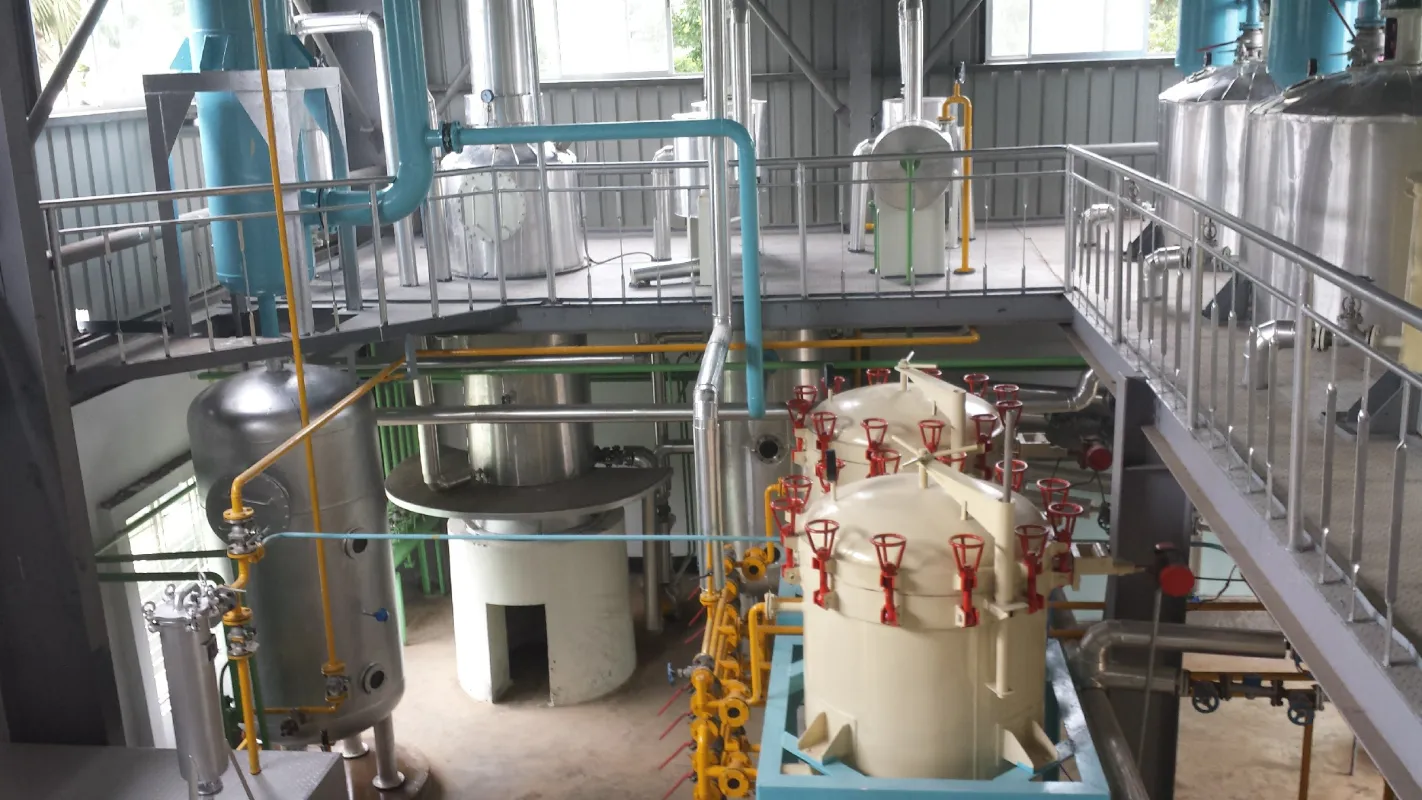
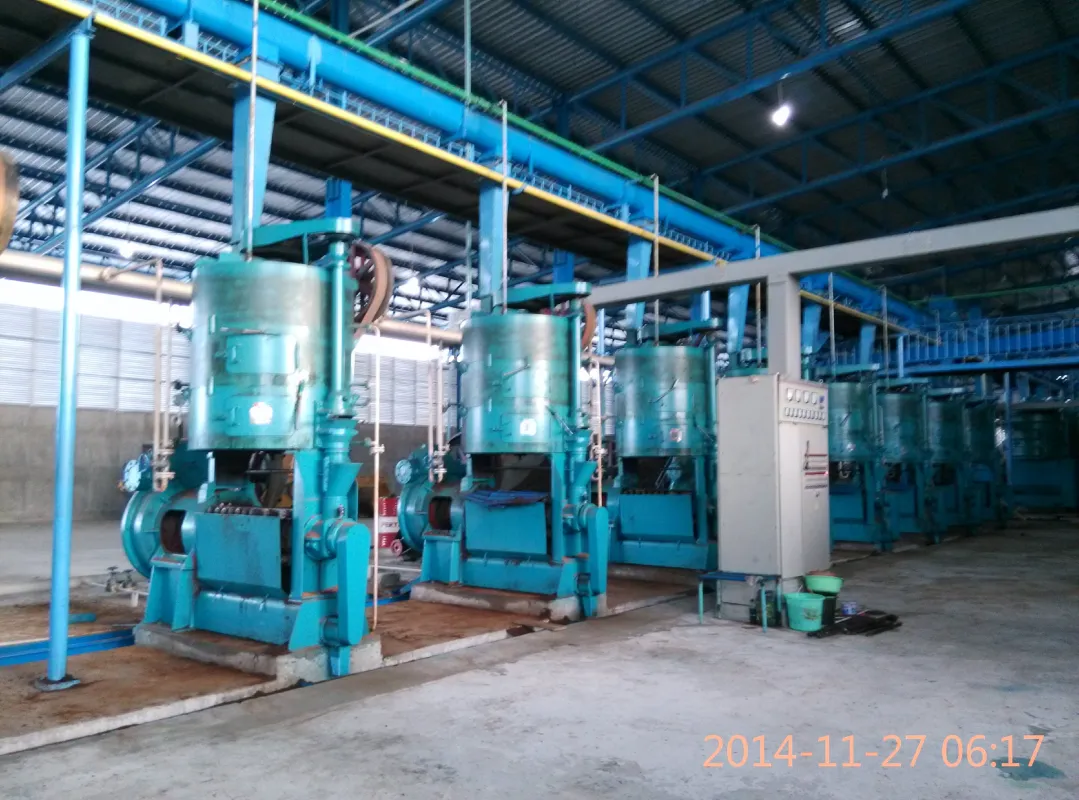
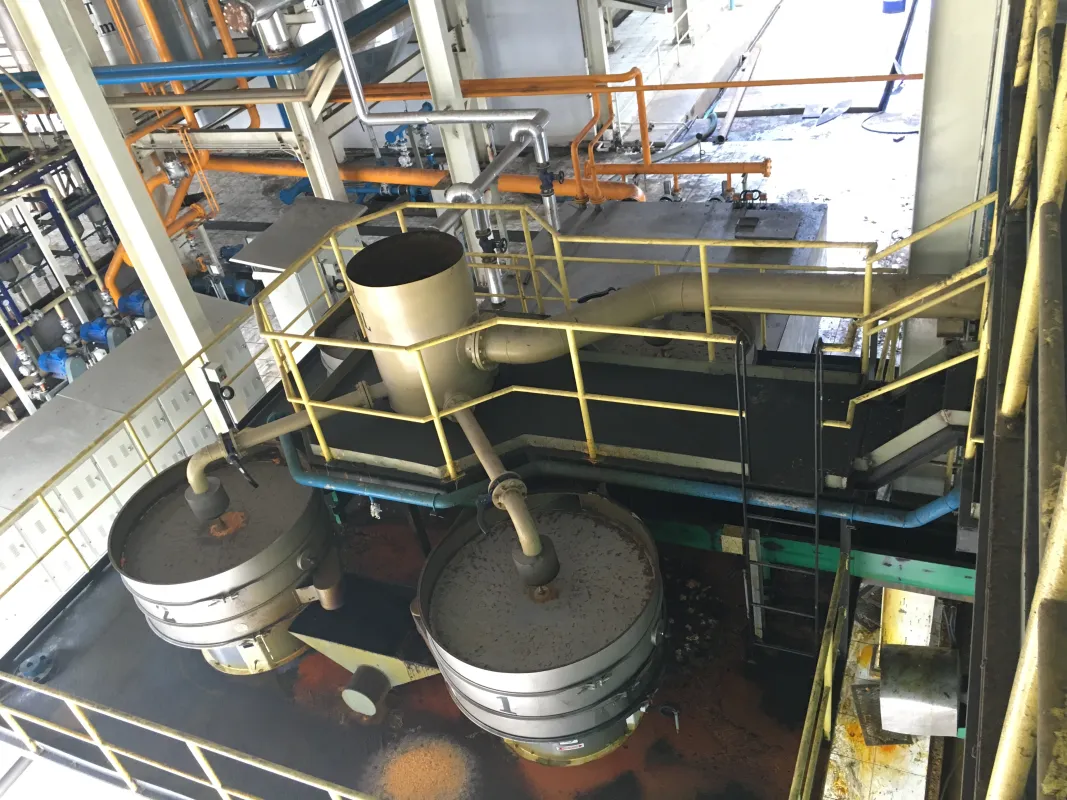
For oil processing projects, the right route is usually determined by three practical factors: the raw material, the target oil quality, and the expected production scale. Qi'e Grain and Oil Machinery Co., Ltd. provides B2B oil pressing equipment, oil production line equipment, and oil refining equipment to support project planning from the very beginning.
This page offers a structured comparison of cold pressing, hot pressing, and solvent extraction, helping plant owners, investors, and engineering teams evaluate which process is better aligned with their feedstock, capacity plan, energy conditions, and refining requirements.
Cold pressing, hot pressing, and solvent extraction each serve different processing goals. In practice, the choice is not simply about equipment type; it affects the full production logic, including pretreatment, oil yield, downstream refining, and operating cost.
A process designed to preserve the natural characteristics of the raw material and produce oil with minimal heat influence. It is often considered when product positioning emphasizes purity, taste, or higher-value retail use.
A process that uses conditioning or roasting before pressing to improve oil release from the material. It is commonly used when the project needs a balanced approach to output, process stability, and raw material adaptability.
A process suitable for recovering oil from materials or pre-pressed cake where a higher extraction rate is required. It is usually integrated into a larger production line and followed by refining.
The comparison below focuses on the selection factors most frequently considered in oil processing projects. It is intended to support route evaluation rather than replace a project-specific engineering design.
| Item | Cold Pressing | Hot Pressing | Solvent Extraction |
|---|---|---|---|
| Raw material suitability | Best for materials where flavor and natural characteristics are important | Suitable for a wide range of oil-bearing materials | Often used for materials or cakes requiring deeper oil recovery |
| Process feature | Lower heat influence, simpler process logic | Conditioning or roasting is included before pressing | Extraction and solvent recovery are integrated into the workflow |
| Equipment configuration | Pressing equipment with appropriate pretreatment support | Pressing line with conditioning and related auxiliary systems | Extraction unit, recovery system, and downstream refining equipment |
| Capacity planning | Often used for smaller or quality-focused projects | Suitable for medium to large production planning | Usually considered for integrated industrial-scale projects |
| Oil quality positioning | Supports premium positioning when natural taste is valued | Offers a practical balance between output and product quality | Typically requires further refining before final use |
| Energy and operating focus | Emphasizes controlled processing conditions | Requires heat management during pretreatment | Needs careful solvent recovery and energy management |
| Refining requirement | May still need refining depending on target market | Often paired with refining for stable final quality | Commonly integrated with a complete refining section |
A practical selection should start from the feedstock and then move to product intent, line scale, and local operating conditions. For many projects, the best route is the one that fits the actual business model, not the most complex process.
As a manufacturer focused on oil pressing equipment, oil production line equipment, and oil refining equipment, Qi'e Grain and Oil Machinery Co., Ltd. supports B2B projects with equipment selection and process planning tailored to different raw materials and production goals.
Qi'e Grain and Oil Machinery Co., Ltd. can support configuration for cold press oil machine, hot pressing process, and automatic oil press machine solutions according to capacity and product positioning.
Where a project requires a complete workflow, the planning may include pretreatment, pressing, extraction, refining, and related auxiliary systems to match the chosen process route.
With project experience across Asia, Africa, and South America, the company understands that plant planning often depends on local raw materials, utilities, and operational expectations.
Choosing between cold pressing, hot pressing, and solvent extraction is a project design decision, not a one-size-fits-all choice. The most suitable route depends on feedstock characteristics, target oil quality, expected output, and the level of refining required. With clear process comparison and appropriate equipment planning, a project can move toward a more efficient and realistic production model.
 Qi'e Grain and Oil Machinery Co., Ltd.
grain and oil machinery procurement
single-machine price
line coordination
after-sales service
palm oil production line custom design
modular oil mill equipment
automated grading configuration
palm oil processing equipment selection
Australia palm oil processing solution
coconut oil processing line installation
coconut oil production line commissioning
coconut oil equipment maintenance
Qie Group coconut oil processing
palm oil equipment maintenance
filtration blockage solutions
degumming efficiency improvement
equipment remote monitoring
palm oil production line optimization
Qi'e Grain and Oil Machinery Co., Ltd.
grain and oil machinery production line
turnkey oil production line
oil pressing equipment
edible oil refining
B2B procurement
Qi'e Grain and Oil Machinery Co., Ltd.
grain and oil machinery procurement
single-machine price
line coordination
after-sales service
palm oil production line custom design
modular oil mill equipment
automated grading configuration
palm oil processing equipment selection
Australia palm oil processing solution
coconut oil processing line installation
coconut oil production line commissioning
coconut oil equipment maintenance
Qie Group coconut oil processing
palm oil equipment maintenance
filtration blockage solutions
degumming efficiency improvement
equipment remote monitoring
palm oil production line optimization
Qi'e Grain and Oil Machinery Co., Ltd.
grain and oil machinery production line
turnkey oil production line
oil pressing equipment
edible oil refining
B2B procurement





.png?x-oss-process=image/resize,h_100,m_lfit/format,webp)
.png?x-oss-process=image/resize,h_100,m_lfit/format,webp)
.png?x-oss-process=image/resize,h_100,m_lfit/format,webp)