In the realm of B2B edible oil manufacturing, rapeseed oil production stands as a significant sector. Manufacturers constantly grapple with the challenge of achieving a balance between high oil yield and the retention of nutritional components. This article delves deep into two primary processes - cold pressing and solvent extraction - to provide a comprehensive understanding for making informed decisions.
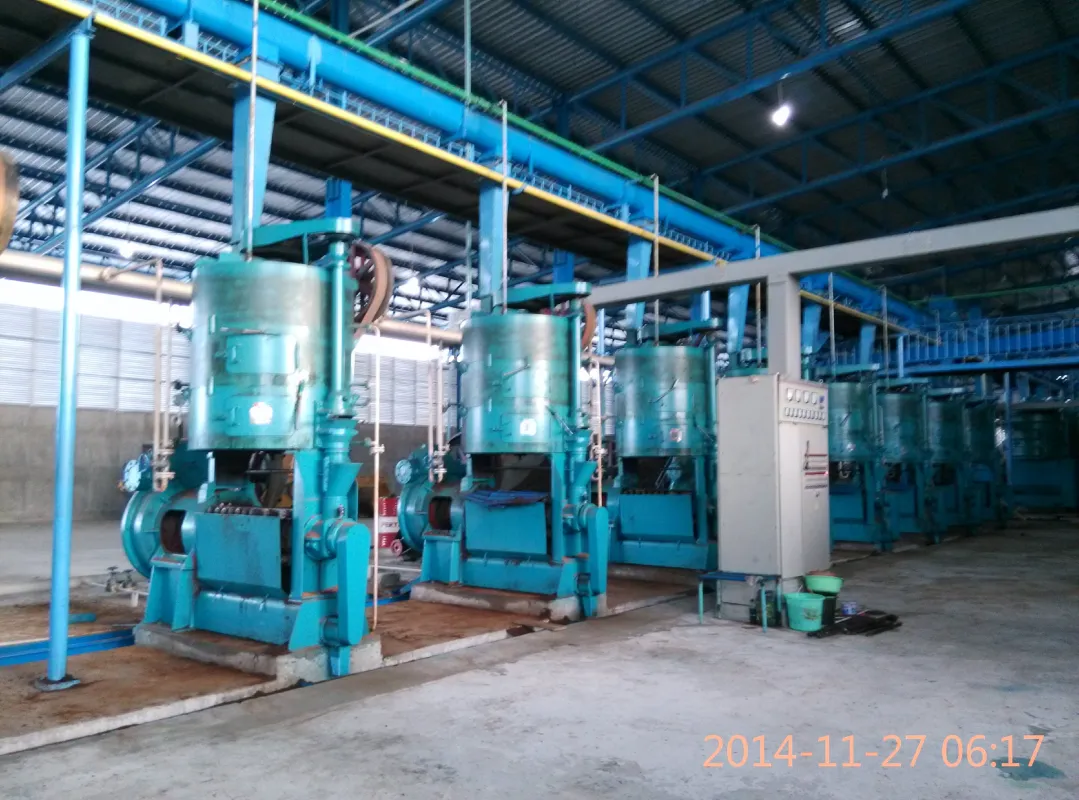
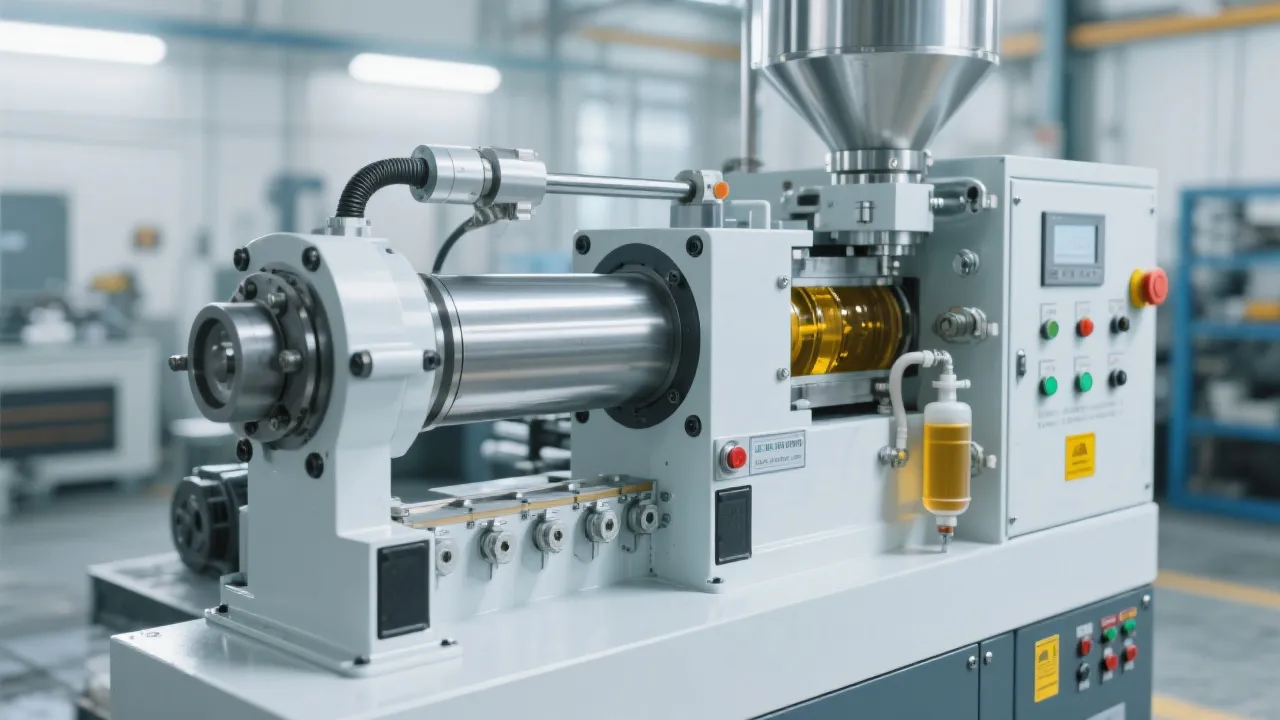
Cold pressing is a mechanical extraction method that operates at low temperatures, typically below 60°C. This process involves crushing rapeseeds using a press to extract oil. The low - temperature environment helps preserve the natural nutrients and flavors of the oil. For example, it retains a high level of unsaturated fatty acids, which are beneficial for human health. The process flow includes cleaning the rapeseeds, conditioning them to an appropriate moisture content, and then pressing them in a screw press or hydraulic press. Figure 1 illustrates the general process of cold pressing.
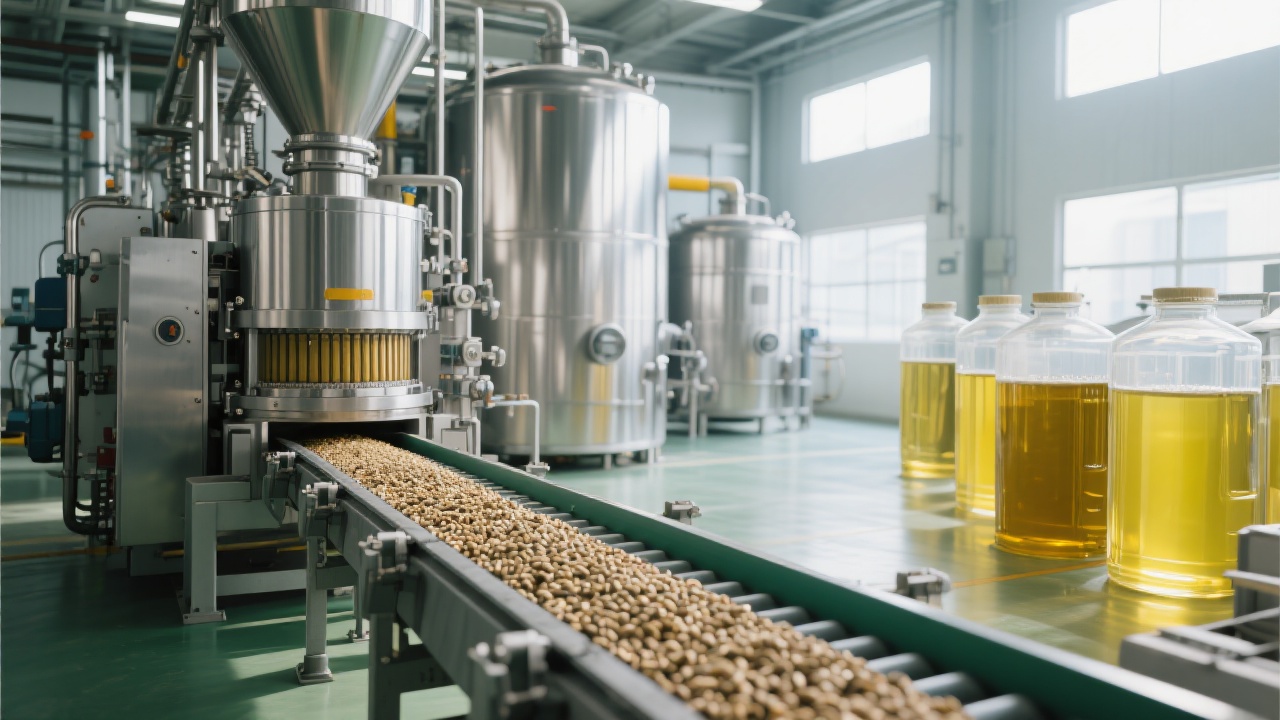
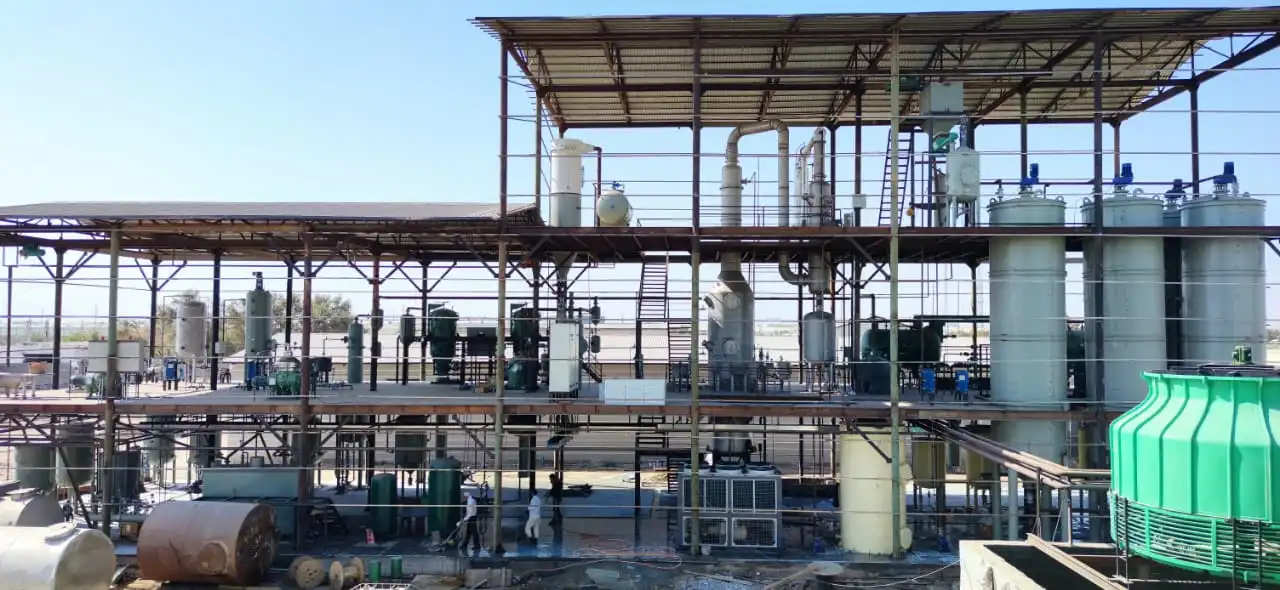
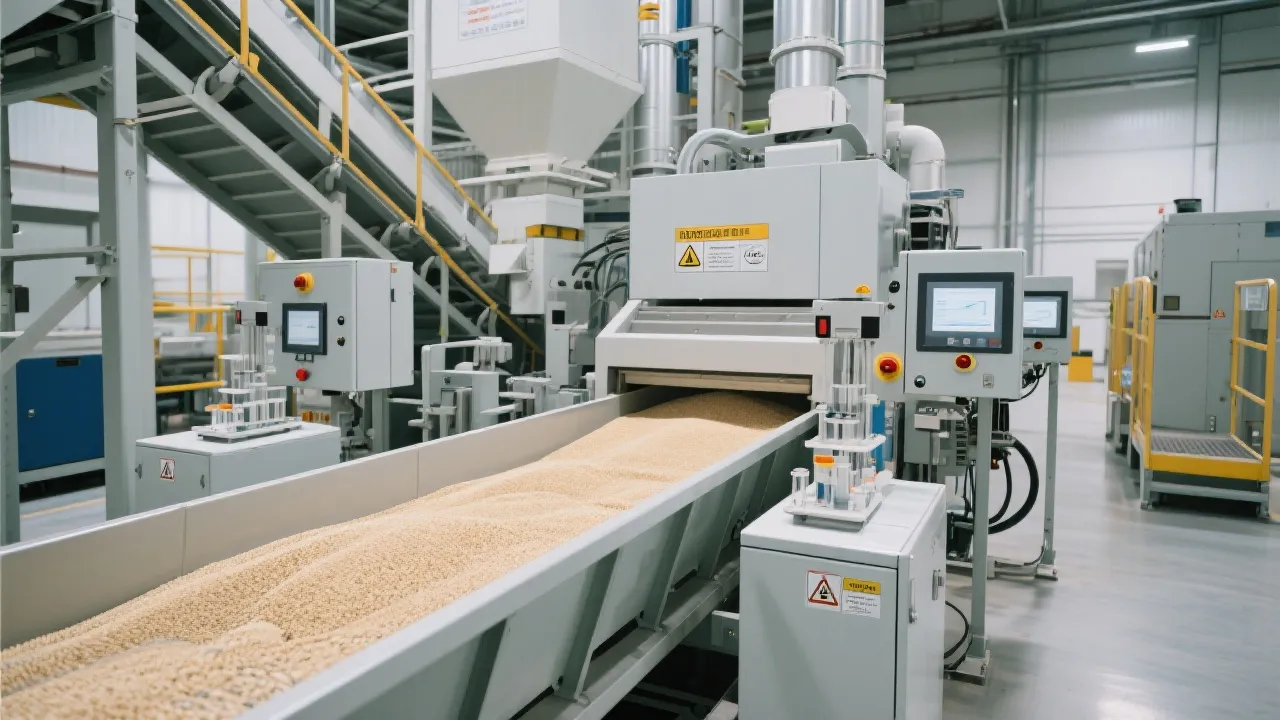
Solvent extraction, on the other hand, uses a chemical solvent, usually hexane, to dissolve the oil from the rapeseeds. The rapeseeds are first flaked to increase the surface area for better solvent penetration. Then, the solvent is mixed with the flaked rapeseeds, and the oil - solvent mixture is separated. After that, the solvent is removed from the oil through evaporation and distillation. This process can achieve a higher oil yield compared to cold pressing. Figure 2 shows the main steps of solvent extraction.

To better understand the two processes, a detailed comparison in multiple dimensions is necessary. The following table presents a side - by - side comparison of cold pressing and solvent extraction:
| Aspect | Cold Pressing | Solvent Extraction |
|---|---|---|
| Nutritional Value Retention | High. Retains most vitamins, antioxidants, and unsaturated fatty acids. Up to 90% of natural nutrients can be preserved. | Relatively low. Some nutrients may be lost during the high - temperature solvent removal process. Only about 70 - 80% of nutrients are retained. |
| Yield Efficiency | Low. The oil yield is typically around 30 - 35%. | High. Can achieve an oil yield of 40 - 45%. |
| Energy Consumption | Low. The mechanical pressing process consumes less energy, about 50 - 60 kWh per ton of rapeseeds. | High. The solvent evaporation and distillation steps require a significant amount of energy, around 120 - 150 kWh per ton of rapeseeds. |
| Equipment Complexity | Simple. The equipment mainly consists of a press and some pre - treatment devices. | Complex. Requires solvent storage, mixing, separation, and recovery equipment. |
| Product Stability | Relatively low. The natural antioxidants in the oil may degrade over time, leading to a shorter shelf - life. | High. The refined oil through solvent extraction has better stability and a longer shelf - life. |
For small and medium - scale manufacturers, cold pressing may be a more suitable option. With a lower initial investment in equipment and lower energy consumption, it is cost - effective for limited - scale production. Moreover, the high nutritional value of cold - pressed oil can target high - end markets, such as organic food stores and health - conscious consumers. For example, a small - scale rapeseed oil manufacturer in Europe with an annual production capacity of less than 1000 tons can benefit from cold pressing by focusing on the niche market of premium rapeseed oil.
Large - scale manufacturers, however, often prefer solvent extraction. The high oil yield can significantly increase production volume and meet the large - scale market demand. Although the nutritional value is relatively lower, the refined oil can still be used in a wide range of applications, such as food processing and industrial uses. A large - scale edible oil company in Asia with an annual production of over 10,000 tons can maximize its profit through solvent extraction.
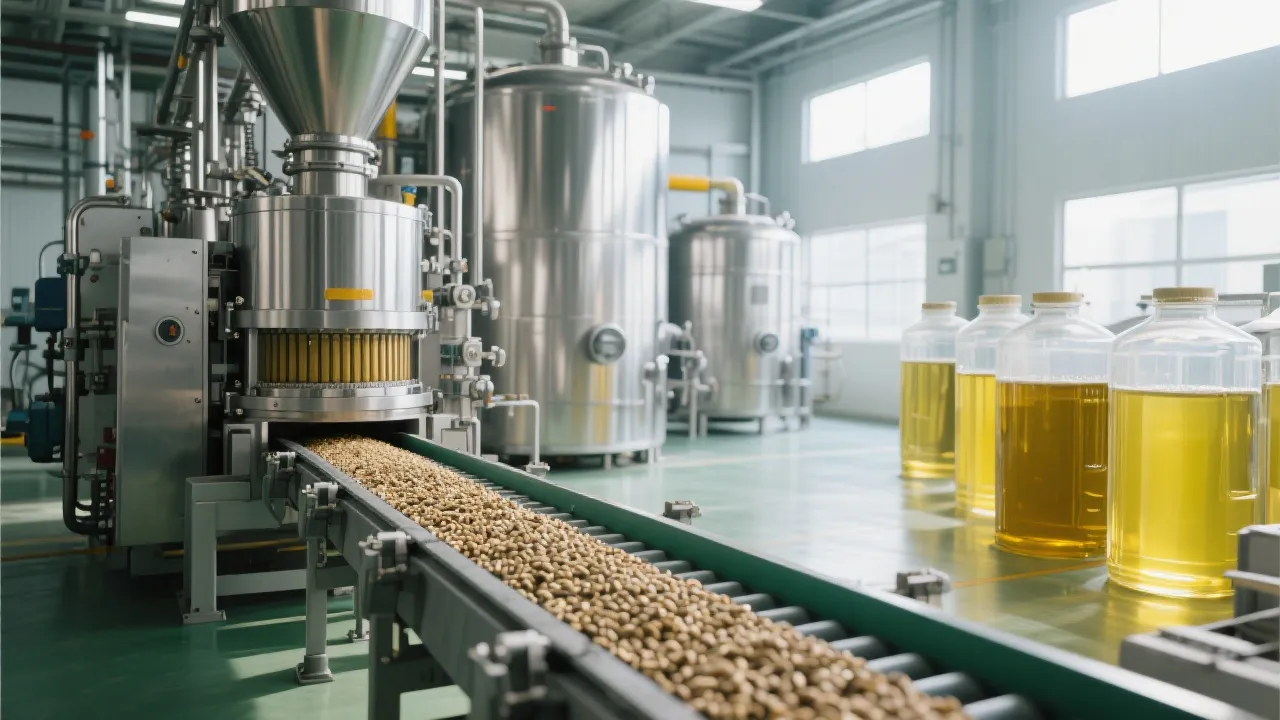
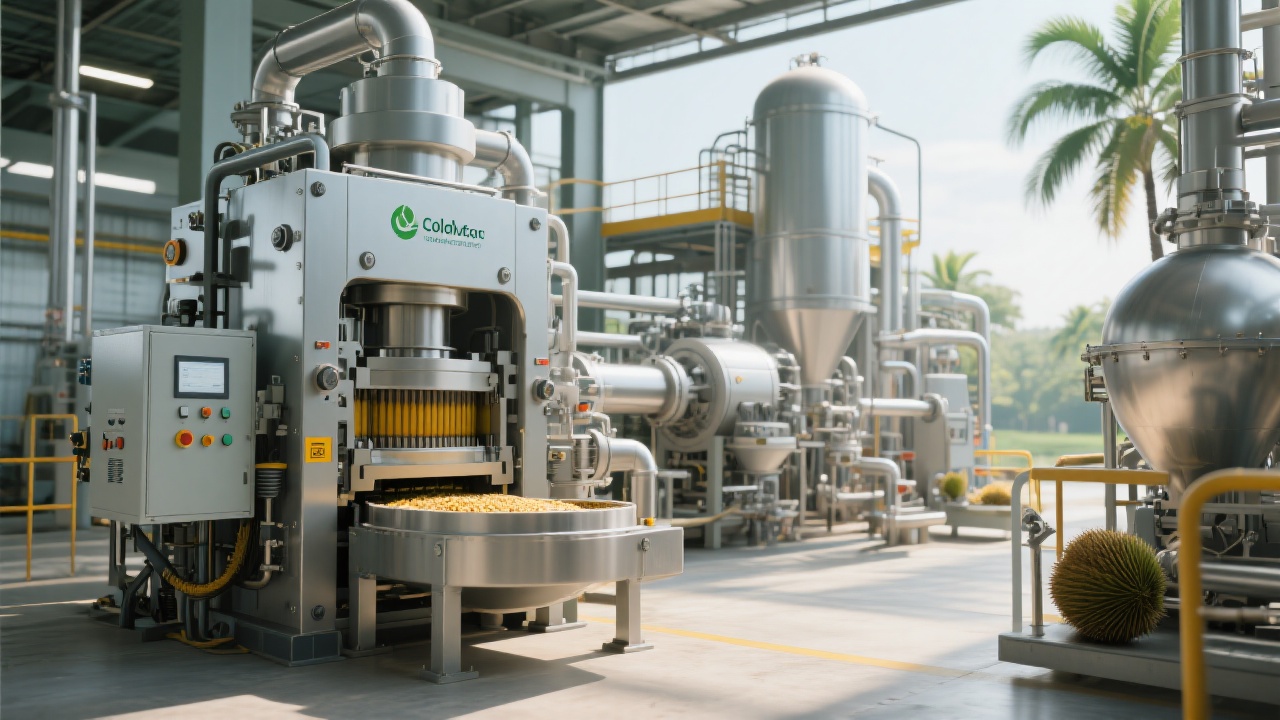
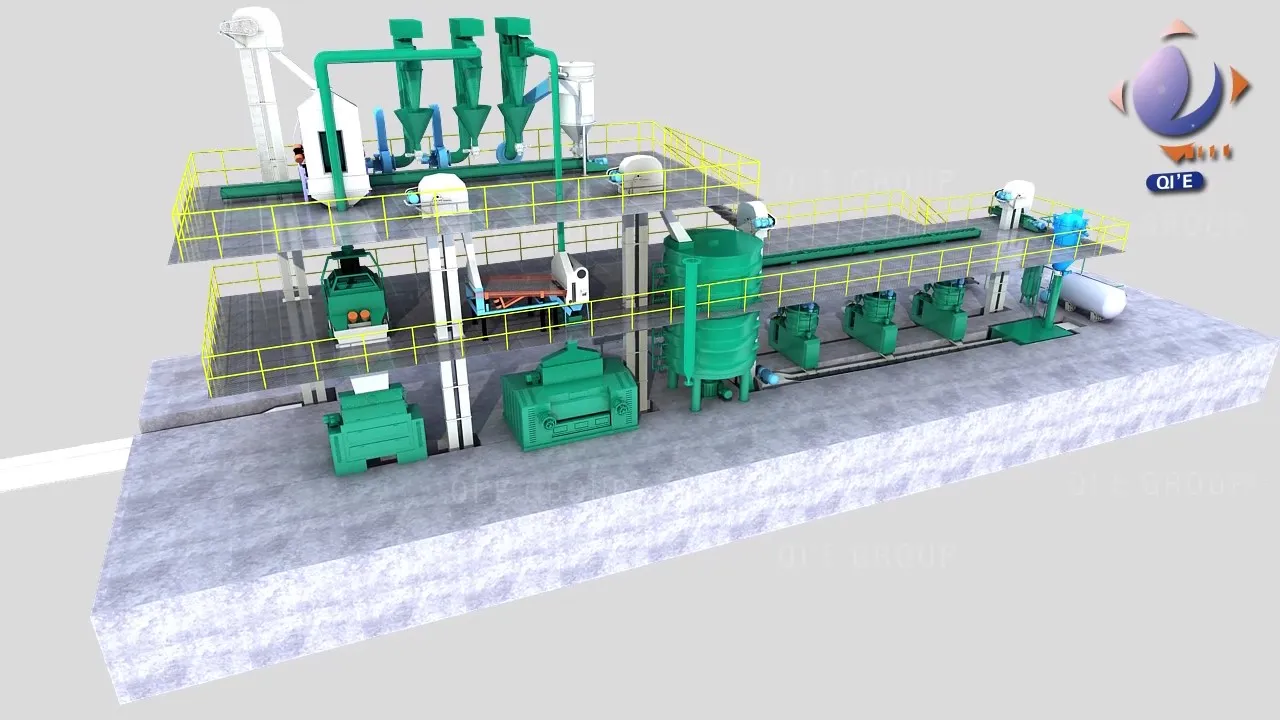
Let's take a look at some real - world cases. A B2B edible oil manufacturer in North America was facing the decision of choosing between cold pressing and solvent extraction. After a detailed analysis of their market demand, production capacity, and cost - benefit, they decided to adopt a combination of both processes. They used cold pressing for their high - end product line targeting the health food market, while using solvent extraction for their mainstream product line for general food processing. As a result, they increased their market share by 15% within a year and improved their overall profitability. Figure 3 shows the production layout after the process adjustment.
In conclusion, choosing the right rapeseed oil extraction process is crucial for B2B edible oil manufacturers. By understanding the working principles, advantages, and disadvantages of cold pressing and solvent extraction, and considering their own production scale and market demand, manufacturers can make informed decisions. We encourage you to leave your comments and questions below, and we will be happy to respond. For a more in - depth understanding of the process comparison, click the button below to download our complete process comparison guide.
Download Complete Process Comparison Guide Automated sesame oil production line technology
Advantages of fully enclosed production systems
Environmental and energy-saving grain and oil equipment
Automatic control of sesame oil production lines
Energy-saving design of grain and oil machinery
PLC control system troubleshooting
edible oil production line maintenance
fully automatic rapeseed oil equipment
industrial automation operation and maintenance
equipment OEE optimization
Sesame oil production line automatic control
PLC parameter tuning
PID control optimization
Grain and oil machinery automation
Production efficiency improvement
automated sesame oil production line
energy-efficient oil processing equipment
closed-loop sesame oil system
sesame oil production efficiency
green grain machinery solutions
Sesame oil production line automatic control
PLC parameter optimization
Fault troubleshooting manual
Automation control scheme
Production line maintenance guide
Automated sesame oil production line technology
Advantages of fully enclosed production systems
Environmental and energy-saving grain and oil equipment
Automatic control of sesame oil production lines
Energy-saving design of grain and oil machinery
PLC control system troubleshooting
edible oil production line maintenance
fully automatic rapeseed oil equipment
industrial automation operation and maintenance
equipment OEE optimization
Sesame oil production line automatic control
PLC parameter tuning
PID control optimization
Grain and oil machinery automation
Production efficiency improvement
automated sesame oil production line
energy-efficient oil processing equipment
closed-loop sesame oil system
sesame oil production efficiency
green grain machinery solutions
Sesame oil production line automatic control
PLC parameter optimization
Fault troubleshooting manual
Automation control scheme
Production line maintenance guide






.png?x-oss-process=image/resize,h_100,m_lfit/format,webp)
.png?x-oss-process=image/resize,h_100,m_lfit/format,webp)
.png?x-oss-process=image/resize,h_100,m_lfit/format,webp)