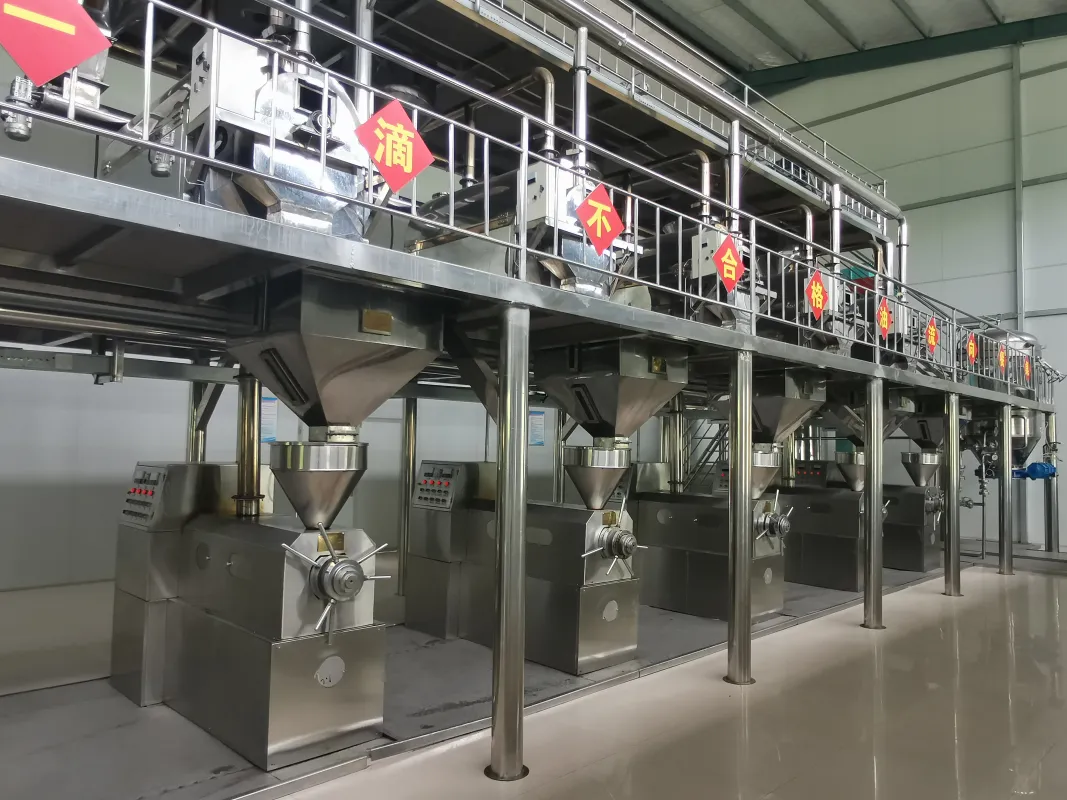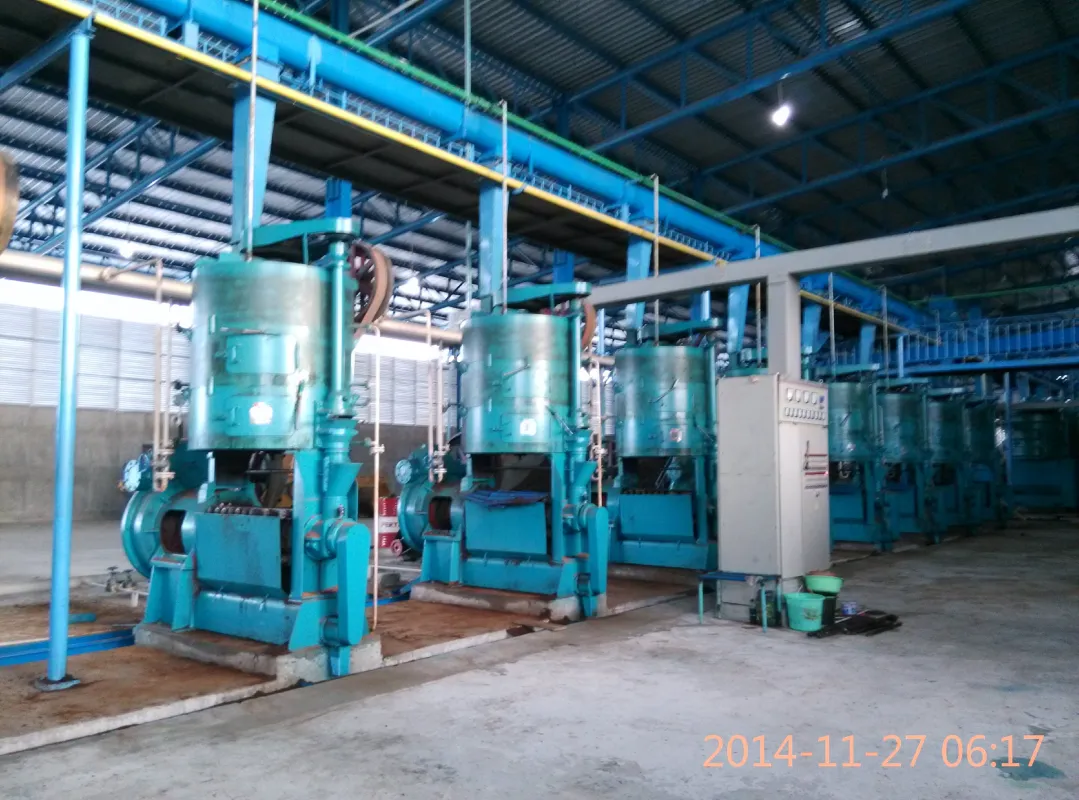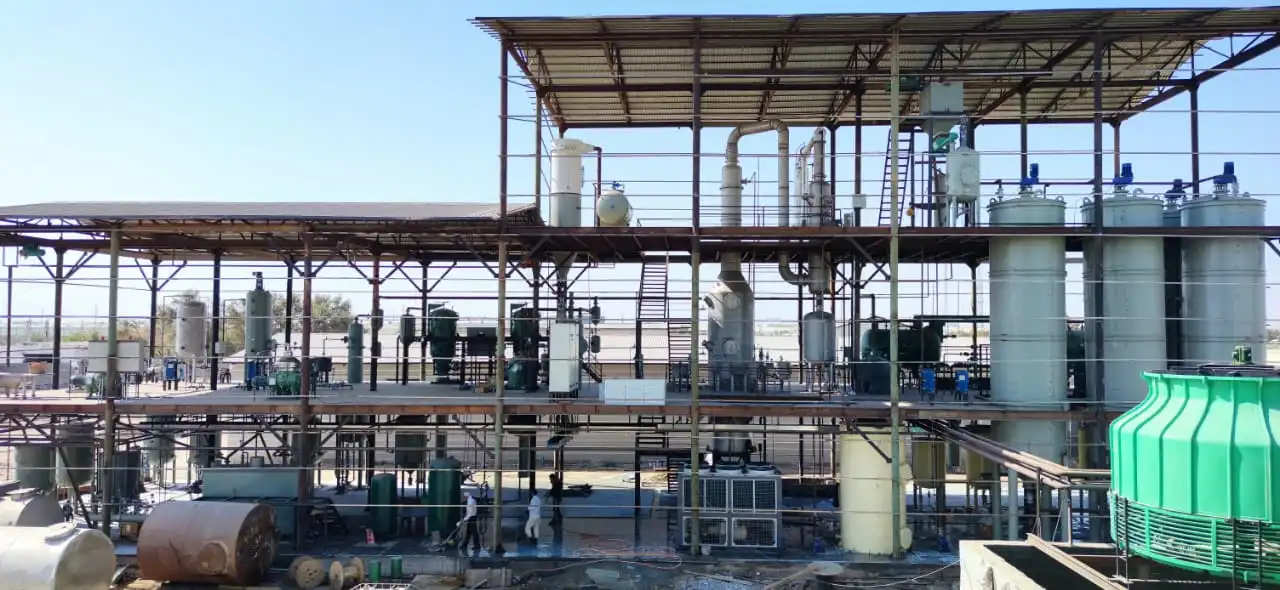
In the competitive grain and oil processing industry, maximizing production uptime while preserving product quality is paramount. For sesame oil manufacturing, automation systems—centered around PLCs, touch panels, sensors, and actuators—play a crucial role in achieving operational excellence. This article delves into core components of sesame oil automated production lines, sharing actionable troubleshooting tactics and preventive maintenance best practices that enable manufacturers and automation engineers to optimize performance and safeguard continuous operation.
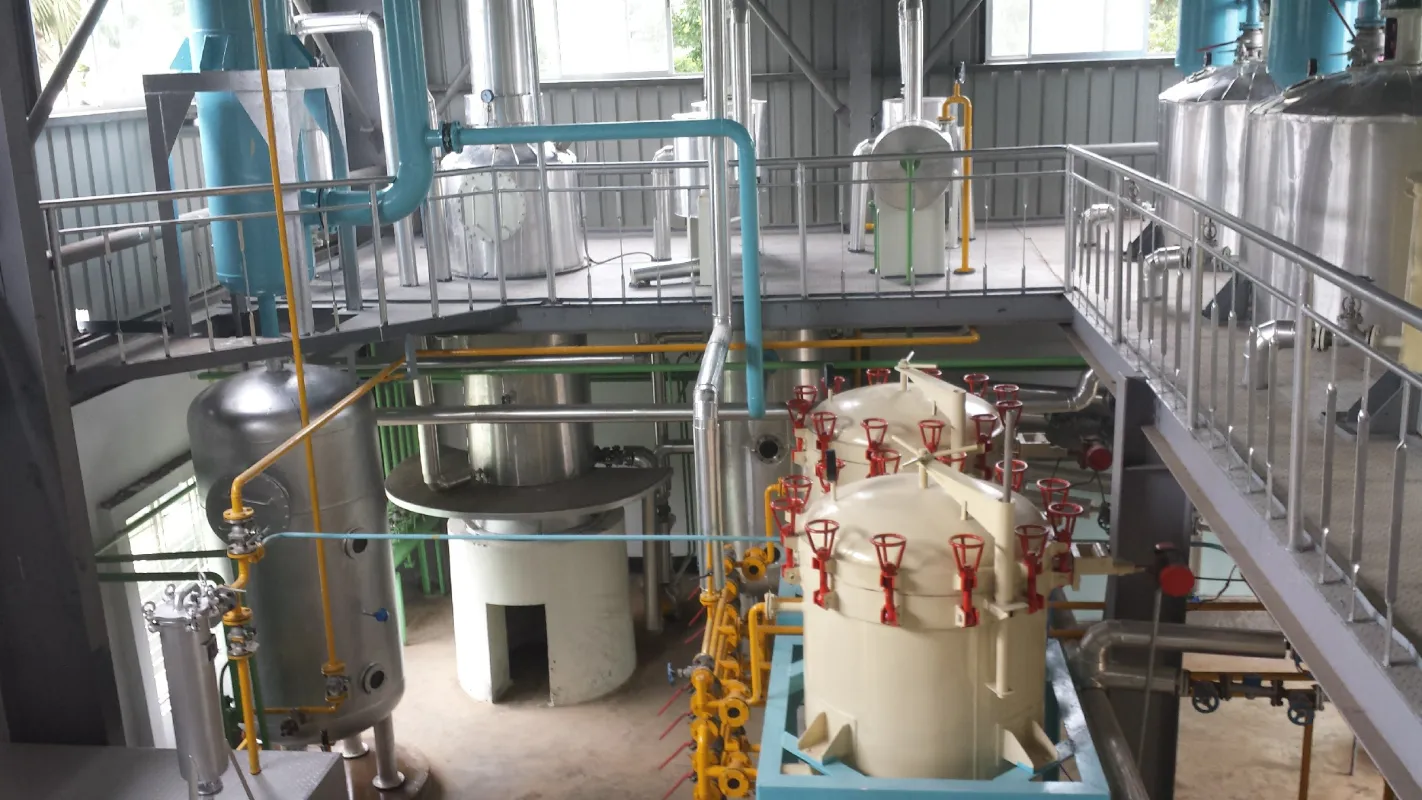
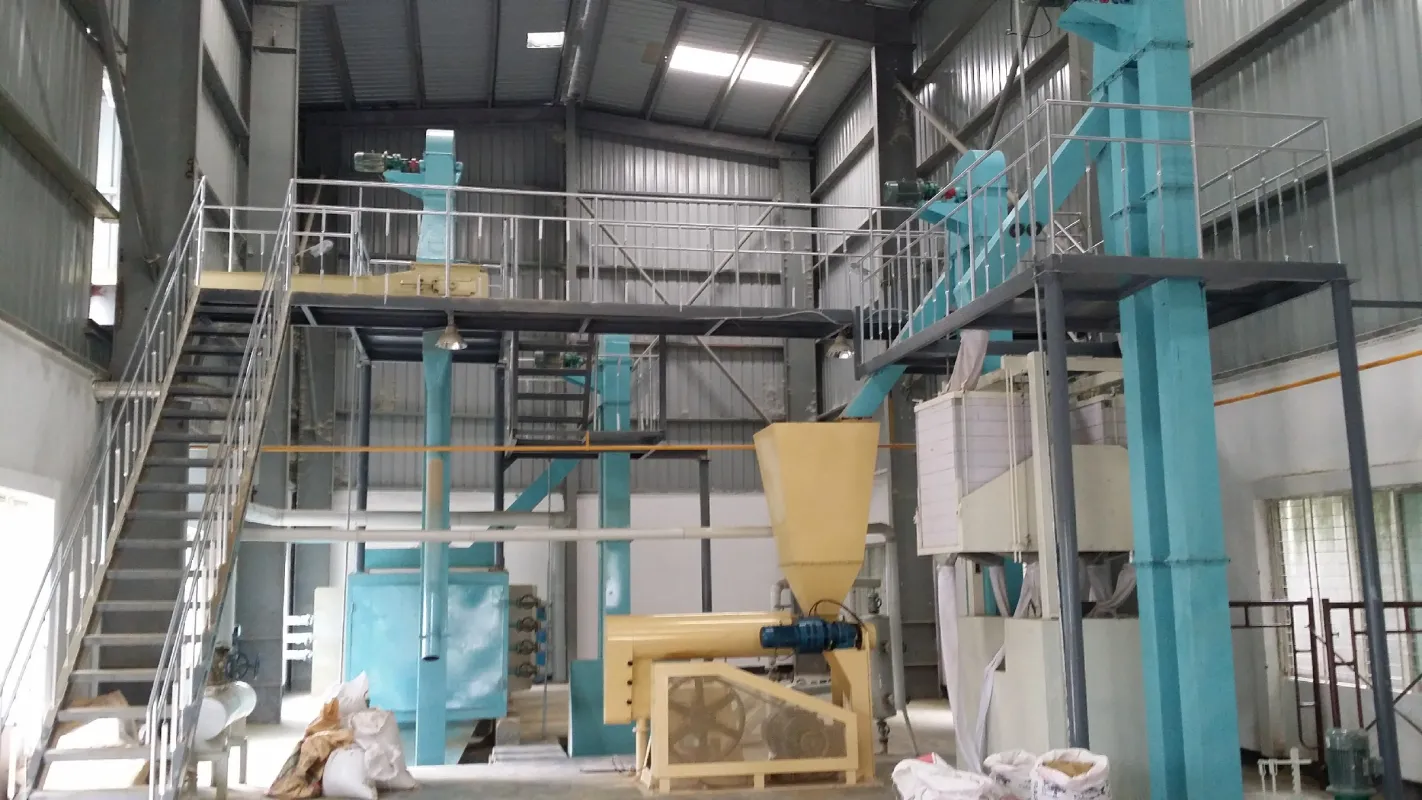
Automated production lines for sesame oil integrate various hardware and software components to maintain precise control over processes such as temperature regulation, flow adjustment, and filtration. Key modules include:
Proper integration and configuration of these components are pivotal for maintaining product consistency and production efficiency.
Optimizing system parameters harmonizes soft and hard components to minimize energy consumption and waste while sustaining throughput. Key areas include:
| Module | Optimization Focus | Impact |
|---|---|---|
| PLC Software | Cycle time and logic sequence adjustments | Improve responsiveness and reduce lag |
| Temperature Sensors | Calibration and drift compensation | Ensure uniform heating for oil extraction |
| Flow Meters | Signal filtering and response linearization | Maintain oil flow stability and prevent surges |
By implementing adaptive control loops that link temperature and flow adjustments, the automation system can dynamically respond to raw material variances or environmental conditions, enhancing overall throughput by up to 15%.
Despite robust system designs, field faults can occur, affecting production continuity. The most frequent issues and proven resolutions include:
Implementing an electronic logbook to track fault occurrences facilitates a data-driven approach to root cause analysis and continuous improvement.
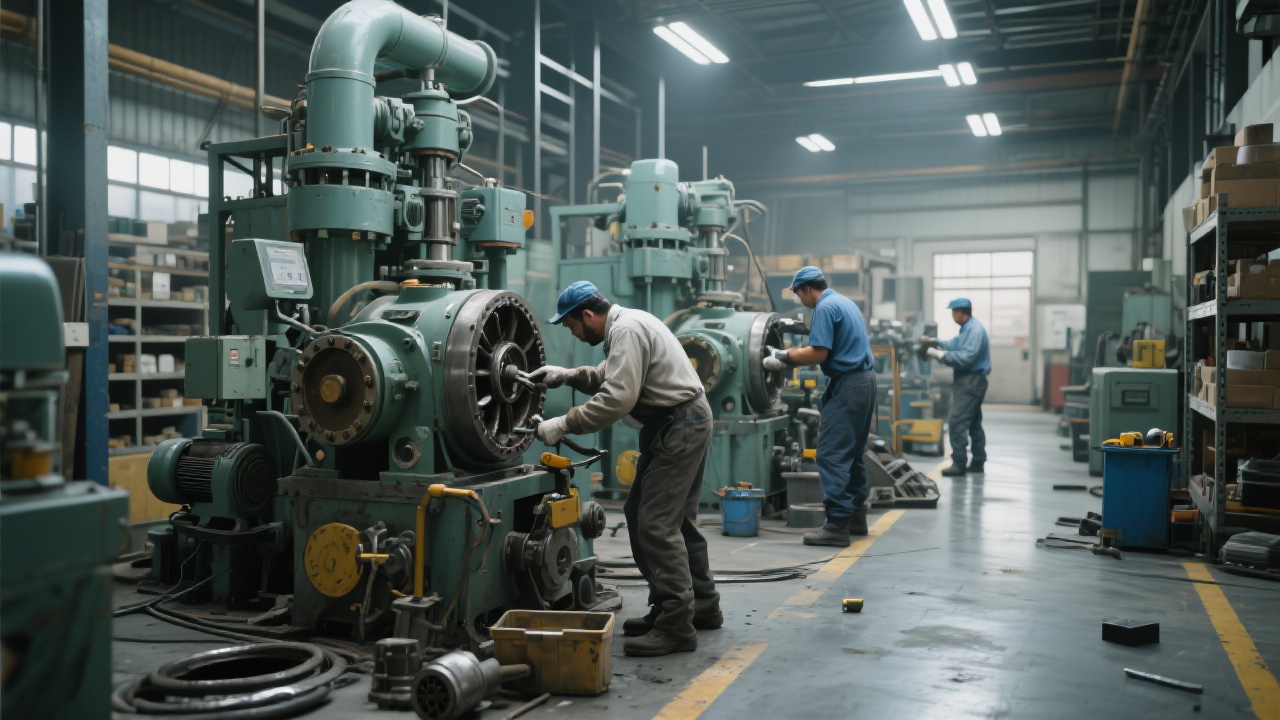
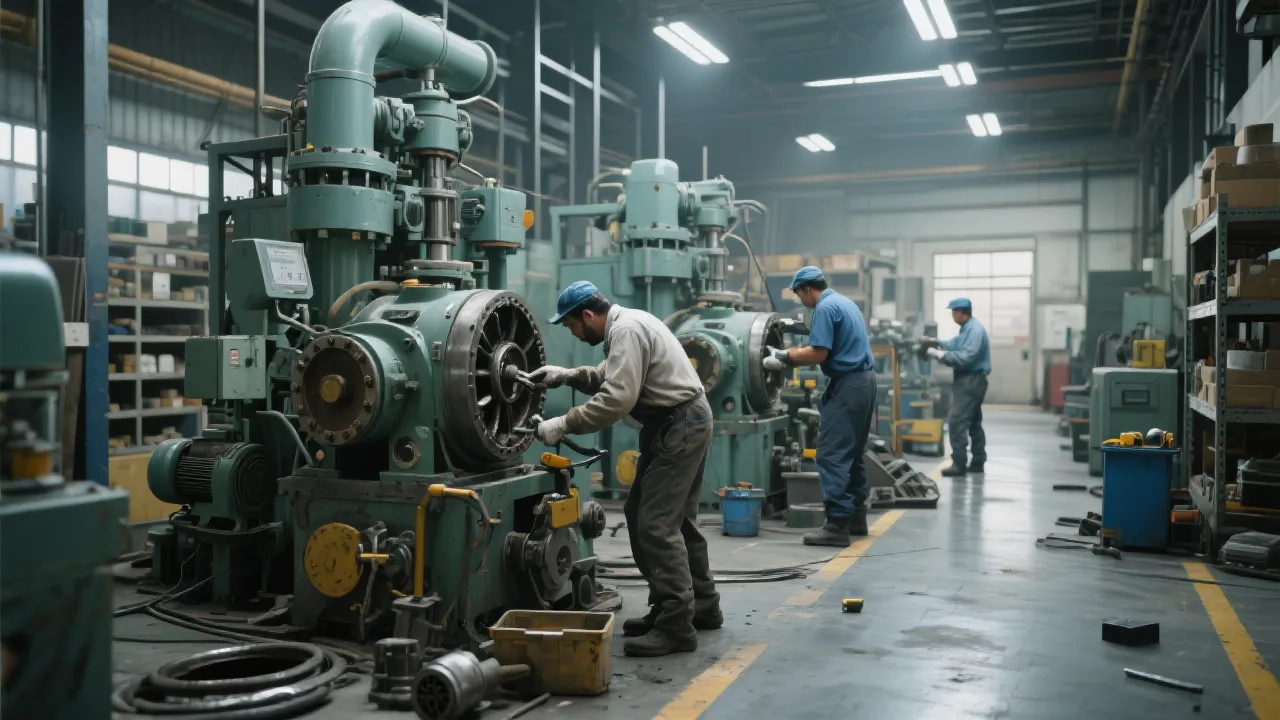
Preventive maintenance is the frontline defense against unplanned downtime. Recommended protocols for sesame oil automation lines include:
Adherence to these schedules has shown to reduce unexpected failures by approximately 40%, improving overall equipment effectiveness (OEE).
Not all sesame oil processing facilities are the same; scale, workflow, and raw material characteristics vary. Tailored control schemes allow enterprises to meet these unique requirements by:
Such flexibility supports incremental upgrades without large capital expenditures, positioning manufacturers to scale efficiently according to market demands.
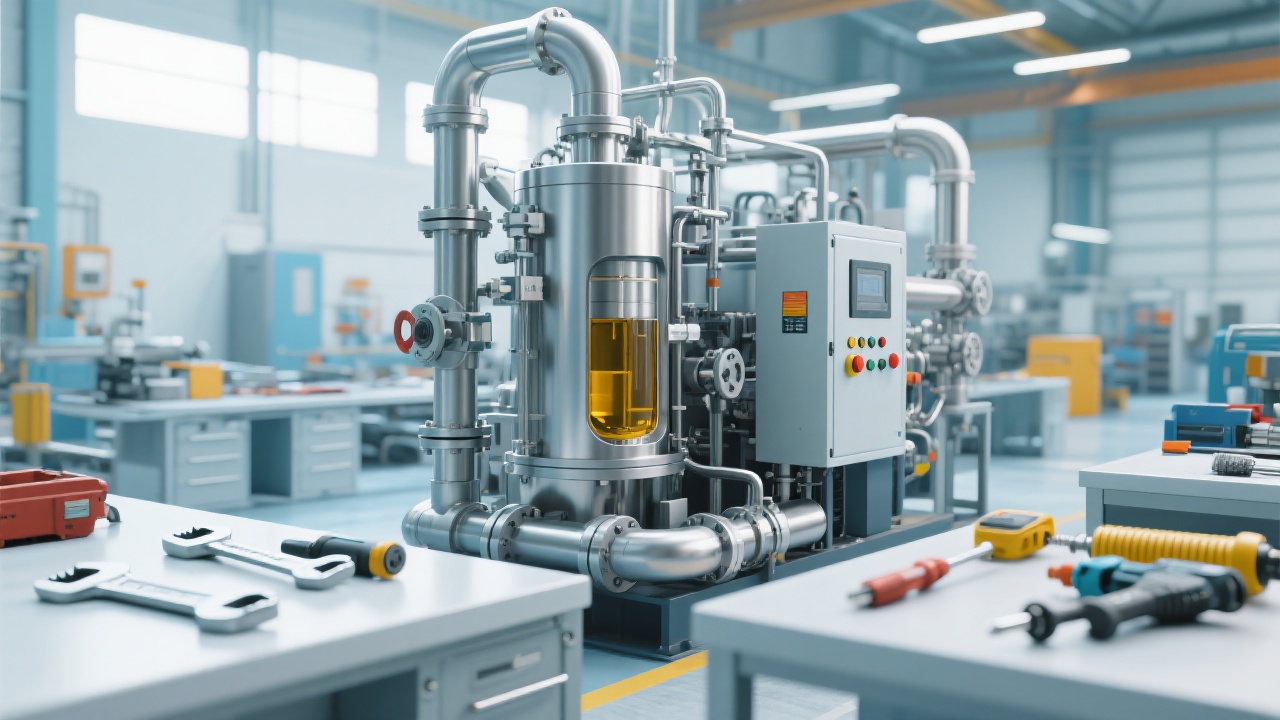
Elevate your production efficiency and ensure product quality with our expert-compiled operational manual—featuring step-by-step guidelines on PLC parameter tuning, effective fault detection, and comprehensive preventive maintenance. Join our professional Automation Technology Consortium for ongoing technical insights and peer support tailored to sesame oil producers worldwide.

Ready to reduce downtime and optimize your automated sesame oil processing? Download the Complete Operation & Maintenance Handbook Now — your essential guide to smarter production management.
 sesame oil production line automation
PLC sensor integration
industrial control system tuning
automated food processing systems
oilseed machinery maintenance
Fully automatic sunflower oil production line
Sunflower oil production equipment
Grain and oil processing automation
Export grain and oil equipment
Food - grade oilseed production line
Automated sesame oil production line technology
Advantages of fully enclosed production system
Environmentally - friendly and energy - efficient grain and oil equipment
Sesame oil production process
Automation solutions for grain and oil machinery
rice bran oil production process
rice bran oil quality control
edible oil processing standards
rice bran oil refining technology
automated oil extraction equipment
Fully automated sesame oil production line
Grain and oil machinery automation
Sesame oil production efficiency improvement
Fully enclosed food processing equipment
Sesame oil quality assurance
sesame oil production line automation
PLC sensor integration
industrial control system tuning
automated food processing systems
oilseed machinery maintenance
Fully automatic sunflower oil production line
Sunflower oil production equipment
Grain and oil processing automation
Export grain and oil equipment
Food - grade oilseed production line
Automated sesame oil production line technology
Advantages of fully enclosed production system
Environmentally - friendly and energy - efficient grain and oil equipment
Sesame oil production process
Automation solutions for grain and oil machinery
rice bran oil production process
rice bran oil quality control
edible oil processing standards
rice bran oil refining technology
automated oil extraction equipment
Fully automated sesame oil production line
Grain and oil machinery automation
Sesame oil production efficiency improvement
Fully enclosed food processing equipment
Sesame oil quality assurance

.jpg?x-oss-process=image/resize,h_800,m_lfit/format,webp)


.png?x-oss-process=image/resize,h_100,m_lfit/format,webp)
.png?x-oss-process=image/resize,h_100,m_lfit/format,webp)
.png?x-oss-process=image/resize,h_100,m_lfit/format,webp)