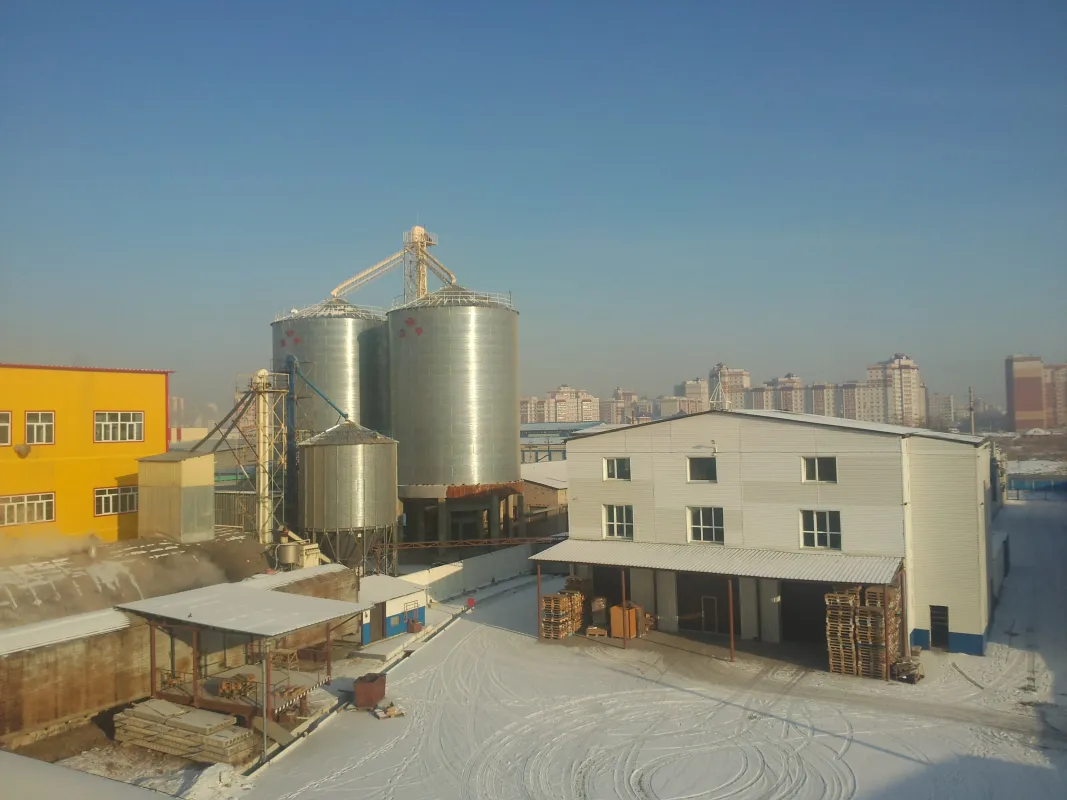
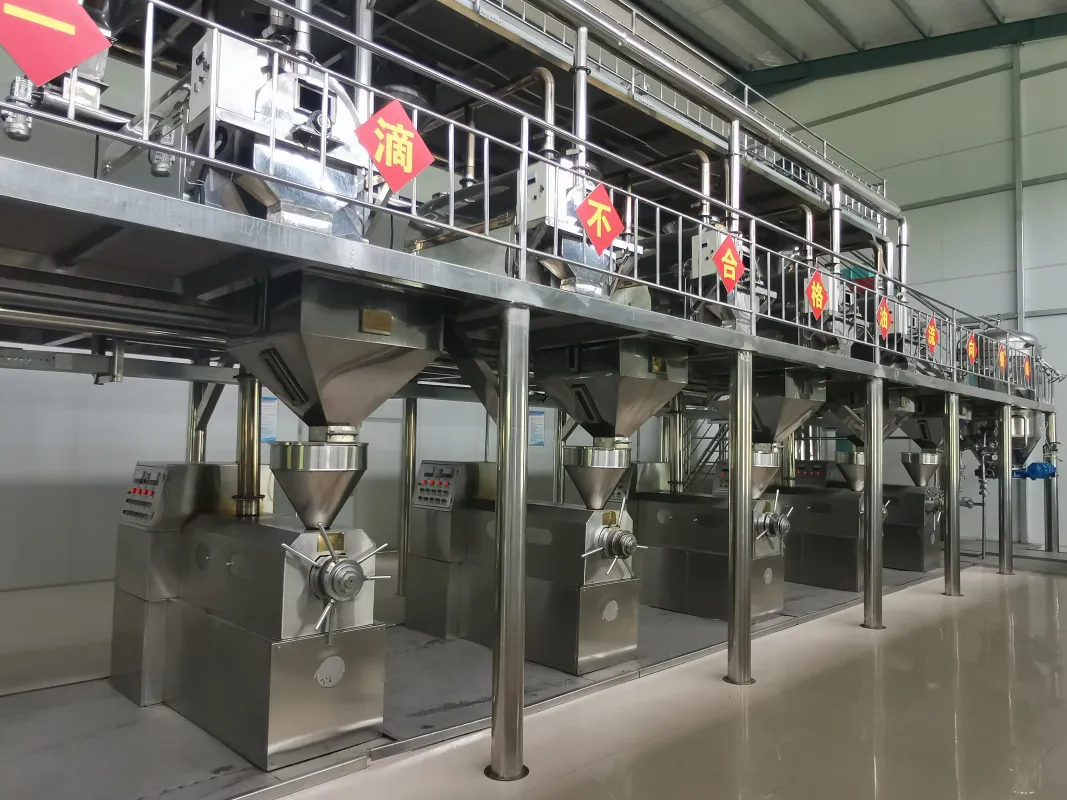
In today's competitive edible oil industry, small and medium-sized enterprises face the dual challenges of improving production efficiency while ensuring product quality. Compact turnkey edible oil plants have emerged as a game-changing solution, offering streamlined operations that maximize output while minimizing resource consumption. This comprehensive guide explores the complete production流程 of these innovative facilities, from raw material preparation to final packaging, providing valuable insights for industry professionals looking to optimize their operations.
Traditional edible oil production facilities often require extensive space, significant capital investment, and complex operational management. However, the development of compact turnkey solutions has revolutionized the industry, allowing businesses to establish efficient production lines with smaller footprints and optimized workflows. According to industry reports, modern compact plants can reduce energy consumption by up to 30% compared to conventional setups while maintaining or improving production capacity.
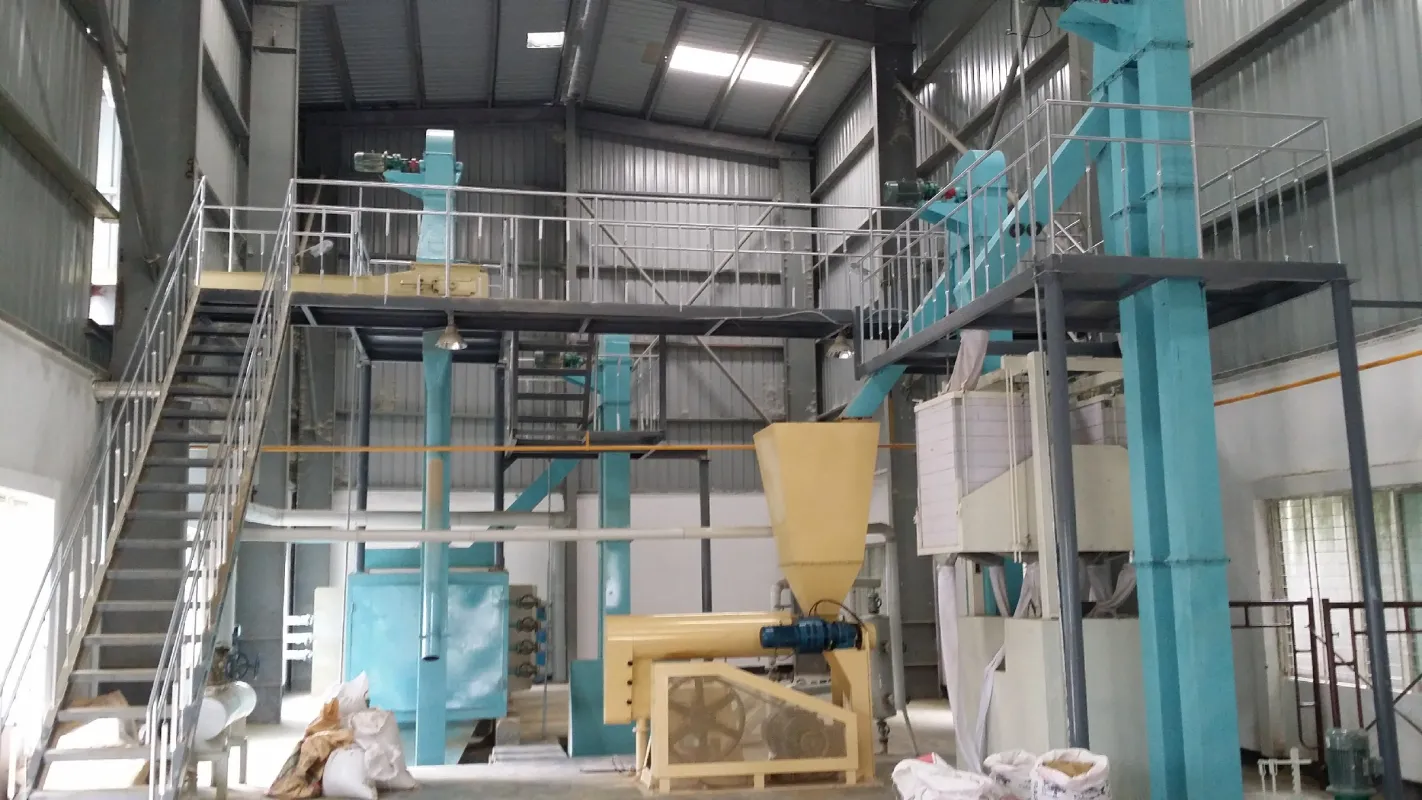
These systems integrate seamlessly designed equipment that minimizes material handling and maximizes process efficiency. For medium-scale operations producing 50-200 tons of oil per day, compact plants offer the ideal balance between productivity and resource utilization, making them particularly attractive for 中小型食品企业 looking to enter or expand in the edible oil market.
The foundation of quality edible oil production begins with proper raw material preparation. This critical stage ensures that oilseeds are optimally conditioned for maximum oil extraction while removing impurities that could affect final product quality. The pretreatment process typically includes cleaning, dehulling, crushing, and cooking.
Modern pretreatment systems utilize advanced sorting technology to remove foreign materials with accuracy rates exceeding 99.5%. For oilseeds like soybeans and sunflower, dehulling becomes essential, as hulls can absorb oil and reduce extraction efficiency. The cooking process, carefully controlled at temperatures between 80-105°C, optimizes the oil viscosity and protein structure, preparing the material for efficient pressing.
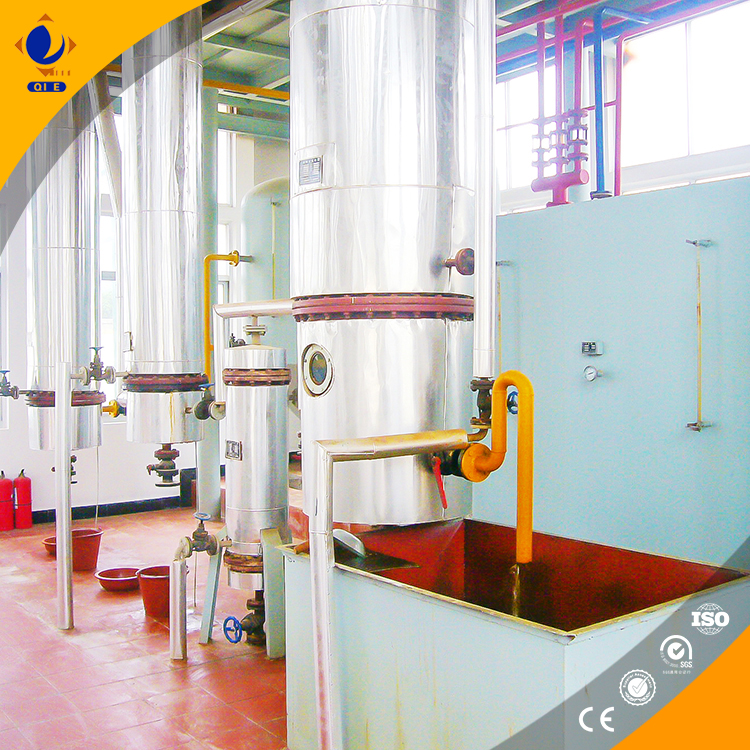
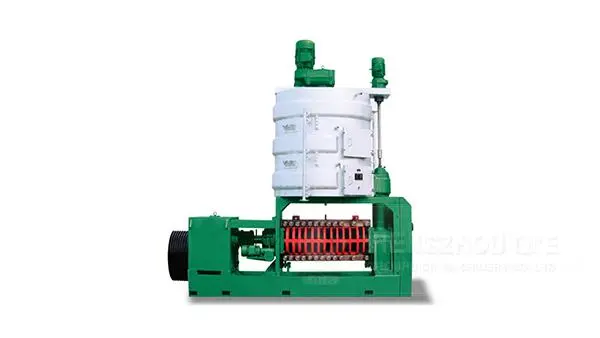
At the heart of the compact edible oil plant lies the continuous pressing system, a technological advancement that has significantly improved extraction efficiency. Unlike batch processing, continuous pressing ensures a steady flow of material through the system, maximizing throughput while maintaining consistent pressure and temperature conditions.
Modern screw presses achieve extraction efficiencies of 95-98% for most oilseeds, minimizing residual oil in the press cake. The integration of automatic feeding and pressure control systems allows operators to maintain optimal pressing parameters, adapting to different seed types and moisture contents. This level of control results in higher oil yields and reduced energy consumption compared to traditional pressing methods.
| Oilseed Type | Typical Oil Content | Extraction Efficiency | Optimal Press Temperature |
|---|---|---|---|
| Soybean | 18-22% | 96-97% | 90-95°C |
| Sunflower | 40-45% | 95-96% | 85-90°C |
| Canola/Rapeseed | 38-42% | 97-98% | 95-100°C |
| Peanut | 45-55% | 94-95% | 80-85°C |
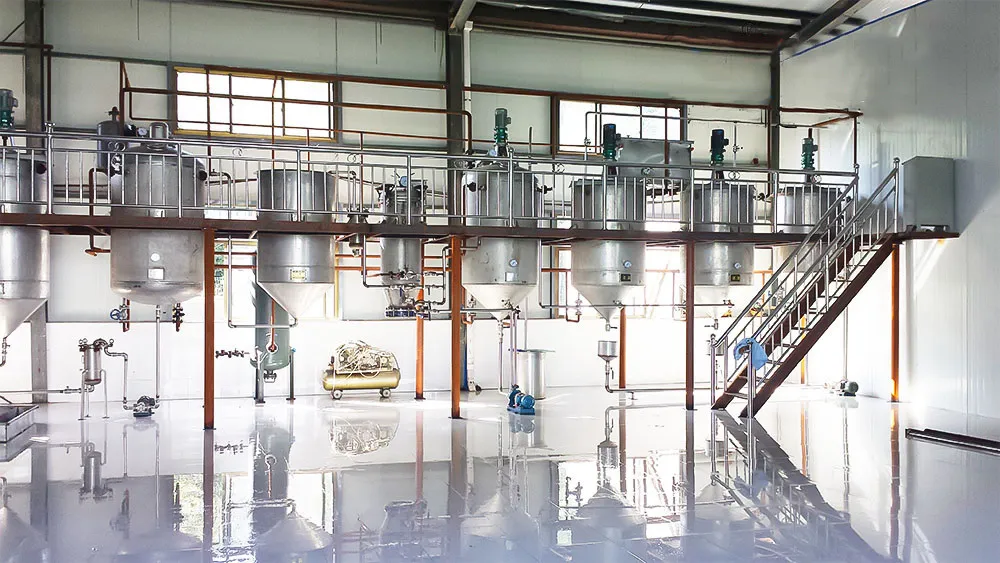
After extraction, crude oil undergoes a sophisticated refining process to remove impurities and improve stability, flavor, and nutritional quality. The refining section of a compact turnkey plant integrates several key processes that transform raw crude oil into a high-quality edible product.
The degumming process removes phospholipids and other胶质 impurities that can affect oil stability and clarity. Modern degumming systems use water or acid-assisted methods to hydrate these impurities, allowing them to be separated from the oil. Efficient degumming reduces the formation of sediments during storage and improves the effectiveness of subsequent refining steps.
Deacidification, typically achieved through neutralization with caustic soda, removes free fatty acids that contribute to unpleasant flavors and reduce oil stability. The process involves carefully controlled addition of alkali, which reacts with free fatty acids to form soapstock that can be easily separated. Precision in this step is crucial, as over-neutralization can lead to increased refining losses and reduced oil quality.
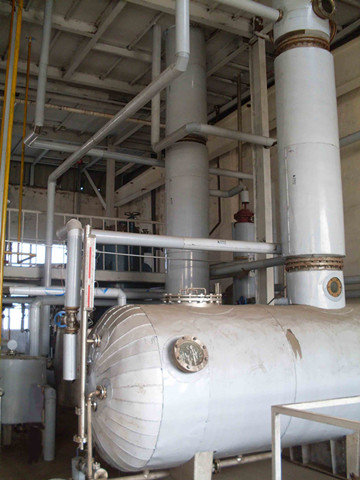
Deodorization is the final critical step in the refining process, removing volatile compounds that cause off-flavors and odors. Using high temperature (200-240°C) and vacuum conditions, this process strips away undesirable components while preserving the beneficial fatty acids and nutrients in the oil. Modern deodorization systems in compact plants utilize countercurrent steam injection and efficient heat recovery, reducing energy consumption by up to 25% compared to conventional systems.
After refining, the oil undergoes final filtration to ensure maximum clarity and remove any remaining particles. Advanced filtration systems use specialized filter media that can capture particles as small as 1-5 microns, ensuring the oil meets the highest clarity standards. The filtered oil is then ready for packaging into various container sizes, from small bottles for retail to larger drums for industrial use.
Modern packaging lines in compact plants integrate filling, capping, labeling, and coding systems that can handle multiple container types with minimal changeover time. These systems ensure accurate filling levels, secure sealing, and clear product identification, all while maintaining high production speeds of up to 300 containers per minute for small bottle formats.
Maintaining consistent product quality requires rigorous monitoring at key stages throughout the production process:
Modern compact turnkey edible oil plants prioritize energy efficiency and environmental sustainability, incorporating technologies that reduce resource consumption while maintaining productivity. Heat recovery systems capture and reuse thermal energy from various process stages, reducing overall fuel requirements by 20-30%.
Water recycling systems minimize freshwater usage by treating and reusing process water, achieving water consumption rates as low as 1.5-2.5 cubic meters per ton of processed oilseeds. Additionally, the press cake byproduct, which retains valuable protein, can be processed into animal feed, creating additional revenue streams while reducing waste.
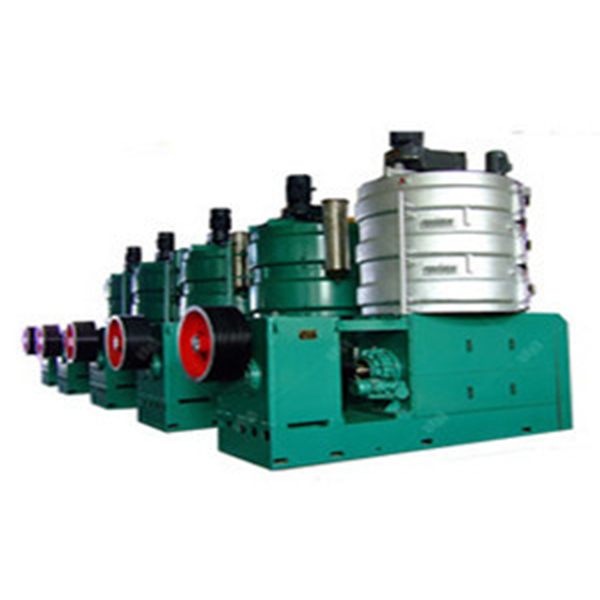
Discover how 企鹅集团's compact turnkey solutions can transform your production efficiency while maintaining the highest product quality standards. Our expertise in edible oil processing technology ensures you receive a tailored system that meets your specific production requirements.
Download Our Comprehensive Process Optimization GuideImplementing a well-designed compact turnkey edible oil plant requires careful consideration of raw material characteristics, production goals, and quality requirements. By integrating advanced technologies with efficient process design, these systems offer中小型 enterprises the opportunity to compete effectively in the global edible oil market while maintaining cost efficiency and product quality. As consumer demand for high-quality edible oils continues to grow, investing in optimized production technology becomes not just a competitive advantage, but a necessity for long-term business sustainability.
 coconut oil processing line installation
coconut oil production line commissioning
coconut oil equipment maintenance
Qie Group coconut oil processing
Modular rapeseed oil production line
Edible oil production line construction
Rapid production
Flexible capacity configuration
Fully automatic edible oil equipment
coconut oil extraction process
coconut oil production line
husked coconut shelling technology
Qie Group coconut oil equipment
rice bran pretreatment
impurity control in oilseed processing
moisture management in rice bran
automated grain cleaning system
energy-efficient oil extraction equipment
automated grinding and pressing equipment
sunflower oil production line
corrosion-resistant material selection
food-grade stainless steel
oil mill equipment durability
coconut oil processing line installation
coconut oil production line commissioning
coconut oil equipment maintenance
Qie Group coconut oil processing
Modular rapeseed oil production line
Edible oil production line construction
Rapid production
Flexible capacity configuration
Fully automatic edible oil equipment
coconut oil extraction process
coconut oil production line
husked coconut shelling technology
Qie Group coconut oil equipment
rice bran pretreatment
impurity control in oilseed processing
moisture management in rice bran
automated grain cleaning system
energy-efficient oil extraction equipment
automated grinding and pressing equipment
sunflower oil production line
corrosion-resistant material selection
food-grade stainless steel
oil mill equipment durability







.png?x-oss-process=image/resize,h_100,m_lfit/format,webp)
.png?x-oss-process=image/resize,h_100,m_lfit/format,webp)
.png?x-oss-process=image/resize,h_100,m_lfit/format,webp)