For Small to Medium Food Enterprises | Industry Insight Report
In today's competitive food processing landscape, small and medium-sized enterprises (SMEs) face unprecedented pressure to balance quality, efficiency, and cost management. The edible oil sector, in particular, demands precision and consistency while navigating fluctuating raw material costs and evolving consumer expectations for quality and safety standards.
Industry Perspective: According to a 2023 report by Food Processing Technology Association, 76% of edible oil SMEs cite "inconsistent product quality" and "high operational costs" as their primary barriers to market expansion.
Small-scale oil processors typically grapple with fragmented production processes, manual operations, and limited technical expertise—factors that directly impact product consistency and profitability. Traditional production lines often require significant capital investment, extensive floor space, and specialized technical personnel, creating barriers to entry for growth-oriented SMEs.
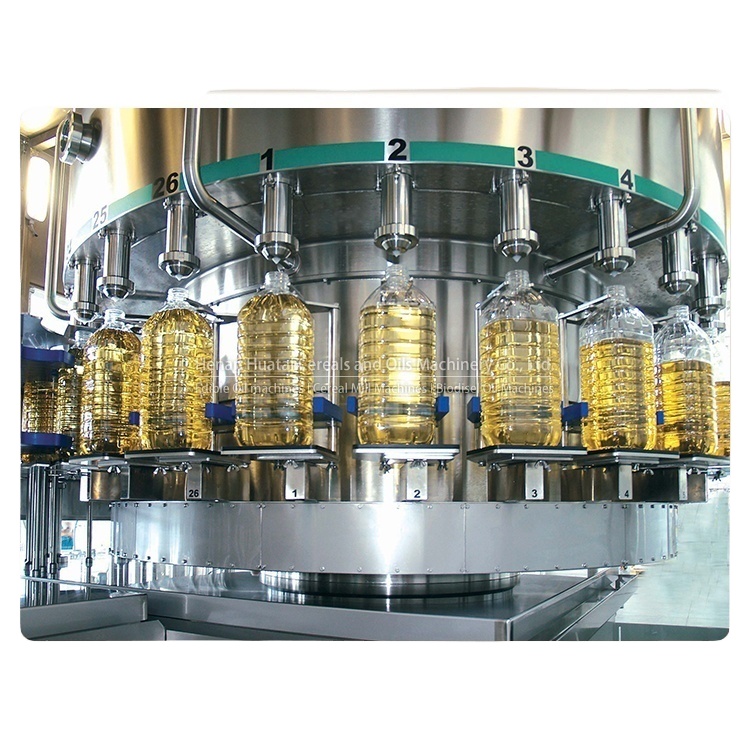
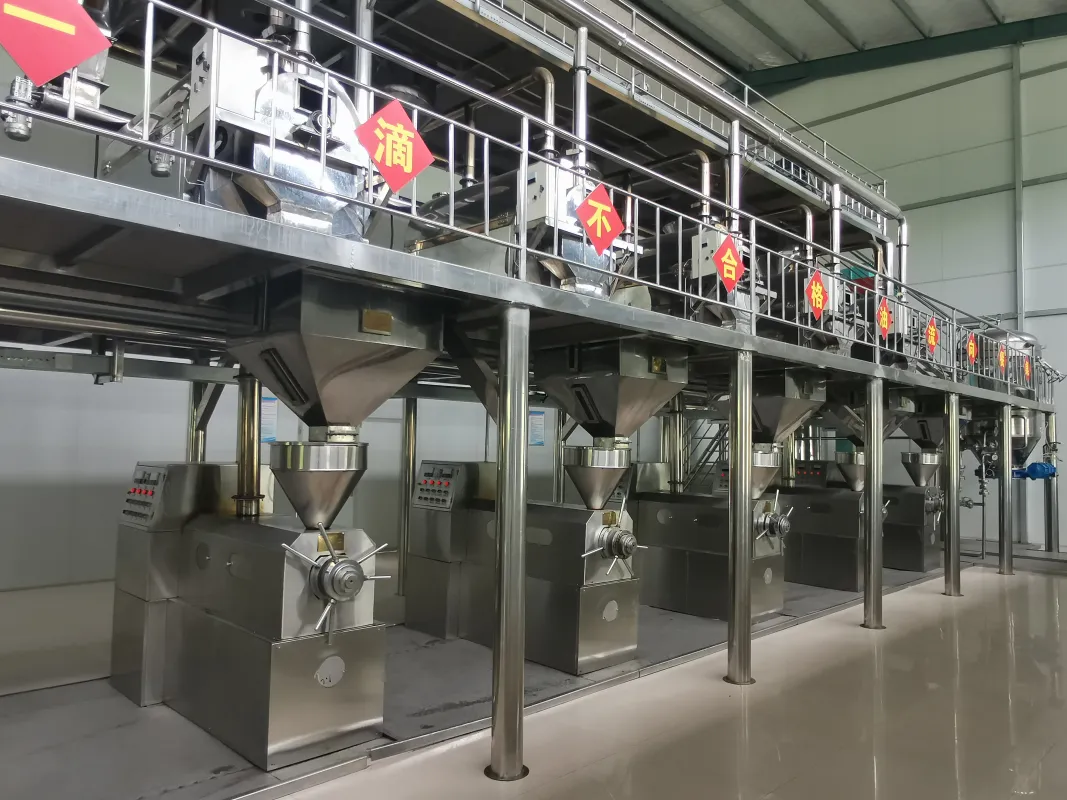
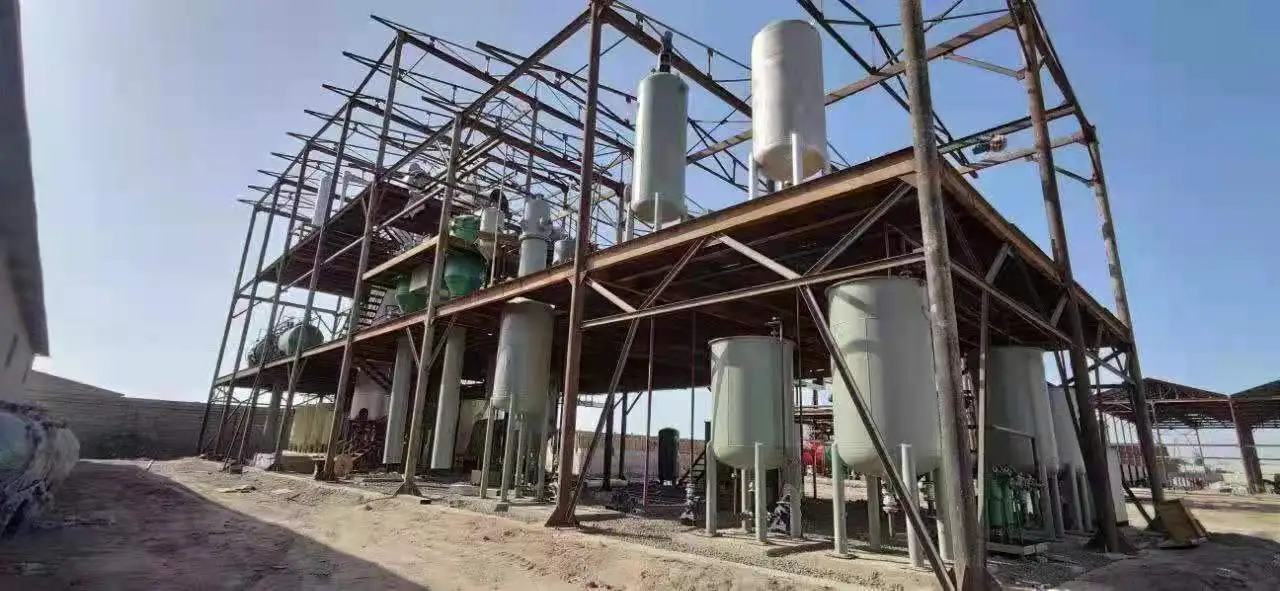
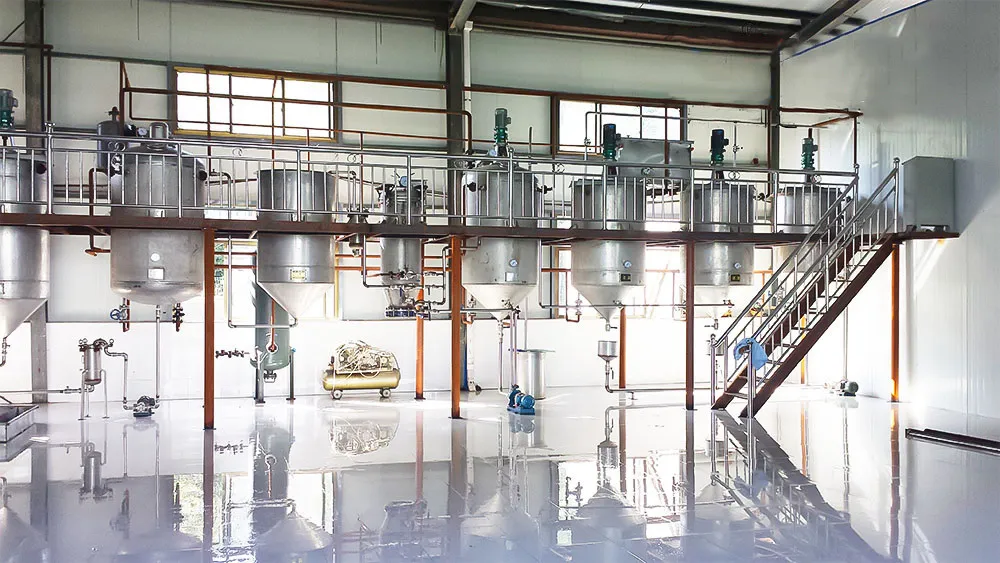
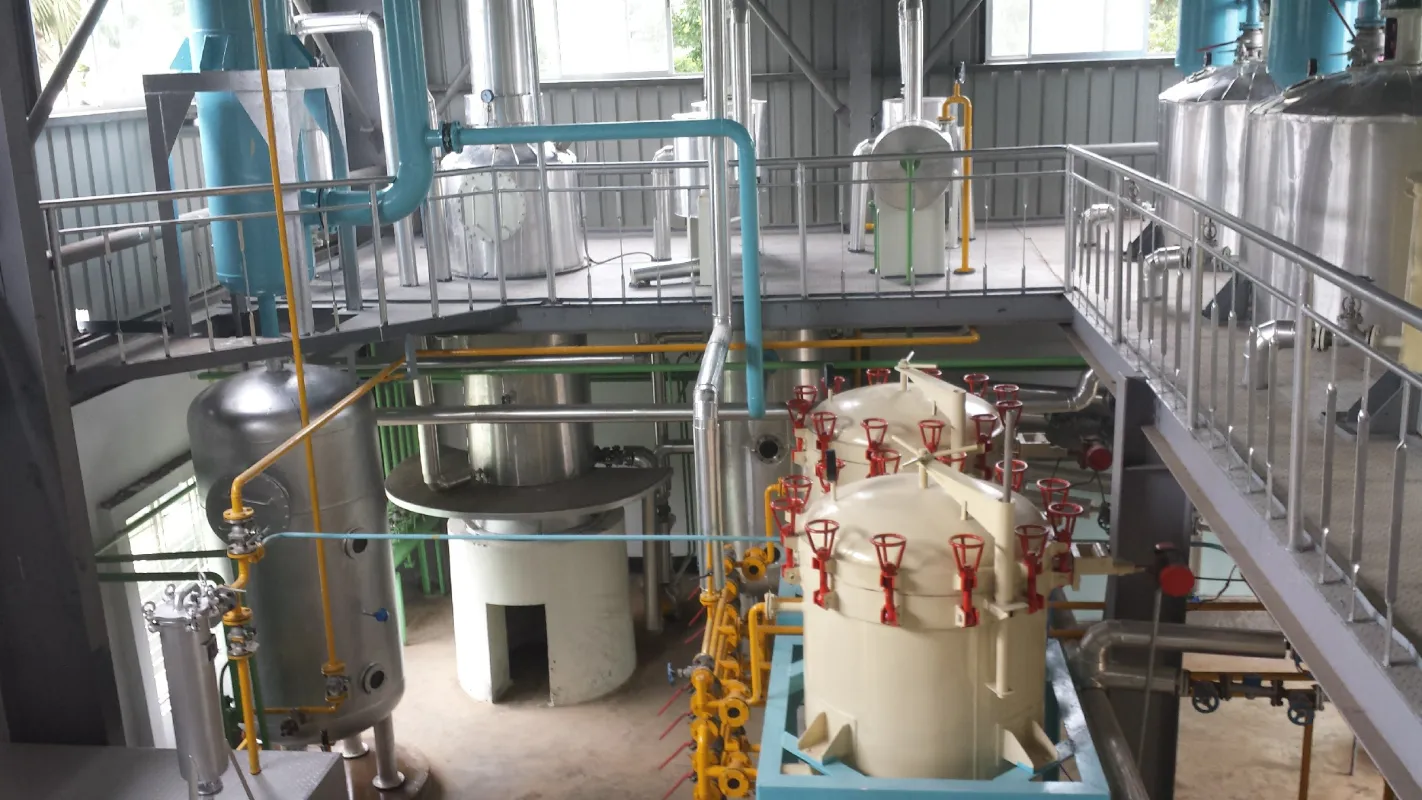
Compact turnkey edible oil plants represent a paradigm shift for SMEs, integrating complete production lines—from raw material handling to refining and packaging—into space-efficient, pre-engineered systems. These solutions, like those developed by Penguin Group , address the unique constraints of small to medium operations while delivering industrial-grade performance.
The transition to automated, standardized production delivers measurable returns across key business metrics. A case study of a mid-sized edible oil producer in Southeast Asia demonstrated compelling results within the first year of implementing a compact turnkey system:
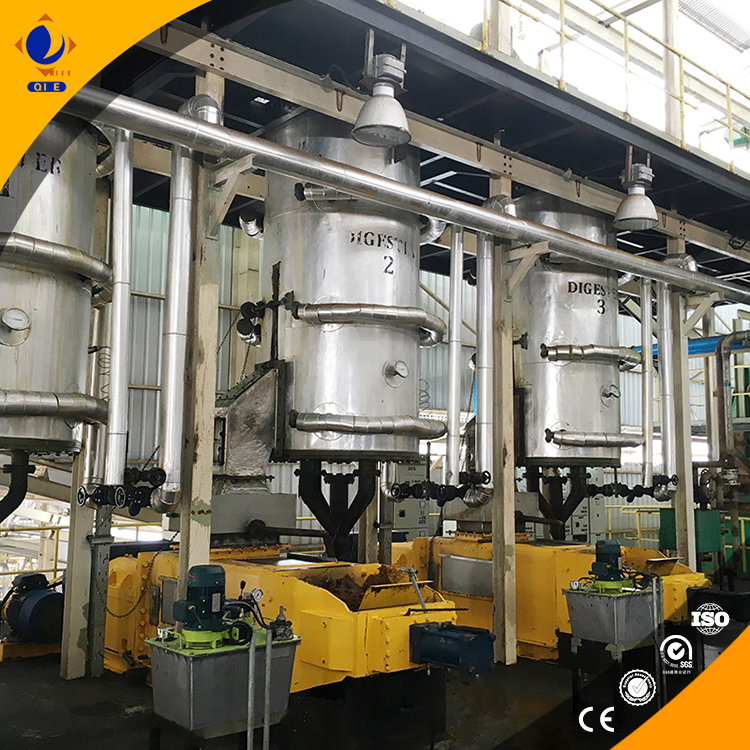
Pre-implementation Challenges: 18% raw material wastage, 22% production downtime, inconsistent quality metrics
6-Month Results: 32% reduction in production costs, 98.7% product consistency rate, 27% increase in daily output
12-Month ROI: 18-month projected payback period with 23% increase in net profit margin
The edible oil industry is evolving rapidly, driven by consumer demand for healthier products, sustainability concerns, and stricter quality regulations. Compact turnkey systems position SMEs to adapt to these trends through:
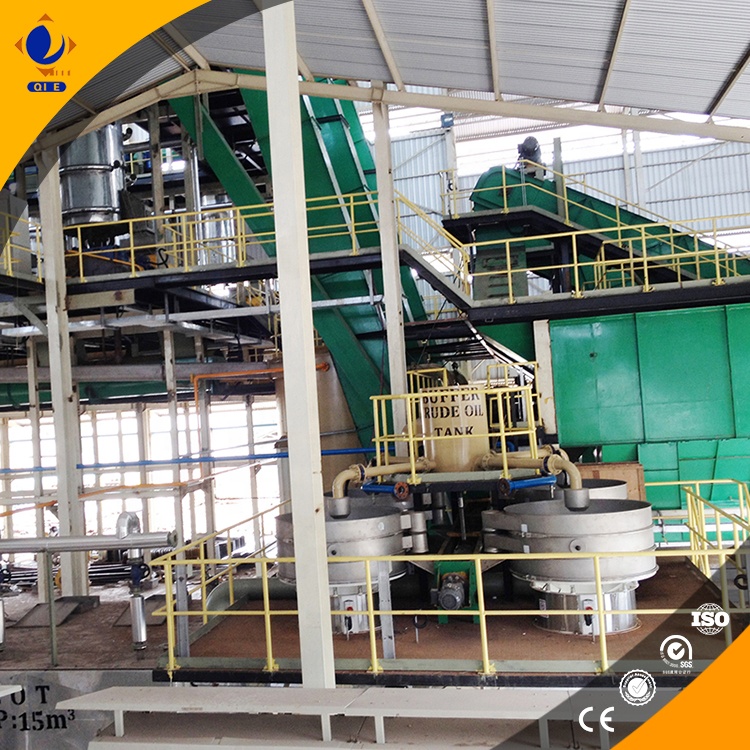
Discover how Penguin Group's compact turnkey solutions can help your enterprise achieve operational excellence, product consistency, and market competitiveness.
Download Your Custom Feasibility AssessmentOur technical specialists will analyze your specific requirements and provide a tailored production solution blueprint.
As the edible oil market continues to consolidate, SMEs that invest in automation and standardization today are positioning themselves for sustainable growth tomorrow. The compact turnkey approach eliminates the traditional barriers to entry for advanced production technology, allowing small to medium enterprises to compete effectively with larger players while maintaining their agility and market responsiveness.
The decision to modernize production is not merely about equipment—it's about securing a competitive advantage in an increasingly demanding marketplace. With the right technology partner, SMEs can transform operational challenges into strategic opportunities for quality enhancement, cost optimization, and market expansion.
 Rice bran oil refining process
Automated deodorization technology
Food safety standards
Critical control point management
Edible oil production equipment
automated rice bran oil refining
energy-efficient refining equipment
multi-stage filtration
degumming and deacidification
food safety standards
rice bran pretreatment
fully automatic rice bran oil processing
moisture control technology
impurity removal
energy - saving and environmentally friendly equipment
Modular rapeseed oil production line
Edible oil production line construction
Rapid production launch
Flexible production capacity configuration
Process flow optimization
rice bran oil refining automation
bleaching and deodorization process
food safety in oil processing
critical control point management
automated oil purification technology
Rice bran oil refining process
Automated deodorization technology
Food safety standards
Critical control point management
Edible oil production equipment
automated rice bran oil refining
energy-efficient refining equipment
multi-stage filtration
degumming and deacidification
food safety standards
rice bran pretreatment
fully automatic rice bran oil processing
moisture control technology
impurity removal
energy - saving and environmentally friendly equipment
Modular rapeseed oil production line
Edible oil production line construction
Rapid production launch
Flexible production capacity configuration
Process flow optimization
rice bran oil refining automation
bleaching and deodorization process
food safety in oil processing
critical control point management
automated oil purification technology




.png?x-oss-process=image/resize,h_100,m_lfit/format,webp)
.png?x-oss-process=image/resize,h_100,m_lfit/format,webp)
.png?x-oss-process=image/resize,h_100,m_lfit/format,webp)