Qi'e Grain and Oil Machinery Co., Ltd.
A well-matched cottonseed oil production line is built on clear capacity planning, suitable process coordination, stable equipment performance, and practical maintenance. For B2B buyers, the right decision is not only about purchasing machines, but also about balancing raw material conditions, operating costs, oil recovery, automation, and long-term serviceability.
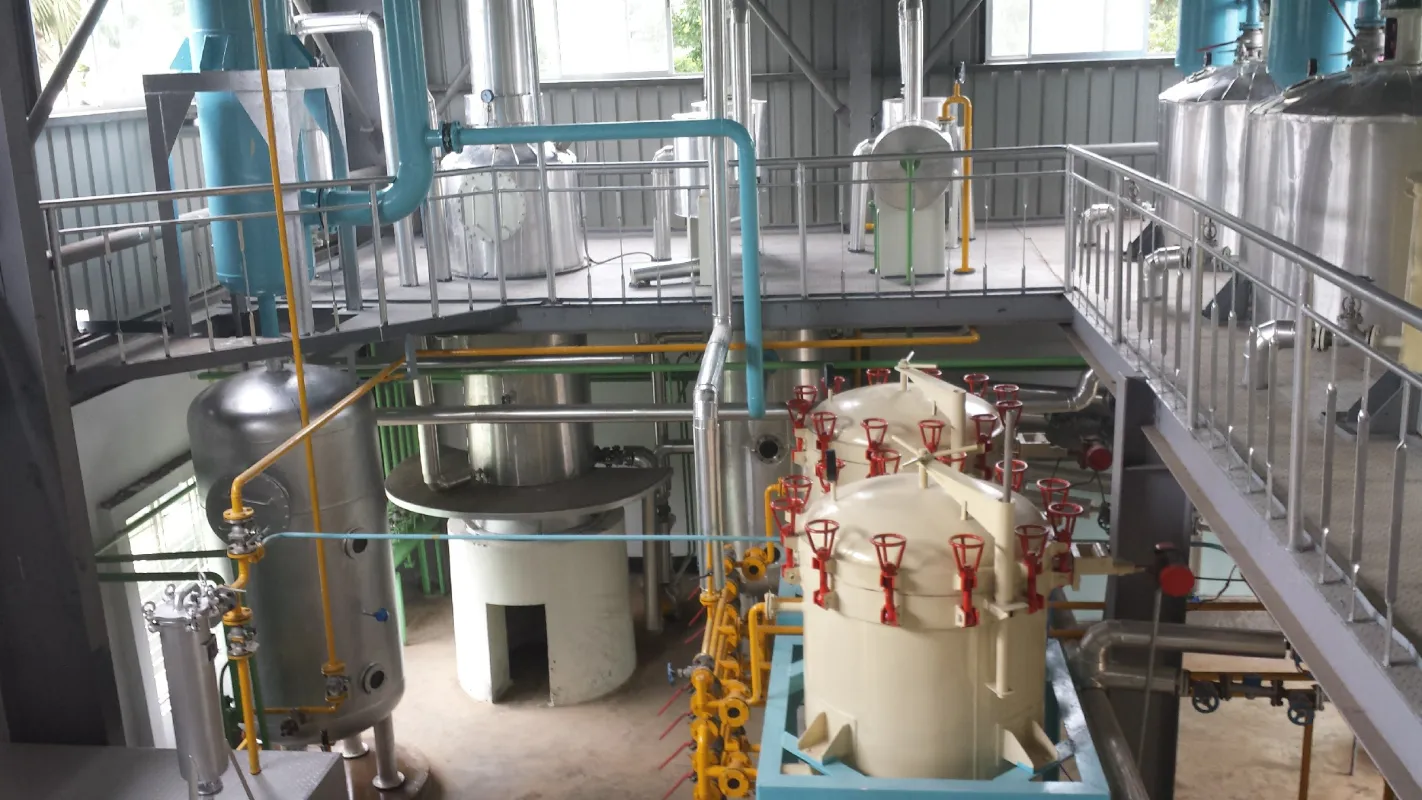
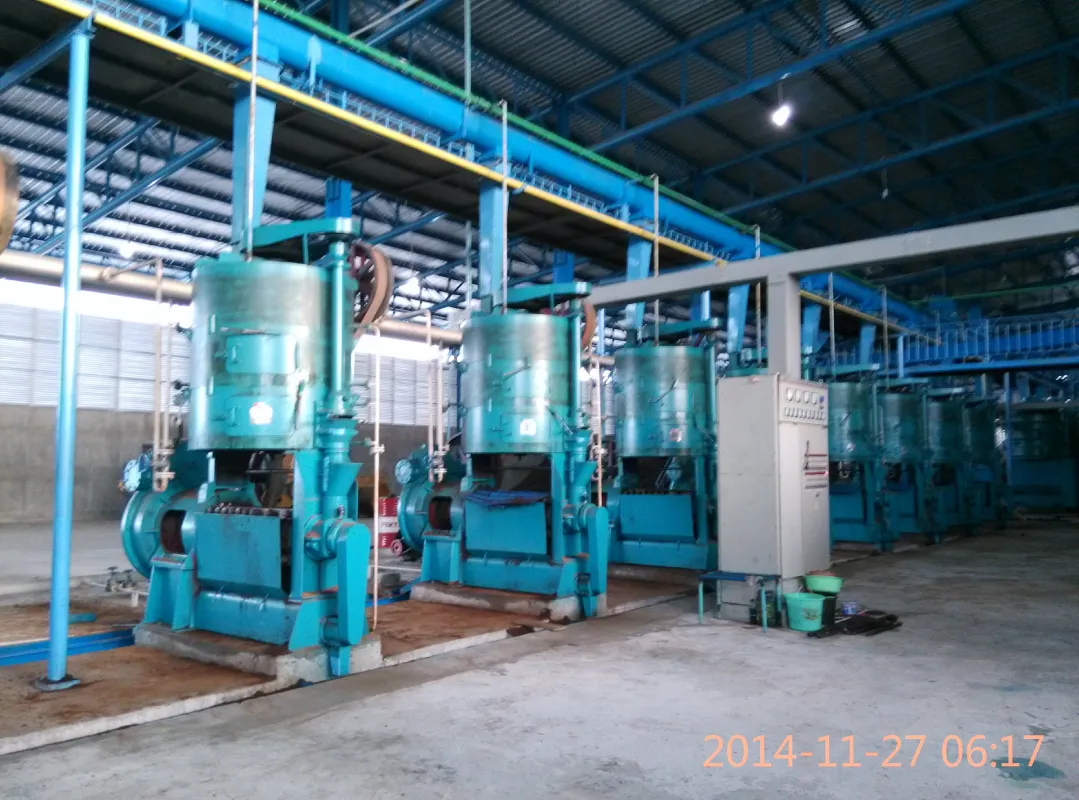
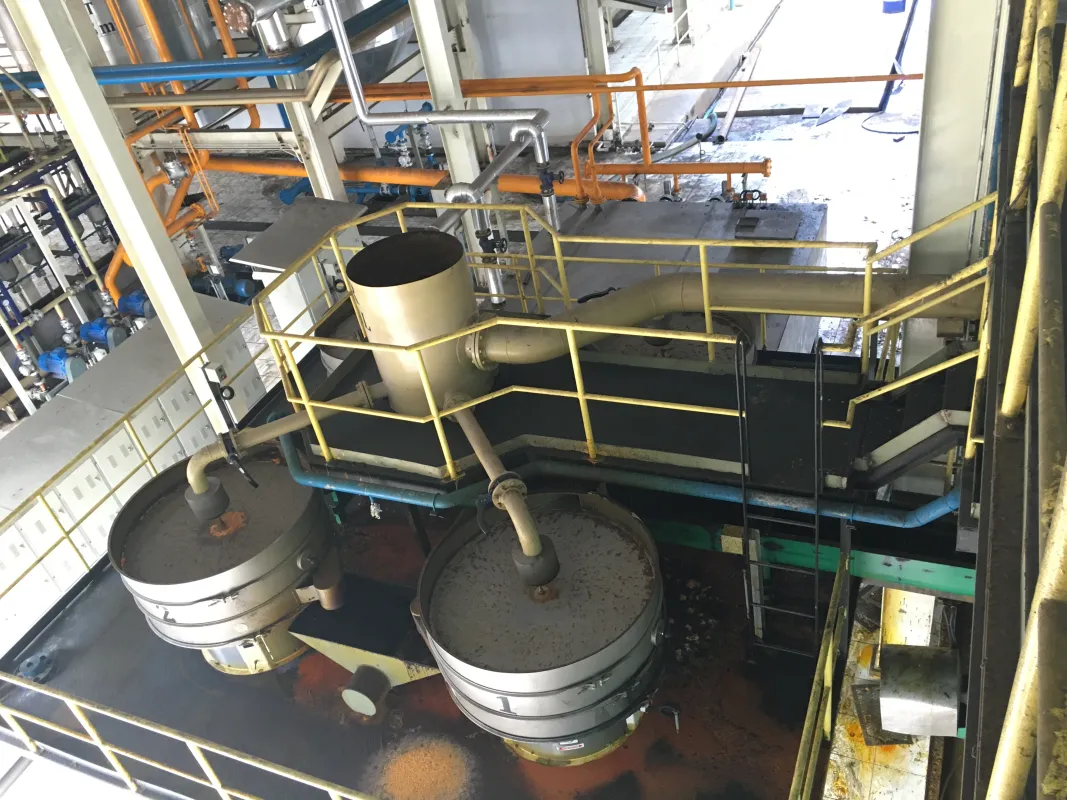
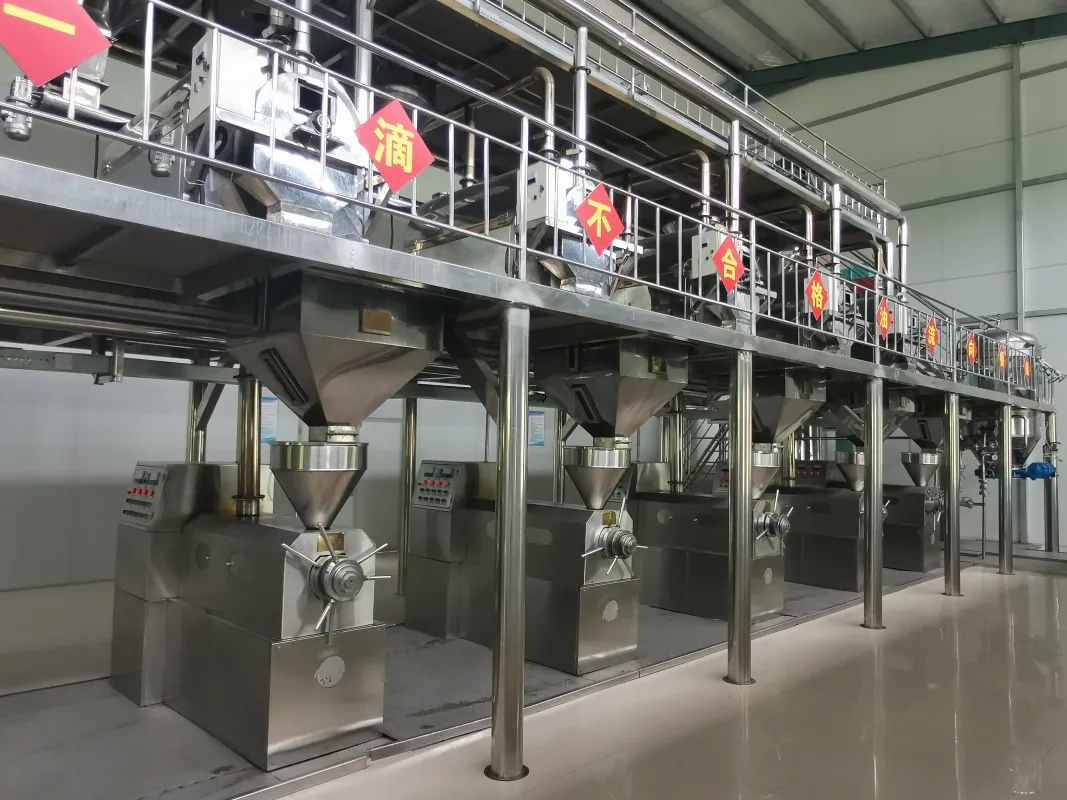
Cottonseed oil processing involves multiple coordinated stages, including cleaning, dehulling, flaking, pressing, filtering, refining, and packaging. If one stage is undersized, overdesigned, or poorly matched, the entire line may face bottlenecks, unstable output, higher energy use, or unnecessary downtime.
Qi'e Grain and Oil Machinery Co., Ltd. focuses on production-line planning that aligns the full process rather than isolated equipment purchase. This approach helps project owners build a system that is easier to operate, maintain, and scale.
A complete cottonseed oil production line is usually organized as a connected process. Each step supports the next, which is why line design matters as much as individual equipment quality.
Check wear parts, fastening points, lubrication status, and key operating indicators regularly to catch small issues early.
Build a maintenance schedule around production intensity and equipment workload so that planned service is less disruptive than unexpected downtime.
When abnormal vibration, temperature changes, output fluctuation, or inconsistent extraction performance appears, identify the cause by stage, not only by the final symptom.
Well-trained operators can support safer startup, more stable running, and more effective response to routine alarms and process adjustments.
As a long-established grain and oil machinery manufacturer, Qi'e Grain and Oil Machinery Co., Ltd. supports cottonseed oil projects with equipment design, line matching, installation assistance, commissioning, technical consulting, and after-sales support.
Qi'e Grain and Oil Machinery Co., Ltd. approaches cottonseed oil processing equipment as a complete production system. The most reliable solution is one that fits your capacity target, raw material conditions, operating budget, and maintenance strategy while remaining practical for long-term industrial use.
 soybean oil extraction intelligent control system parameter automation oil yield improvement energy efficiency
Qi'e Grain and Oil Machinery grain and oil machinery equipment oil production line equipment edible oil refining equipment oilseed processing solutions
Qi'e Grain and Oil Machinery Co., Ltd. grain and oil machinery equipment oil press machinery edible oil production line edible oil refining equipment
Qi'e Grain and Oil Machinery Co., Ltd. grain and oil machinery edible oil production line oil pressing equipment oil refining equipment integrated solution
grain and oil machinery oil pressing equipment oil production line edible oil refining Qi'e Grain and Oil Machinery Co., Ltd.