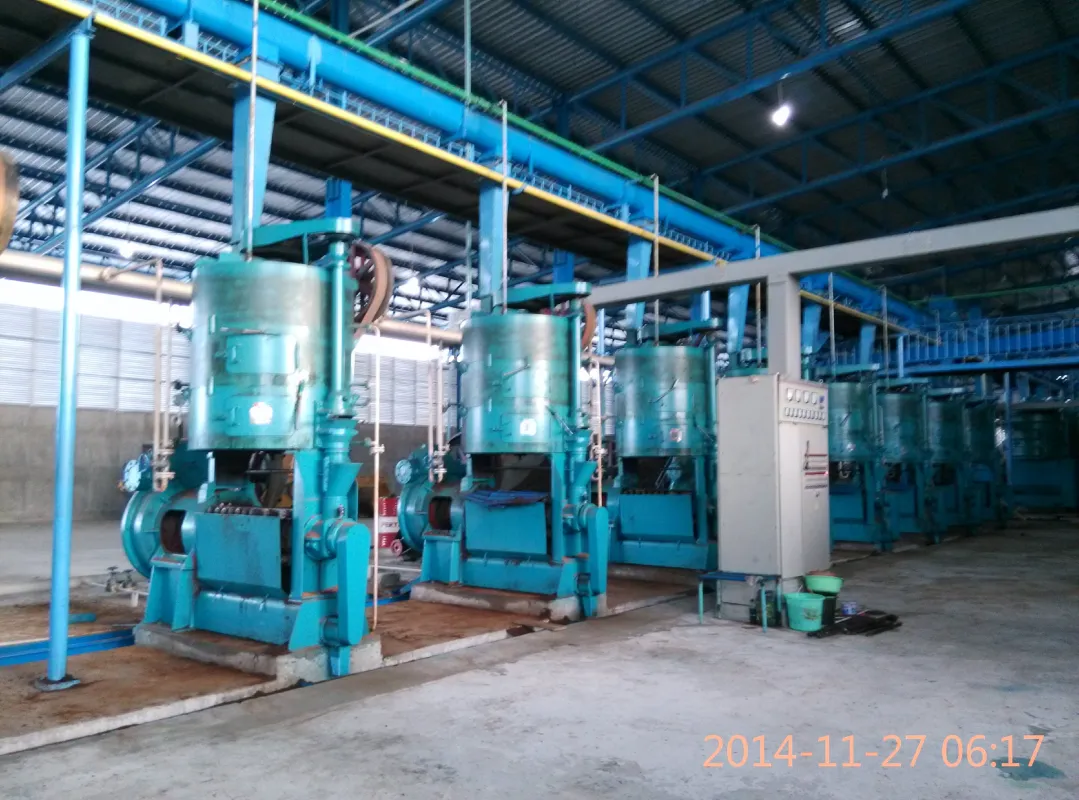
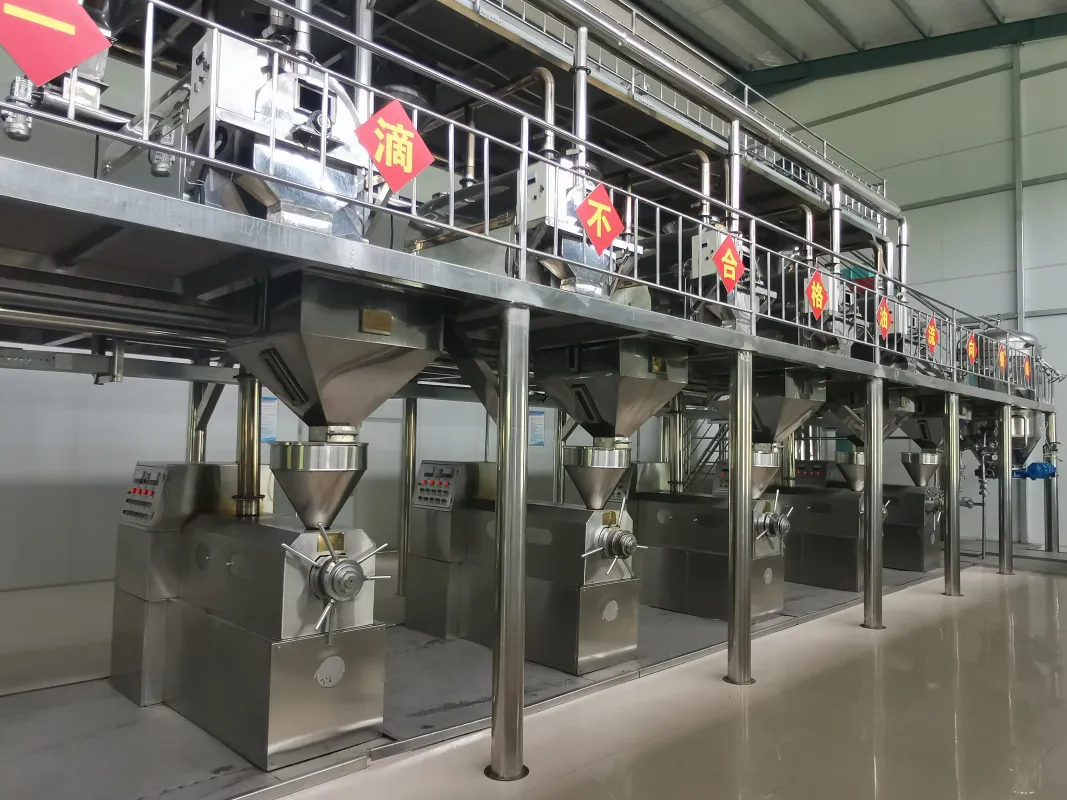
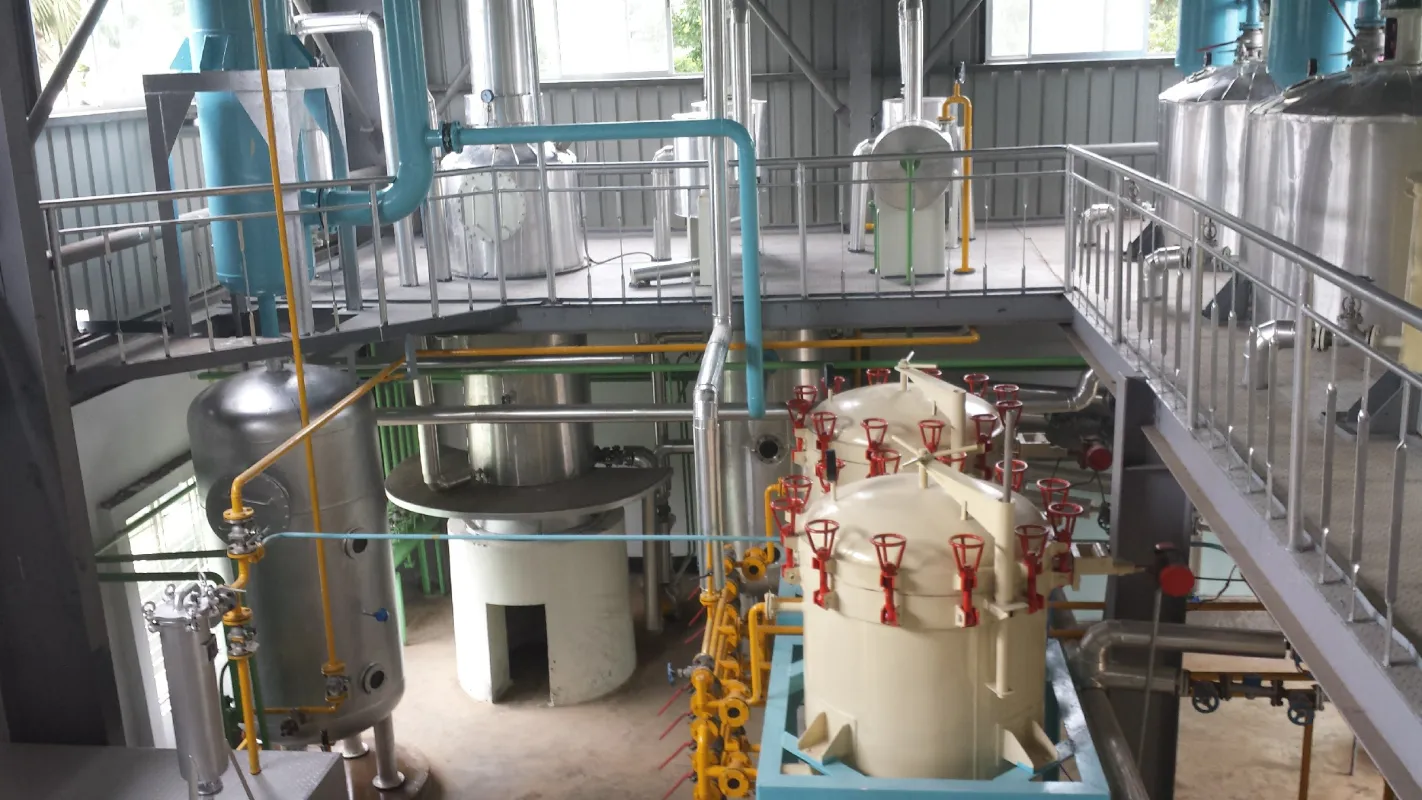
Australian palm oil processors face unique challenges that demand tailored solutions rather than off-the-shelf equipment. A 2022 industry report indicated that over 65% of medium-sized processors struggle with inefficient space utilization, while 42% cite difficulty adapting to seasonal variations in palm fruit quality. Traditional fixed-design equipment often leads to underutilization during low seasons and bottlenecks during peak harvests, significantly impacting operational efficiency.
The harsh Australian climate presents additional hurdles, with temperature fluctuations affecting processing consistency. Equipment must withstand extreme conditions while maintaining precision—a balance that generic solutions rarely achieve. This is where Penguin Group's modular approach transforms operational possibilities.
Modular palm oil processing equipment represents a paradigm shift in how Australian processors approach facility design. Unlike conventional systems, Penguin Group's modular components function as interchangeable units that can be configured, expanded, or reconfigured based on specific operational needs.
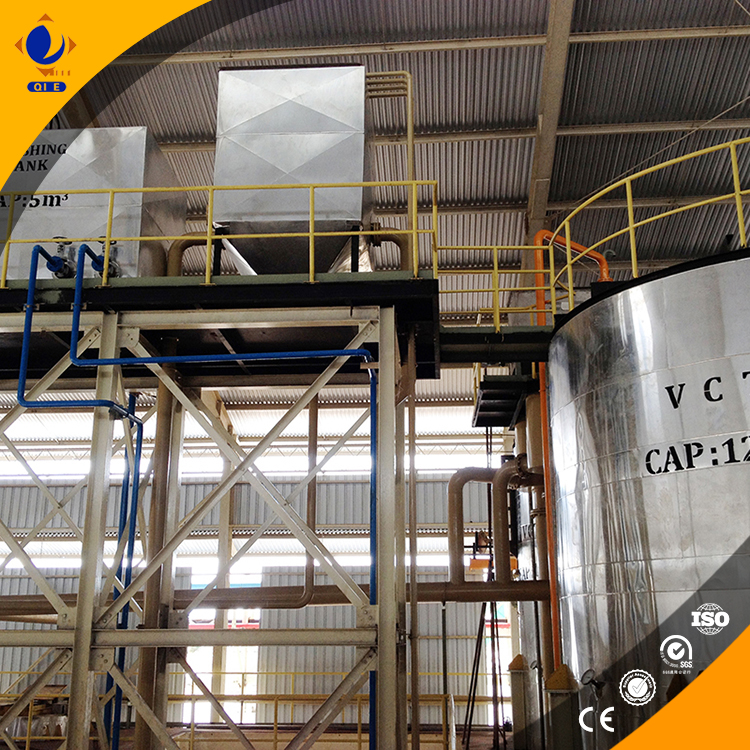
Installation time is reduced by up to 40% compared to traditional systems, with pre-engineered modules requiring minimal on-site assembly. This translates to faster time-to-market and reduced downtime during facility upgrades. For instance, a recent installation for a Queensland processor saw commissioning completed in just 6 weeks, compared to the industry average of 14 weeks.
Space optimization is another critical benefit. Modular designs can be customized to fit existing facility constraints, utilizing vertical space efficiently. This is particularly valuable for processors looking to expand without acquiring additional real estate—a significant advantage in Australia's competitive industrial property market.
Not every processor requires the same level of automation. Penguin Group's tiered automation strategy ensures optimal technology adoption based on production volume, workforce expertise, and long-term goals. This targeted approach prevents over-investment in unnecessary technology while ensuring future scalability.
| Automation Level | Ideal For | Key Features | Energy Savings |
|---|---|---|---|
| Basic Automation | Small to medium processors (5-20 TPD) | PLC control, automated temperature regulation | 15-20% reduction |
| Advanced Automation | Medium processors (20-50 TPD) | AI-assisted process optimization, remote monitoring | 25-30% reduction |
| Smart Factory Integration | Large processors (50+ TPD) | Full process automation, predictive maintenance, IoT connectivity | 35-40% reduction |
Penguin Group's proprietary control systems utilize machine learning algorithms to adapt processing parameters based on real-time fruit analysis. This ensures optimal oil extraction rates regardless of variations in fruit ripeness or quality—critical for Australian processors dealing with diverse regional palm varieties.
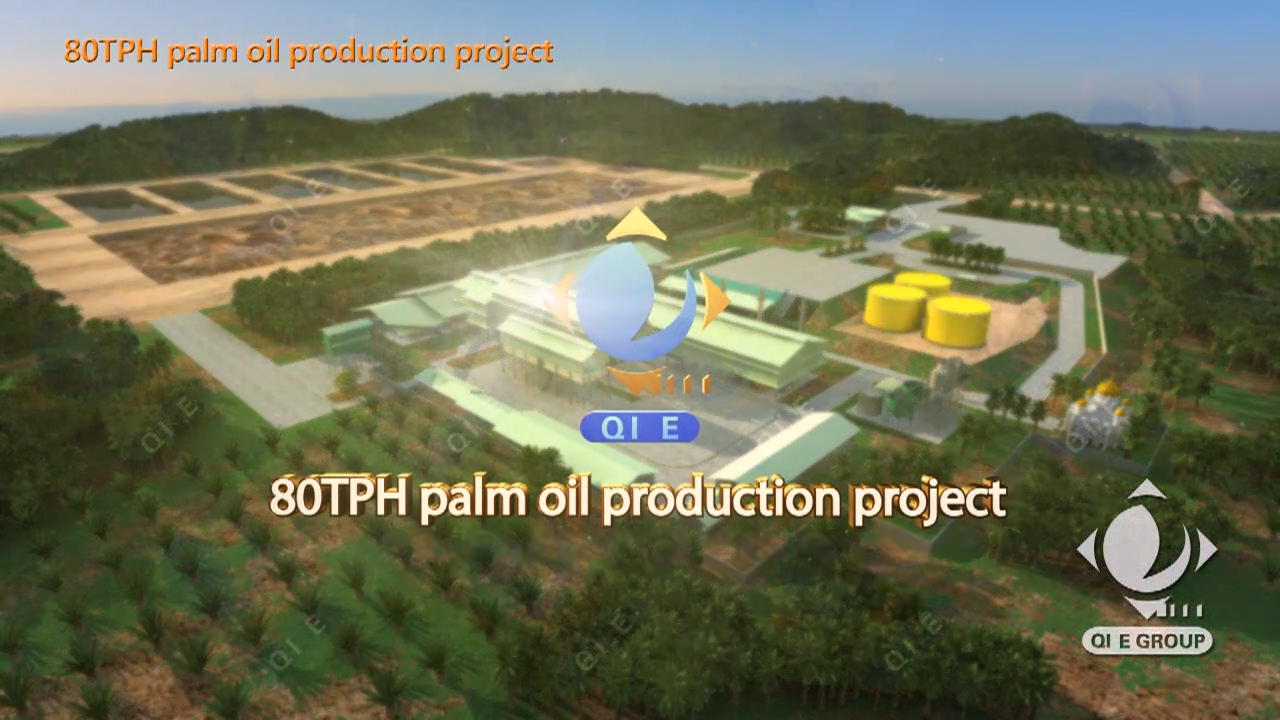
Australian palm varieties have distinct characteristics compared to their Southeast Asian counterparts, requiring specialized processing approaches. Penguin Group's equipment incorporates adjustable processing parameters that account for differences in oil content, fiber structure, and moisture levels typically found in Australian-grown palms.
Misconception: "Higher automation always equals better results."
Reality: A Victorian processor recently saved AUD 230,000 annually by implementing a partially automated system tailored to their specific crop characteristics, rather than investing in full automation that would have been underutilized.
The deacidification process, critical for producing high-quality edible oils, requires precise temperature and pressure control adapted to Australian palm's unique fatty acid profile. Penguin Group's modular refining units allow for quick adjustments to processing parameters, ensuring consistent oil quality throughout the harvest season.
Water management is another area where local adaptation delivers significant benefits. Australian processors face stringent environmental regulations, making efficient water usage a priority. Penguin Group's closed-loop water recycling systems reduce water consumption by up to 55% compared to conventional processes, while meeting Australia's strict environmental standards.
Equipment durability in Australia's harsh conditions requires careful material selection. Penguin Group's use of 316-grade stainless steel for critical components ensures resistance to corrosion from both the processing environment and Australia's high salinity in some regions. This material choice extends equipment lifespan by an average of 8-10 years compared to standard carbon steel alternatives.
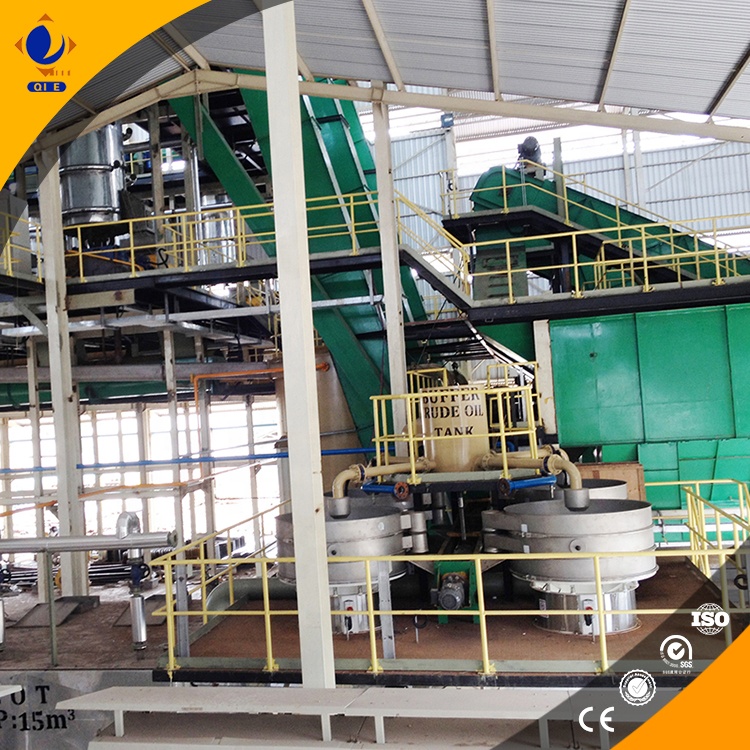
All Penguin Group equipment meets Australian Standards (AS) and international certifications including ISO 22000 for food safety management. This compliance not only ensures product quality but also simplifies market access for processors looking to export their products to global markets.
Energy efficiency certifications, including compliance with the Australian Government's Equipment Energy Efficiency (E3) program, further validate the environmental benefits of Penguin Group's solutions. Processors can leverage these certifications to access government grants and incentives for sustainable manufacturing practices.
Take the first step toward a customized solution that addresses your specific challenges and goals.
Schedule Your Personalized Technical ConsultationOur palm oil processing specialists will analyze your current operations and provide tailored recommendations at no initial cost.
The transition to modular, adaptive processing equipment represents more than just a technological upgrade—it's a strategic investment in long-term operational flexibility. As Australian palm oil processors face evolving market demands and environmental regulations, the ability to quickly adapt processing capabilities will become increasingly critical to maintaining competitive advantage.
By focusing on modular design, appropriate automation grading, and local adaptation, Penguin Group delivers solutions that grow with your business while optimizing resource utilization and product quality. The result is a processing system that not only meets today's needs but can be easily reconfigured to address tomorrow's challenges.
 Rice bran oil refining equipment international certification
Export - oriented enterprise equipment selection
Food safety management equipment specifications
ISO9001 Quality Management System
HACCP Food Safety Management System
Rice bran oil food safety online detection
Critical Control Point CCP management
Automated refining process
Edible oil quality improvement
Food processing equipment safety control
rice bran oil refining
critical control points management
online detection technology
automated food processing
food safety in oil production
automated rice bran preprocessing
rice bran oil processing equipment
energy-efficient oil extraction
industrial automation in food processing
export-oriented edible oil production
modular rapeseed oil production line
edible oil manufacturing solutions
rapid commissioning
flexible capacity configuration
international standard edible oil production
Rice bran oil refining equipment international certification
Export - oriented enterprise equipment selection
Food safety management equipment specifications
ISO9001 Quality Management System
HACCP Food Safety Management System
Rice bran oil food safety online detection
Critical Control Point CCP management
Automated refining process
Edible oil quality improvement
Food processing equipment safety control
rice bran oil refining
critical control points management
online detection technology
automated food processing
food safety in oil production
automated rice bran preprocessing
rice bran oil processing equipment
energy-efficient oil extraction
industrial automation in food processing
export-oriented edible oil production
modular rapeseed oil production line
edible oil manufacturing solutions
rapid commissioning
flexible capacity configuration
international standard edible oil production






.png?x-oss-process=image/resize,h_100,m_lfit/format,webp)
.png?x-oss-process=image/resize,h_100,m_lfit/format,webp)
.png?x-oss-process=image/resize,h_100,m_lfit/format,webp)