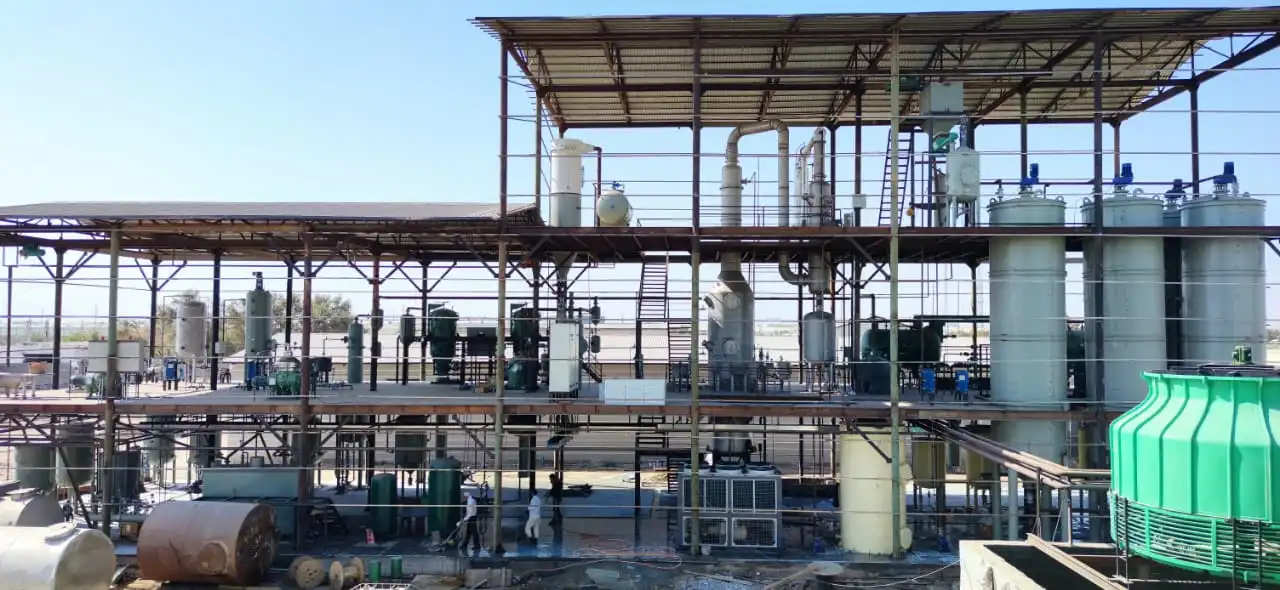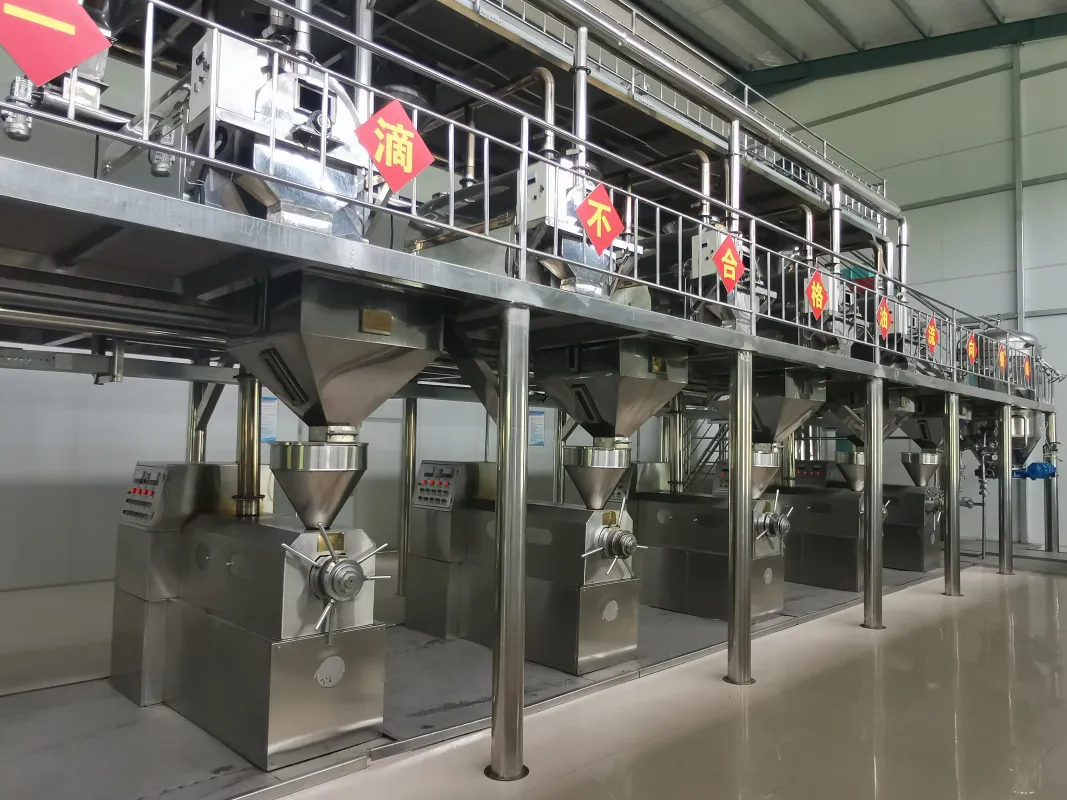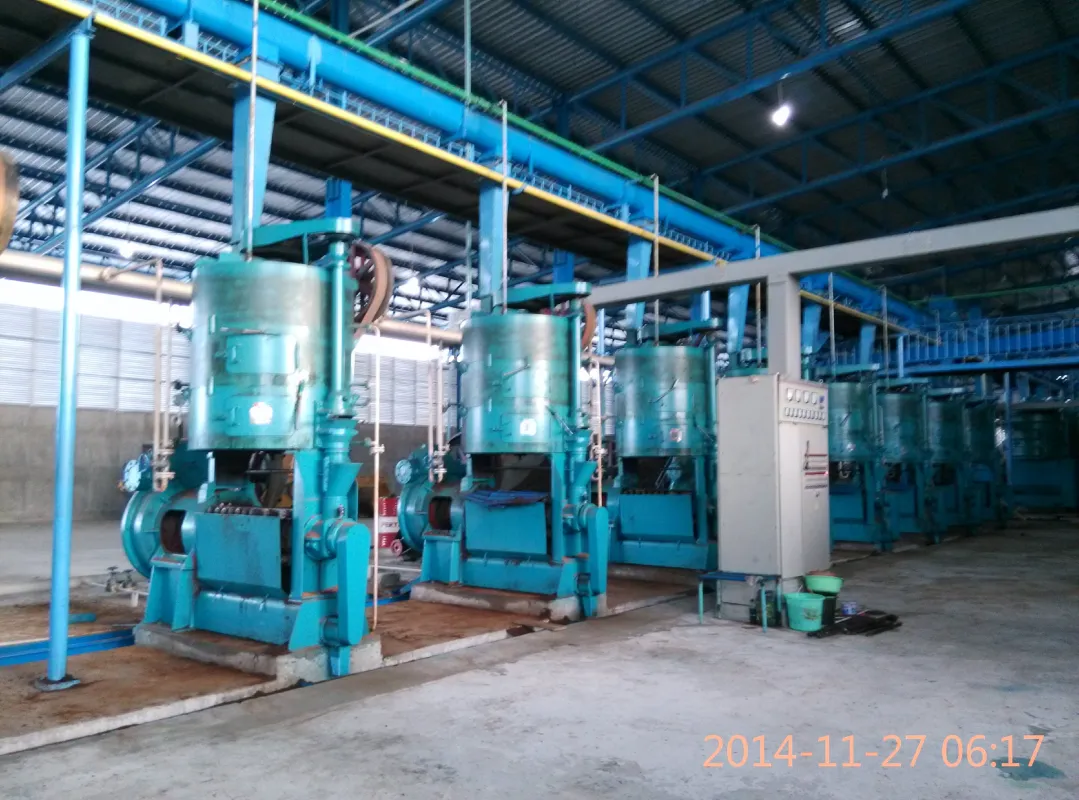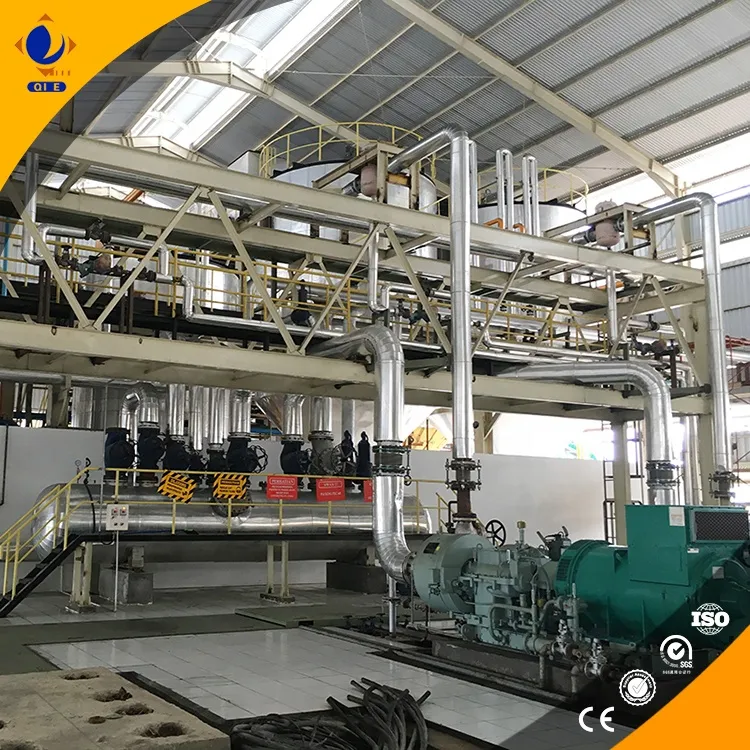
In the dynamic landscape of Australia's palm oil industry, selecting the right processing equipment isn't merely a purchase decision—it's an investment in operational efficiency, scalability, and long-term profitability. With over 25 years of engineering excellence, Qie Group has redefined how palm oil processors approach equipment design, offering modular solutions that adapt to your specific production needs while ensuring compliance with Australia's stringent quality and environmental standards.
Australian palm oil processors face unique challenges that demand tailored solutions. A recent industry survey revealed that 68% of medium-sized mills struggle with either overcapacity (leading to unnecessary energy consumption) or undercapacity (resulting in missed market opportunities). Meanwhile, 42% of large-scale operations report difficulties integrating new equipment with existing infrastructure during expansion phases.
Modular palm oil processing equipment represents a paradigm shift from traditional fixed installations. By breaking down the production line into interconnected yet independent units, processors gain unprecedented flexibility in both initial setup and future expansion.

The modular approach offers three distinct advantages for Australian operations:
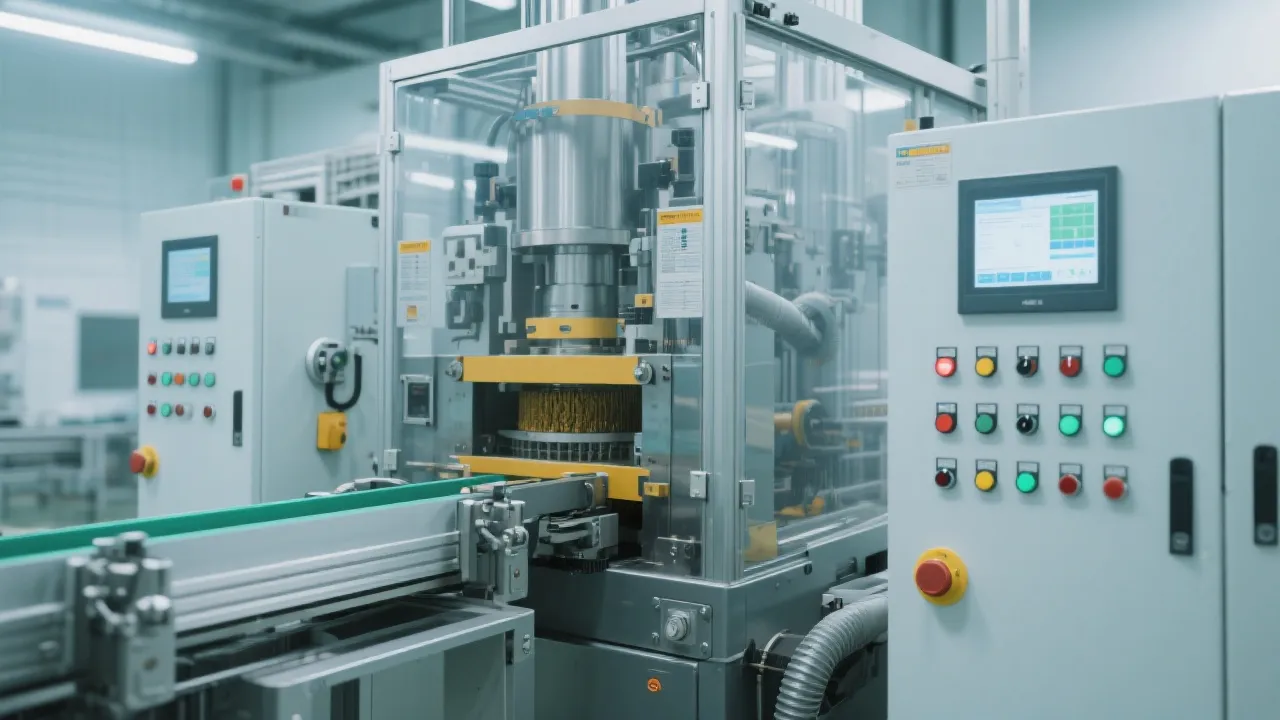
Automation isn't a binary choice but a spectrum that should align with your production volume, workforce capabilities, and long-term goals. Qie Group's automation grading system offers five distinct levels, each delivering specific benefits:
| Automation Level | Ideal Production Scale | Key Features | Estimated Labor Reduction |
|---|---|---|---|
| Basic (Level 1) | Up to 10 tons/day | Manual feeding, semi-automatic pressing | 15-20% |
| Standard (Level 2) | 10-50 tons/day | Automatic feeding, PLC-controlled pressing | 30-35% |
| Advanced (Level 3) | 50-150 tons/day | Integrated process control, remote monitoring | 50-55% |
| High (Level 4) | 150-300 tons/day | AI-assisted process optimization, predictive maintenance | 65-70% |
| Full (Level 5) | 300+ tons/day | Fully integrated smart factory, minimal human intervention | 80-85% |
Australian palm varieties, particularly those grown in Queensland and Northern Territory regions, present unique processing challenges due to their specific oil content, moisture levels, and fruit structure. Qie Group's localized approach to equipment design addresses these nuances through:
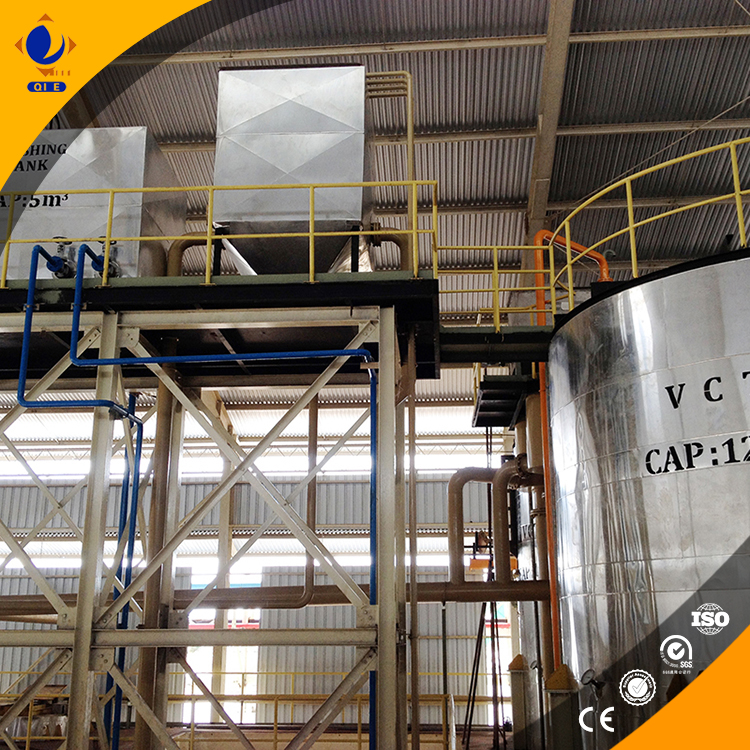
The decision between continuous and batch processing represents a critical fork in the equipment selection journey. Each approach offers distinct advantages depending on your production volume, feedstock availability, and product specifications:
Ideal for: Mills producing 50+ tons/day with consistent feedstock supply
Key Benefits:
Case Example: A Queensland mill increased production by 28% after converting from batch to continuous processing, while reducing energy consumption by 14%.
Ideal for: Smaller operations (under 50 tons/day) or facilities processing multiple palm varieties
Key Benefits:
Case Example: A Western Australian boutique processor utilizing batch processing successfully introduced three distinct palm oil products, capturing niche market segments with premium pricing.
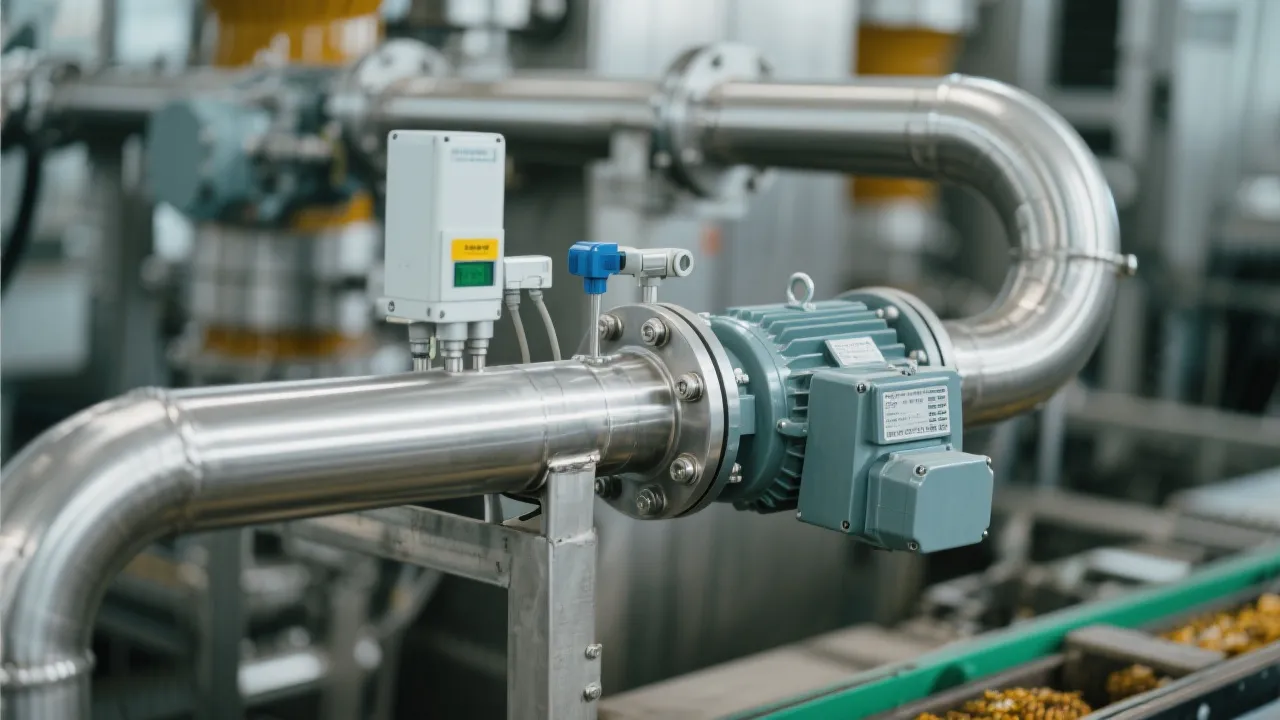
The harsh Australian environment—characterized by high temperatures, humidity variations, and corrosive processing byproducts—demands equipment constructed from materials that can withstand these challenges while maintaining food safety standards. Qie Group's commitment to material excellence is evident in their use of:
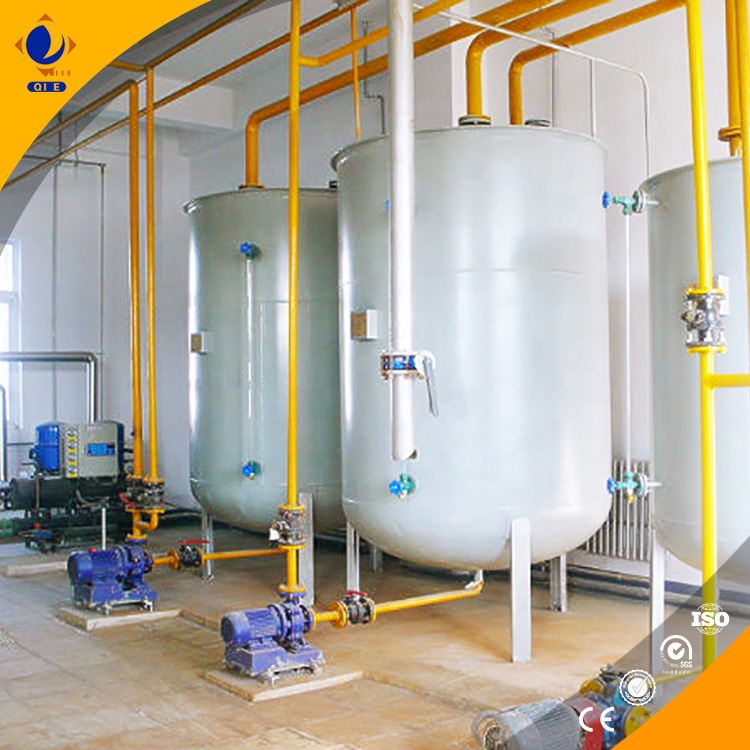
All contact surfaces utilize 316L stainless steel, offering superior corrosion resistance compared to standard 304 stainless steel. This material choice extends equipment lifespan by an average of 7-10 years in Australian processing environments, significantly reducing total cost of ownership. Additionally, critical components meet stringent international certifications including ISO 22000 (food safety), ASME BPVC (pressure vessel safety), and ATEX (hazardous area compliance)—ensuring compliance with Australia's strict regulatory framework.
Make every investment count with equipment designed specifically for Australian conditions. Qie Group's modular solutions ensure you get exactly the capacity you need today with the flexibility to expand tomorrow.
Get Your Custom Palm Oil Mill AssessmentOur team of Australian-based engineers will analyze your specific requirements and provide a tailored equipment recommendation—no obligation, no pressure.
The palm oil industry in Australia continues to evolve, and your processing equipment should evolve with it. By choosing a modular, customizable approach, you're not just purchasing machinery—you're investing in a production system that can adapt to market changes, regulatory requirements, and your own growth trajectory. With Qie Group's expertise in Australian palm processing conditions, you can be confident that your equipment will deliver consistent performance, maximum efficiency, and sustainable operation for years to come.
 automated sesame oil production line
closed-loop sesame oil processing system
energy-efficient oil extraction equipment
sesame oil automation technology
food-grade oil production line
rice bran oil refining process
automated oil processing equipment
GB 2716 compliance
oil purity enhancement
food safety in edible oil production
fully enclosed sesame oil production system
automated sesame oil processing technology
eco-friendly oil extraction equipment
sesame oil safety improvement
nutrient retention in sesame oil
PLC control system
edible oil production line automation
sensor false alarms troubleshooting
motor synchronization deviation diagnosis
edible oil manufacturing maintenance
Fully automated rapeseed oil production line
Cold pressing extraction
Solvent extraction process
Oil yield
Nutrient retention
automated sesame oil production line
closed-loop sesame oil processing system
energy-efficient oil extraction equipment
sesame oil automation technology
food-grade oil production line
rice bran oil refining process
automated oil processing equipment
GB 2716 compliance
oil purity enhancement
food safety in edible oil production
fully enclosed sesame oil production system
automated sesame oil processing technology
eco-friendly oil extraction equipment
sesame oil safety improvement
nutrient retention in sesame oil
PLC control system
edible oil production line automation
sensor false alarms troubleshooting
motor synchronization deviation diagnosis
edible oil manufacturing maintenance
Fully automated rapeseed oil production line
Cold pressing extraction
Solvent extraction process
Oil yield
Nutrient retention




.png?x-oss-process=image/resize,h_100,m_lfit/format,webp)
.png?x-oss-process=image/resize,h_100,m_lfit/format,webp)
.png?x-oss-process=image/resize,h_100,m_lfit/format,webp)