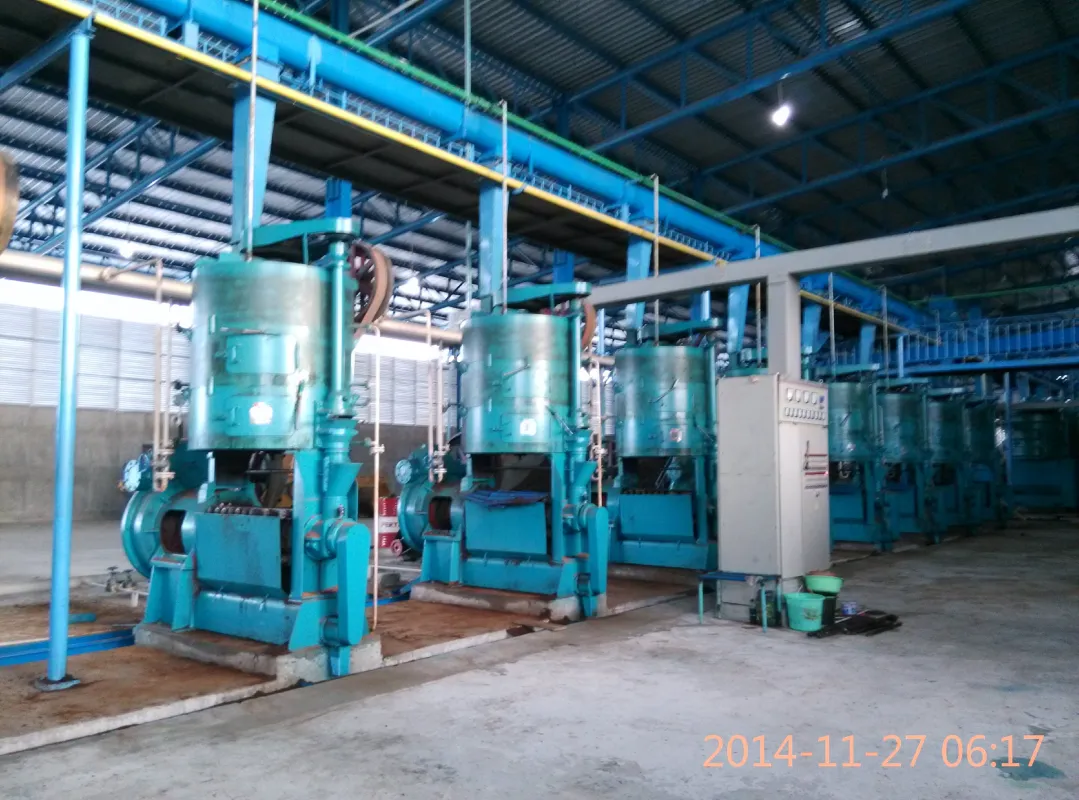
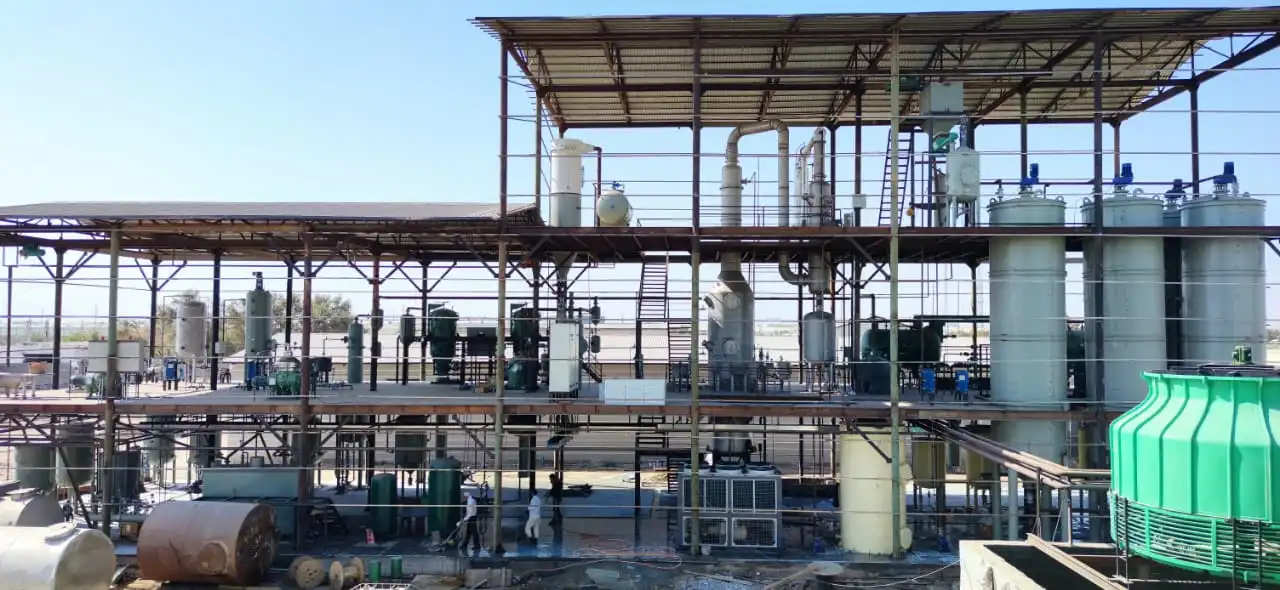
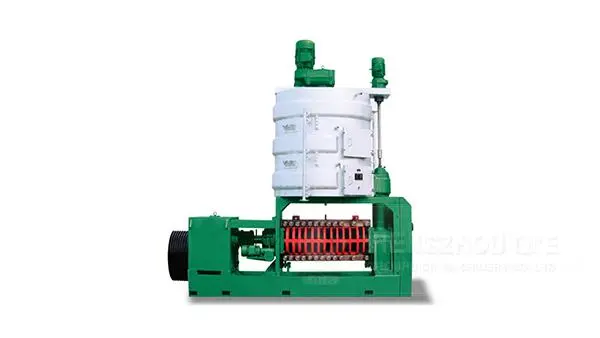
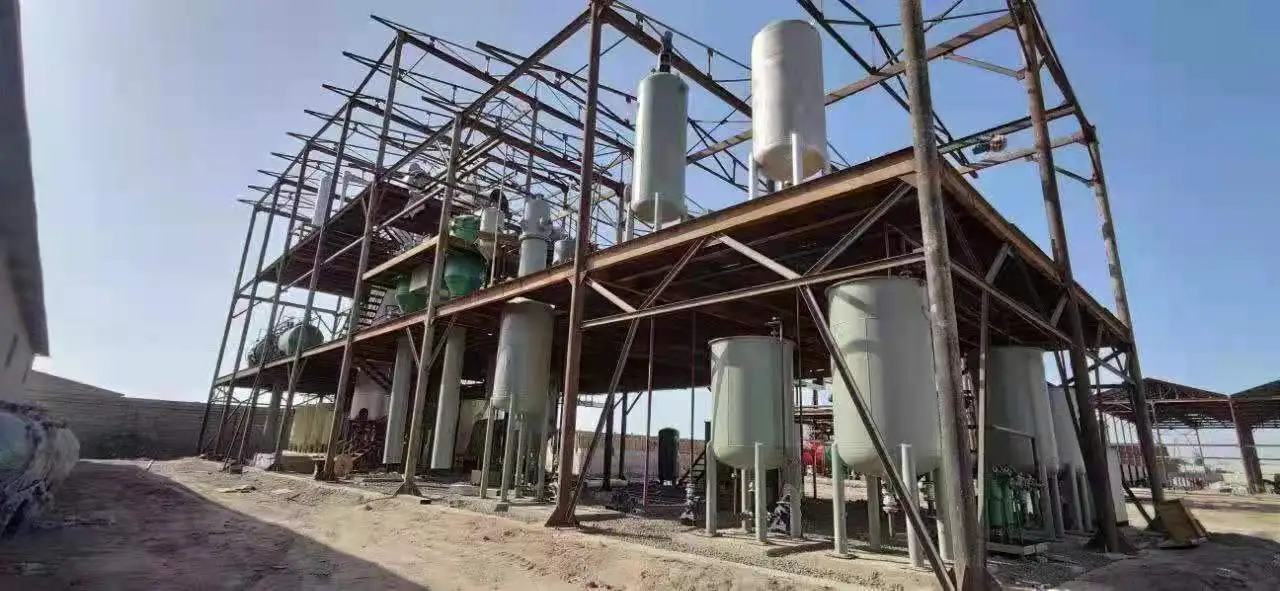
In the competitive landscape of palm oil processing, one size rarely fits all. From small-scale operations processing 50 tons per day to large industrial facilities handling over 1,000 tons daily, each palm oil mill faces unique challenges that demand tailored solutions. This comprehensive guide explores how customized palm oil mill equipment design addresses specific production needs while ensuring future scalability and operational efficiency.
Many palm oil producers struggle with equipment that doesn't align with their actual operational requirements. Smaller mills often face capacity fluctuations due to seasonal fruit availability, while larger facilities encounter challenges in expansion planning and resource optimization. According to industry research, approximately 68% of palm oil mills operate below their optimal efficiency due to mismatched equipment configurations.
"Investing in standard equipment without considering specific production needs often leads to 20-30% higher operational costs and reduced extraction efficiency," notes David Chen, Senior Process Engineer at Penguin Group with over 15 years of industry experience.
Space constraints represent another significant challenge, particularly for operations in urban or land-constrained areas. A typical small-scale palm oil mill requires approximately 1,500-2,000 square meters, while larger facilities need 5,000 square meters or more. Customized designs address these spatial limitations through innovative layout planning and compact processing solutions.

Modular equipment design has revolutionized palm oil processing by allowing facilities to start with essential components and expand incrementally. This approach offers several key advantages:
Customization extends to automation levels, allowing producers to select the appropriate technology based on labor availability, operational budget, and production goals. Penguin Group offers three distinct automation tiers:
Ideal for small-scale operations with manual labor focus. Key processes automated while maintaining operator control. Typical investment: 15-20% higher than fully manual systems with 10-15% labor savings.
Balanced approach with automated material handling and process monitoring. Suitable for medium-scale operations. Labor savings of 30-40% with ROI typically achieved within 2-3 years.
Fully integrated control systems with minimal human intervention. Designed for large-scale operations with with 50-60% labor reduction and advanced data analytics for process optimization.
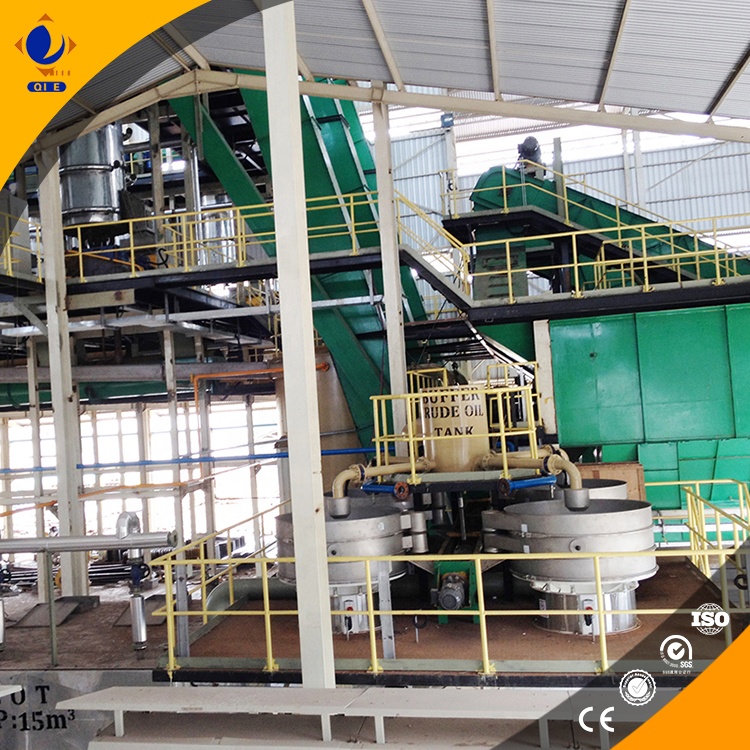
澳洲棕榈果的独特特性,如较高的水分含量(通常比东南亚品种高8-12%)和特定的纤维结构,要求设备设计进行针对性调整。Penguin Group的定制化方案包括:
The decision between continuous and batch processing depends on multiple factors including production volume, available space, labor resources, and product specifications. Understanding the strengths of each approach is crucial for optimal equipment selection.
Batch processing systems are typically recommended for facilities with:
Advantages include lower capital expenditure (30-40% less than continuous systems), simpler operation, and greater flexibility for small-batch specialty products.
Continuous processing, on the other hand, suits larger operations with consistent production demands. These systems offer higher throughput, lower labor requirements per ton processed, and more consistent product quality. A continuous system processing 100 tons per day typically requires 25-30% fewer operators than equivalent batch processing equipment.
The harsh operating environment of palm oil processing – characterized by high temperatures, moisture, and acidic byproducts – demands specialized materials and engineering. Penguin Group's equipment incorporates several critical features:
304 and 316 stainless steel construction for corrosion resistance and food safety compliance
Specialized alloys for parts exposed to temperatures exceeding 180°C
Protected against moisture and particulate ingress for extended service life
Industrial-grade programmable logic controllers for reliable automation
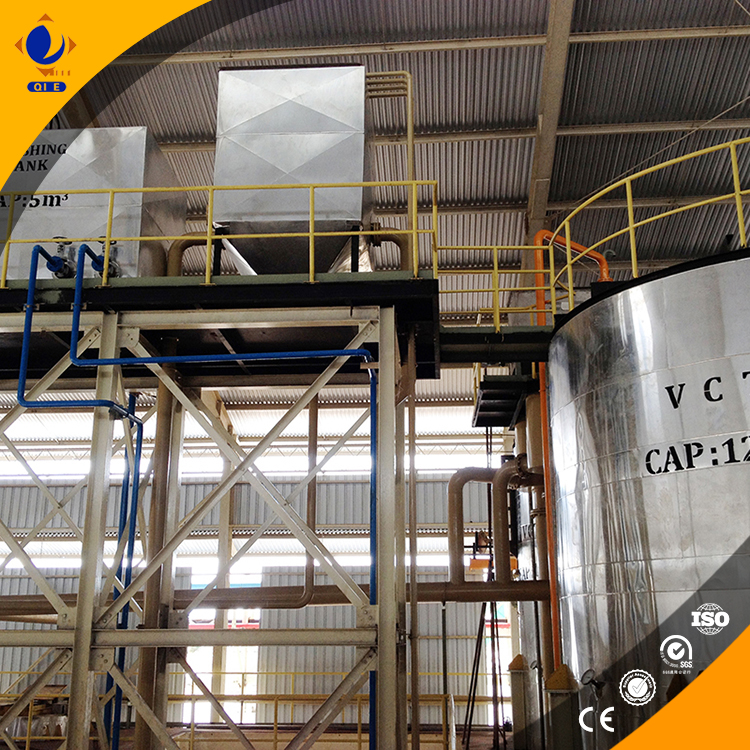
While automation offers numerous benefits, excessive automation can lead to unnecessary complexity and higher maintenance costs. A medium-scale mill in Queensland recently reduced operational costs by 18% by scaling back to a more appropriate automation level that matched their actual production volume and labor availability.
Many producers fail to account for future expansion. A well-designed modular system allows for capacity increases of 50-100% without major infrastructure changes. A recent project for a Northern Territory palm oil producer demonstrated that initial modular investment resulted in 40% lower expansion costs compared to a fixed-capacity system.
Generic equipment often fails to account for regional variations in fruit quality, climate conditions, and operational practices. Customized solutions addressing these factors typically deliver 10-15% higher extraction efficiency and 20-25% lower maintenance costs over standard equipment.
Our team of palm oil processing experts will analyze your specific requirements, production goals, and budget constraints to develop a customized equipment solution that maximizes efficiency and ROI.
Get Your Custom Palm Oil Mill AssessmentThe information provided in this guide is based on industry best practices and Penguin Group's extensive experience in designing and implementing palm oil processing solutions across Australia and Southeast Asia. Individual results may vary based on specific operational conditions and原料特性.
 rice bran oil refining equipment international certification
export-oriented equipment selection
food safety management equipment standards
energy-efficient rice bran oil processing equipment
international quality standard machinery
Modular rapeseed oil production line
Edible oil production line construction
Rapid production
Flexible capacity configuration
Fully automatic edible oil equipment
Rice bran oil food safety online detection
Critical Control Point CCP management
Automated refining process
Edible oil quality improvement
Food processing equipment safety control
Modular rapeseed oil production line
Edible oil production line construction
Rapid production launch
Flexible production capacity configuration
Process flow optimization
automated rice bran oil processing
food safety standards in oil refining
critical control point management
energy-efficient oil refining equipment
consistent oil quality production
rice bran oil refining equipment international certification
export-oriented equipment selection
food safety management equipment standards
energy-efficient rice bran oil processing equipment
international quality standard machinery
Modular rapeseed oil production line
Edible oil production line construction
Rapid production
Flexible capacity configuration
Fully automatic edible oil equipment
Rice bran oil food safety online detection
Critical Control Point CCP management
Automated refining process
Edible oil quality improvement
Food processing equipment safety control
Modular rapeseed oil production line
Edible oil production line construction
Rapid production launch
Flexible production capacity configuration
Process flow optimization
automated rice bran oil processing
food safety standards in oil refining
critical control point management
energy-efficient oil refining equipment
consistent oil quality production
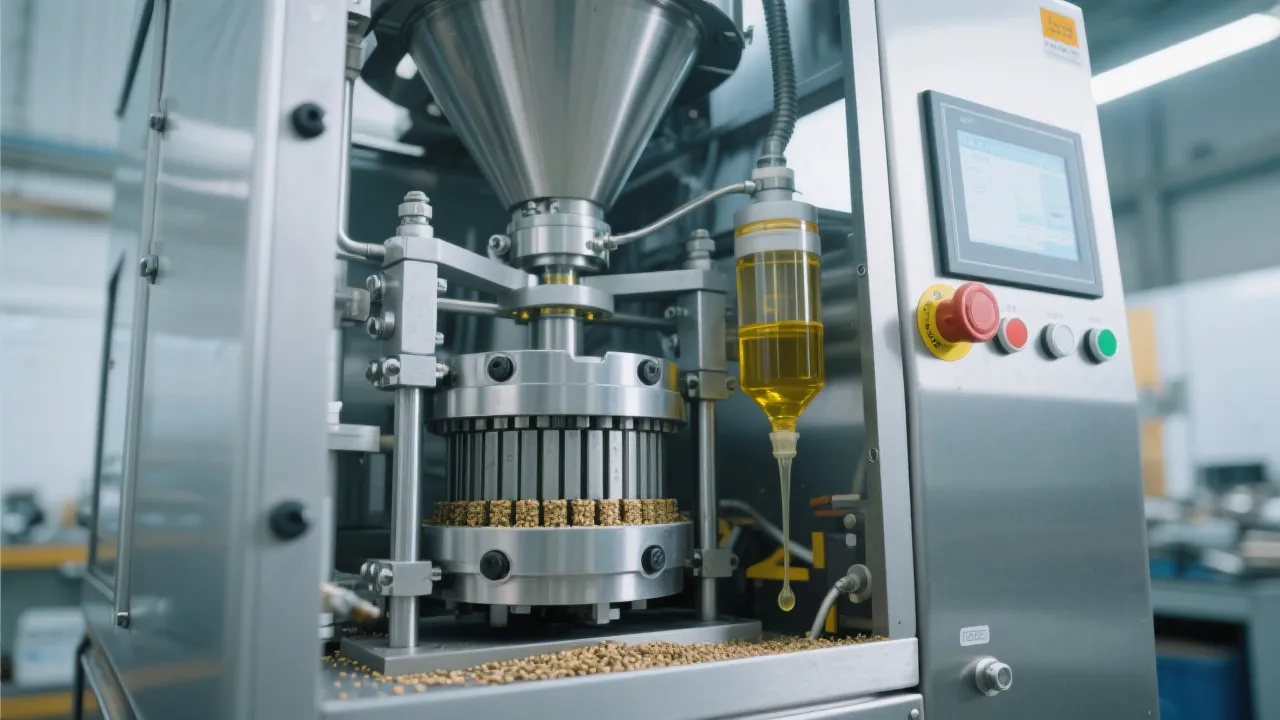

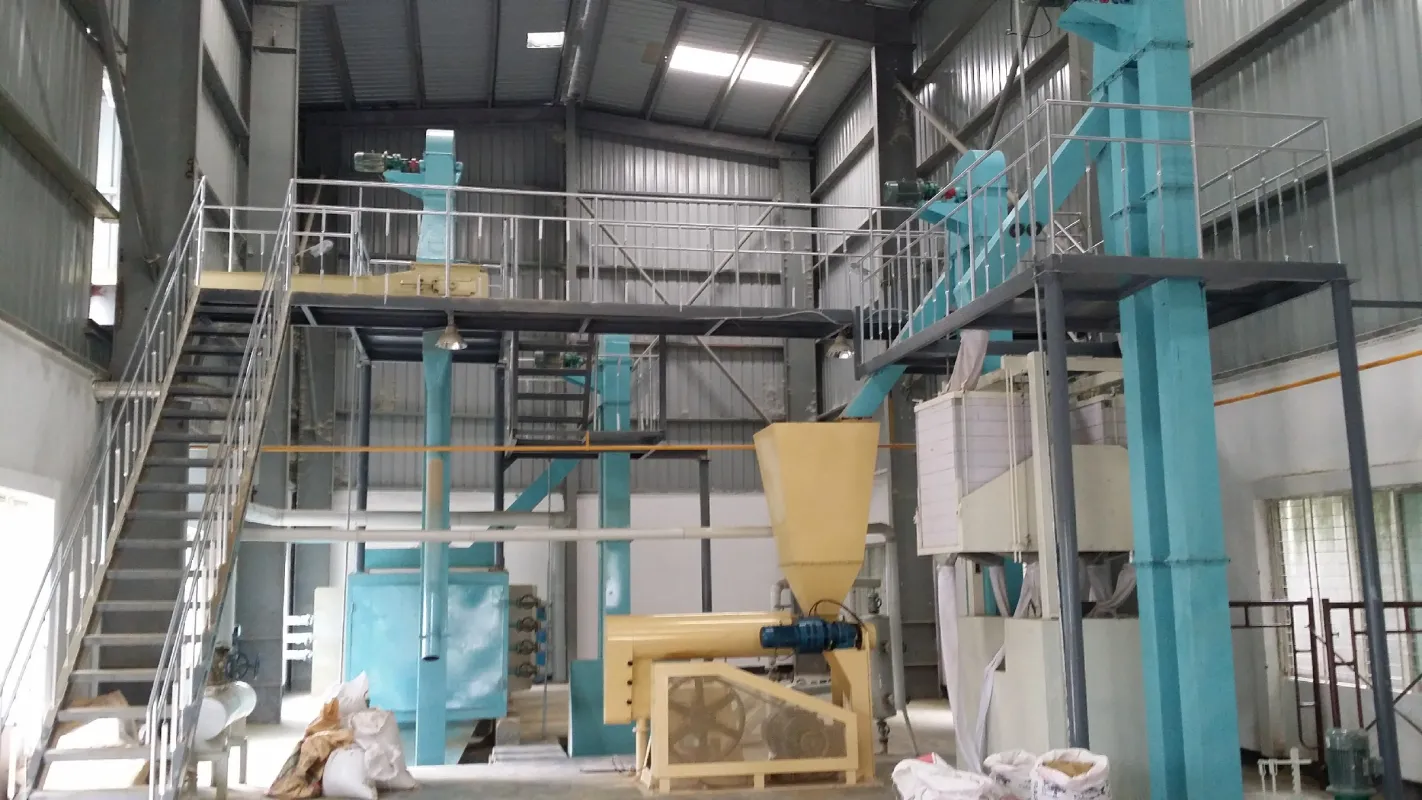




.png?x-oss-process=image/resize,h_100,m_lfit/format,webp)
.png?x-oss-process=image/resize,h_100,m_lfit/format,webp)
.png?x-oss-process=image/resize,h_100,m_lfit/format,webp)