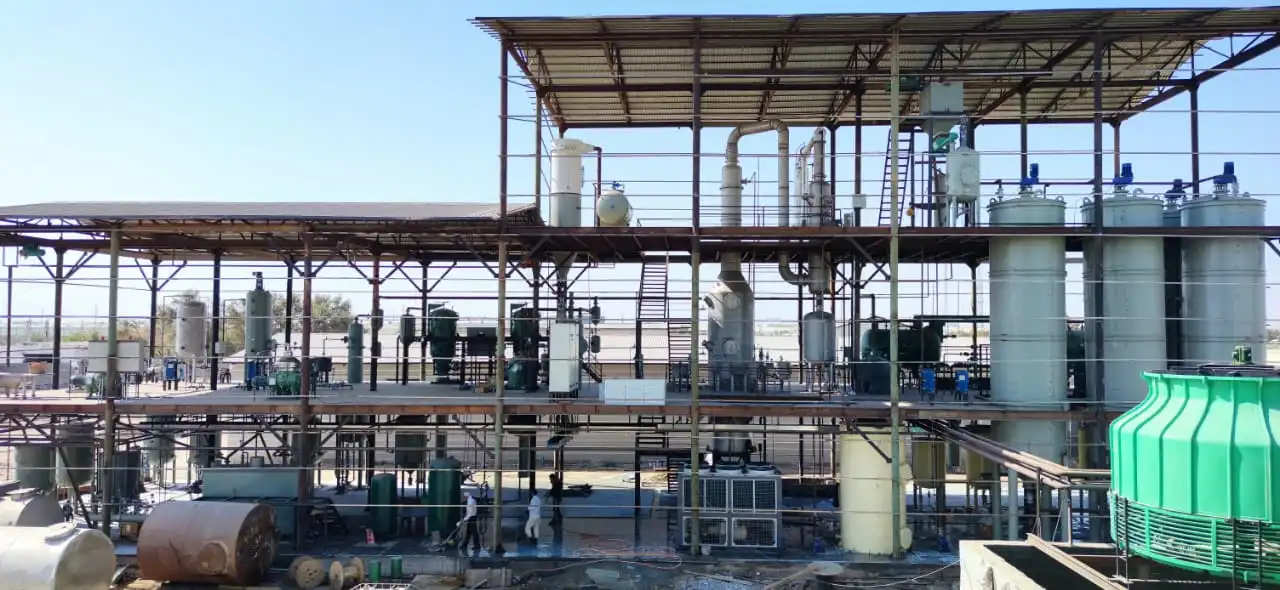
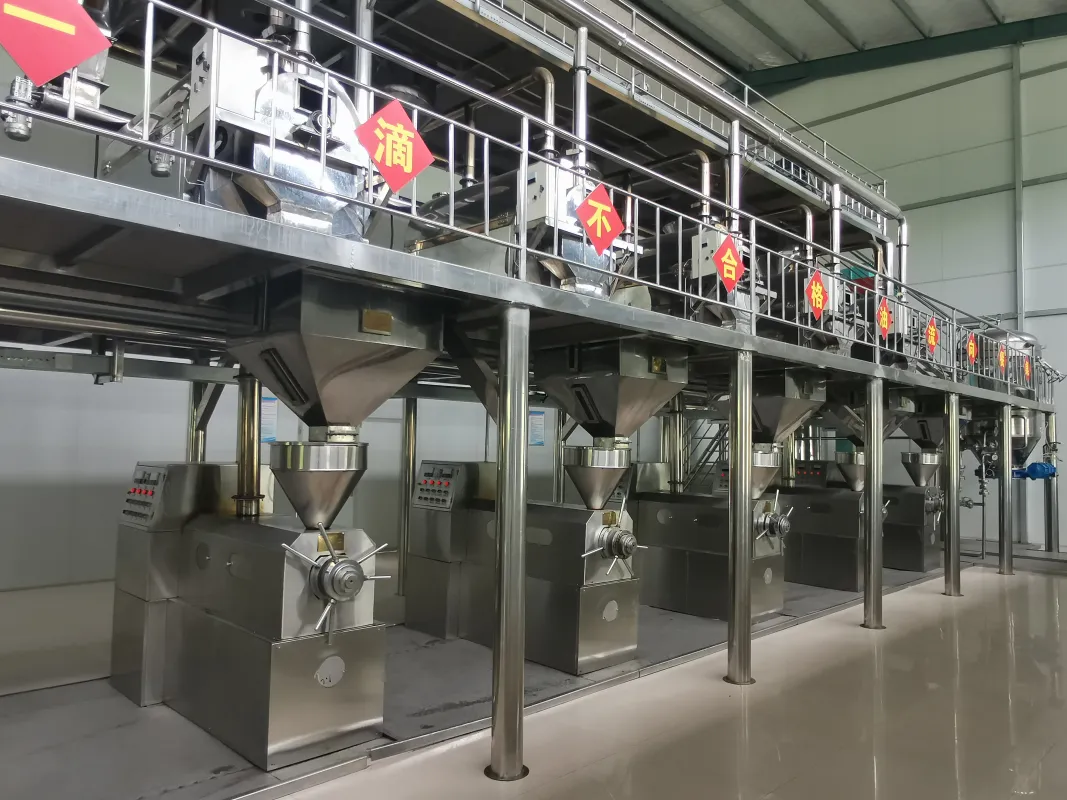
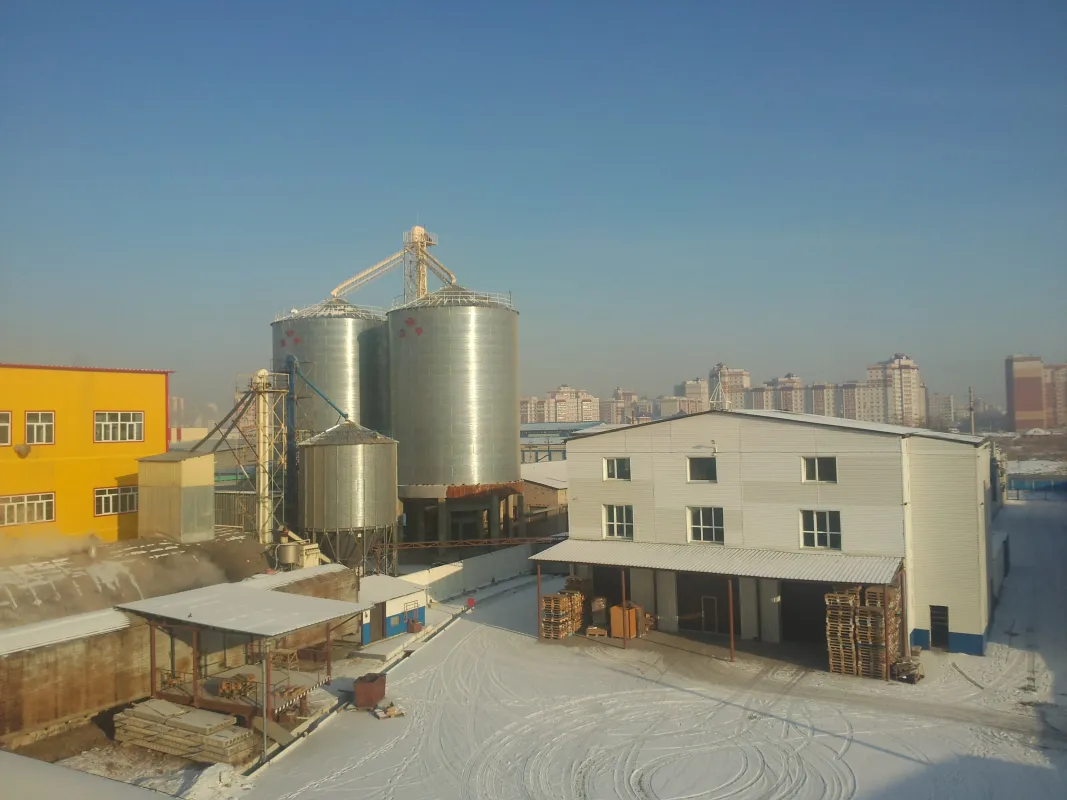
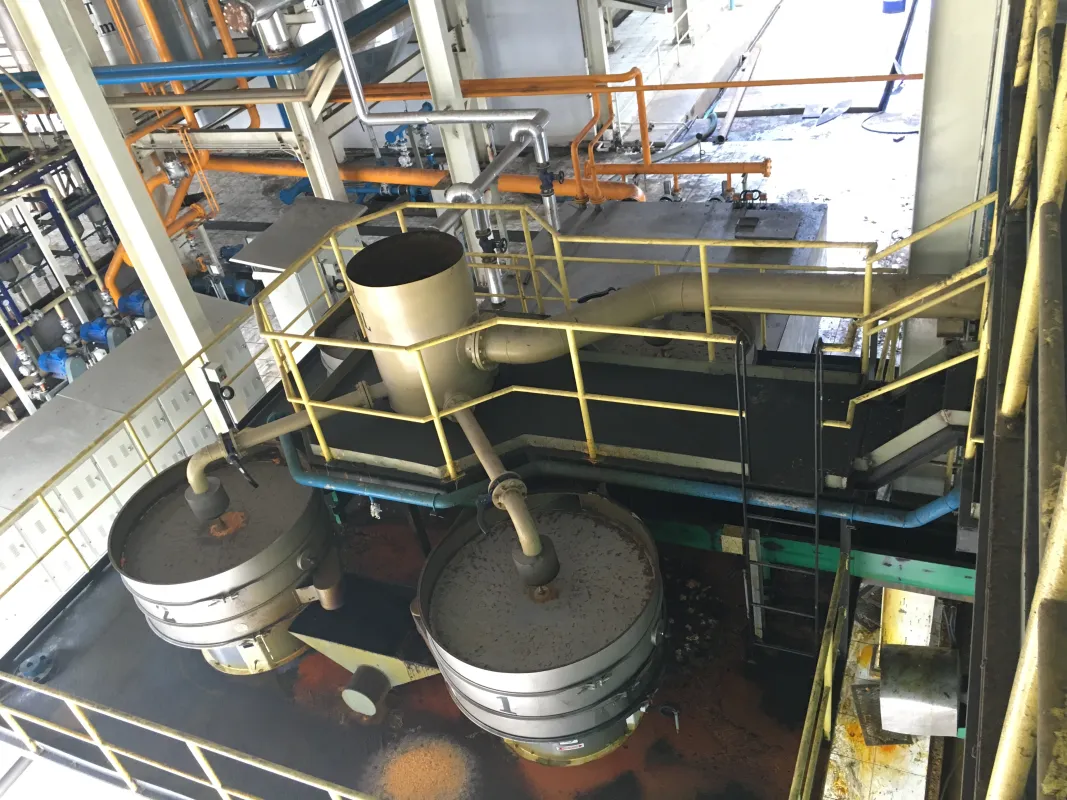
In the competitive edible oil manufacturing industry, downtime isn't just inconvenient—it's costly. According to a 2023 industry report by Food Engineering Magazine, unplanned stops in automated filling lines can cost up to $45,000 per hour in lost production and labor. One of the most common yet overlooked culprits? PLC motor synchronization errors.
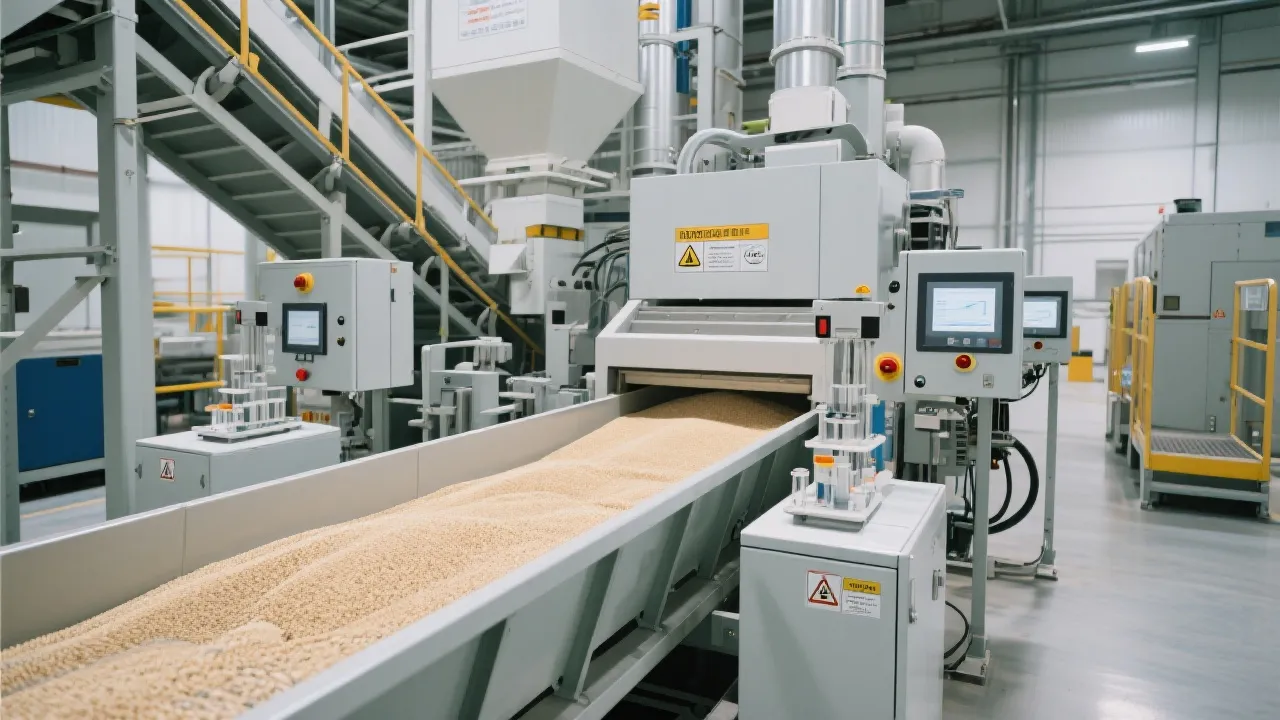
Modern edible oil plants rely heavily on PLC (Programmable Logic Controller) systems for precision control—from cold pressing to final packaging. But when motors aren’t perfectly synchronized, even minor deviations can trigger safety interlocks that shut down the entire line.
A recent case study from a major soybean processor in Brazil showed that after implementing real-time motor sync monitoring via PLC logs, they reduced unscheduled stops by 78% over three months—resulting in an estimated $1.2M annual savings.
Here’s a step-by-step checklist used by our top-tier technical support team:
| Control Method | Avg. Downtime/Week | Production Loss ($/week) |
|---|---|---|
| Manual Control | 12–15 hrs | $36,000–$45,000 |
| Basic PLC | 4–6 hrs | $12,000–$18,000 |
| Advanced Sync-Optimized PLC | ≤1 hr | $3,000–$5,000 |
A client in Egypt experienced daily stoppages during bottle filling due to inconsistent conveyor motor speeds. Our engineers reviewed their PLC program and discovered a misconfigured PID loop gain setting. After adjusting it and adding remote monitoring alerts, the line ran continuously for 32 days straight—a record for them.
Even the best PLC systems need care. Here’s what we recommend:
Need help optimizing your edible oil filling line? Whether you're troubleshooting sync issues or upgrading to a smarter PLC system, our team has supported over 200 global clients—from small mills to Fortune 500 producers—with proven results. Let us help you reduce downtime, boost output, and build trust with your buyers.
Get Your Free PLC Performance Audit Today automated sesame oil production line
fully enclosed production system advantages
eco-friendly grain and oil equipment
sesame oil production automation
capacity upgrade solutions for sesame oil
Sesame oil production line automatic control
PLC parameter tuning
Fault troubleshooting guide
Automation maintenance
Grain and oil processing automation
PLC control system for edible oil production line
fully automatic rapeseed oil equipment
industrial automation in edible oil production
PLC troubleshooting guide
intelligent production line energy-saving optimization
rapeseed oil extraction process
cold pressing vs solvent extraction
vitamin E retention in edible oils
phytosterol preservation
edible oil manufacturing technology
automated control sesame oil production
PLC parameter optimization
sesame oil production troubleshooting
grain and oil processing automation
automated equipment maintenance
automated sesame oil production line
fully enclosed production system advantages
eco-friendly grain and oil equipment
sesame oil production automation
capacity upgrade solutions for sesame oil
Sesame oil production line automatic control
PLC parameter tuning
Fault troubleshooting guide
Automation maintenance
Grain and oil processing automation
PLC control system for edible oil production line
fully automatic rapeseed oil equipment
industrial automation in edible oil production
PLC troubleshooting guide
intelligent production line energy-saving optimization
rapeseed oil extraction process
cold pressing vs solvent extraction
vitamin E retention in edible oils
phytosterol preservation
edible oil manufacturing technology
automated control sesame oil production
PLC parameter optimization
sesame oil production troubleshooting
grain and oil processing automation
automated equipment maintenance






.png?x-oss-process=image/resize,h_100,m_lfit/format,webp)
.png?x-oss-process=image/resize,h_100,m_lfit/format,webp)
.png?x-oss-process=image/resize,h_100,m_lfit/format,webp)