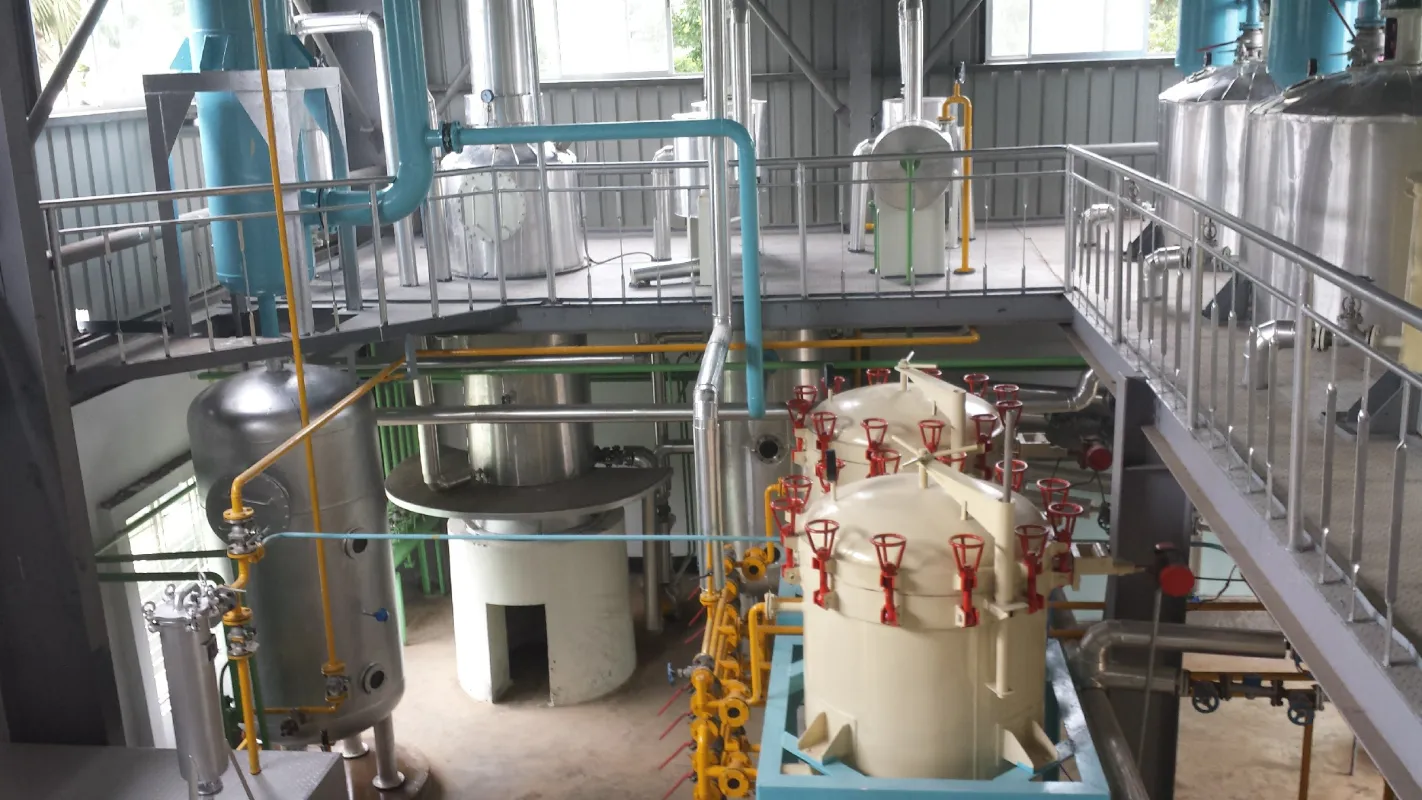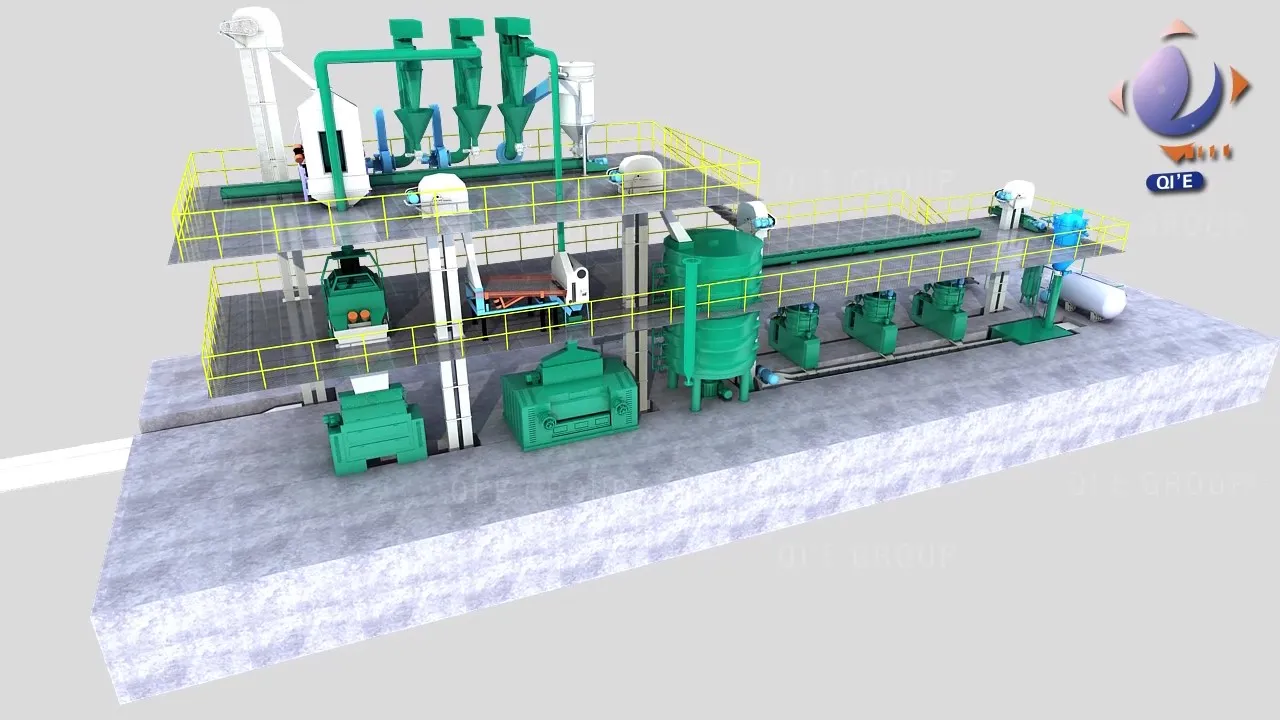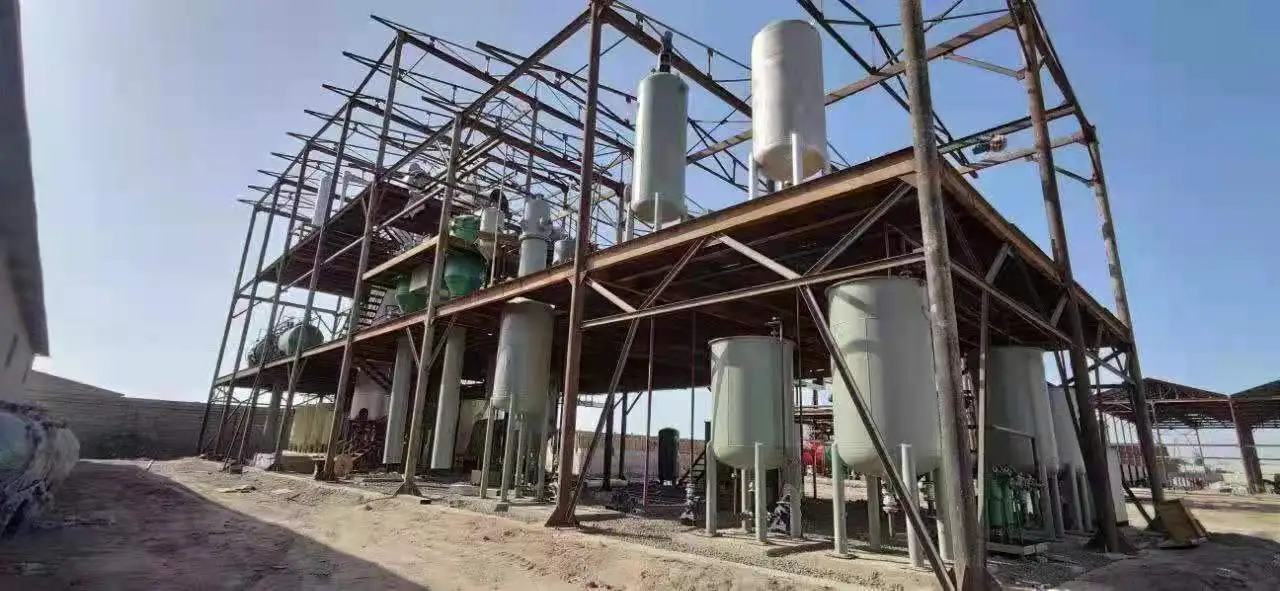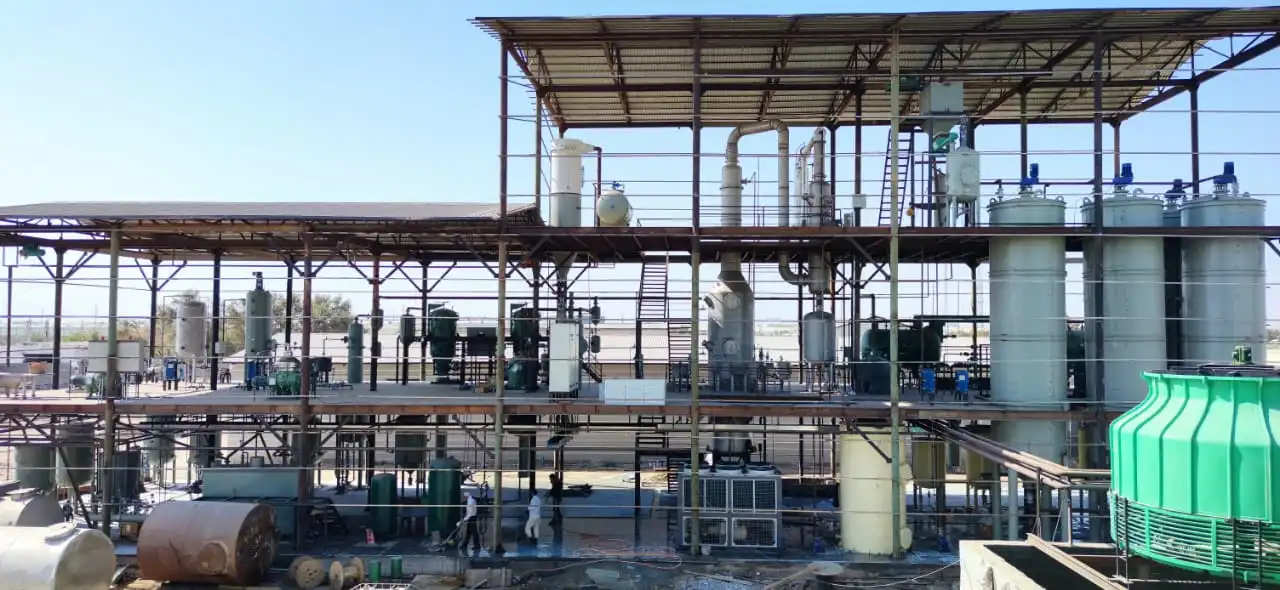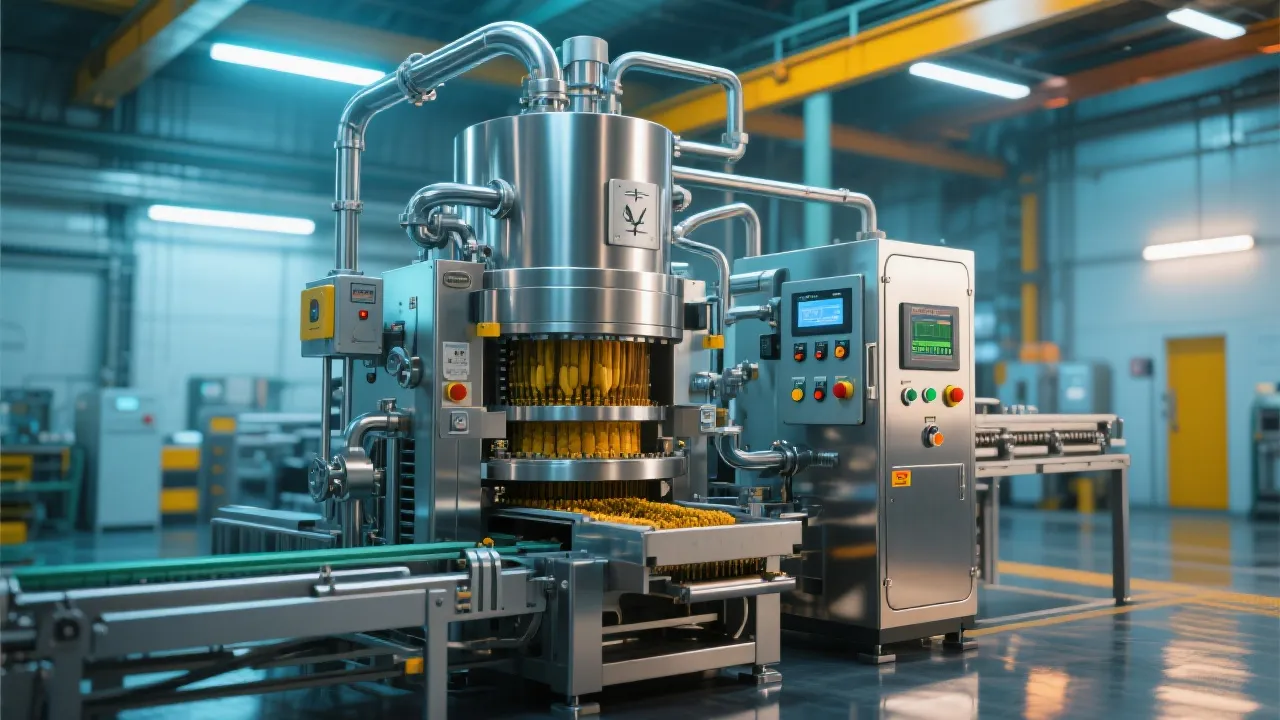
As a technical leader or engineer in the B2B edible oil manufacturing industry, you're constantly on the lookout for ways to enhance efficiency, reduce costs, and ensure stable production. One of the most significant advancements in this field is the use of Programmable Logic Controllers (PLCs) in edible oil production lines. In this article, we'll delve into the core role of PLCs in edible oil production, compare their performance with traditional manual control, and provide practical insights for troubleshooting and maintenance.
PLCs play a crucial role in every stage of the edible oil production line, from raw material pre - treatment to final product filling. They offer precise control logic that ensures consistent and efficient operation across all processes.
Let's take a look at the control logic in each stage:
To understand the advantages of PLCs, we need to compare them with traditional manual control. Here's a data - based comparison in terms of energy consumption, consistency, and stability:
| Aspect | Manual Control | PLC Control |
|---|---|---|
| Energy Consumption | On average, manual control consumes about 30% more energy due to inaccurate parameter settings and non - optimized operation. | PLC control can reduce energy consumption by up to 30% through precise regulation of equipment operation. |
| Consistency | Manual control often leads to inconsistent product quality, with a variance of up to 15% in key quality indicators. | PLC control ensures high consistency, with a variance of less than 5% in product quality. |
| Stability | Manual operation is prone to human errors, resulting in an average of 5 non - planned shutdowns per month. | PLC control reduces non - planned shutdowns by up to 80%, with less than 1 non - planned shutdown per month on average. |
Customer Case: A B2B edible oil manufacturer switched from manual control to PLC control in their rapeseed oil production line. After the switch, they saw a 25% reduction in energy costs, a 10% increase in product consistency, and a 70% decrease in non - planned shutdowns. This not only reduced costs but also improved their market competitiveness.
Even with the advanced technology of PLCs, issues can still arise. Here are some common problems and their solutions:
Regular maintenance is crucial for the long - term performance of PLC systems. Here are some daily maintenance suggestions:
PLC logs are a valuable source of information for problem - solving and optimization. By analyzing the logs, you can identify recurring issues, locate the root cause of problems, and optimize the operation parameters. For example, if the log shows frequent motor overloads, you can adjust the motor's load limit or check for mechanical blockages.
Modular customization allows you to tailor the PLC system to your specific production needs. This not only improves the system's adaptability but also reduces unnecessary costs. Remote monitoring, on the other hand, enables you to keep an eye on the production line from anywhere, ensuring timely response to any issues and reducing downtime.
By implementing modular customization and remote monitoring, you can achieve long - term profitability, reduce downtime losses, and continuously improve the Overall Equipment Effectiveness (OEE) of your production line.
Ready to transform your edible oil production line with PLC technology? Click here to learn more about how PLC can help you reduce costs, improve efficiency, and achieve stable production!


.png?x-oss-process=image/resize,h_100,m_lfit/format,webp)
.png?x-oss-process=image/resize,h_100,m_lfit/format,webp)
.png?x-oss-process=image/resize,h_100,m_lfit/format,webp)