In the global B2B edible oil manufacturing industry, rapeseed oil production stands at a crucial juncture where balancing high oil yield and nutrient retention is paramount. This article delves into the two primary processes - cold pressing and solvent extraction - that can help manufacturers achieve this delicate balance.
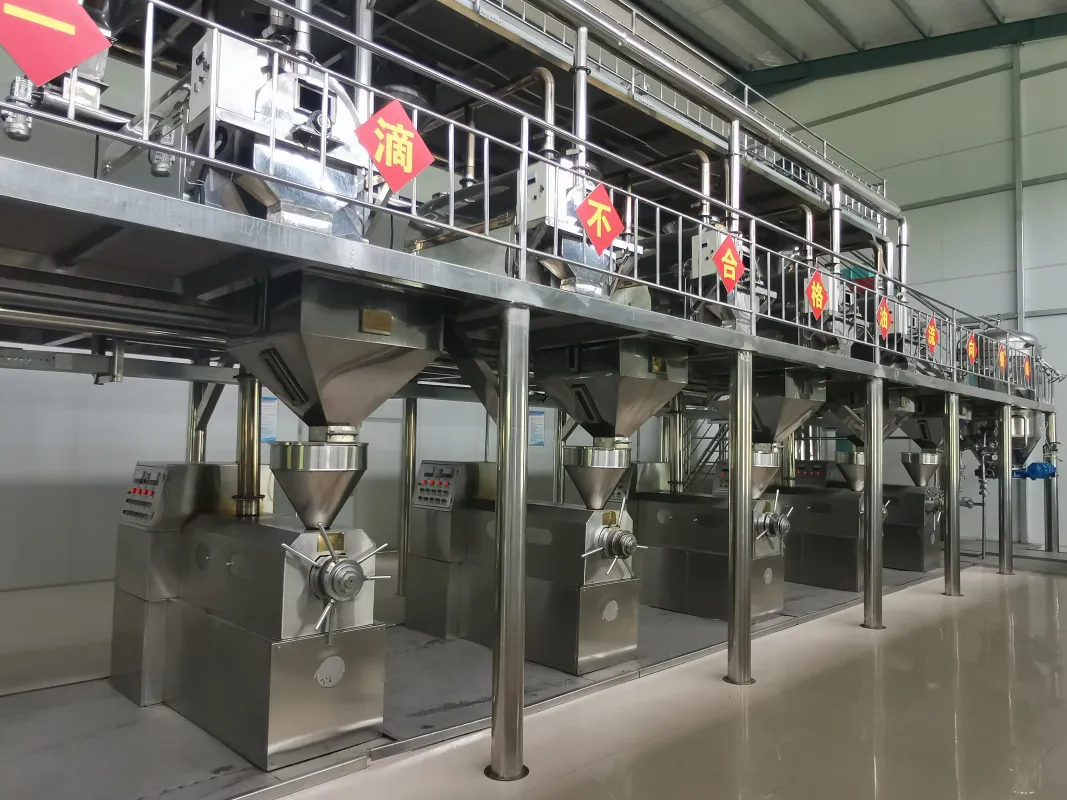
Cold pressing is a mechanical extraction method that involves applying pressure to rapeseeds at low temperatures (usually below 40°C). This process is highly regarded for its ability to preserve the natural nutrients, flavors, and antioxidants in rapeseed oil. According to a study by the International Olive Council, cold - pressed oils can retain up to 90% of the original nutrients in the seeds. However, the oil yield is relatively low, typically ranging from 30% - 35% depending on the quality of the seeds.

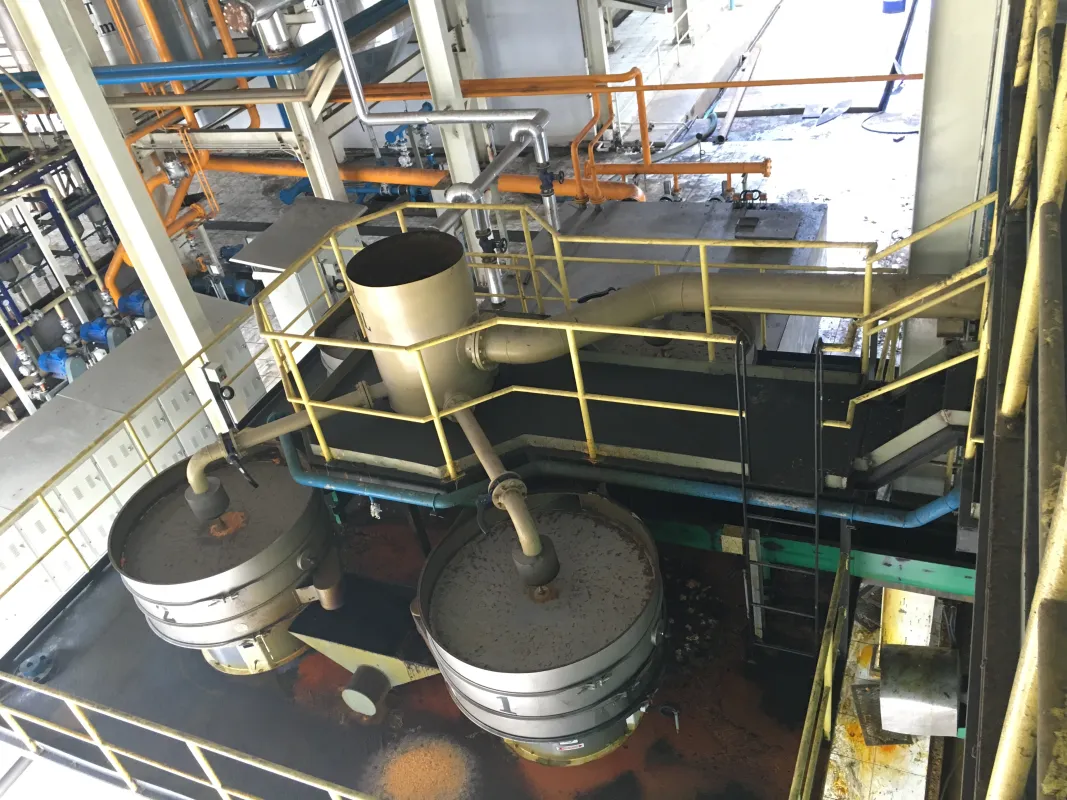
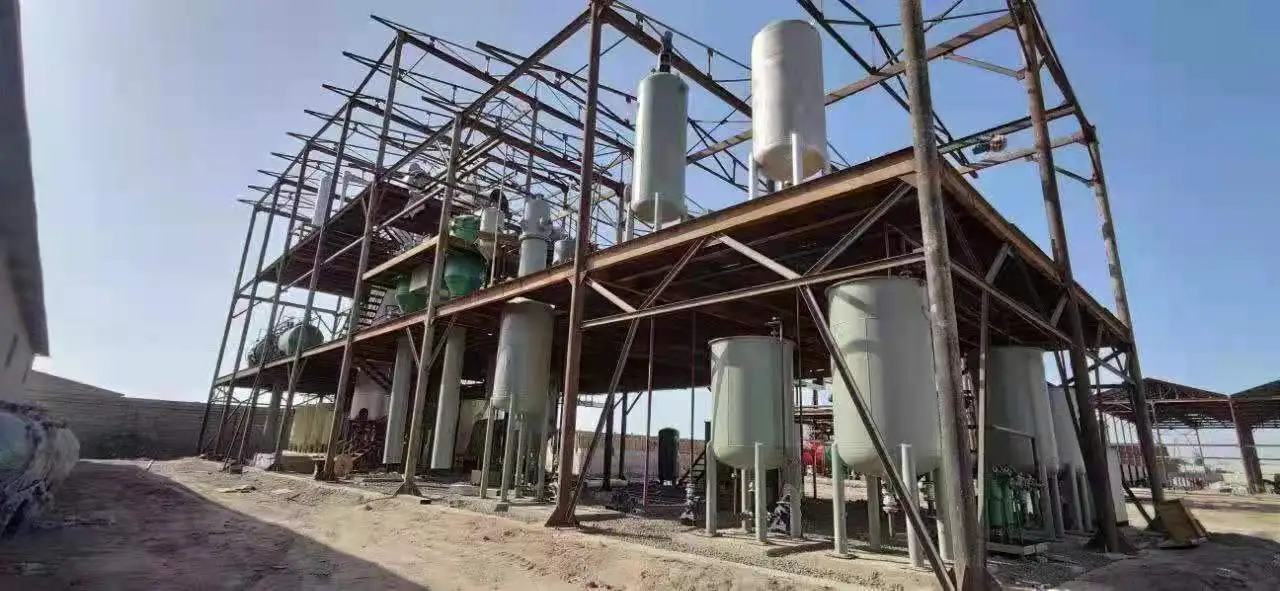
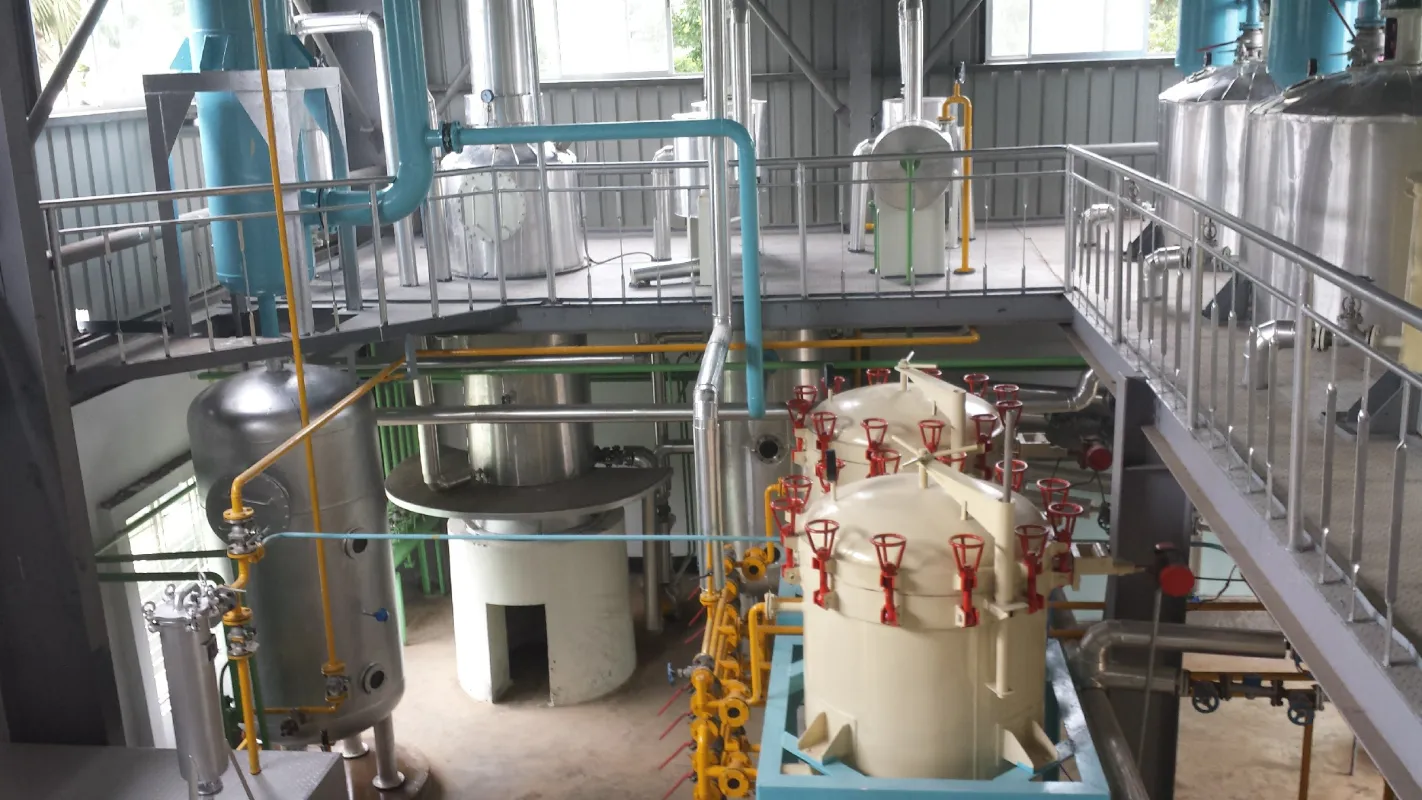
Solvent extraction uses chemical solvents, such as hexane, to dissolve the oil from the rapeseeds. This method is known for its high oil yield, which can reach up to 90% - 95%. But it has some drawbacks. The high - temperature evaporation process used to remove the solvent may cause some loss of nutrients. On average, solvent - extracted oils may retain about 70% - 80% of the original nutrients.
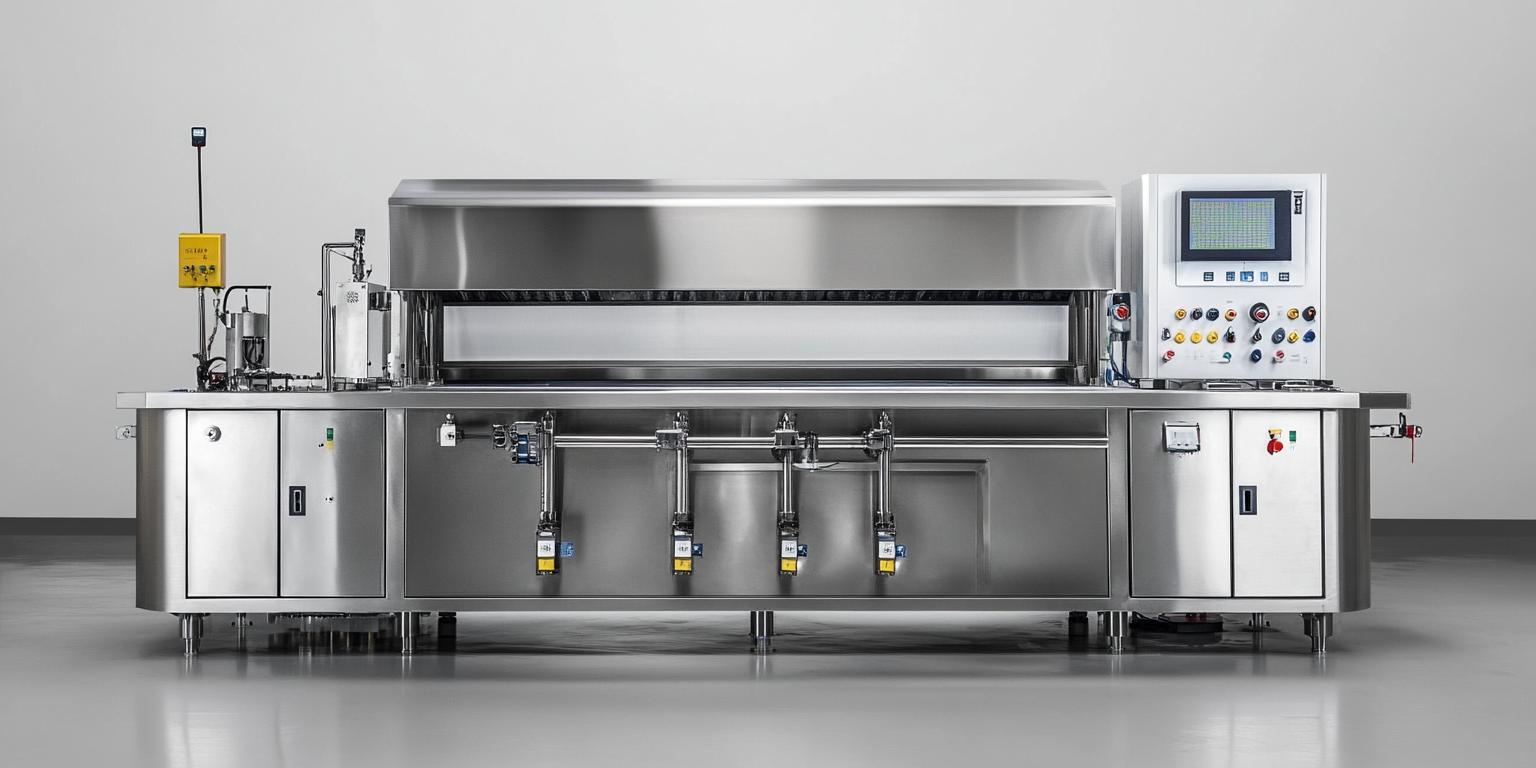
| Aspect | Cold Pressing | Solvent Extraction |
|---|---|---|
| Nutrient Retention | High (up to 90%) | Medium (70% - 80%) |
| Energy Efficiency | Relatively low energy consumption | Higher energy consumption due to solvent evaporation |
| Equipment Complexity | Simple equipment, easy to operate | More complex equipment, requires professional operation |
| Product Quality Stability | May vary due to seed quality and pressing conditions | More stable, can produce large - scale standardized products |
For small - scale manufacturers, cold pressing may be a better choice. It requires less investment in equipment and can produce high - quality, niche products that appeal to health - conscious consumers. On the other hand, large - scale manufacturers may benefit more from solvent extraction. The high oil yield can meet the large - scale market demand, and the standardized production process can ensure product quality consistency.
Let's take a look at two real - world examples. A small - scale rapeseed oil producer in Canada switched from solvent extraction to cold pressing. As a result, they were able to increase the price of their oil by 30% due to the higher nutrient content, targeting the premium health food market. In contrast, a large - scale manufacturer in Europe adopted a hybrid process, using cold pressing for the initial extraction to retain nutrients and then solvent extraction for the remaining seeds to maximize the oil yield.
Making the right choice between cold pressing and solvent extraction can significantly impact a manufacturer's product competitiveness and market value. If you want to learn more about these processes and how they can be applied to your rapeseed oil production, click the link below to get a complete process comparison PDF guide.


.png?x-oss-process=image/resize,h_100,m_lfit/format,webp)
.png?x-oss-process=image/resize,h_100,m_lfit/format,webp)
.png?x-oss-process=image/resize,h_100,m_lfit/format,webp)