Home > News > EU Food Safety Compliance Guide: Material Selection and Cleaning Validation for Rice Bran Oil Refining Equipment

EU Food Safety Compliance Guide: Material Selection and Cleaning Validation for Rice Bran Oil Refining Equipment

QI ' E Group
2026-01-22
Tutorial Guide
This guide provides export-oriented enterprises with comprehensive insights on selecting rice bran oil refining equipment that meets international food safety regulations and quality management standards. Focusing on ISO9001, HACCP, FDA, and EU requirements, it highlights critical aspects such as equipment material choice, sealing performance, and cleaning validation. Integrating real-world cases from Southeast Asia and the Middle East, the article offers practical guidance on evaluating suppliers' technical capabilities and services, helping companies navigate global compliance challenges, avoid trade barriers, and achieve efficient, sustainable operations.

EU Food Safety Compliance for Rice Bran Oil Refining Equipment: Material Selection & Cleaning Validation

Export-oriented enterprises in the edible oil sector face mounting challenges to meet stringent international food safety regulations, especially in the growing markets of Southeast Asia and the Middle East. Among various products, rice bran oil demands particular attention not only to processing standards but also to the compliance of refining equipment with global certifications. This guide offers an in-depth practical walkthrough on selecting rice bran oil refining equipment materials and conducting cleaning validation that aligns with ISO 9001, HACCP, FDA, and EU food safety standards.

Global Regulatory Landscape Impacting Equipment Selection

International markets increasingly require compliance with multiple overlapping food safety systems:

  • ISO 9001: Ensures consistent quality management in production and equipment lifecycle management.
  • HACCP: Emphasizes risk analysis and control of food hazards, including contamination prevention via equipment design.
  • FDA Standards: Applied particularly by US-importers, they require stringent hygienic design and material traceability.
  • EU Food Safety Regulations (Regulation (EC) No 1935/2004): Demand equipment materials must not transfer harmful substances to food and support thorough cleaning.

In practice, these regulations impact critical aspects of rice bran oil refining equipment:

Equipment Aspect Regulatory Requirement Impact on Material/Design
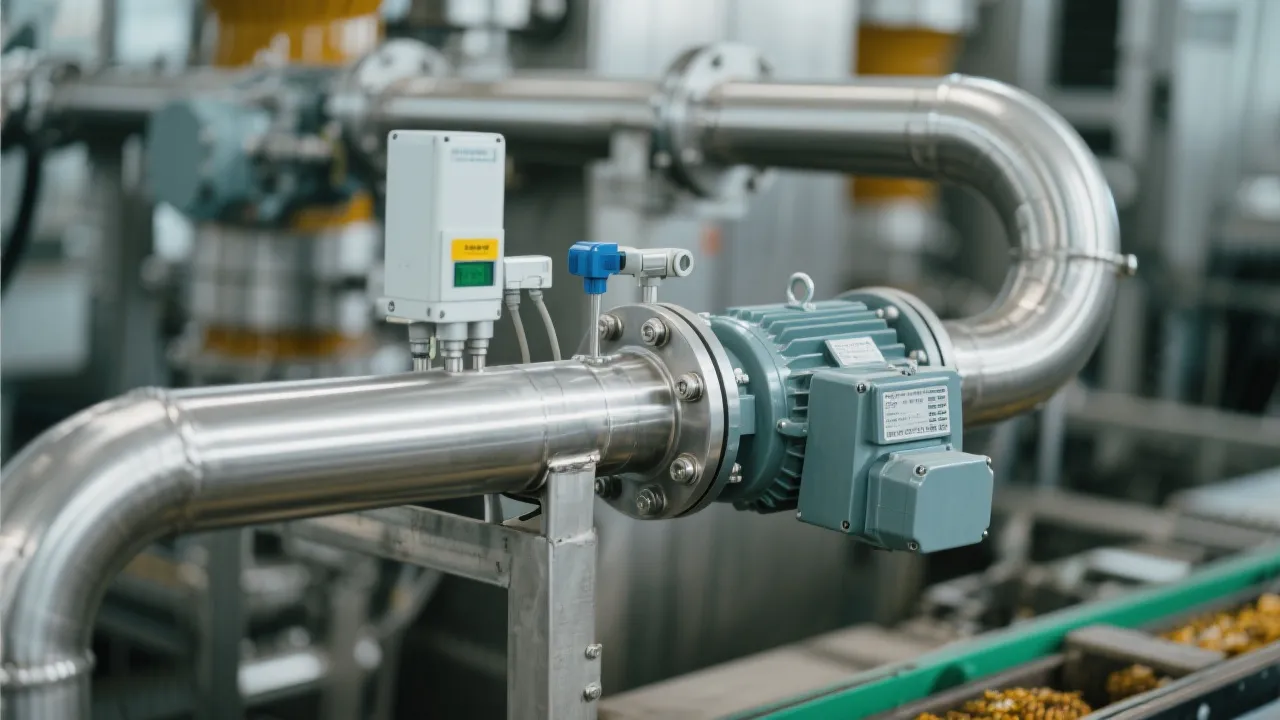
Material Composition Non-toxic, corrosion-resistant stainless steel compliant with EU 1935/2004 & FDA CFR 21 Use AISI 316L stainless steel or equivalent with certified traceability
Surface Finish Smooth surfaces (Ra ≤ 0.8 µm) to prevent bacterial growth Polished welds, electropolishing, and proper passivation
Sealing Mechanism Food-grade sealing materials resistant to heat and chemicals Use FDA/EU-approved FKM (Viton) or EPDM seals with regular validation
Cleanability Verification Validated cleaning protocols aligned with HACCP critical control points Require documentation & on-site testing, including ATP bioluminescence assays

Implementing Equipment Certification and Third-Party Verification

Certificates such as CE, EHEDG, and NSF/ANSI provide third-party validation that equipment meets hygiene and safety standards. The certification process typically involves:

  1. Material Testing: Verification of metal composition and surface treatment through accredited labs.
  2. Design Review: Inspection of welding quality, sealing designs, and sanitary features.
  3. Cleanability Testing: Execution of cleaning validation cycles, with microbial and chemical residue results.
  4. Compliance Documentation: Assembly of technical files, material traceability certificates, and risk assessments.

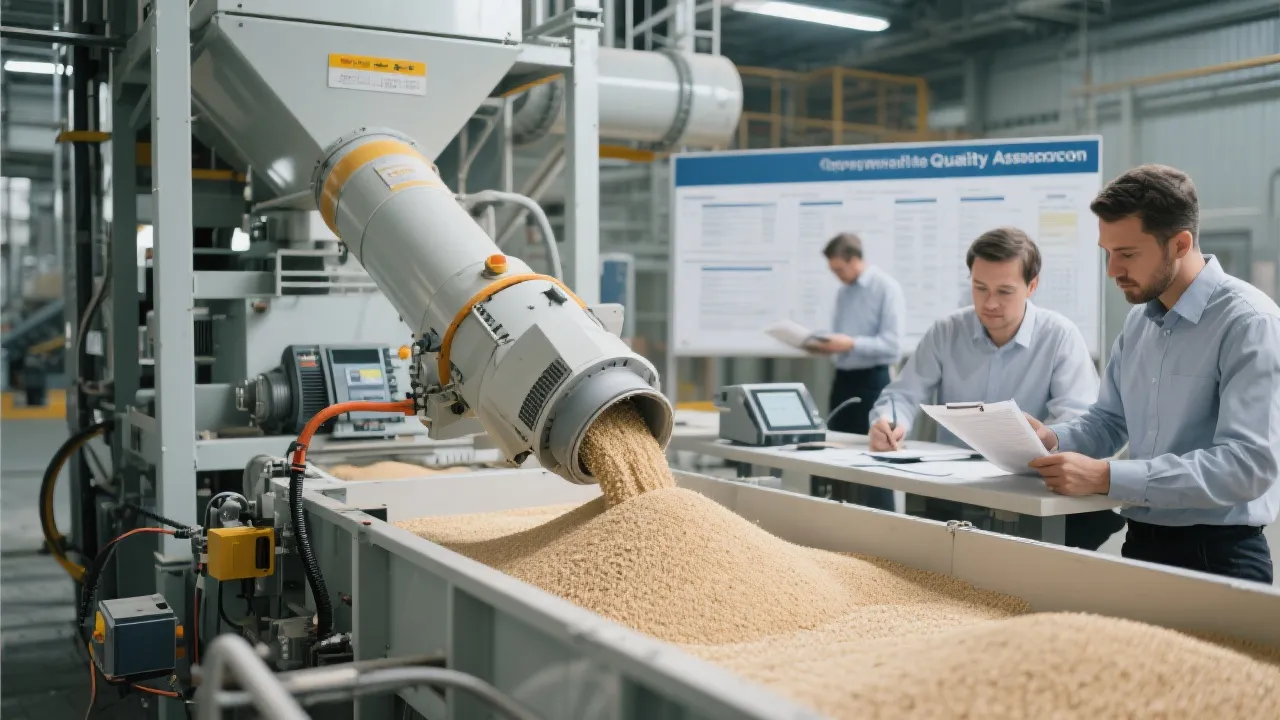
Companies sourcing rice bran oil refining equipment are advised to engage suppliers offering transparent certification documentation and onsite support during audits.

Practical Insights from Southeast Asia & Middle East Markets

Feedback from top rice bran oil exporters in Thailand, Malaysia, UAE, and Saudi Arabia reveals key operational challenges:

  • Inconsistent Seal Integrity: Leading to contamination risks, resolved by switching to customized FDA-certified seals.
  • Surface Roughness Variability: Difficult to maintain consistent oil quality, addressed through supplier-imposed electropolishing standards.
  • Cleaning Validation Gaps: Many users lacked standard protocols until training programs were introduced.

These cases underscore the importance of combining certified equipment with robust operational processes adhering to HACCP and ISO 9001 mandates.

Step-by-Step Guide: Cleaning Validation for Rice Bran Oil Refining Equipment

A validated cleaning process is pivotal to ensure no residuals compromise product safety or sensory quality:

  1. Define Critical Control Points: Identify equipment parts contacting oil with highest contamination risk.
  2. Develop Cleaning Procedures: Use validated detergents compatible with food processing equipment, temperature, and cycle times.
  3. Verify via Analytical Testing: Apply swab tests, total aerobic count, and ATP tests to detect residues.
  4. Document Results: Maintain cleaning logs aligned with HACCP documentation for audit trails.

This methodical approach significantly reduces the risk of contamination while satisfying stringent EU and FDA requirements.

FAQ: Navigating Rice Bran Oil Refining Equipment Compliance

Q: What stainless steel grade is recommended for rice bran oil refining equipment to meet EU regulations?
A: AISI 316L stainless steel is the industry standard due to its corrosion resistance and compliance with EU Regulation (EC) No 1935/2004.
Q: How often should cleaning validation be performed?
A: Cleaning validation should be conducted during equipment commissioning and periodically—typically every 6–12 months, or after significant maintenance.
Q: Can suppliers assist in regulatory documentation?
A: Reputable suppliers provide complete compliance dossiers including material certificates, test reports, and validation protocols to support customer audits.

Expert Interviews: Key Considerations in Equipment Compliance

Recently, Dr. Amira Khan, a food safety consultant specializing in edible oils, emphasized:

“Beyond the certification, companies must tailor their supply chains and facilities to facilitate hygienic design and cleaning. Choosing equipment with proven cleanability greatly reduces operational risks and aligns production with global best practices.”
Discover Penguin Group’s Certified Rice Bran Oil Refining Equipment & Expert Support

Name *
Email *
WhatsApp *
Message*

Recommended Products

Related Reading

Internationally Certified! Case Study on Fully Automated Sesame Oil Production under ISO9001 Standards

2025-10-21 | https://shmuker.oss-accelerate.aliyuncs.com/tmp/temporary/60ec5bd7f8d5a86c84ef79f2/60ec5bdcf8d5a86c84ef7a9a/20240305160636/lable.png fully automated sesame oil production grain and oil machinery automation sesame oil production efficiency ISO9001 certification food safety automation

Daily Maintenance and Preventive Maintenance Checklist for Sesame Oil Automatic Control Production Line to Ensure Efficient Equipment Operation

2025-11-05 | https://shmuker.oss-accelerate.aliyuncs.com/tmp/temporary/60ec5bd7f8d5a86c84ef79f2/60ec5bdcf8d5a86c84ef7a9a/20240305160636/lable.png Sesame oil production line automatic control PLC parameter tuning Automation equipment maintenance Fault troubleshooting manual Preventive maintenance checklist

How Small and Medium-Scale Rapeseed Oil Mills Should Choose Processes: A Practical Guide to Cold Pressing vs. Solvent Extraction

2025-11-28 | https://shmuker.oss-accelerate.aliyuncs.com/tmp/temporary/60ec5bd7f8d5a86c84ef79f2/60ec5bdcf8d5a86c84ef7a9a/20240305160636/lable.png rapeseed oil extraction process cold pressing extraction solvent extraction oil yield and nutrition edible oil production line

Common Troubleshooting and Preventive Maintenance Strategies to Enhance Automation Efficiency in Sesame Oil Production

2025-09-28 | https://shmuker.oss-accelerate.aliyuncs.com/tmp/temporary/60ec5bd7f8d5a86c84ef79f2/60ec5bdcf8d5a86c84ef7a9a/20240305160636/lable.png automated sesame oil production PLC parameter optimization industrial fault troubleshooting preventive maintenance strategies automation equipment management

How PLC Remote Monitoring System Improves OEE in Edible Oil Factories: Deployment Points and Maintenance Recommendations

2025-12-25 | https://shmuker.oss-accelerate.aliyuncs.com/tmp/temporary/60ec5bd7f8d5a86c84ef79f2/60ec5bdcf8d5a86c84ef7a9a/20240305160636/lable.png PLC remote monitoring edible oil production line OEE improvement automated control equipment maintenance

Hot Products

Popular articles
营销主题配图_1752721232026.jpg
营销主题配图_1752127294049.jpg
营销主题配图_1752720682050.jpg
Hc258f2cf62034c8faae75de2fba18ece3.jpg
H013af1f27c894a609e3f3d43317e936bB.jpg
营销主题配图_1761205804271.jpg
img
营销主题配图_1751610393640.jpg
H3e97770ffa824582991bcbe233fa5eacG.jpg
榨油厂-3.jpg
Recommended Reading
Contact us
Contact us
https://shmuker.oss-accelerate.aliyuncs.com/tmp/temporary/60ec5bd7f8d5a86c84ef79f2/60ec5bdcf8d5a86c84ef7a9a/thumb-prev.png