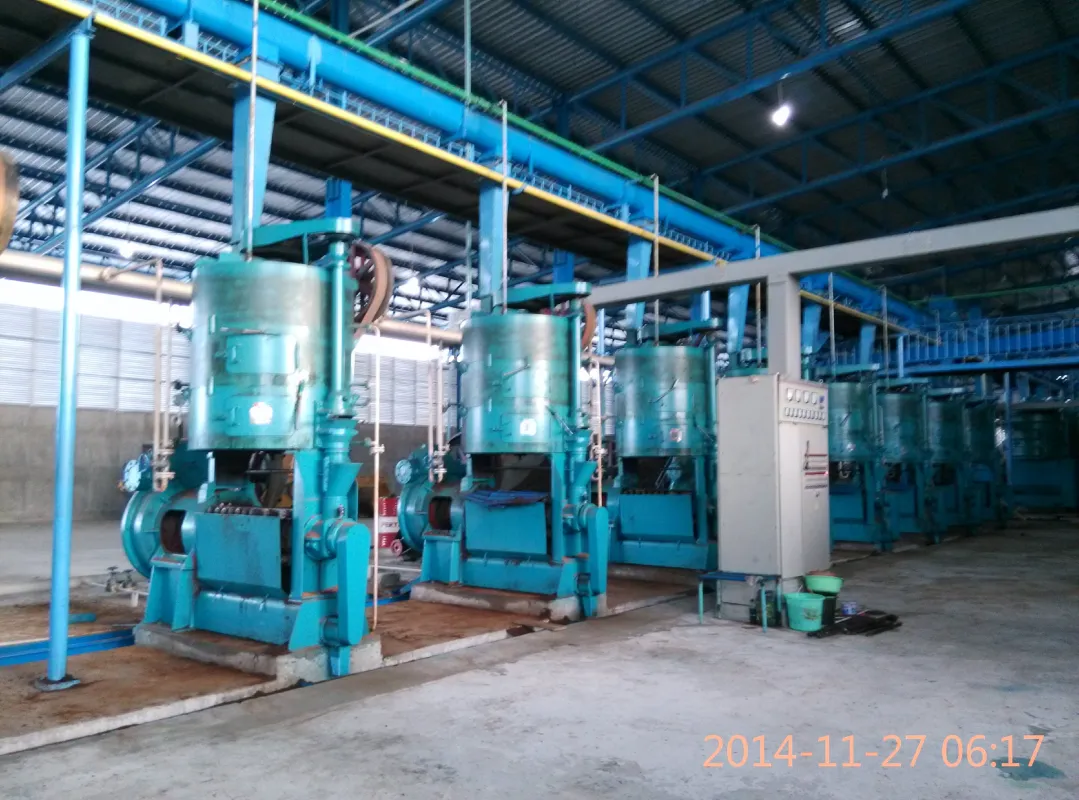
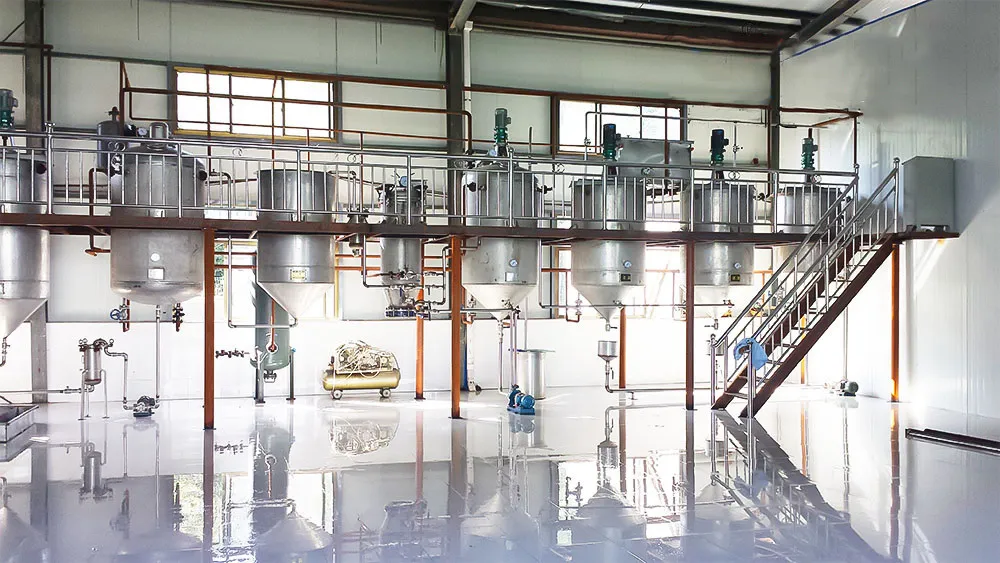
Choosing the right food oil processing equipment is not only a technical decision. It also affects production efficiency, oil yield, refining quality, operating cost, and the long-term stability of a grain and oil processing project. For overseas buyers, the most suitable configuration usually depends on the raw material, planned capacity, processing method, automation level, energy use, and local market requirements.
Qi'e Grain and Oil Machinery Co., Ltd. provides oil production line solutions designed for B2B grain and oil projects, including oil pressing equipment, oil production line equipment, and oil refining equipment. Our approach focuses on practical configuration, reliable operation, and matching the production line to real processing needs.
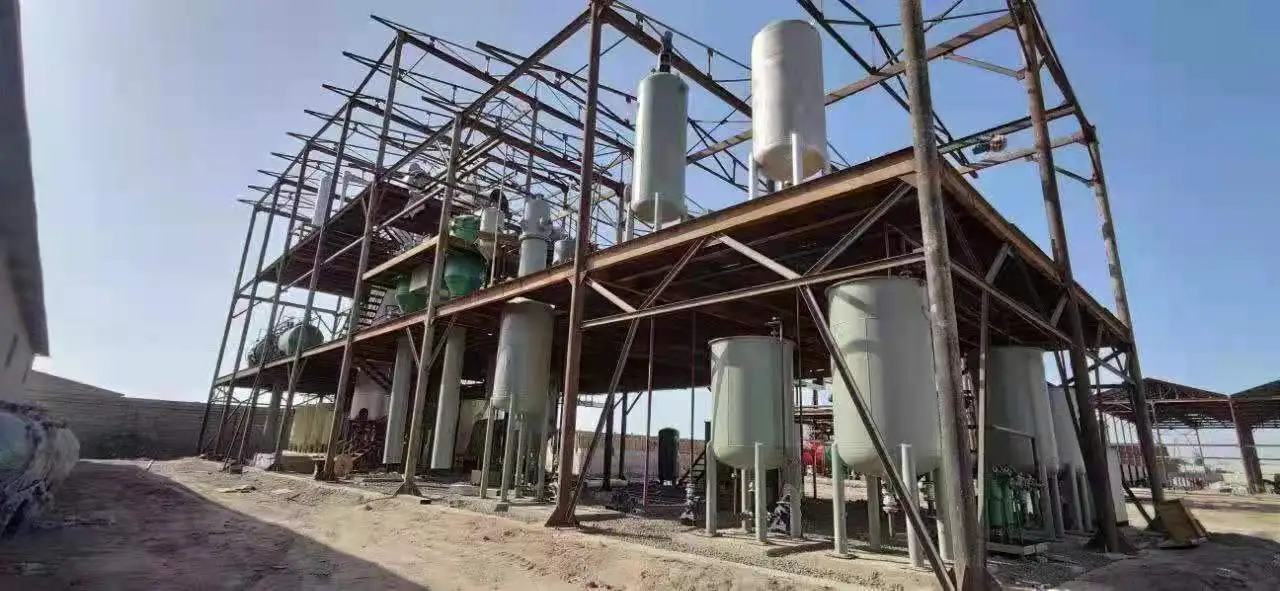
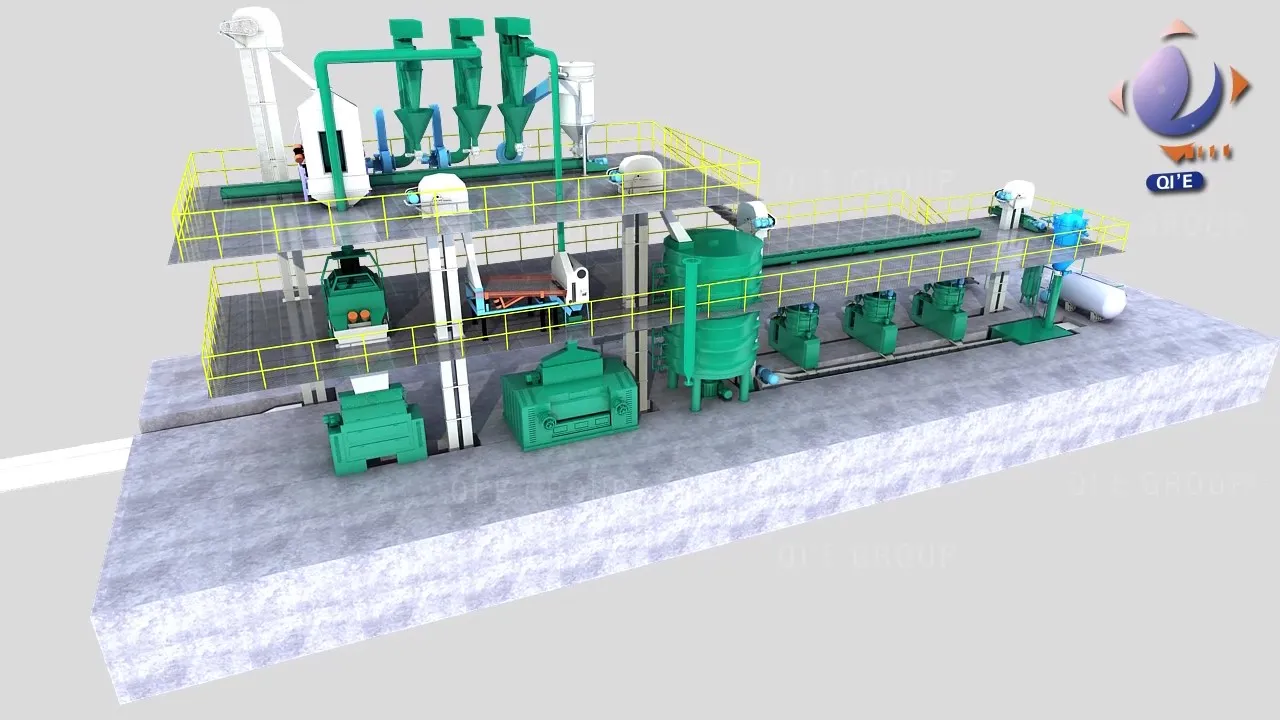
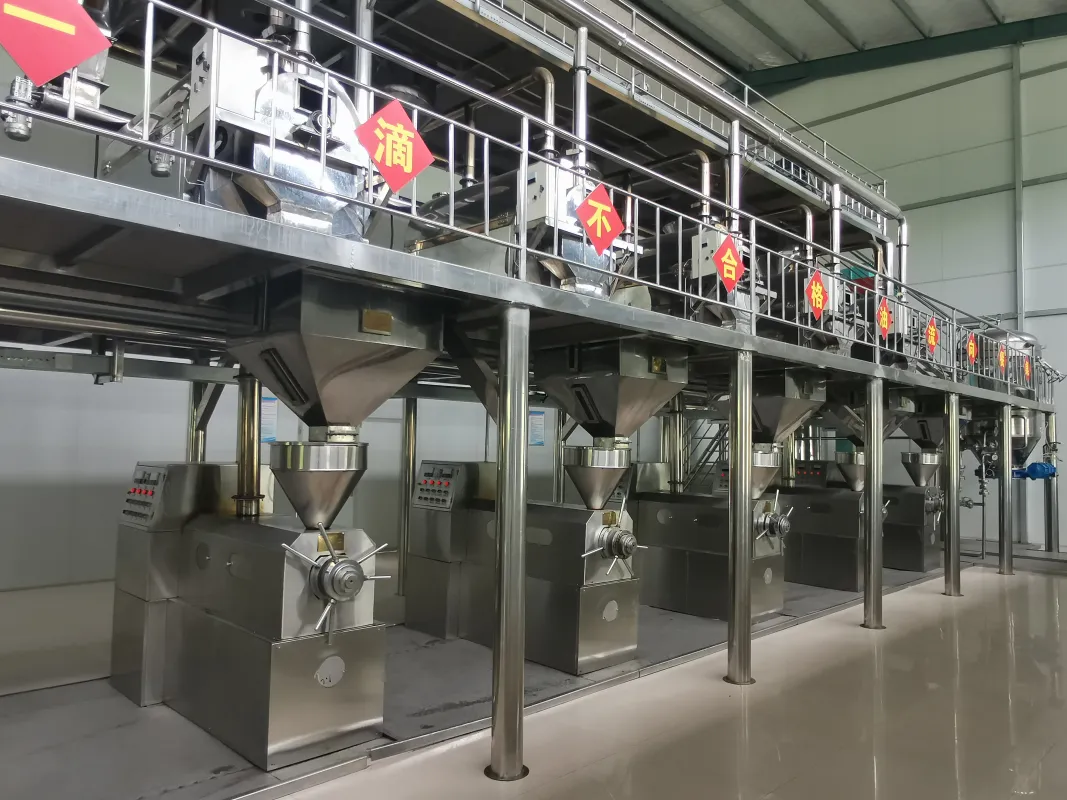
A complete oil production line is a coordinated system of equipment and process stages. Depending on the raw material and target product, the line may include cleaning, crushing or dehulling, conditioning, flaking, pressing, solvent extraction, desolventizing, degumming, neutralizing, bleaching, deodorizing, winterization, filtration, and packaging.
| Process Stage | Main Purpose | Typical Equipment Function |
|---|---|---|
| Raw Material Preparation | Remove impurities and stabilize feedstock | Cleaning, sorting, magnetic separation, destoning |
| Pressing or Extraction | Recover oil from seeds, nuts, or fruit materials | Oil press, solvent extractor, related conveying systems |
| Refining | Improve purity, appearance, and stability | Degumming, neutralizing, bleaching, deodorizing units |
| Finishing | Prepare refined oil for distribution | Filtration, winterization, packaging equipment |
The best oil production line configuration is not the same for every project. A small workshop, a medium-scale commercial plant, and a large export-oriented facility will each require a different balance of equipment, automation, energy consumption, and refining depth.
Different raw materials such as soybean, sunflower seed, palm kernel, peanut, or other oil-bearing crops require different pretreatment and extraction logic. Material characteristics influence dehulling, conditioning, pressing, and refining requirements.
Capacity planning determines the size of the production line, the degree of automation, the number of processing stages, and the overall layout. A clear capacity target helps avoid underutilized equipment or future bottlenecks.
Some projects focus on mechanical pressing, while others require solvent extraction for higher recovery. Many industrial lines use a combined process to better balance oil yield, production scale, and final product quality.
If the target market expects refined edible oil, the line should include the relevant refining stages. If the goal is only crude oil production, the configuration can be simplified accordingly.
Higher automation can improve operational consistency and reduce manual workload. At the same time, energy consumption, maintenance needs, and utility conditions should be considered during equipment selection.
Export markets in Asia, Africa, and South America may have different expectations for oil quality, packaging, and plant layout. The production line should align with the intended sales channel and product standard.
Buyers usually compare equipment options to reach a practical balance between oil yield, product quality, investment size, operating cost, and production flexibility.
As a professional grain and oil machinery manufacturer, Qi'e Grain and Oil Machinery Co., Ltd. focuses on more than a single machine. We support complete project thinking, from oil pressing equipment to oil production line equipment and oil refining equipment, helping customers build a configuration that fits their raw material and business goals.
Equipment recommendations are matched to the raw material, capacity, and processing objective of each project.
The line design considers pretreatment, extraction, refining, and packaging as connected stages, not isolated machines.
Our machinery is supplied to customers in multiple overseas markets, with solutions designed for commercial grain and oil processing projects.
With these points clarified, the equipment selection becomes more accurate and the production line can be configured in a way that supports stable operation and commercial viability.
A well-designed food oil processing equipment solution should fit the raw material, the capacity target, and the intended market—not the other way around.
Qi'e Grain and Oil Machinery Co., Ltd. supports buyers with practical oil production line solutions built around this principle.
 Qi'e Grain and Oil Machinery Co., Ltd. overseas grain and oil project equipment installation and commissioning technical service project delivery
coconut oil processing line coconut oil production line installation coconut oil equipment commissioning coconut oil production line maintenance integrated shelling and pressing
compact turnkey edible oil plant equipment edible oil plant capacity matching energy-saving oil press machine turnkey project implementation process small and medium edible oil plant equipment selection
Qi'e Grain and Oil Machinery Co., Ltd. overseas grain and oil processing project installation and delivery technical support engineering solution
Qi'e Grain and Oil Machinery Co., Ltd. grain and oil processing project delivery oil pressing production line installation oil equipment commissioning turnkey project service
Qi'e Grain and Oil Machinery Co., Ltd. overseas grain and oil project equipment installation and commissioning technical service project delivery
coconut oil processing line coconut oil production line installation coconut oil equipment commissioning coconut oil production line maintenance integrated shelling and pressing
compact turnkey edible oil plant equipment edible oil plant capacity matching energy-saving oil press machine turnkey project implementation process small and medium edible oil plant equipment selection
Qi'e Grain and Oil Machinery Co., Ltd. overseas grain and oil processing project installation and delivery technical support engineering solution
Qi'e Grain and Oil Machinery Co., Ltd. grain and oil processing project delivery oil pressing production line installation oil equipment commissioning turnkey project service



.png?x-oss-process=image/resize,h_100,m_lfit/format,webp)
.png?x-oss-process=image/resize,h_100,m_lfit/format,webp)
.png?x-oss-process=image/resize,h_100,m_lfit/format,webp)