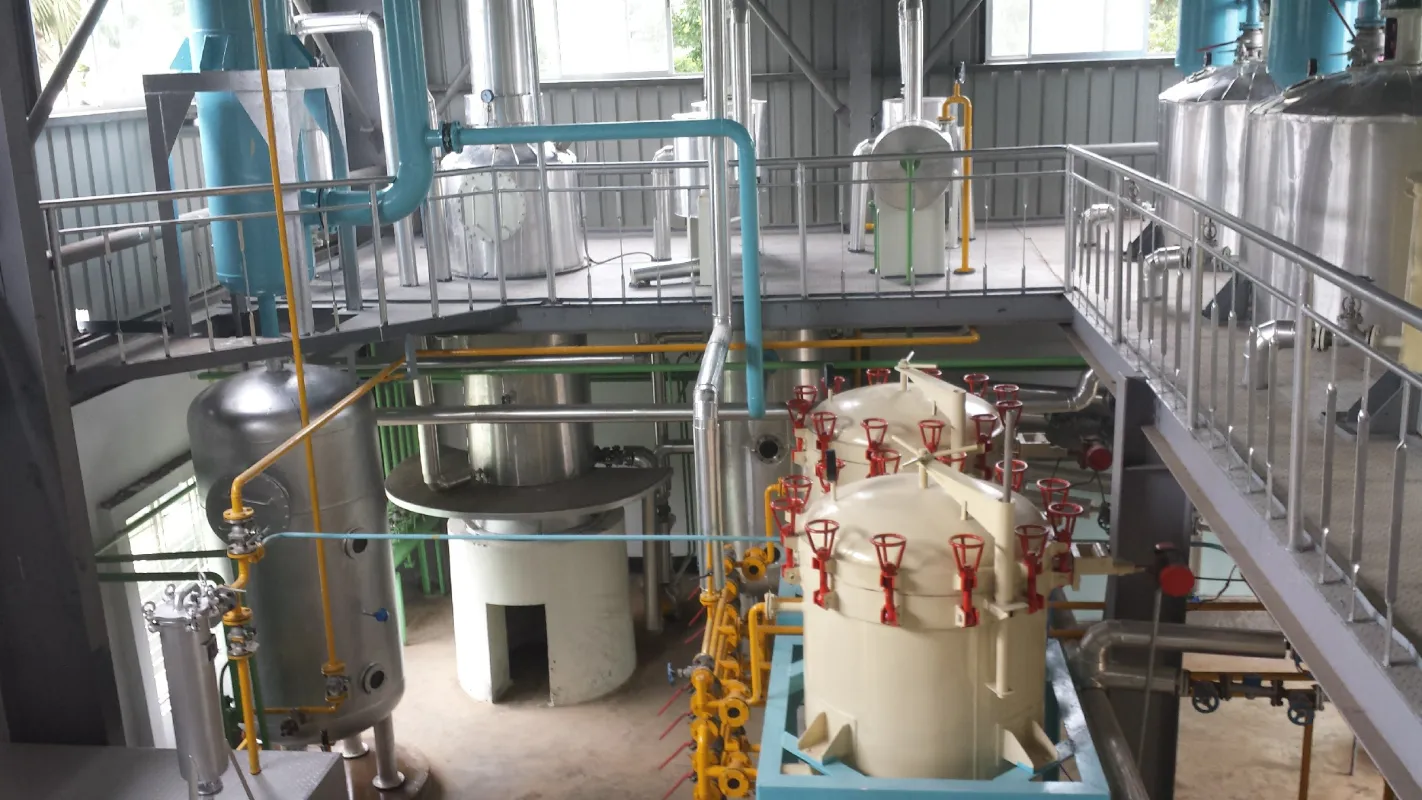
In today’s dynamic global marketplace, export-oriented enterprises face mounting challenges in selecting rice bran oil refining equipment that not only meets stringent international standards but also elevates operational efficiency and sustainability. Compliance with the latest ISO9001 quality management, HACCP food safety protocols, as well as regulatory frameworks including FDA and EU mandates, is fundamental for securing market access and building trust abroad.
Enterprises expanding globally must prioritize equipment aligning with these core standards:
The core of equipment evaluation hinges on:
Credible certification builds customer confidence and simplifies customs clearance.
Key steps involved:
| Step | Description | Typical Duration |
|---|---|---|
| Pre-assessment | Review of equipment design documents and production processes | 2-4 weeks |
| Third-party Testing | Material composition analysis, hygienic performance testing, and endurance trials | 4-6 weeks |
| Certification Issuance | Formal grant of ISO, HACCP, or FDA equivalence certificates | 1-2 weeks |
Empirical insights from market deployments illustrate the interplay of compliance and localization:
Southeast Asia: Humidity and fluctuating power quality necessitate equipment with robust sealing and energy-saving inverter technology — reducing operational cost by up to 18% annually. Local processors reported a 25% reduction in downtime after adopting equipment certified to ISO9001 and HACCP.
Middle East: Compliance with regulatory nuances, including EU food safety standards, was pivotal in gaining retailer trust. Third-party validation accelerated product approval processes, slashing market entry lead times by 30%. Clients praised equipment ease of cleaning and service response times.
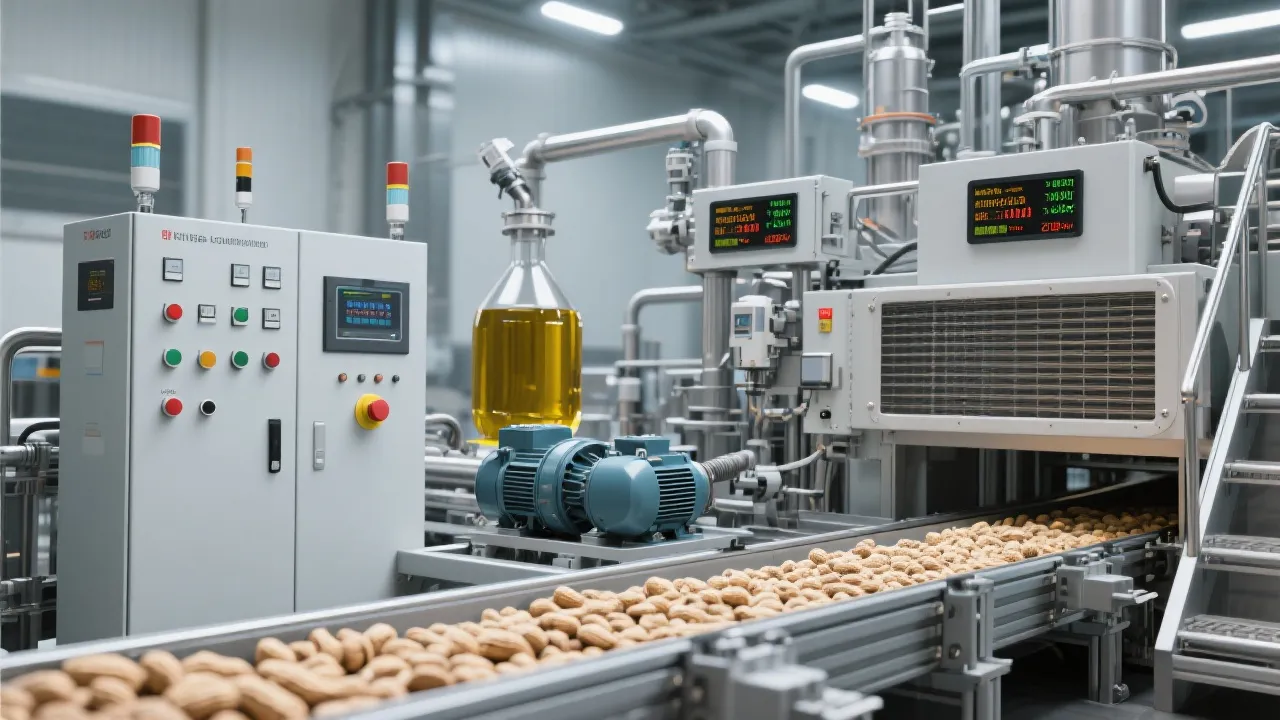
Advanced full-automatic rice bran oil refining equipment, such as the ones provided by the Qe Group, blend technology and service excellence to meet evolving market demands. Features include:
 PLC automatic control system
edible oil production line
energy consumption reduction
fault troubleshooting
intelligent manufacturing
automated sesame oil production line
closed-loop sesame oil processing system
energy-efficient oil extraction equipment
sesame oil automation technology
food-grade oil production line
automated sesame oil production line technology
fully enclosed sesame oil processing
energy-efficient grain and oil machinery
continuous sesame oil production
intelligent grain and oil automation solutions
rapeseed oil extraction process
cold pressing vs solvent extraction
vitamin E retention in edible oils
phytosterol preservation
edible oil manufacturing technology
Rice bran oil refining equipment international certification
Export-oriented enterprise equipment selection
FDA food equipment sealing standards
Food safety management equipment specifications
Southeast Asian edible oil equipment cases
PLC automatic control system
edible oil production line
energy consumption reduction
fault troubleshooting
intelligent manufacturing
automated sesame oil production line
closed-loop sesame oil processing system
energy-efficient oil extraction equipment
sesame oil automation technology
food-grade oil production line
automated sesame oil production line technology
fully enclosed sesame oil processing
energy-efficient grain and oil machinery
continuous sesame oil production
intelligent grain and oil automation solutions
rapeseed oil extraction process
cold pressing vs solvent extraction
vitamin E retention in edible oils
phytosterol preservation
edible oil manufacturing technology
Rice bran oil refining equipment international certification
Export-oriented enterprise equipment selection
FDA food equipment sealing standards
Food safety management equipment specifications
Southeast Asian edible oil equipment cases








.png?x-oss-process=image/resize,h_100,m_lfit/format,webp)
.png?x-oss-process=image/resize,h_100,m_lfit/format,webp)
.png?x-oss-process=image/resize,h_100,m_lfit/format,webp)