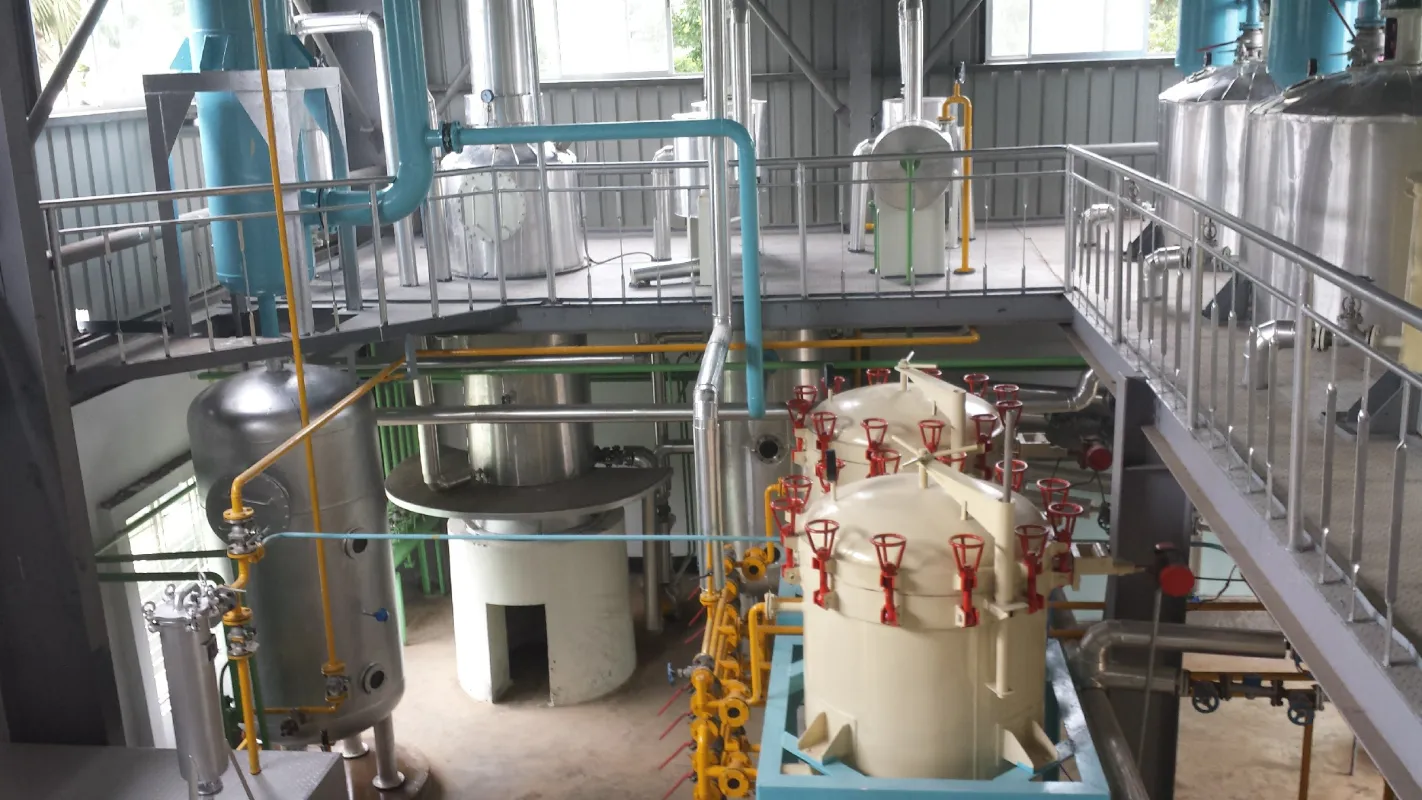
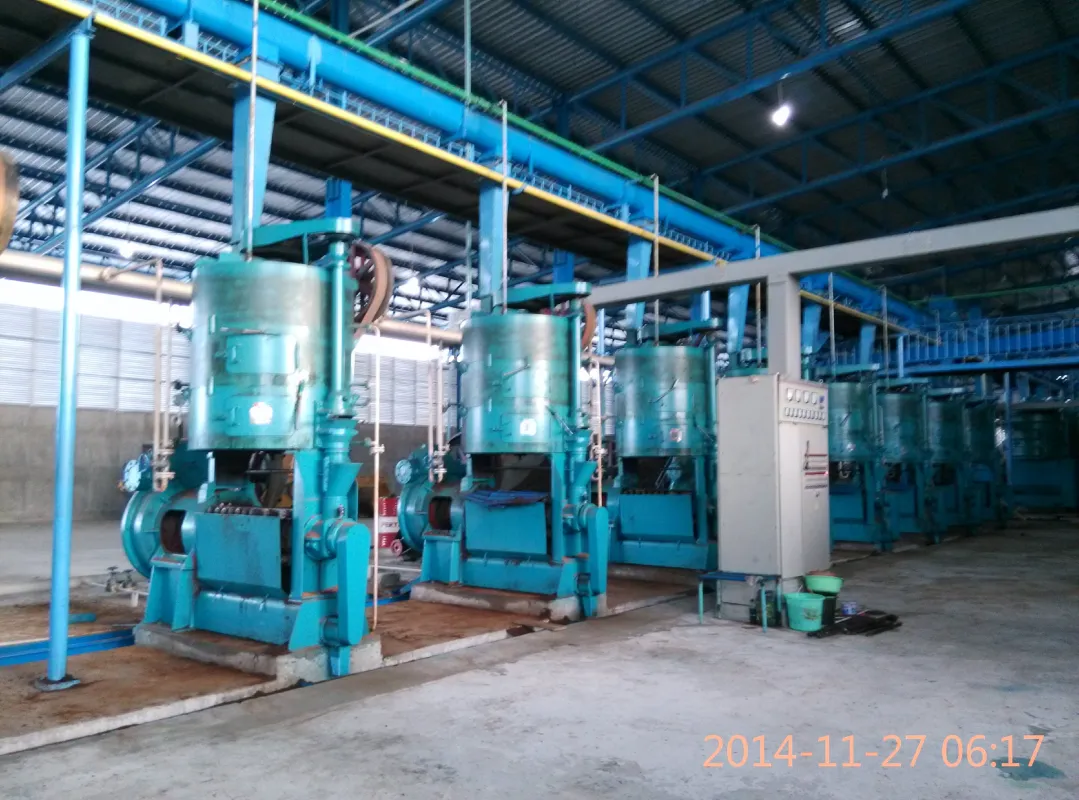
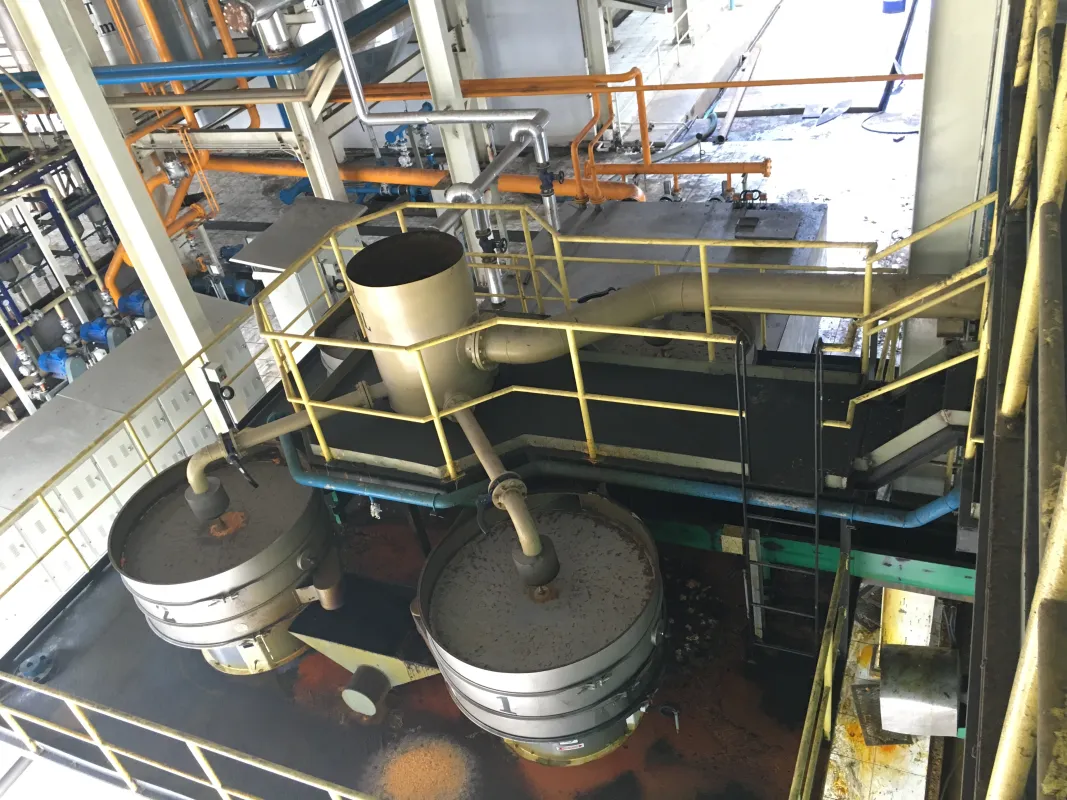
The automatic control system for sesame oil production lines consists of several fundamental core modules. Programmable Logic Controllers (PLCs) are the brains of the system, responsible for executing logical operations and controlling the overall production process. They can process input signals from various sensors and send output signals to actuators to perform specific actions. For example, a well - configured PLC can adjust the speed of motors in the production line based on the flow rate detected by sensors, improving production efficiency by up to 30% compared to non - automated systems.
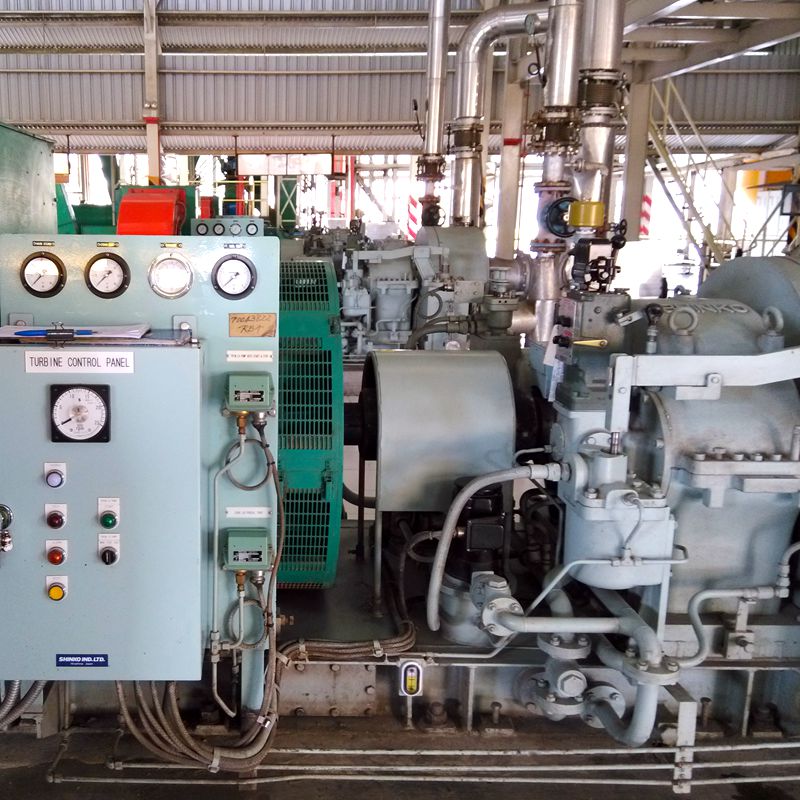
Touchscreens serve as the human - machine interface (HMI), allowing operators to monitor and control the system easily. Through the touchscreen, operators can view real - time data such as temperature, pressure, and flow rate, and adjust system parameters promptly. Sensors play a crucial role in collecting data about the production environment. Temperature sensors can ensure that the sesame oil is processed at the optimal temperature, which is typically between 120 - 150 degrees Celsius for high - quality oil extraction. Flow sensors can accurately measure the amount of raw materials and intermediate products flowing through the pipeline, ensuring precise control of the production process.
Integrating software and hardware is a key step in optimizing the automatic control system. The integration process involves ensuring that all components work together seamlessly. For example, when integrating the PLC with sensors, it is necessary to ensure that the communication protocol between them is compatible. Key parameter settings are also essential for the system's performance. Temperature - flow linkage control is an effective optimization strategy. By setting appropriate parameters, the system can automatically adjust the flow rate according to the temperature change, maintaining a stable production process and reducing product quality fluctuations by 20%.
Another important aspect is the optimization of PLC parameters. By fine - tuning the PLC parameters, such as input/output response time and cycle time, the system can respond more quickly to changes in the production environment, improving production efficiency. For instance, reducing the input/output response time from 100 milliseconds to 50 milliseconds can significantly enhance the system's real - time performance.
Even the most advanced automatic control systems may encounter failures. A detailed failure troubleshooting process is necessary to minimize downtime. The troubleshooting process usually starts with a preliminary inspection of the system, checking for obvious problems such as loose connections or damaged components. Then, more in - depth diagnostic methods can be used, such as analyzing system logs and error codes. For example, if the system shows an error code related to a sensor, technicians can use specialized diagnostic tools to test the sensor's functionality.
Preventive maintenance is equally important. A preventive maintenance checklist should include regular inspections of components, calibration of sensors, and software updates. By following the preventive maintenance plan, the probability of system failures can be reduced by 40%. Real - life case studies can provide valuable insights into problem diagnosis and solution. For example, in a certain sesame oil production plant, by implementing a preventive maintenance plan, they were able to avoid a major system breakdown that could have cost them thousands of dollars in production losses.
Different sesame oil processing enterprises have different production scales and requirements. Therefore, personalized automation customization solutions are crucial. For small - scale enterprises, a simple and cost - effective control system may be sufficient, while large - scale enterprises may require a more complex and comprehensive system. When designing a customized solution, factors such as production capacity, product quality requirements, and budget should be considered.
Technical support and after - sales service are also important aspects of personalized solutions. Enterprises should choose suppliers who can provide timely technical support and long - term after - sales service. This can ensure that the system can be continuously optimized and maintained, and any problems can be solved promptly.
Are you looking to optimize your sesame oil production line's automatic control system? Click here to get the full PDF operation manual and join our technical exchange group to get real - time answers to your questions. Let's work together to achieve continuous and stable operation and optimization of your production line!


.png?x-oss-process=image/resize,h_100,m_lfit/format,webp)
.png?x-oss-process=image/resize,h_100,m_lfit/format,webp)
.png?x-oss-process=image/resize,h_100,m_lfit/format,webp)