When purchasing grain and oil machinery, the lowest single-machine quote is rarely the best decision. For buyers planning a stable production setup, the real value of an investment depends on how well the equipment matches the raw material, output target, energy use, environmental requirements, and downstream processing needs.
Qi'e Grain and Oil Machinery Co., Ltd. focuses on oil pressing equipment, oil production line equipment, and oil refining equipment for B2B buyers in Asia, Africa, and South America. Based on practical project experience, we help customers evaluate machinery as a complete system rather than as isolated units.
A machine with a lower initial price may look attractive at first, but procurement decisions in grain and oil processing involve more than the purchase amount. If a unit does not fit the intended line, it may create extra operating costs, inconsistent output, or added maintenance pressure after installation.
In many projects, the more important question is not “How much does one machine cost?” but “How does this machine perform within the full production line, under the real processing conditions of the buyer?”
Production capacity should match the buyer’s raw material volume, operating schedule, and future expansion plans. Undersized equipment can limit throughput, while oversized equipment may increase unnecessary investment and energy consumption.
Energy use affects the long-term cost of production. For buyers who run machinery continuously or on a large scale, equipment efficiency can be as important as the purchase price.
Oil processing projects often need to align with local environmental expectations and plant conditions. Waste handling, emissions control, and production cleanliness should be considered early in the procurement stage.
Oil pressing, extraction, and refining often require coordinated equipment. Even a well-built machine may not deliver the expected result if it is not properly integrated with upstream and downstream units.
Installation guidance, technical support, spare parts planning, and operating training all influence the real usability of the equipment. Procurement should include service capability, not only product appearance or quotation level.
| Evaluation factor | What buyers should confirm | Why it matters |
|---|---|---|
| Capacity matching | Raw material volume, target output, and operating hours | Helps avoid bottlenecks and unnecessary idle capacity |
| Energy consumption | Expected power use and operating efficiency | Affects long-term production cost and plant planning |
| Environmental conditions | Space, waste handling, emissions control, and site compatibility | Supports smoother installation and compliant operation |
| Line coordination | Compatibility between pressing, extraction, and refining stages | Improves overall production stability and output consistency |
| After-sales support | Installation, training, troubleshooting, and spare parts service | Reduces downtime and supports long-term operation |
As a manufacturer and solution provider in grain and oil machinery, Qi'e Grain and Oil Machinery Co., Ltd. does not approach procurement as a simple equipment sale. We support buyers with a broader view of project requirements so the selected machinery can fit the actual production plan.
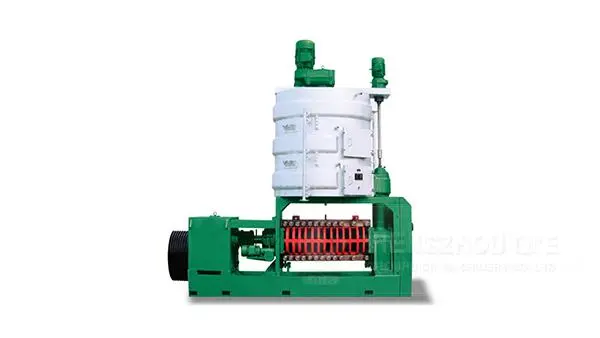
Oil pressing equipment is evaluated in relation to raw material characteristics, capacity, and process flow.
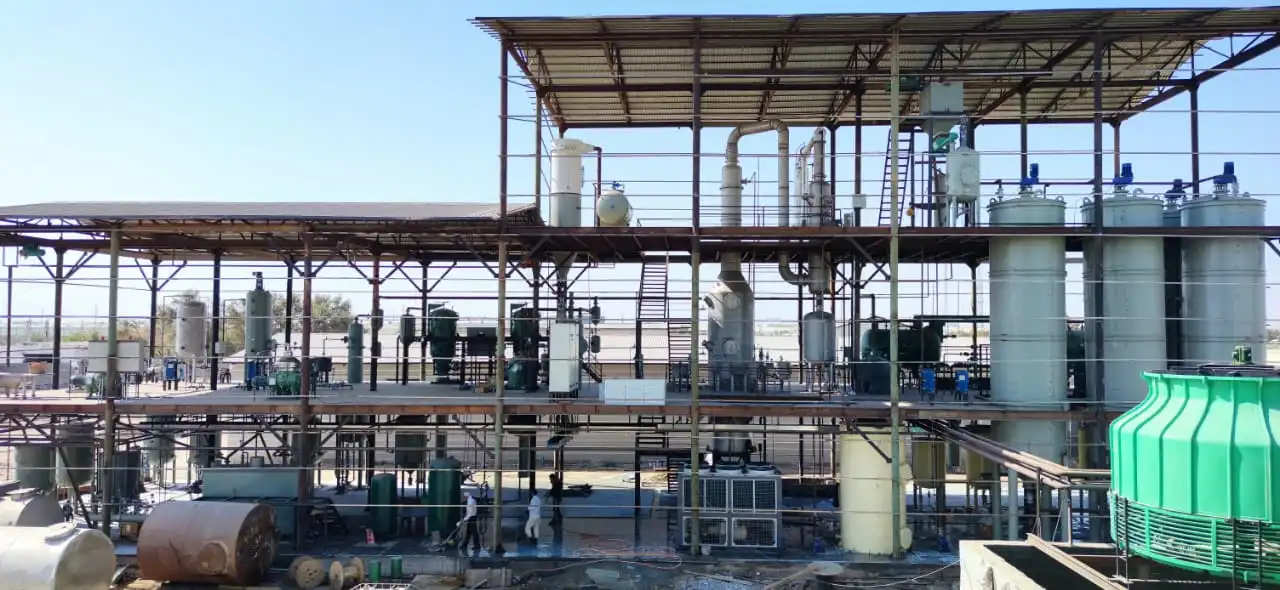
Oil production line equipment is considered as a coordinated system rather than separate machines.
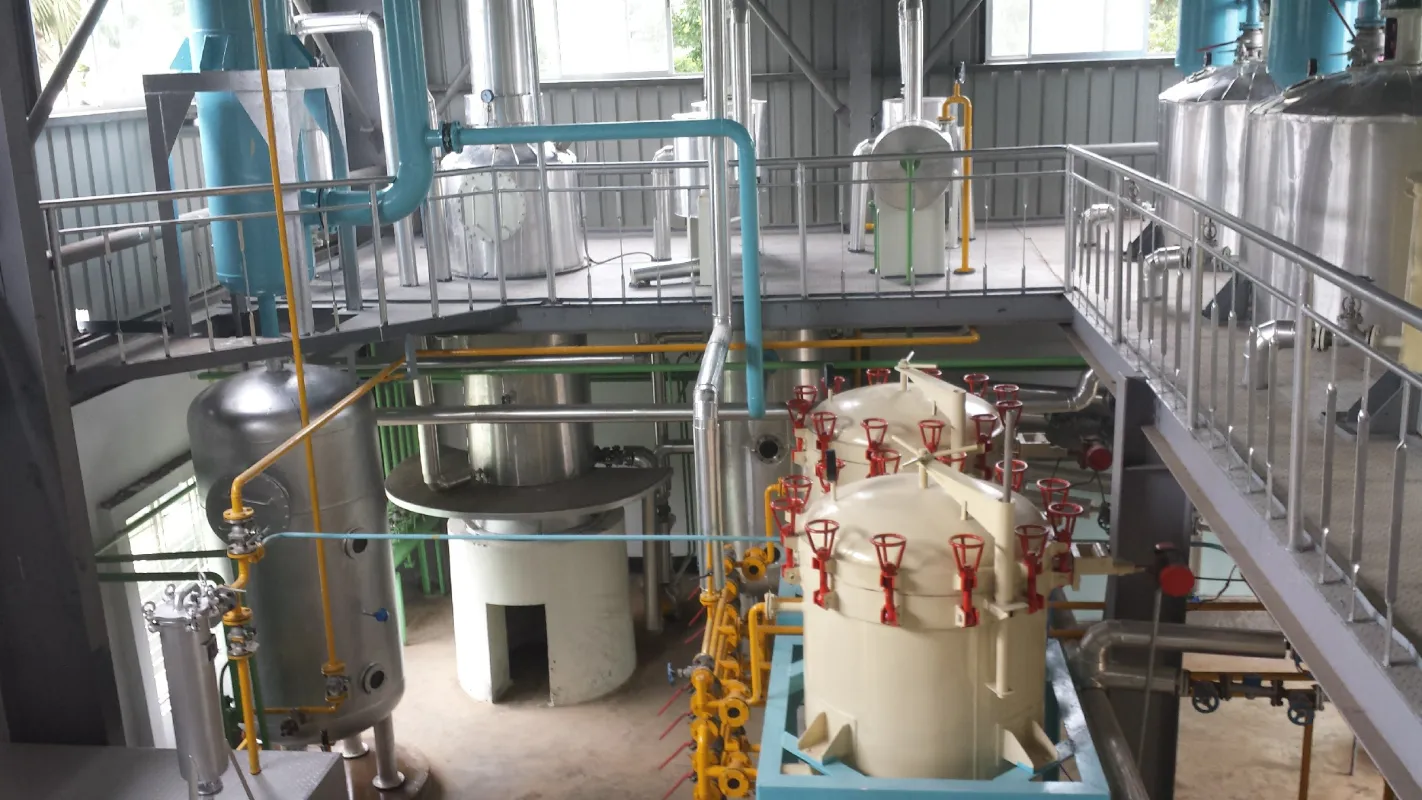
Oil refining equipment is matched to the required product quality, process steps, and plant configuration.
A machine should be judged by how it contributes to the whole production process: whether it fits the line, supports stable output, and helps the buyer operate efficiently over time.
This is why procurement for grain and oil machinery should consider technical fit, service support, and long-term operating value alongside price.
With exports to more than 120 countries and a business model centered on B2B cooperation, Qi'e Grain and Oil Machinery Co., Ltd. continues to support customers with reliable equipment, project-oriented thinking, and responsive service. Our goal is to help buyers make informed decisions that support stable production and practical business growth.
If you are comparing machinery options for a new project or upgrading an existing line, it is worth looking beyond the initial quotation and focusing on the complete solution behind it.
 coconut oil processing line installation
coconut oil production line commissioning
integrated shelling and pressing
production line troubleshooting
energy-saving operation
grain and oil machinery solution
complete line delivery
oil pressing equipment
edible oil refining
Qi'e Grain and Oil Machinery Co., Ltd.
automated sunflower seed cleaning and dehulling
sunflower oil production line efficiency
intelligent grain and oil processing equipment
fully automatic pressing production line
oil purity optimization technology
complete set of grain and oil machinery
oil pressing machinery
oil production equipment
edible oil refining
Qi'e Grain and Oil Machinery Co., Ltd.
sunflower oil extraction process
oil yield improvement
sunflower oil refining technology
automated oil production line
edible oil processing
coconut oil processing line installation
coconut oil production line commissioning
integrated shelling and pressing
production line troubleshooting
energy-saving operation
grain and oil machinery solution
complete line delivery
oil pressing equipment
edible oil refining
Qi'e Grain and Oil Machinery Co., Ltd.
automated sunflower seed cleaning and dehulling
sunflower oil production line efficiency
intelligent grain and oil processing equipment
fully automatic pressing production line
oil purity optimization technology
complete set of grain and oil machinery
oil pressing machinery
oil production equipment
edible oil refining
Qi'e Grain and Oil Machinery Co., Ltd.
sunflower oil extraction process
oil yield improvement
sunflower oil refining technology
automated oil production line
edible oil processing







.png?x-oss-process=image/resize,h_100,m_lfit/format,webp)
.png?x-oss-process=image/resize,h_100,m_lfit/format,webp)
.png?x-oss-process=image/resize,h_100,m_lfit/format,webp)