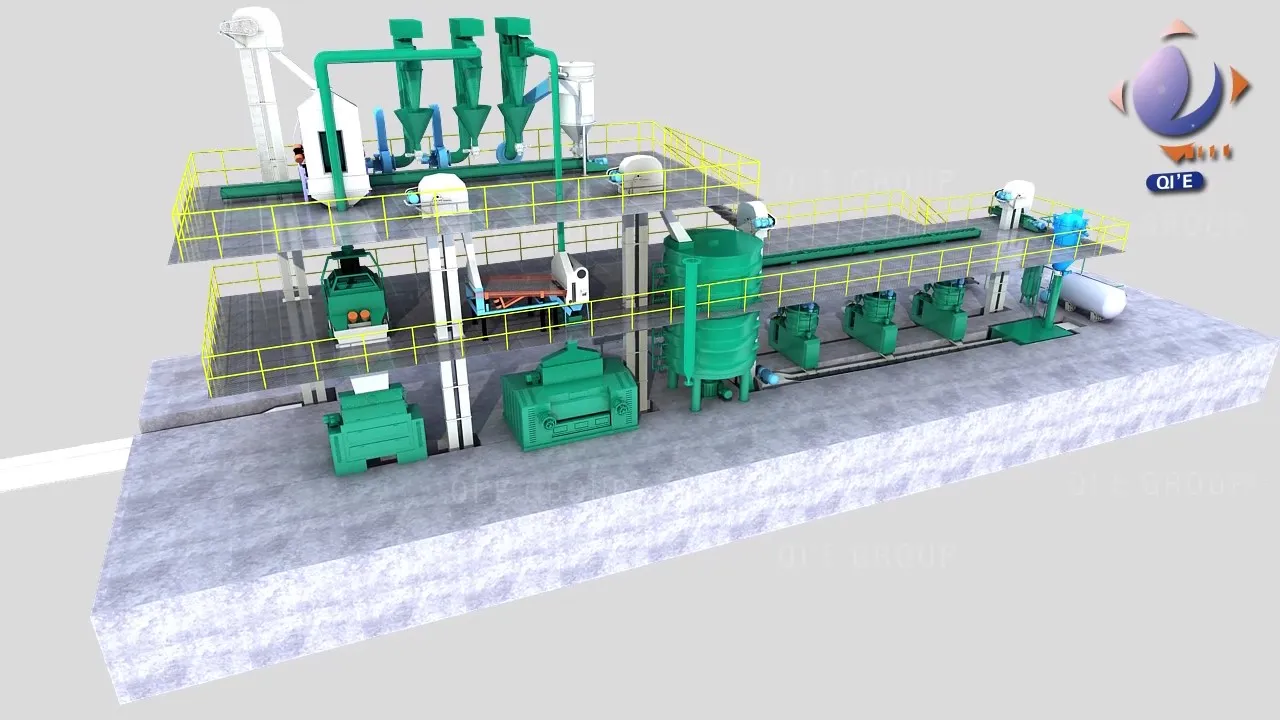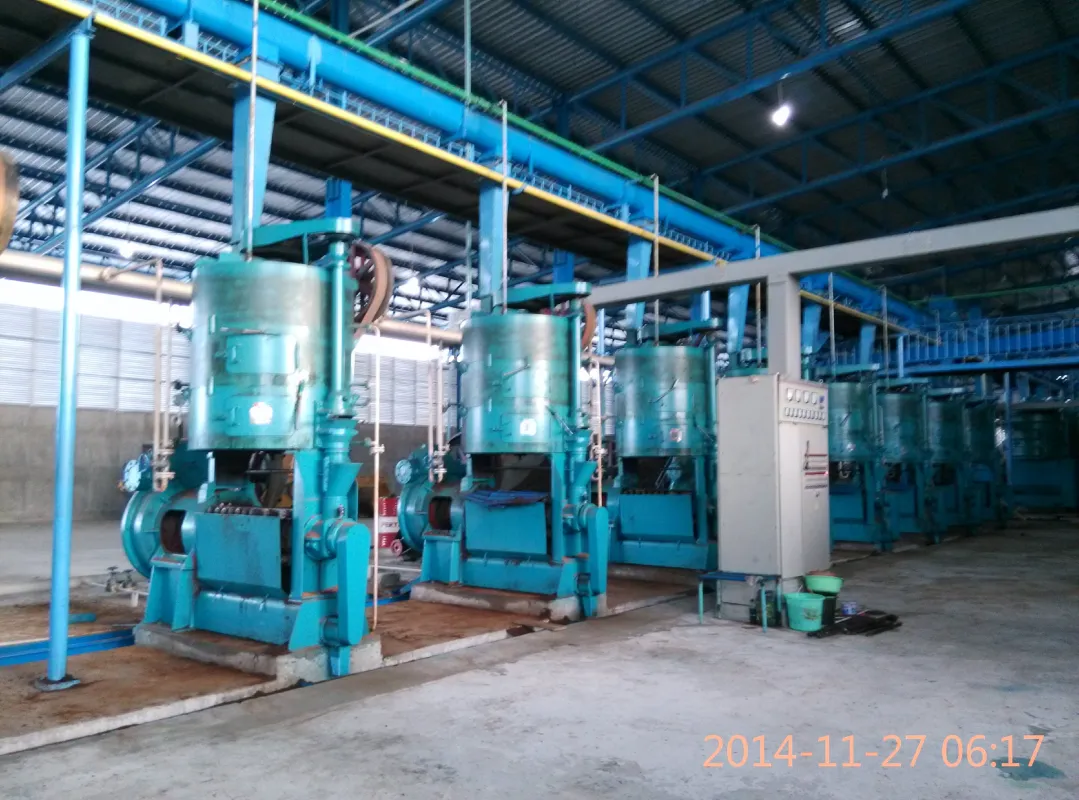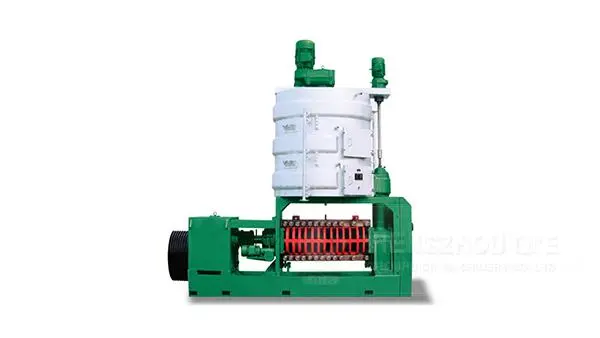
In an industry where even 1% efficiency gain can translate to millions in annual savings, soybean oil producers are increasingly turning to intelligent control systems to optimize their extraction processes. Traditional methods relying on manual adjustments and operator experience often result in inconsistent yields, higher energy consumption, and increased equipment wear. Today, smart parameter regulation technology is revolutionizing how processors approach both mechanical pressing and solvent extraction methods.
Industry Insight:
According to the American Oil Chemists' Society, precision control of extraction parameters can improve oil yield by 3-5% while reducing energy consumption by up to 18% compared to conventional systems.
Modern intelligent control systems function through a sophisticated interplay of data acquisition, processing, and action. At their heart lies a closed-loop feedback mechanism that continuously monitors and adjusts critical variables throughout the extraction cycle.

The system architecture typically includes:
Three parameters stand out as most influential in determining extraction efficiency: temperature, pressure, and processing time. The intelligent control system manages these variables with precision unattainable by manual operation.
| Parameter | Optimal Range | Impact on Extraction |
|---|---|---|
| Temperature | 55-65°C (pressing), 45-55°C (extraction) | Affects oil viscosity and solubility; 3°C deviation can cause 1.2% yield loss |
| Pressure | 18-22 MPa (pressing stage) | Determines oil release; excessive pressure increases impurity content by 2-3% |
| Residence Time | 25-35 minutes (extraction stage) | Balance between complete extraction and oil quality preservation |
A mid-sized soybean processor in Iowa implemented an intelligent control system across their extraction line and documented impressive results within the first six months of operation. The system's AI algorithms analyzed historical production data and developed optimized parameter profiles for different soybean varieties and moisture contents.

Key performance improvements included:
While intelligent control systems significantly reduce human error, operators still play a crucial role in system performance. Common operational误区 include:
Technical Tip:
Sensor calibration drift is a silent efficiency killer. Implement a weekly calibration schedule rather than waiting for system alerts, which can maintain accuracy within ±0.5°C for temperature sensors and ±0.3 MPa for pressure transducers.
Another frequent issue is inadequate data validation during system commissioning. The data-driven decision making process relies on accurate baseline measurements. Rushing this phase typically results in suboptimal algorithm performance for the first 4-6 weeks of operation.

The transition from traditional to intelligent control represents more than just equipment升级; it signifies a fundamental shift in operational philosophy. Processors that embrace this transformation position themselves for long-term competitiveness in an increasingly challenging market.
As one plant manager noted during a recent industry conference: "We've moved from relying on the 'feel' of experienced operators to having concrete data guiding every decision. The consistency alone has transformed our production planning and quality control processes."
Download our comprehensive parameter configuration guide developed by Penguin Group's process optimization experts
Access The Soybean Oil Intelligent Control HandbookAs the industry continues to evolve, the gap between early adopters of intelligent control systems and those relying on traditional methods widens. The question is no longer whether to implement these technologies, but how quickly they can be integrated to capture the full spectrum of efficiency and quality benefits.
 rice bran oil refining equipment international certification
export-oriented equipment selection
food safety management equipment standards
energy-efficient rice bran oil processing equipment
international quality standard machinery
automated rice bran preprocessing
rice bran oil processing equipment
energy-efficient oil extraction
industrial automation in food processing
export-oriented edible oil production
automated rice bran oil refining
energy-efficient refining equipment
multi-stage filtration
degumming and deacidification
food safety standards
sunflower oil extraction process
oil yield improvement
energy consumption reduction
extraction technology optimization
edible oil processing
Rice bran oil refining equipment international certification
Export-oriented enterprise equipment selection
FDA food equipment sealing standards
Food safety management equipment specifications
Southeast Asian edible oil equipment cases
rice bran oil refining equipment international certification
export-oriented equipment selection
food safety management equipment standards
energy-efficient rice bran oil processing equipment
international quality standard machinery
automated rice bran preprocessing
rice bran oil processing equipment
energy-efficient oil extraction
industrial automation in food processing
export-oriented edible oil production
automated rice bran oil refining
energy-efficient refining equipment
multi-stage filtration
degumming and deacidification
food safety standards
sunflower oil extraction process
oil yield improvement
energy consumption reduction
extraction technology optimization
edible oil processing
Rice bran oil refining equipment international certification
Export-oriented enterprise equipment selection
FDA food equipment sealing standards
Food safety management equipment specifications
Southeast Asian edible oil equipment cases






.png?x-oss-process=image/resize,h_100,m_lfit/format,webp)
.png?x-oss-process=image/resize,h_100,m_lfit/format,webp)
.png?x-oss-process=image/resize,h_100,m_lfit/format,webp)