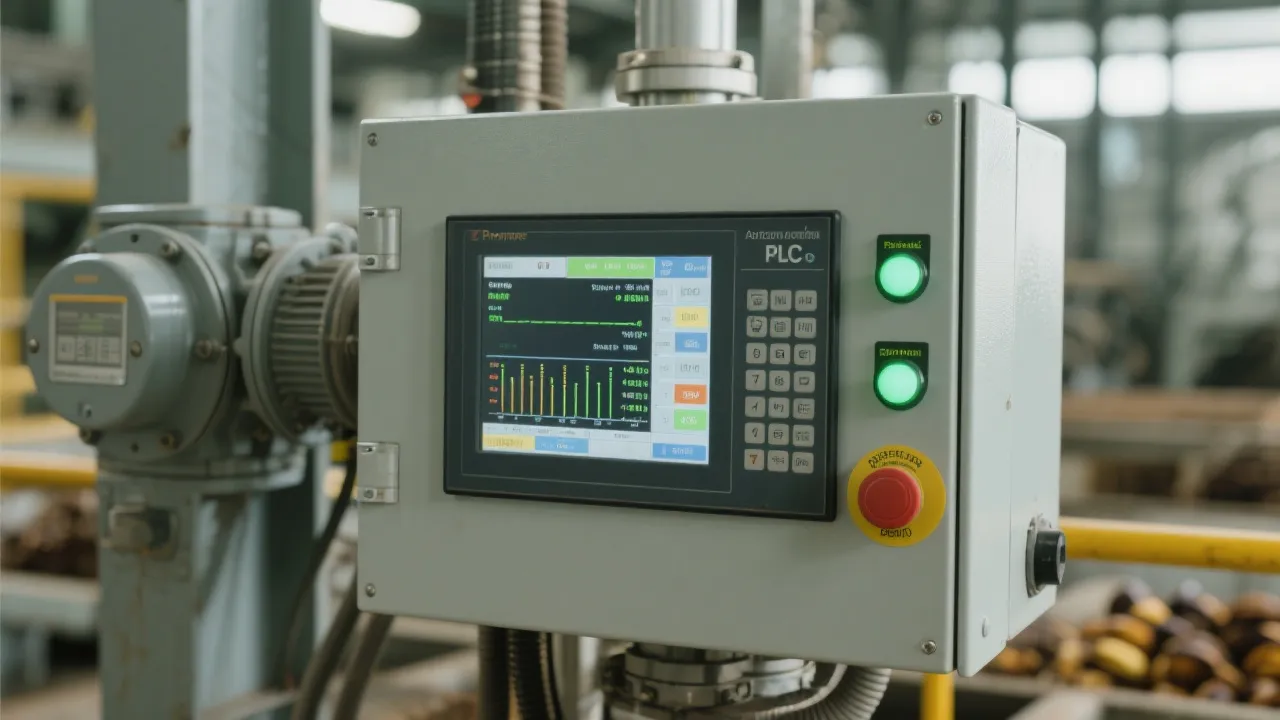
In the highly competitive B2B edible oil manufacturing industry, balancing oil yield and nutritional retention is a constant challenge for manufacturers. The choice of extraction process plays a pivotal role in determining both the quality of the final product and the overall efficiency of production. This guide delves into the two primary extraction methods - cold pressing and solvent extraction - to provide B2B manufacturers with insights for making informed decisions.
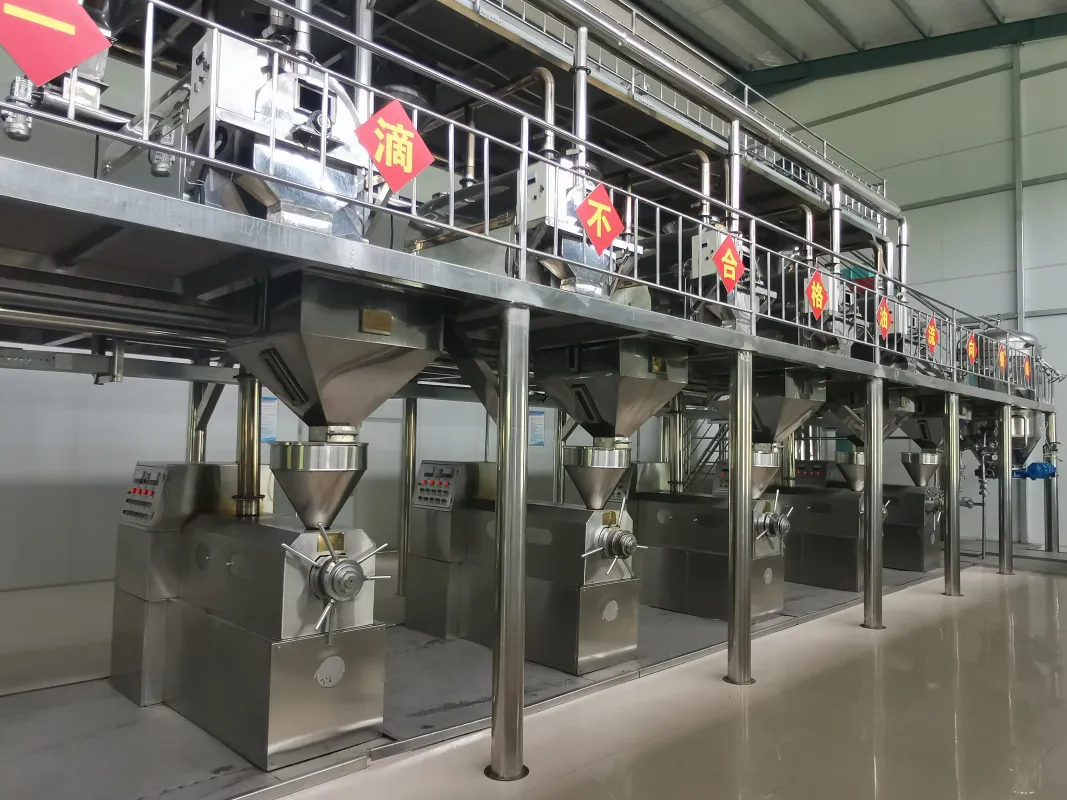
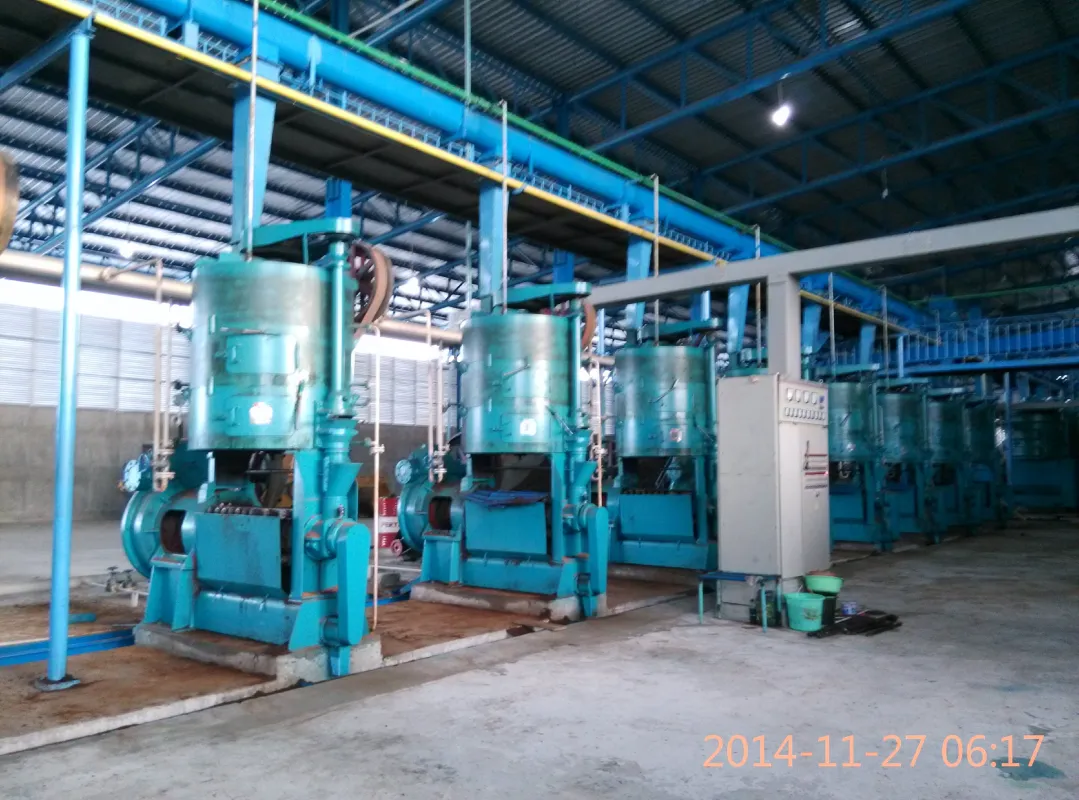
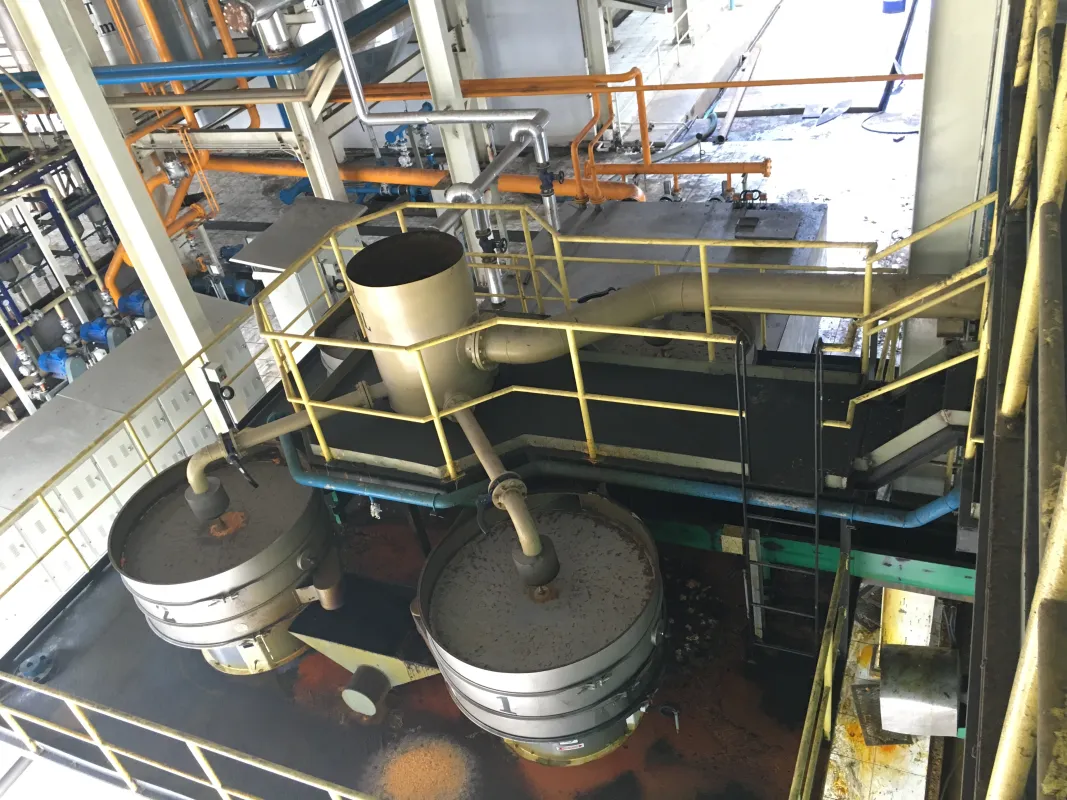
Cold pressing is a mechanical extraction method that involves applying pressure to the rapeseeds without the use of heat. This process preserves the natural flavors and nutrients of the oil, making it a popular choice for health - conscious consumers. The basic principle is simple: physical force is used to squeeze the oil out of the seeds. On the other hand, solvent extraction uses a chemical solvent, typically hexane, to dissolve the oil from the seeds. The solvent is then evaporated, leaving behind the extracted oil. This method generally results in a higher oil yield but may involve more complex processing steps.
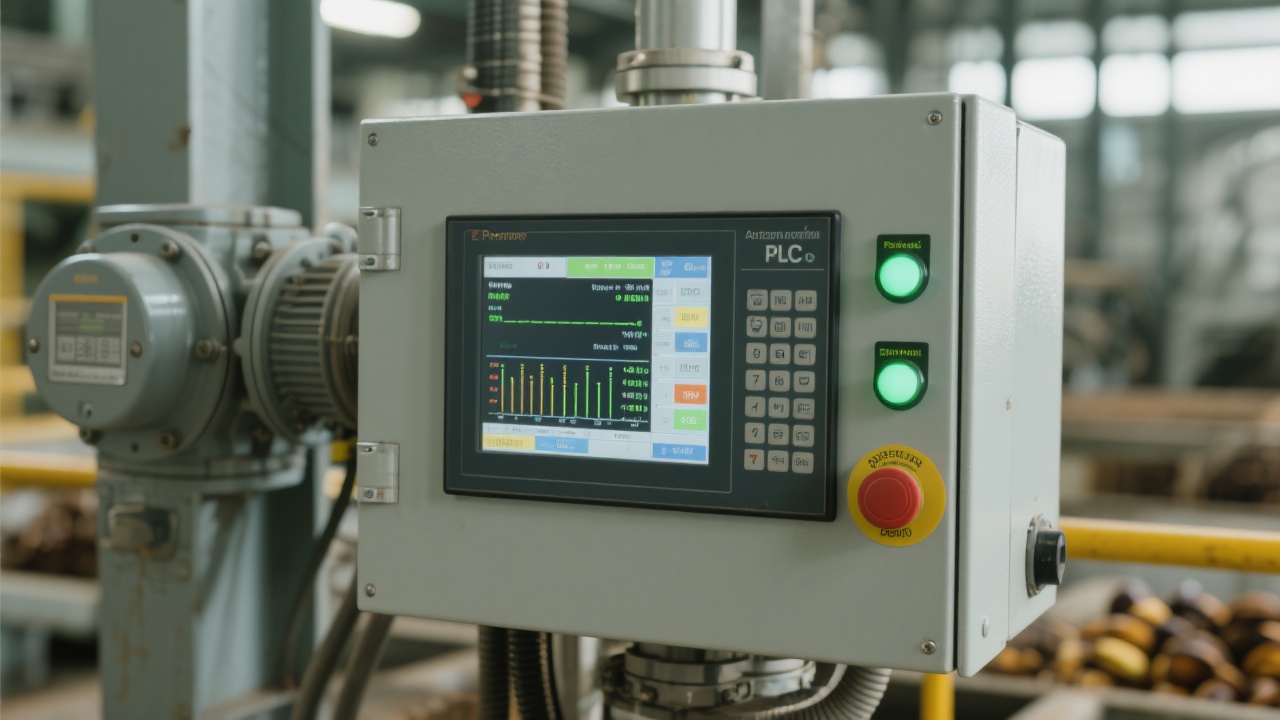
To better understand the differences between cold pressing and solvent extraction, let's look at a comparison table:
| Parameters | Cold Pressing | Solvent Extraction |
|---|---|---|
| Nutritional Retention | High. Preserves vitamins, antioxidants, and other nutrients due to the absence of heat. | Moderate. Some nutrients may be lost during the evaporation of the solvent. |
| Energy Consumption | Low. Requires less energy as it mainly relies on mechanical force. | High. Involves heating for solvent evaporation and other processing steps. |
| Cost | Higher raw material cost per unit of oil due to lower yield. But lower energy and chemical costs. | Lower raw material cost per unit of oil due to higher yield. However, there are costs associated with solvents and their disposal. |
| Equipment Requirements | Relatively simple. Basic pressing equipment is sufficient. | More complex. Requires specialized equipment for solvent handling and evaporation. |
| Product Stability | Lower. The oil may have a shorter shelf - life due to the presence of natural components that can oxidize. | Higher. The refining process in solvent extraction can improve the stability of the oil. |
For small - to - medium - scale factories, cold pressing may be the preferred option. According to a project in a medium - sized factory in Europe, cold pressing was found to be more suitable as it required less initial investment in equipment and was more in line with the local demand for high - quality, natural oils. The factory was able to target niche markets and command a premium price for their cold - pressed rapeseed oil.
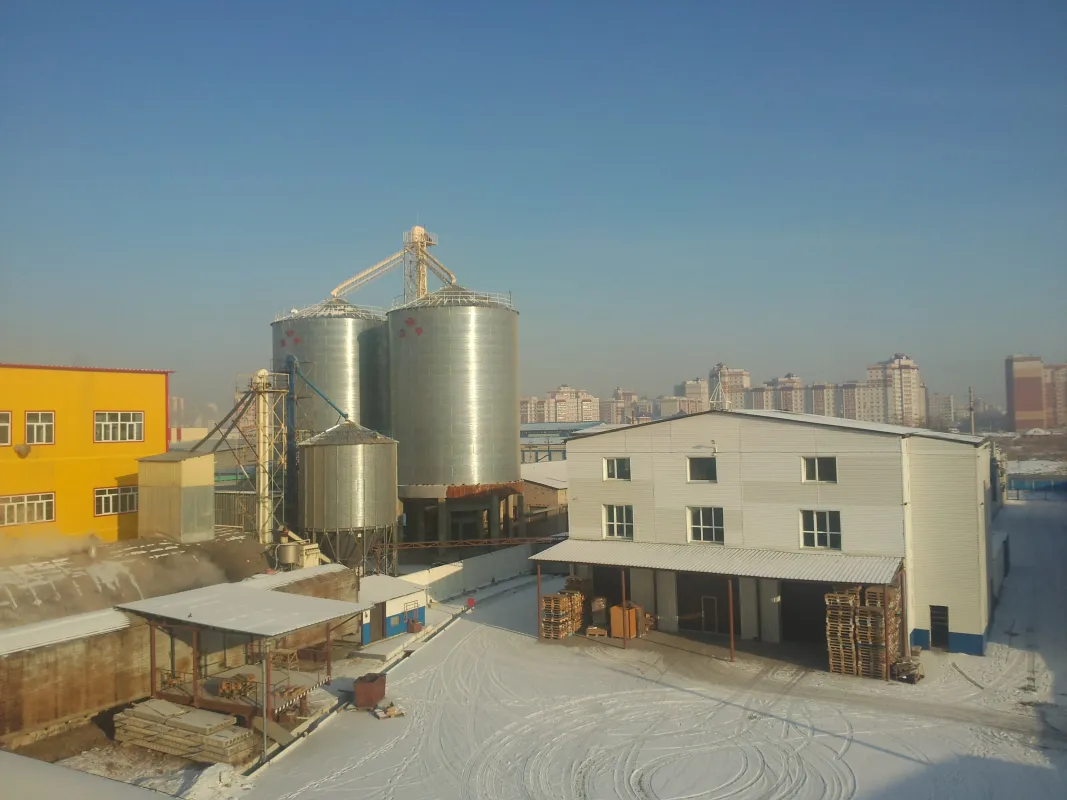
On the other hand, large - scale factories often benefit from solvent extraction. A large - scale plant in Asia reported that solvent extraction significantly increased their oil yield, which was crucial for meeting the high - volume market demand. The higher energy and equipment costs were offset by the economies of scale.
According to data from the International Oilseeds and Fats Association, solvent extraction can achieve an oil yield of up to 95%, while cold pressing typically yields around 80 - 85%. These figures highlight the significant difference in efficiency between the two methods.
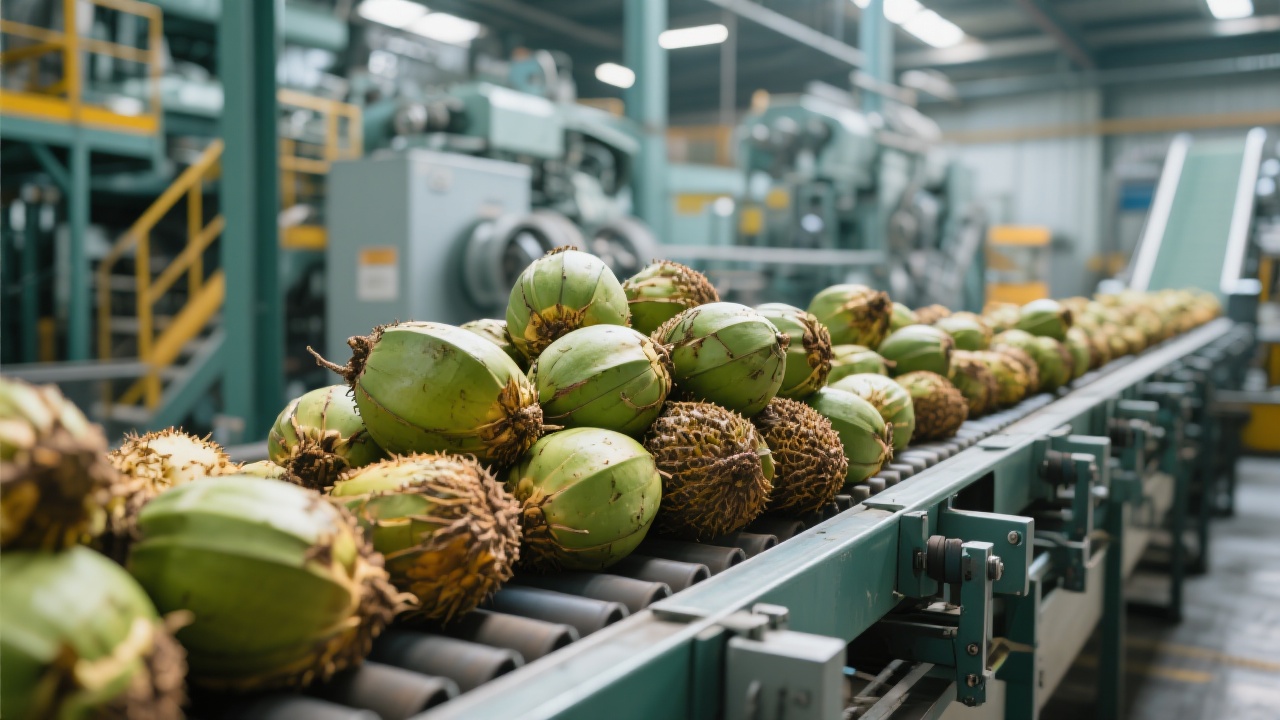
When choosing between cold pressing and solvent extraction, B2B edible oil manufacturers need to consider their production capacity, target market, and long - term business goals. The right process can enhance product quality, reduce costs, and ultimately increase market competitiveness.
If you're interested in learning more about the complete rapeseed oil extraction process guide, which includes detailed technical specifications, maintenance tips, and more, click here to access the full guide. It's a valuable resource that can help you optimize your production process and take your business to the next level.
We encourage you to leave your questions in the comments section below. Our experts will be happy to provide further insights and guidance.


.png?x-oss-process=image/resize,h_100,m_lfit/format,webp)
.png?x-oss-process=image/resize,h_100,m_lfit/format,webp)
.png?x-oss-process=image/resize,h_100,m_lfit/format,webp)