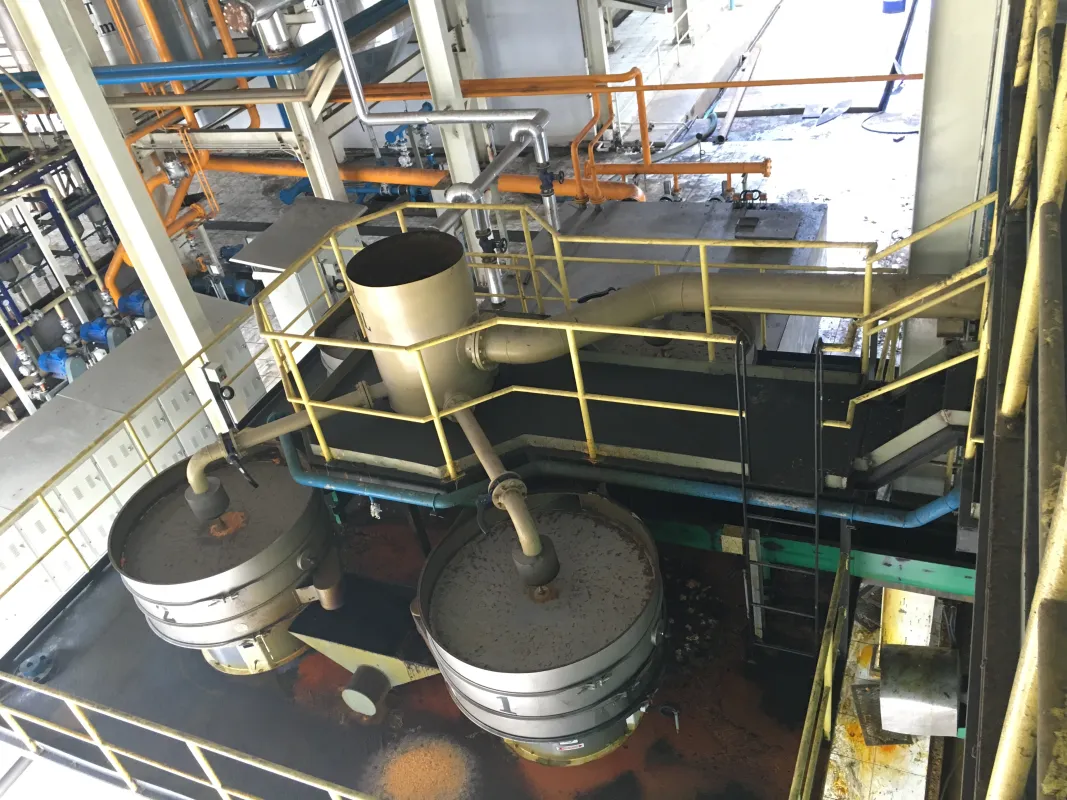
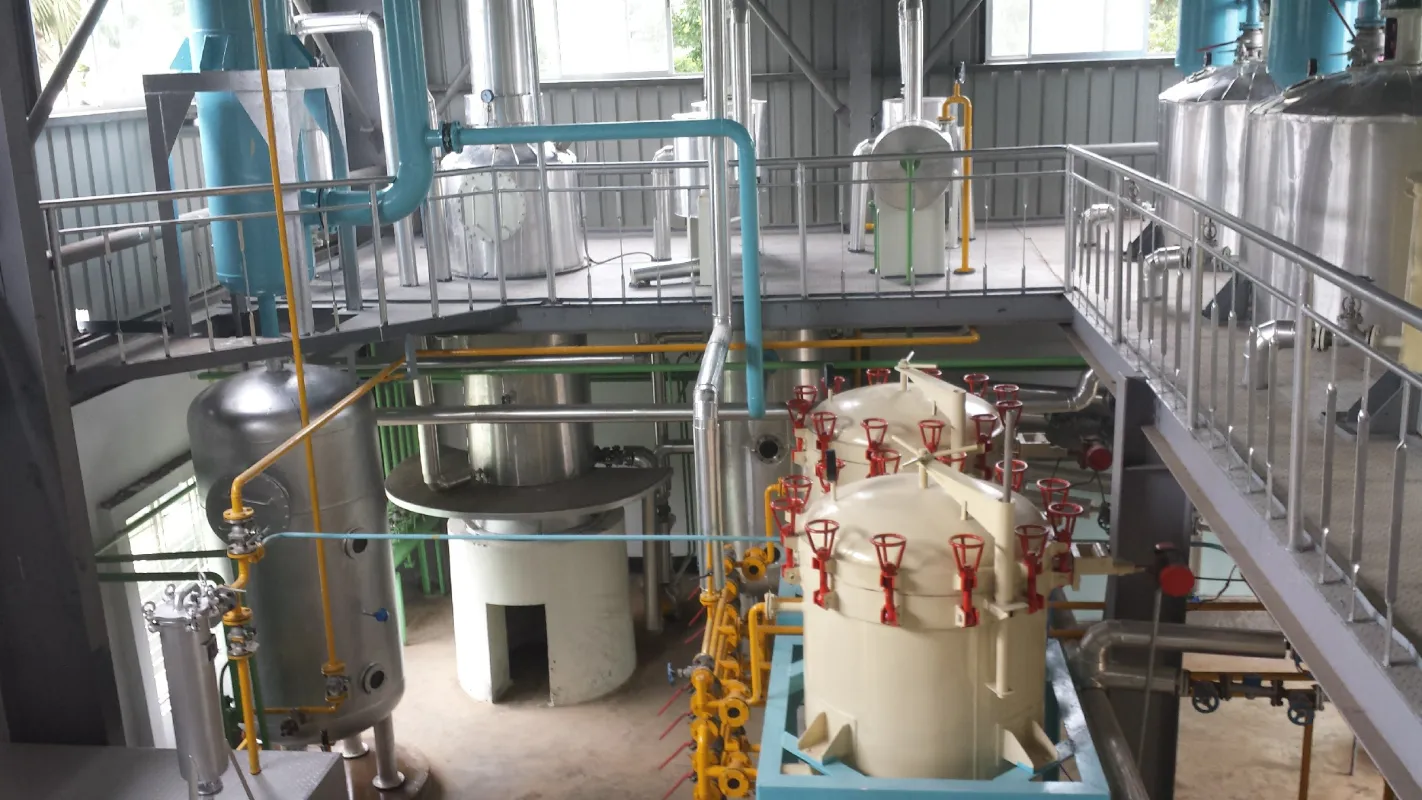
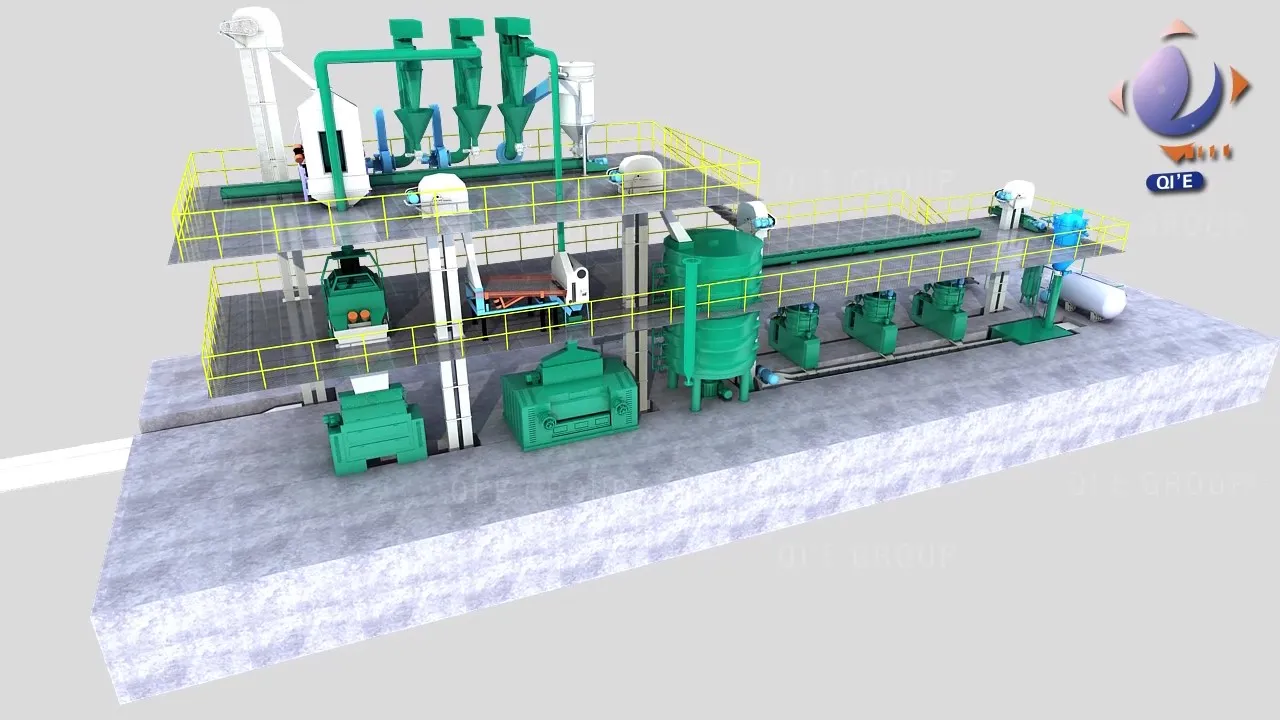
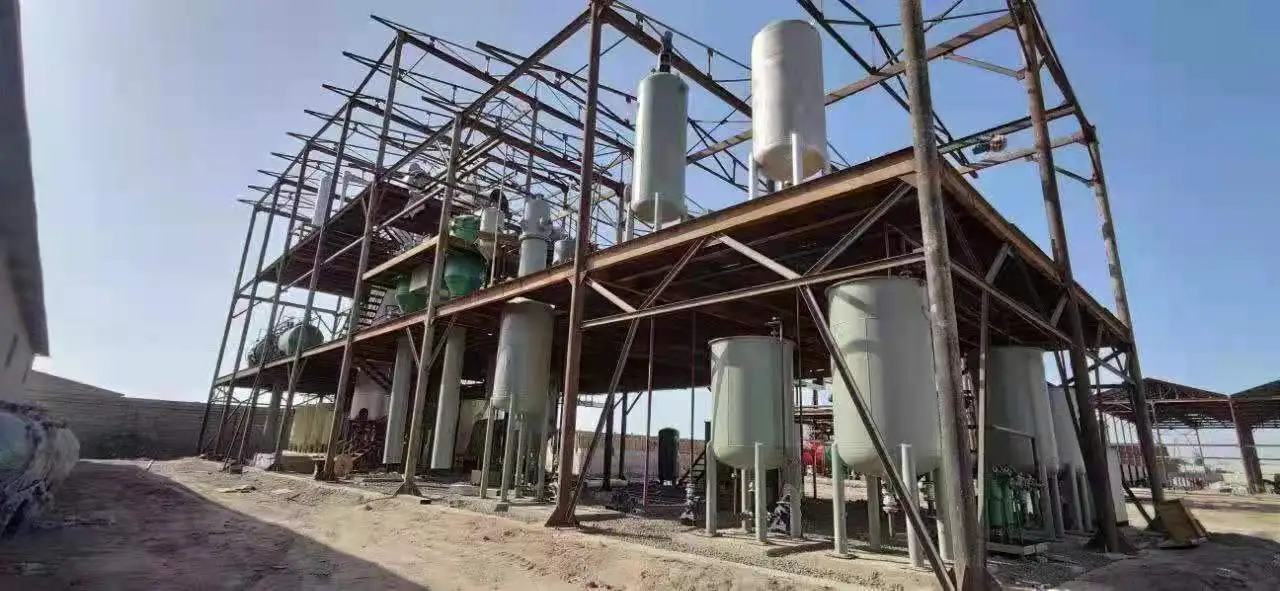
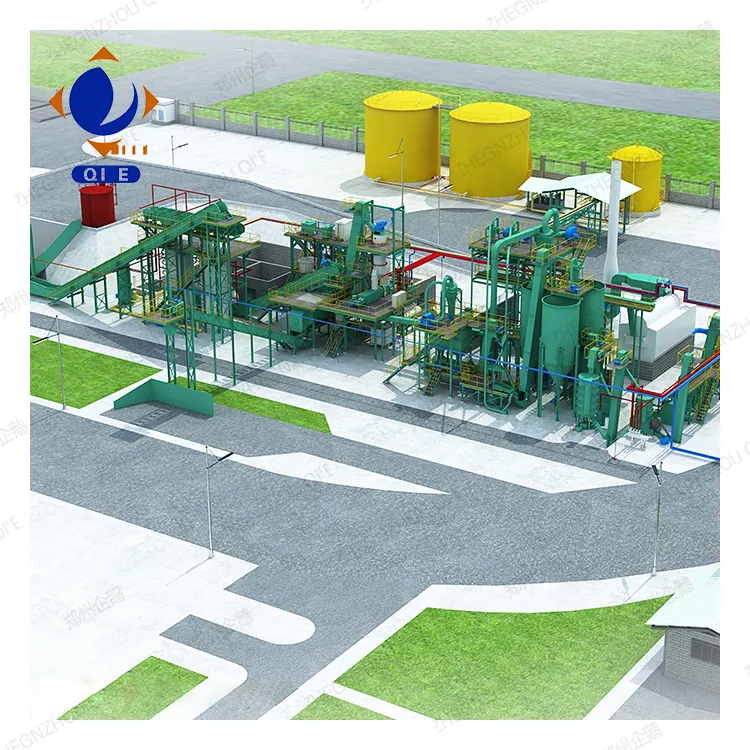
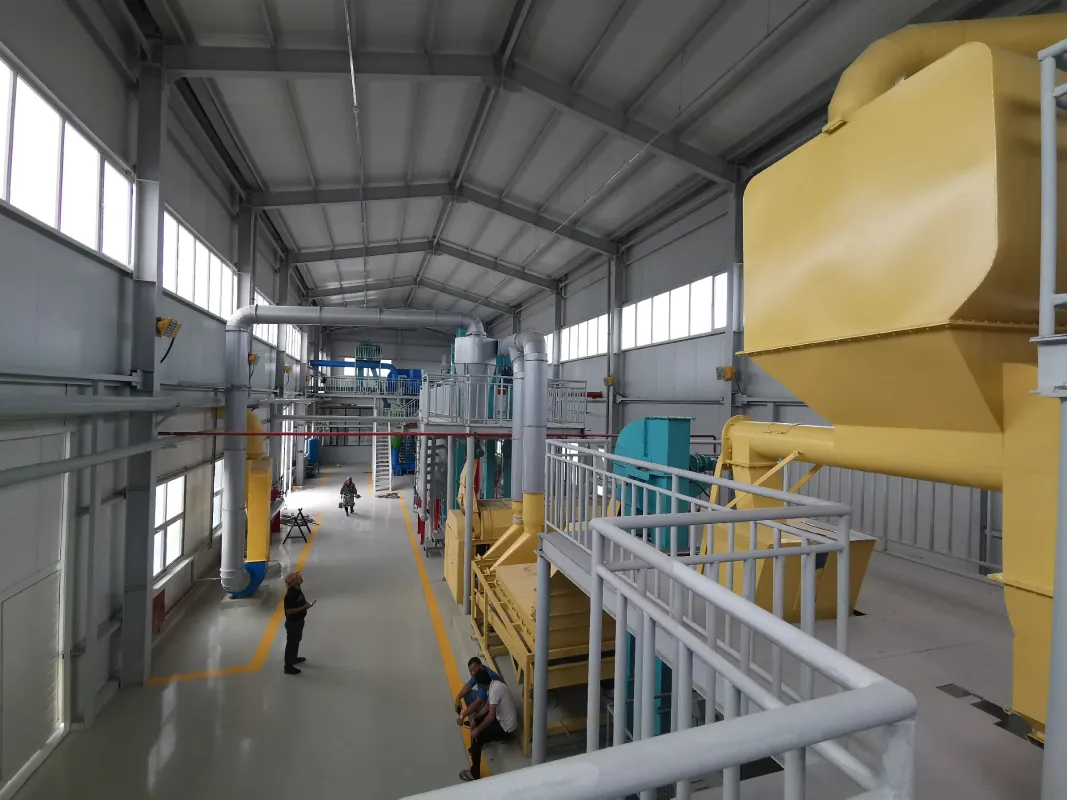
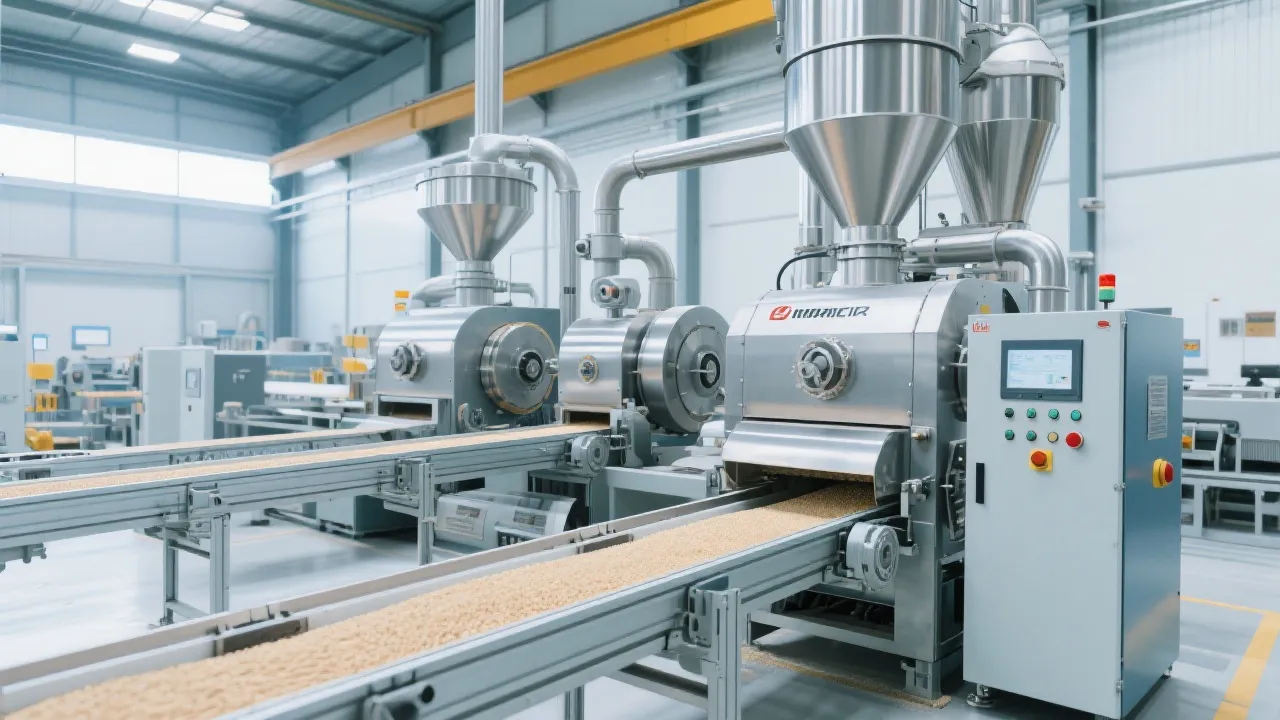
In today’s competitive edible oil industry, new manufacturers face daunting challenges—from tight investment budgets to the need for rapid production ramp-up while assuring product quality that meets international benchmarks. Addressing these pain points, QIE Group’s modular, fully automated rapeseed oil production line offers a flexible, scalable solution optimized for capacities between 5 and 50 tons per day.
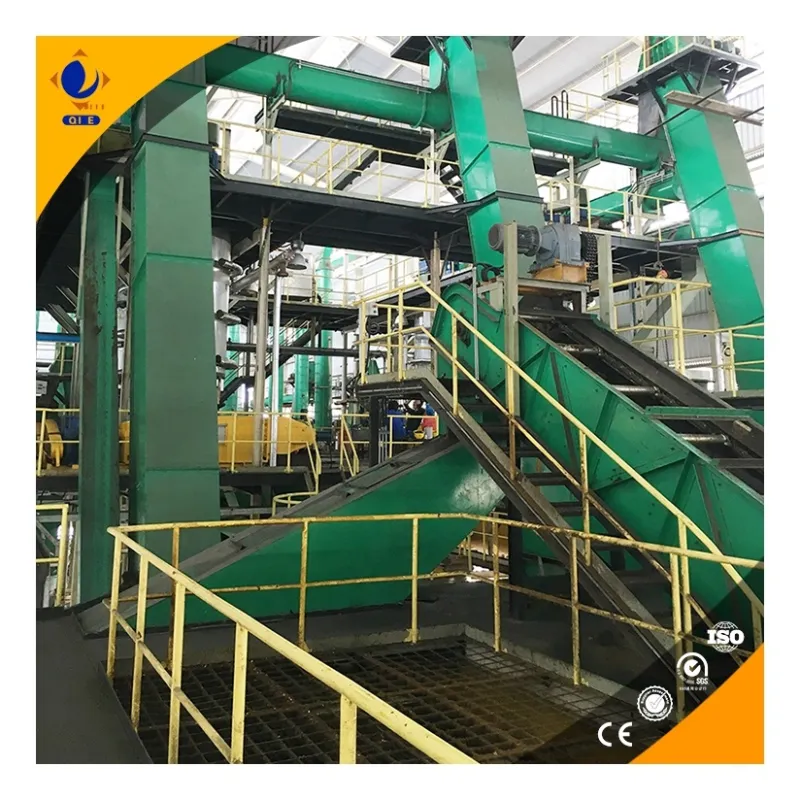
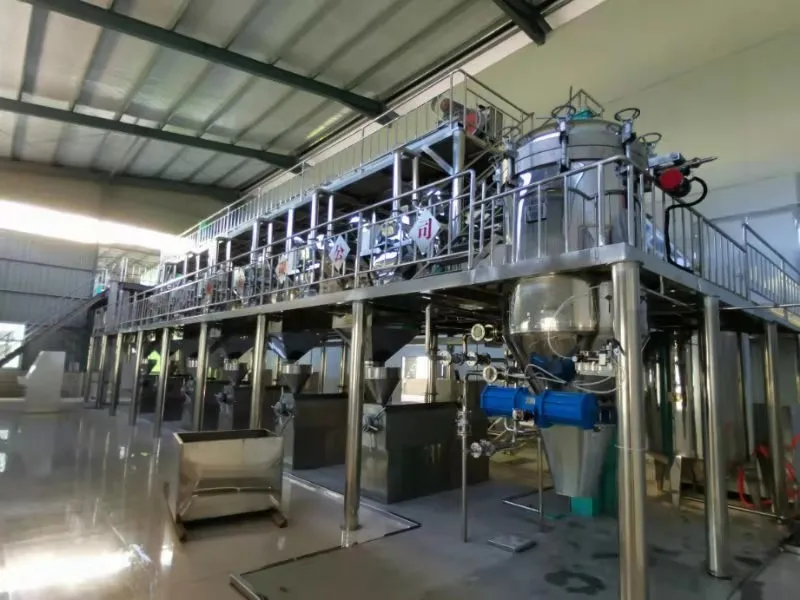
Unlike traditional fixed production lines, modular systems break down the entire oil extraction and refining process into distinct, self-contained units — including pretreatment, pressing, degumming, decolorization, and deodorization. These modules can be combined and configured based on specific production requirements and raw material characteristics, enabling businesses to easily scale operations or adapt workflows.
This flexibility reduces capital expenditure risks by allowing phased investments, shortens commissioning cycles by up to 30% compared with conventional lines, and improves operational efficiency. For instance, a typical 20 tons/day line can be operational within 60 days post-installation, supported by QIE Group’s standardized assembly procedures and trained technical teams.
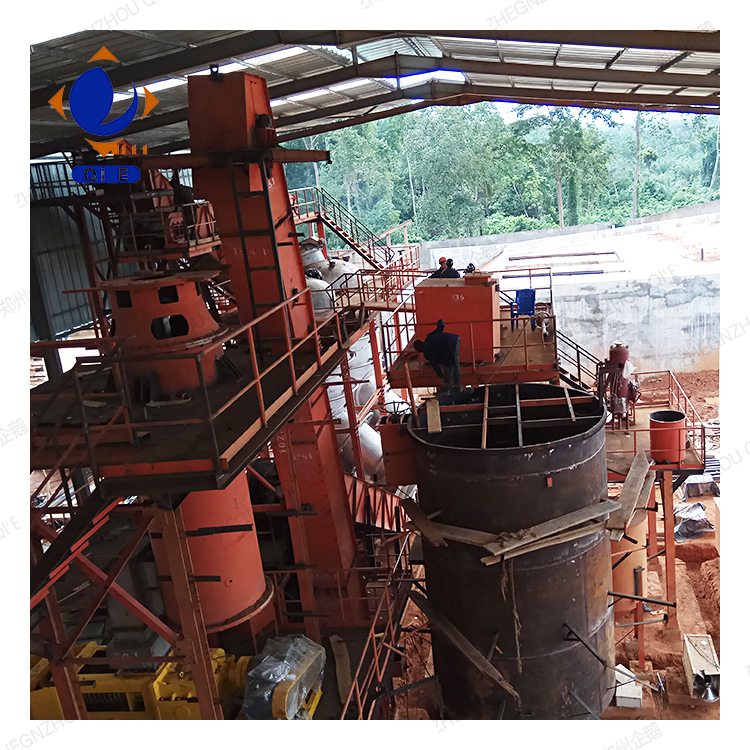
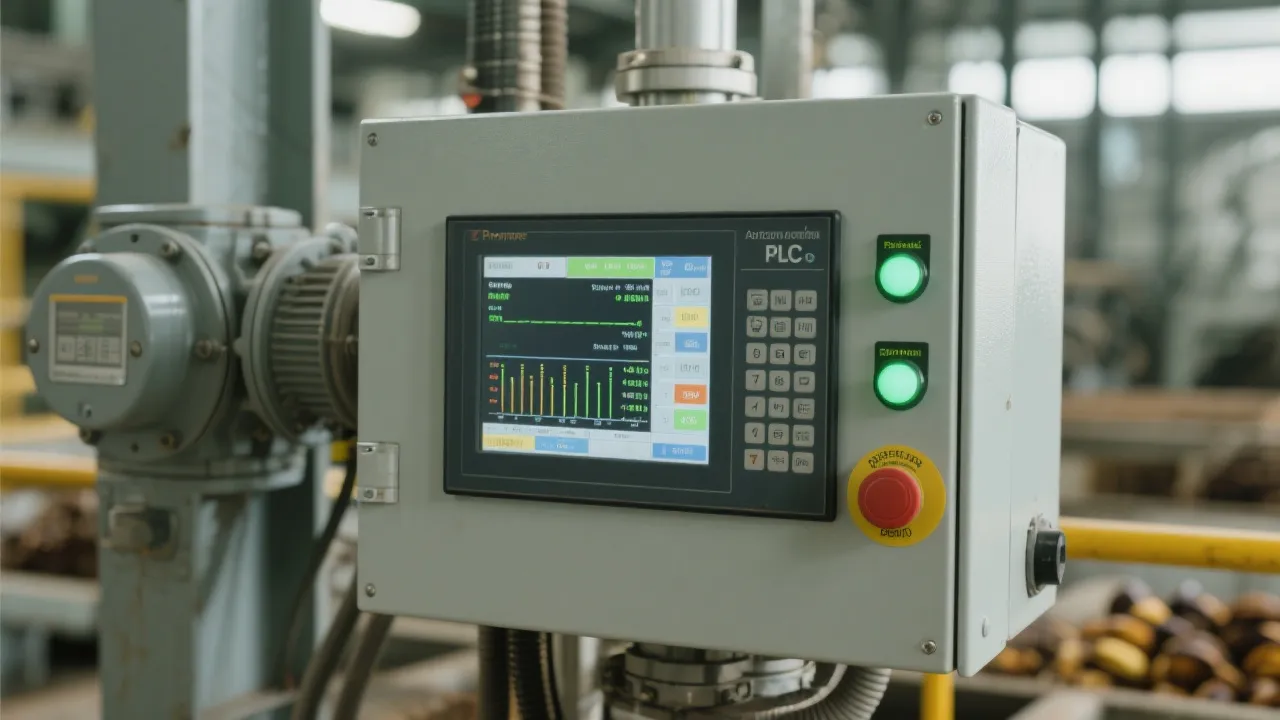
Raw rapeseed properties vary by region — moisture levels, oil content, and impurity types differ significantly, impacting extraction efficiency and oil quality. The QIE Group’s solution integrates smart process control algorithms that automatically adjust temperature, pressure, and retention times for each unit operation, ensuring maximum yield and compliance with standards such as ISO 22000 for food safety.
For example, in regions with higher seed moisture, pretreatment modules apply enhanced drying cycles, optimizing the subsequent pressing process to achieve oil extraction rates exceeding 38%, aligned with global top-tier production benchmarks. This adaptability is critical for multinational operations leveraging diverse supply chains.
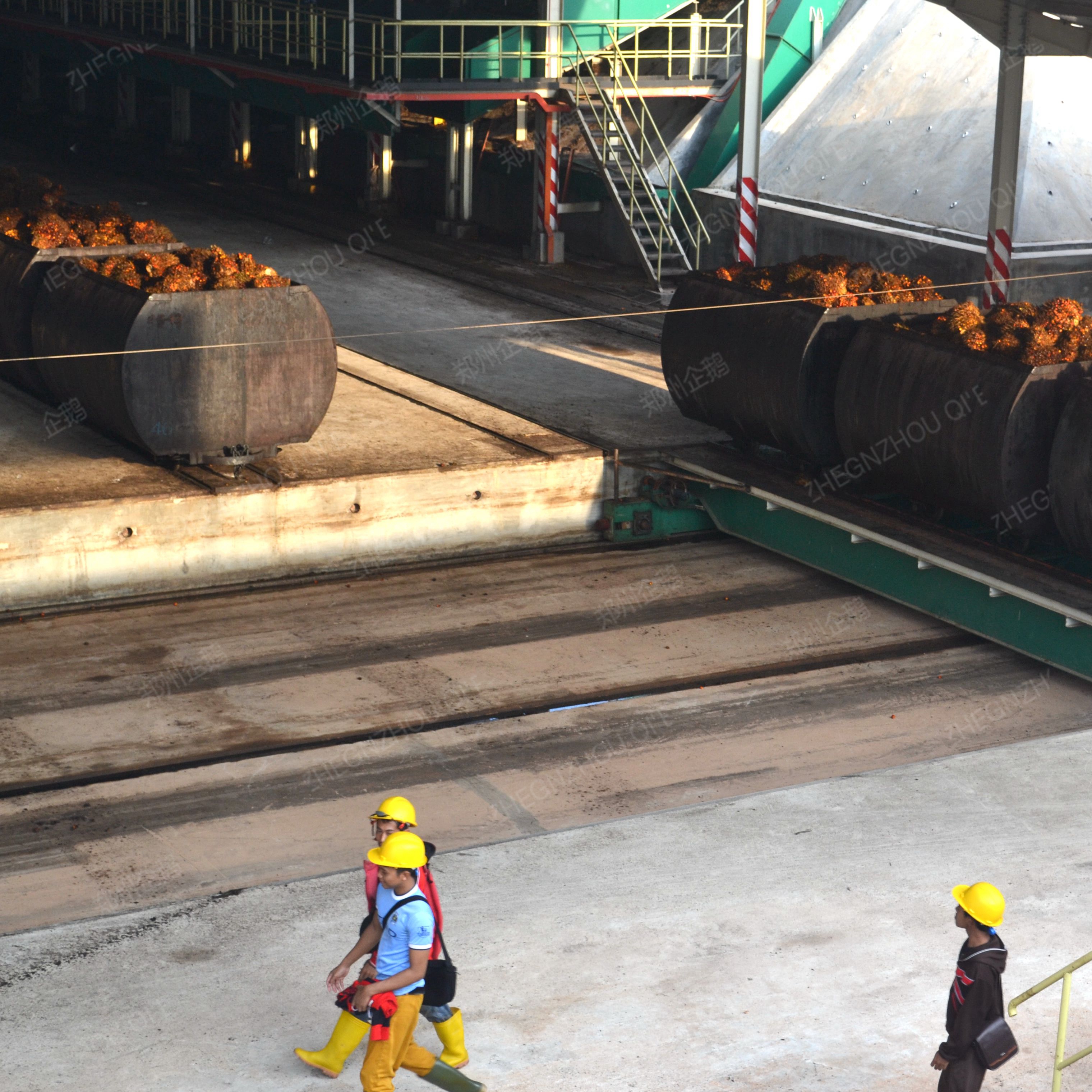
Beyond equipment, QIE Group offers a full ecosystem—detailed standard operating procedures (SOPs), hands-on technical training, and responsive after-sales support—that ensures clients rapidly achieve stable, high-quality production outputs. Their proactive service approach reduces typical operational issues during the first 6 months by 40%, based on client feedback.
Additionally, assistance in certification processes such as HACCP and FSSC 22000 expedites market acceptance and buyer confidence for edible oil products. These certifications help buyers verify safety and quality, critical in export-driven business models.
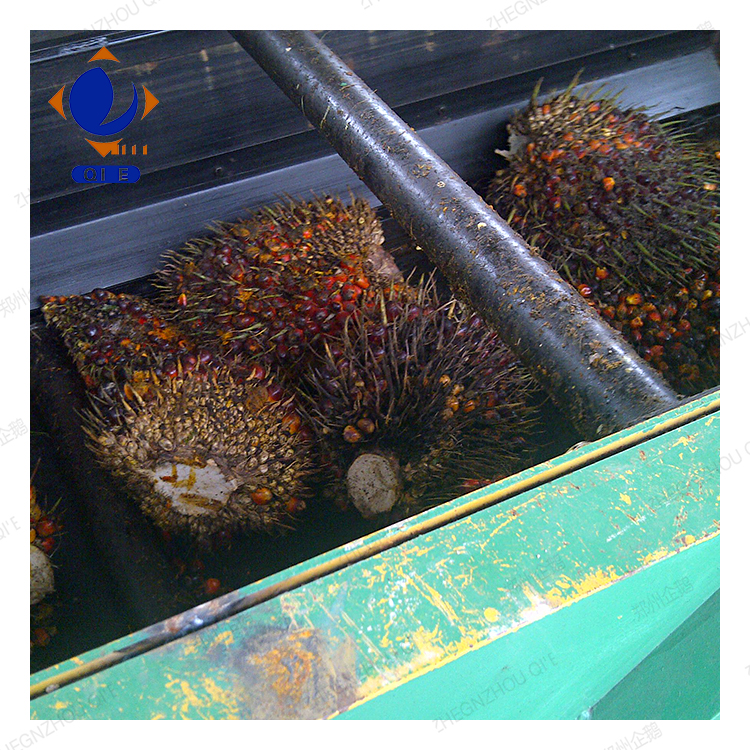
Typically within 45 to 60 days after arrival on site, depending on capacity and configuration complexity.
Based on operational efficiencies and flexible capacity scaling, many clients realize ROI within 18-24 months.
Yes, the production lines and processes are designed to meet ISO 22000, HACCP, and other key certifications, ensuring export-ready quality levels.
 Automated sesame oil production line technology
Advantages of fully enclosed production systems
Environmental and energy-saving grain and oil equipment
Automatic control of sesame oil production lines
Energy-saving design of grain and oil machinery
Sesame oil production line automatic control
PLC parameter tuning
Fault troubleshooting guide
Automation maintenance
Grain and oil processing automation
sesame oil production line automation
PLC control system for food processing
automated oil extraction control
custom automation solutions for food plants
industrial control system optimization
automated control sesame oil production
PLC parameter optimization
sesame oil production troubleshooting
grain and oil processing automation
automated equipment maintenance
Fully automatic sesame oil production line
Automation of grain and oil machinery
Sesame oil production efficiency
Fully enclosed production system
Food safety guarantee
Automated sesame oil production line technology
Advantages of fully enclosed production systems
Environmental and energy-saving grain and oil equipment
Automatic control of sesame oil production lines
Energy-saving design of grain and oil machinery
Sesame oil production line automatic control
PLC parameter tuning
Fault troubleshooting guide
Automation maintenance
Grain and oil processing automation
sesame oil production line automation
PLC control system for food processing
automated oil extraction control
custom automation solutions for food plants
industrial control system optimization
automated control sesame oil production
PLC parameter optimization
sesame oil production troubleshooting
grain and oil processing automation
automated equipment maintenance
Fully automatic sesame oil production line
Automation of grain and oil machinery
Sesame oil production efficiency
Fully enclosed production system
Food safety guarantee

.jpg?x-oss-process=image/resize,h_800,m_lfit/format,webp)


.png?x-oss-process=image/resize,h_100,m_lfit/format,webp)
.png?x-oss-process=image/resize,h_100,m_lfit/format,webp)
.png?x-oss-process=image/resize,h_100,m_lfit/format,webp)