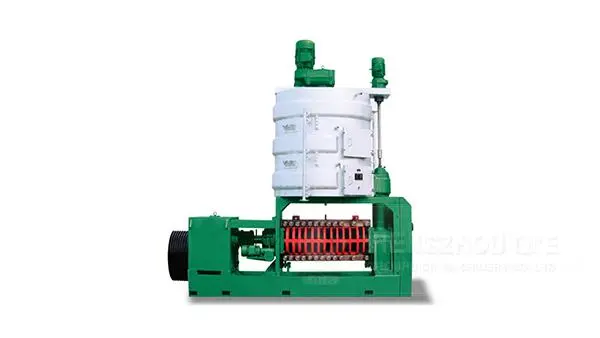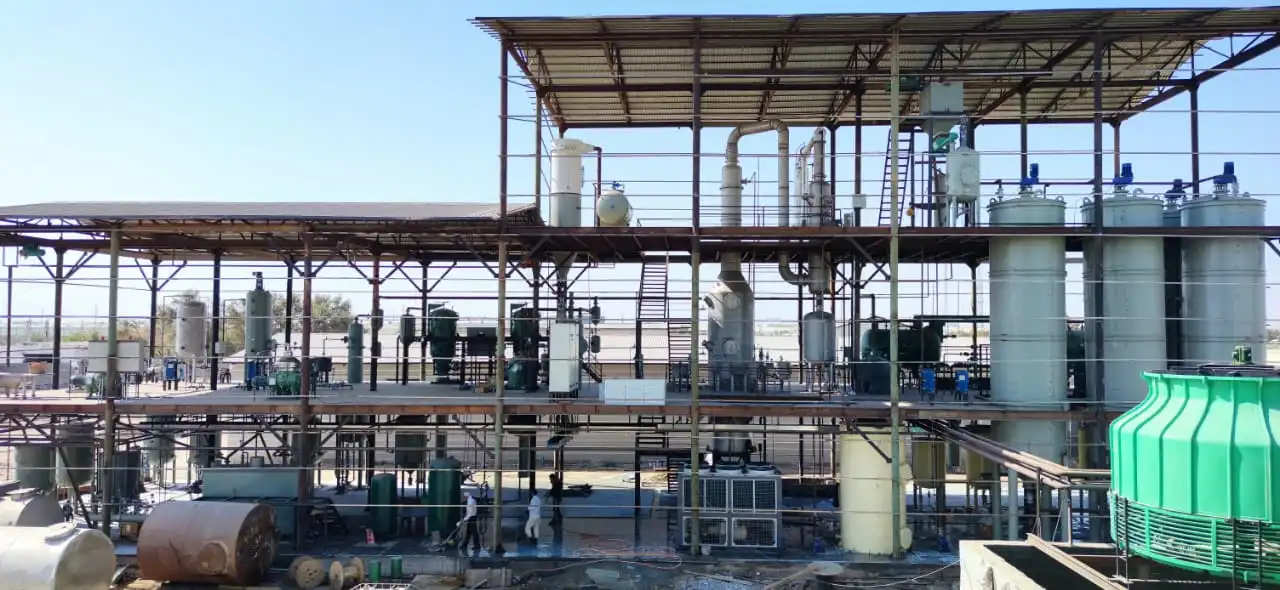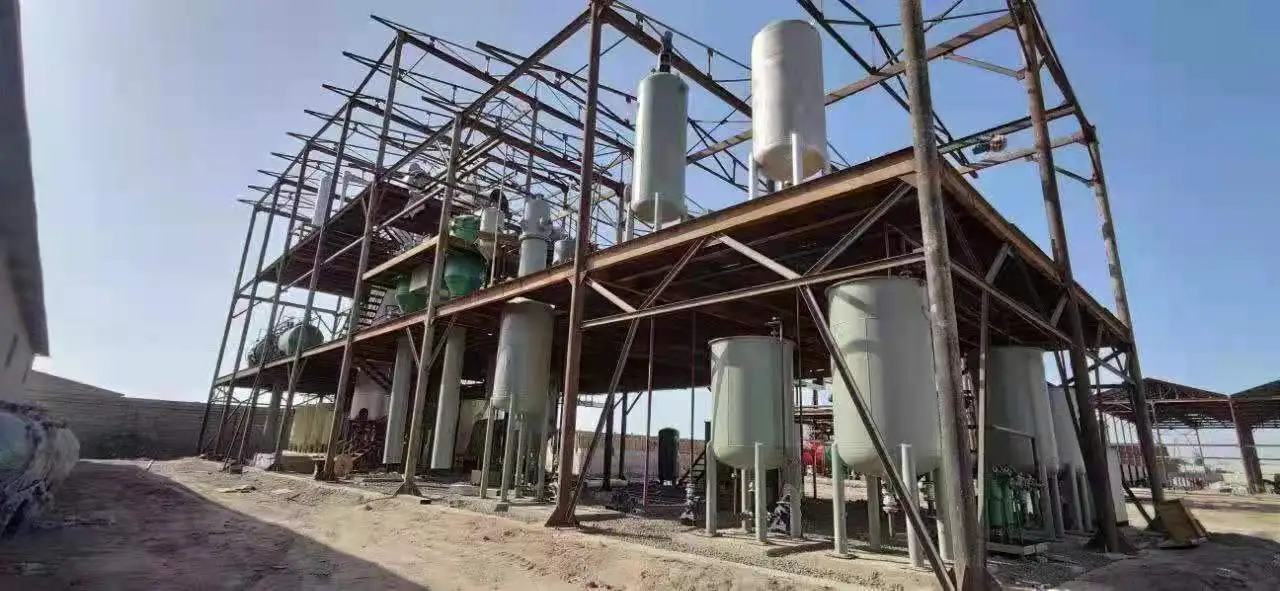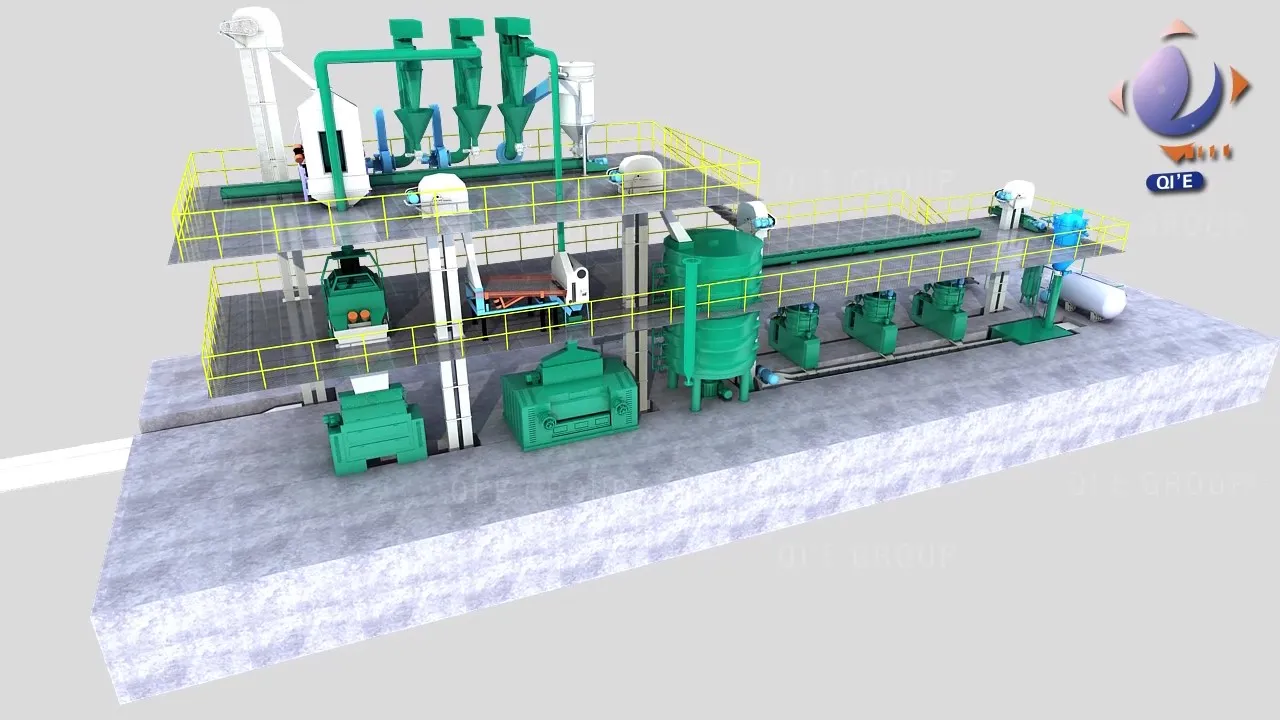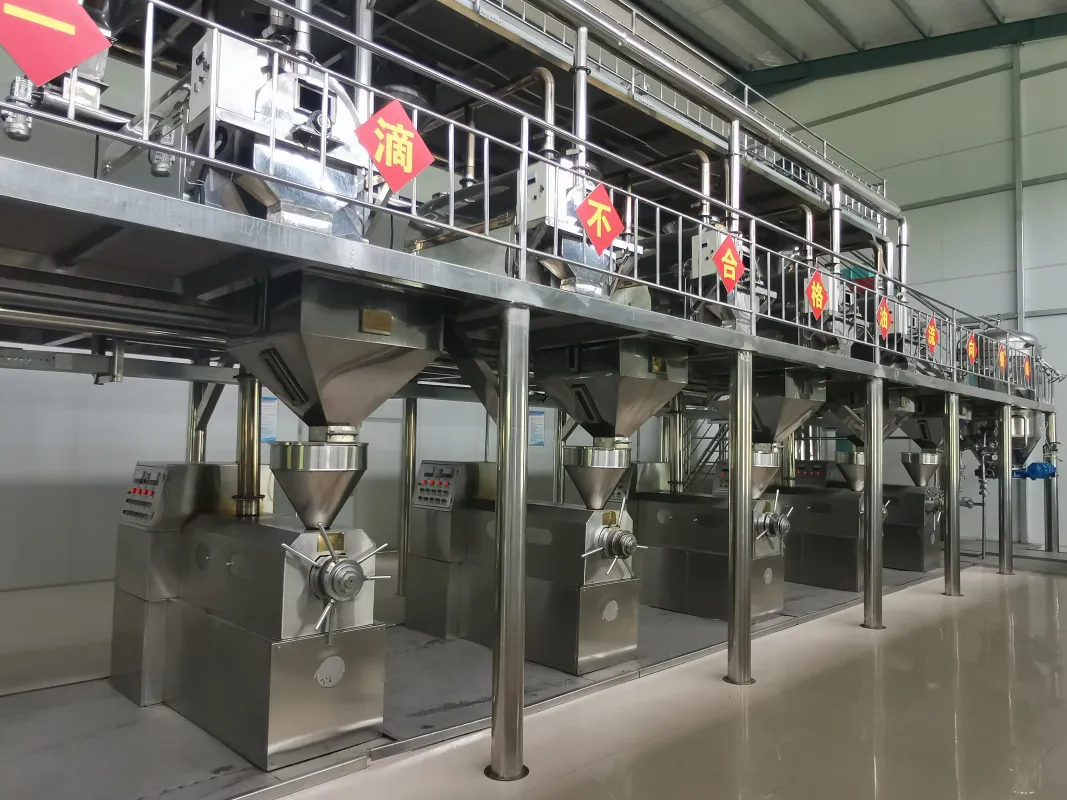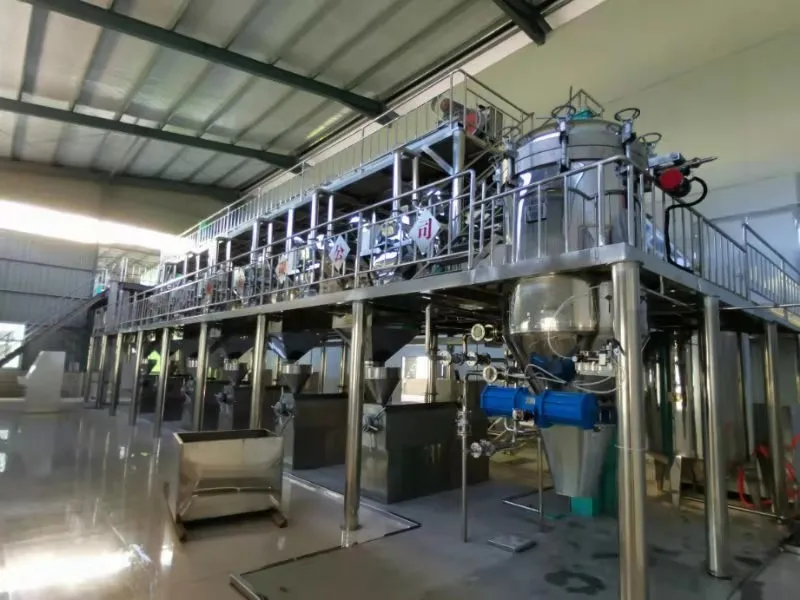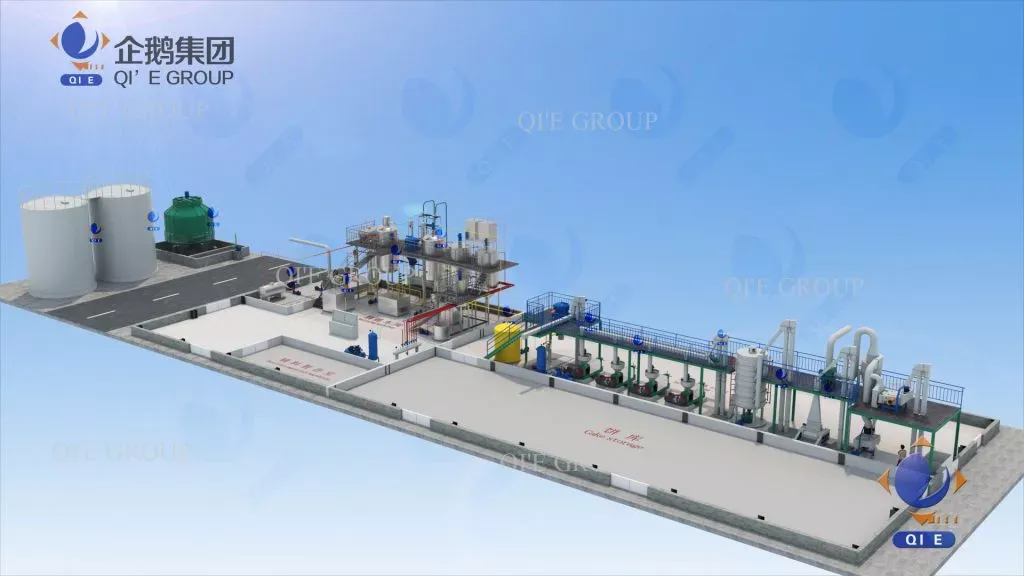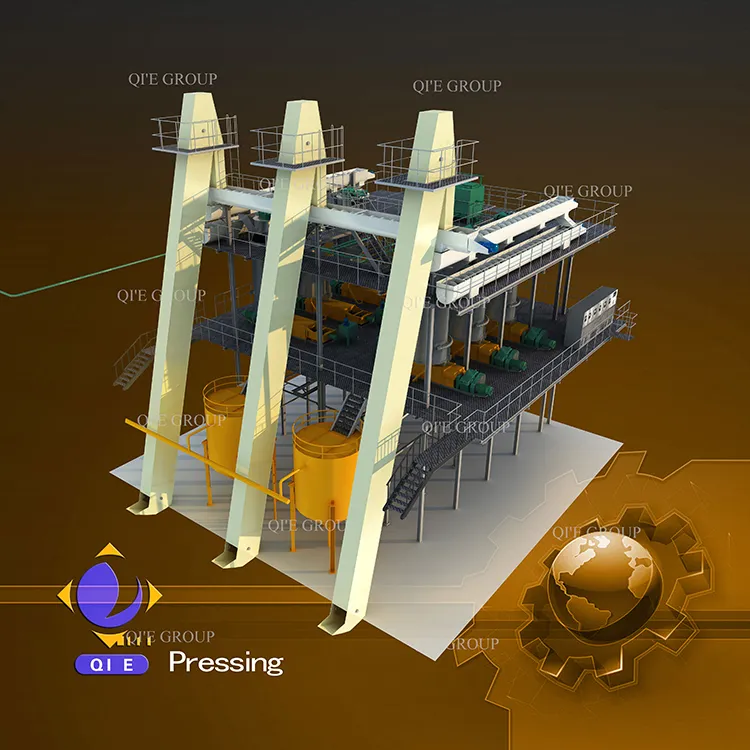
For large-scale edible oil manufacturers, the decision to invest in automated grinding and pressing equipment represents one of the most critical operational choices affecting long-term profitability. In an industry where margins often hinge on efficiency gains of just a few percentage points, the consequences of choosing suboptimal equipment extend far beyond initial capital expenditure—impacting everything from daily production volumes to product quality and regulatory compliance.
Many粮油 processing facilities face recurring challenges that stem directly from equipment limitations. A recent industry survey revealed that facilities using conventional pressing equipment experience an average of 18 unplanned downtime incidents annually, resulting in production losses exceeding $120,000 per occurrence for mid-sized operations. These disruptions often trace back to two fundamental issues: material degradation and mechanical instability.
Industry Insight:
According to the International Association of Food Processing Technology, corrosion-related equipment failures account for 34% of all production interruptions in edible oil processing facilities, with stainless steel 304/316 equipment showing 72% fewer corrosion incidents compared to carbon steel alternatives.
The chemical composition of edible oils—particularly during the extraction and refining processes—creates a highly corrosive environment. Vegetable oils contain free fatty acids, moisture, and various organic compounds that gradually degrade standard metals. This degradation not only shortens equipment lifespan but also introduces contamination risks that compromise food safety standards.

Stainless steel 304 and 316 alloys have emerged as industry standards for critical components. The 18-8 chromium-nickel composition of 304 stainless steel provides excellent general corrosion resistance, while 316 adds molybdenum for enhanced protection against pitting corrosion in chloride-rich environments. Facilities utilizing these materials report equipment lifespans averaging 12-15 years, compared to 5-7 years for carbon steel alternatives—a difference that dramatically impacts total cost of ownership.
Beyond material selection, mechanical stability directly influences production efficiency and output quality. Modern automated pressing systems incorporate advanced control algorithms that maintain precise pressure, temperature, and feed rates—factors that significantly affect oil extraction yields. A variance of just 2% in pressing pressure can result in a 1.5-2% reduction in oil yield, representing substantial revenue loss over time.
| Performance Metric | Traditional Systems | Modern Automated Systems | Improvement |
|---|---|---|---|
| Average Oil Extraction Rate | 88-90% | 94-96% | +5-7% |
| Energy Consumption (kWh/ton) | 125-140 | 90-105 | -25-30% |
| Operator Requirement per Line | 5-6 personnel | 2-3 personnel | -50-60% |
| Mean Time Between Failures | 450-550 hours | 1,200-1,500 hours | +150-170% |
While material selection and mechanical design form the foundation of reliable equipment, true operational excellence emerges from system integration. Modern automated lines incorporate sophisticated sensor networks that continuously monitor critical parameters, adjusting operations in real-time to maintain optimal performance. This level of integration not only maximizes extraction efficiency but also provides valuable production data for continuous improvement.
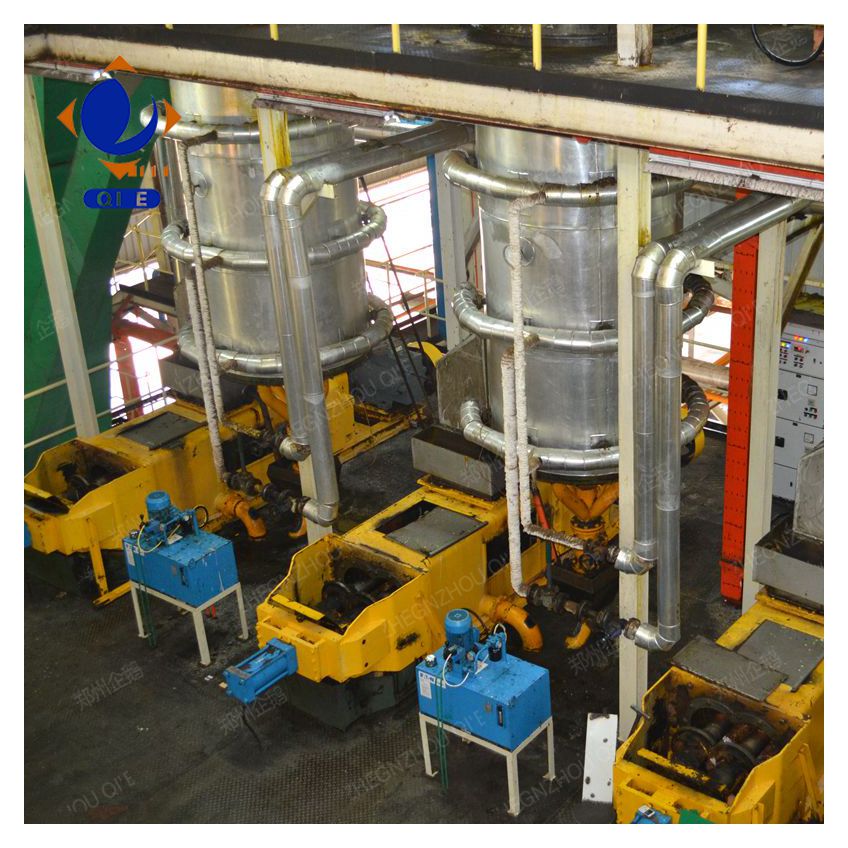
Consider the case of a Ukrainian sunflower oil processor that upgraded to an integrated automated system. By implementing precision feeding mechanisms, variable speed control, and advanced filtration, the facility increased daily production from 450 tons to 500 tons while reducing energy consumption by 28%. Most significantly, the consistent extraction process improved oil yield by 8%, translating to an additional $1.2 million in annual revenue based on current market prices.
Even the most advanced equipment requires proper maintenance and operator training to deliver optimal performance. A comprehensive maintenance program should include scheduled inspections, lubrication protocols, and predictive maintenance based on operational data. Facilities with structured maintenance programs report 35% fewer unexpected breakdowns and 23% longer equipment lifespans compared to those with reactive maintenance approaches.
Operator training is equally crucial. Modern systems incorporate complex control interfaces and require specialized knowledge to operate at peak efficiency. Facilities that invest in comprehensive training programs typically see a 15-20% faster ramp-up to full production capacity and 30% fewer operator-induced errors.

When evaluating automated grinding and pressing equipment, it's essential to look beyond initial cost and consider the total cost of ownership over the equipment's lifespan. A system that costs 15-20% more upfront may deliver returns that offset this investment within 18-24 months through improved efficiency, reduced downtime, and lower maintenance expenses.
Key evaluation criteria should include material specifications, mechanical design features, control system capabilities, maintenance requirements, and supplier support. Reputable suppliers will provide detailed performance data, reference sites, and comprehensive after-sales support—all critical factors in ensuring your investment delivers maximum value.
Download our comprehensive Pressing Line Maintenance Checklist to optimize your equipment performance and extend its operational lifespan.
Get Your Free Maintenance ChecklistFor forward-thinking粮油 processors, the transition to advanced automated equipment represents more than a production upgrade—it's a strategic investment in long-term competitiveness. By prioritizing material quality, mechanical stability, and system integration, you can establish a production foundation that delivers consistent performance, maximizes yield, and ensures regulatory compliance. In an industry where operational excellence determines market leadership, the right equipment decisions today will shape your success for years to come.
 Automated sesame oil production line technology
Advantages of fully enclosed production systems
Environmental and energy-saving grain and oil equipment
Automatic control of sesame oil production lines
Energy-saving design of grain and oil machinery
Modular rapeseed oil production line
Edible oil production line construction
Rapid production
Flexible capacity configuration
Fully automatic edible oil equipment
Sesame oil production line automatic control
PLC parameter tuning
Automation equipment maintenance
Fault troubleshooting manual
Preventive maintenance checklist
modular canola oil production line
edible oil manufacturing setup
fast track oil plant commissioning
scalable oil processing equipment
process optimization in oil refining
automated sesame oil production
fully enclosed production system
energy-efficient grain and oil machinery
automated sesame oil filling technology
eco-friendly sesame oil processing
Automated sesame oil production line technology
Advantages of fully enclosed production systems
Environmental and energy-saving grain and oil equipment
Automatic control of sesame oil production lines
Energy-saving design of grain and oil machinery
Modular rapeseed oil production line
Edible oil production line construction
Rapid production
Flexible capacity configuration
Fully automatic edible oil equipment
Sesame oil production line automatic control
PLC parameter tuning
Automation equipment maintenance
Fault troubleshooting manual
Preventive maintenance checklist
modular canola oil production line
edible oil manufacturing setup
fast track oil plant commissioning
scalable oil processing equipment
process optimization in oil refining
automated sesame oil production
fully enclosed production system
energy-efficient grain and oil machinery
automated sesame oil filling technology
eco-friendly sesame oil processing


.png?x-oss-process=image/resize,h_100,m_lfit/format,webp)
.png?x-oss-process=image/resize,h_100,m_lfit/format,webp)
.png?x-oss-process=image/resize,h_100,m_lfit/format,webp)