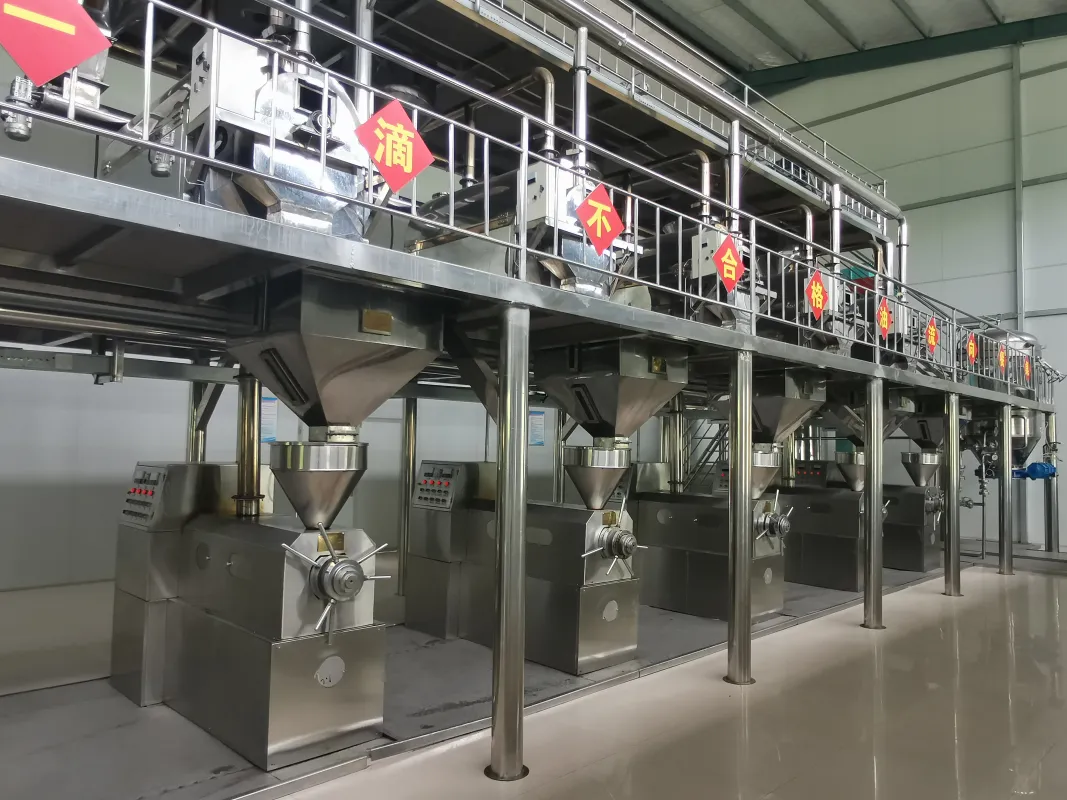
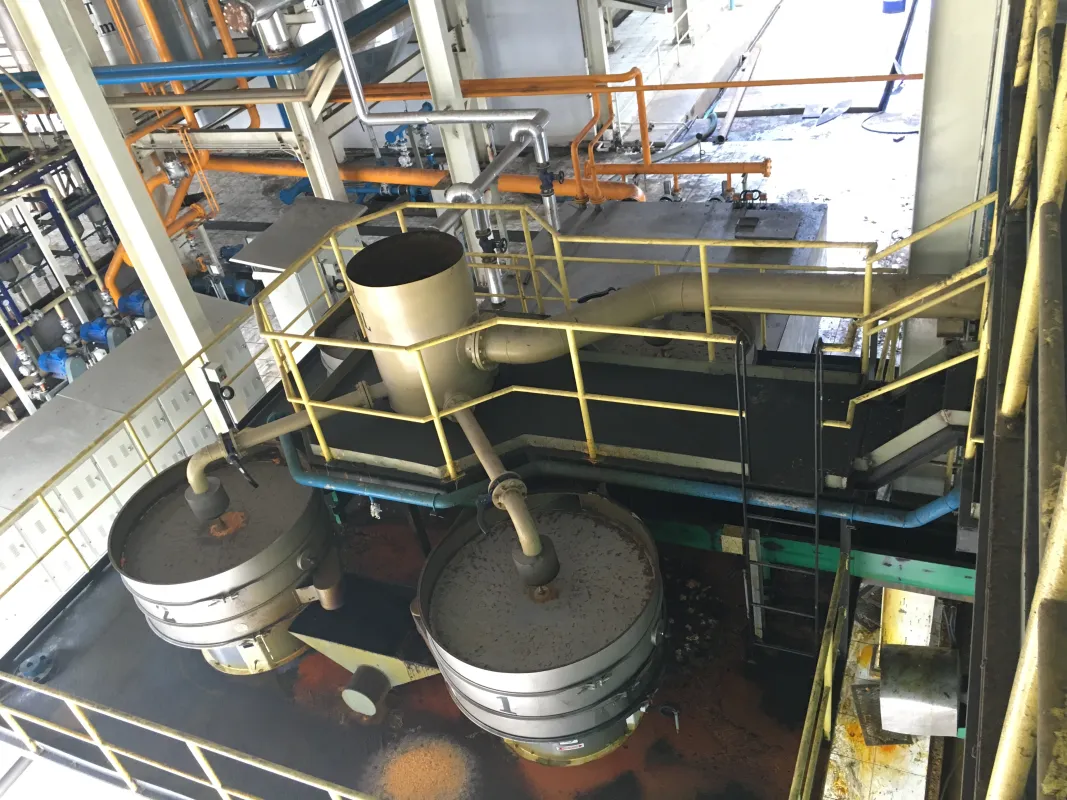
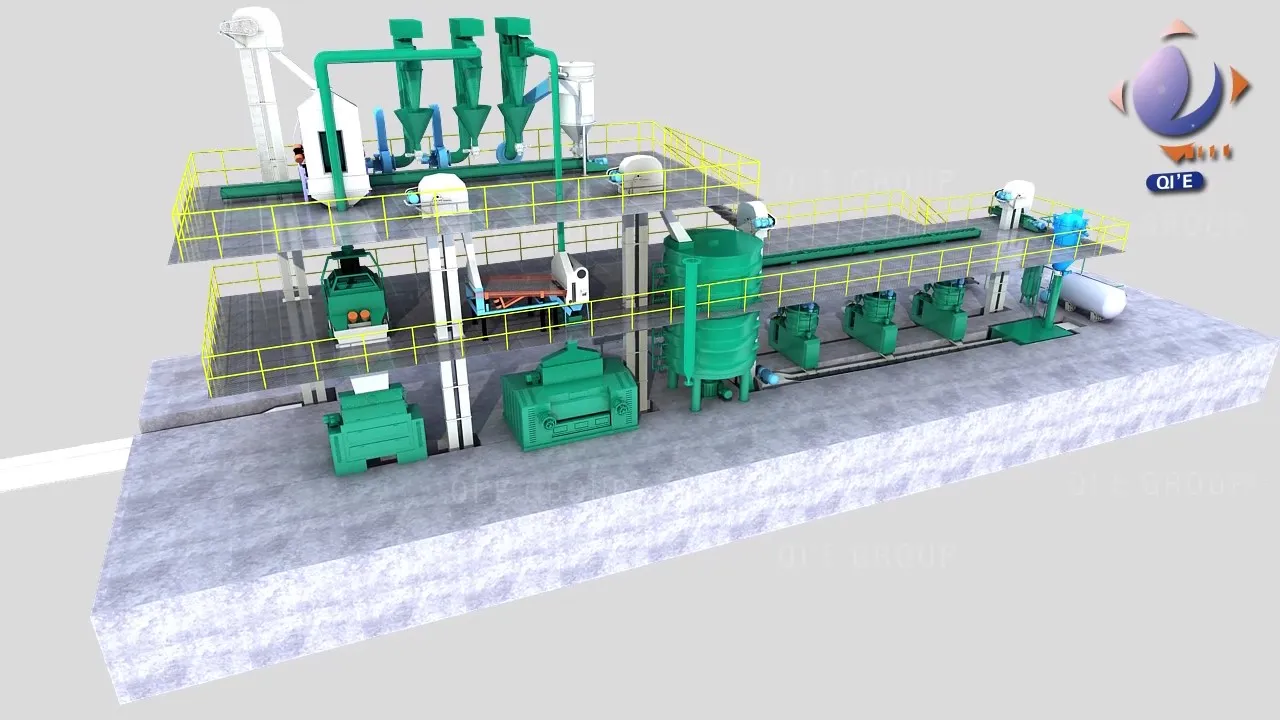
Selecting the right oil processing line equipment is a key step in building a stable, efficient, and scalable grain and oil project. For buyers planning oil pressing, solvent extraction, or edible oil refining projects, the equipment configuration should match the raw materials, target capacity, automation level, energy use, and final product requirements.
At Qi'e Grain and Oil Machinery Co., Ltd., we focus on oil processing line solutions that support end-to-end project planning—from process matching and line integration to installation and technical service. Our equipment portfolio includes oil pressing equipment, vegetable oil solvent extraction equipment, and edible oil refining systems, helping customers build production lines that are practical, efficient, and suitable for long-term operation.
An oil production line is not a single machine. It is a coordinated system of process stages designed to convert seeds, nuts, or fruit materials into refined edible oil. Depending on the raw material and project goals, the line may include preparation, extraction, refining, and packaging sections.
This structured approach makes it easier to design a line that meets output targets while maintaining product quality and operational stability.
The right selection depends on your project stage, raw materials, and desired oil quality. Rather than choosing machines individually, it is more effective to evaluate the complete production logic.
Advanced extraction and refining systems are designed to improve oil recovery while maintaining product quality.
Automated systems help reduce manual workload and support stable operation across repeated production cycles.
Modern lines may include solvent recovery and waste handling measures that support cleaner production practices.
With proper configuration, a production line can be adapted to different oil-bearing materials and project requirements.
As a B2B manufacturer serving Asia, Africa, and South America, Qi'e Grain and Oil Machinery Co., Ltd. provides more than equipment supply. We support customers with practical project-oriented services that help align machine selection with production goals.
This guide is especially useful for buyers who are planning a new grain and oil processing line, upgrading an existing plant, or comparing suppliers for equipment such as oil pressing equipment, solvent extraction equipment, and edible oil refining equipment.
If you are evaluating how to balance capacity, automation, energy consumption, and product quality, a complete oil processing line solution can help you make a more informed decision.
With a focus on quality, service, and practical engineering support, Qi'e Grain and Oil Machinery Co., Ltd. continues to provide oil processing line equipment that meets real project needs and supports reliable production in diverse international markets.
 Qi'e Grain and Oil Machinery Co., Ltd. edible oil production line equipment oilseed processing equipment oil pressing machinery edible oil refining equipment
Qi'e Grain and Oil Machinery Co., Ltd. grain and oil machinery production line turnkey oil production line oil pressing equipment edible oil refining B2B procurement
Qi'e Grain and Oil Machinery oil extraction process selection pressing oil production cold press oil machine solvent extraction
Qi'e Grain and Oil Machinery Co., Ltd. overseas grain and oil processing project installation and delivery technical support engineering solution
Qi'e Grain and Oil Machinery Co., Ltd. oil press machine procurement oil production line quotation equipment supplier evaluation after-sales service
Qi'e Grain and Oil Machinery Co., Ltd. edible oil production line equipment oilseed processing equipment oil pressing machinery edible oil refining equipment
Qi'e Grain and Oil Machinery Co., Ltd. grain and oil machinery production line turnkey oil production line oil pressing equipment edible oil refining B2B procurement
Qi'e Grain and Oil Machinery oil extraction process selection pressing oil production cold press oil machine solvent extraction
Qi'e Grain and Oil Machinery Co., Ltd. overseas grain and oil processing project installation and delivery technical support engineering solution
Qi'e Grain and Oil Machinery Co., Ltd. oil press machine procurement oil production line quotation equipment supplier evaluation after-sales service



.png?x-oss-process=image/resize,h_100,m_lfit/format,webp)
.png?x-oss-process=image/resize,h_100,m_lfit/format,webp)
.png?x-oss-process=image/resize,h_100,m_lfit/format,webp)