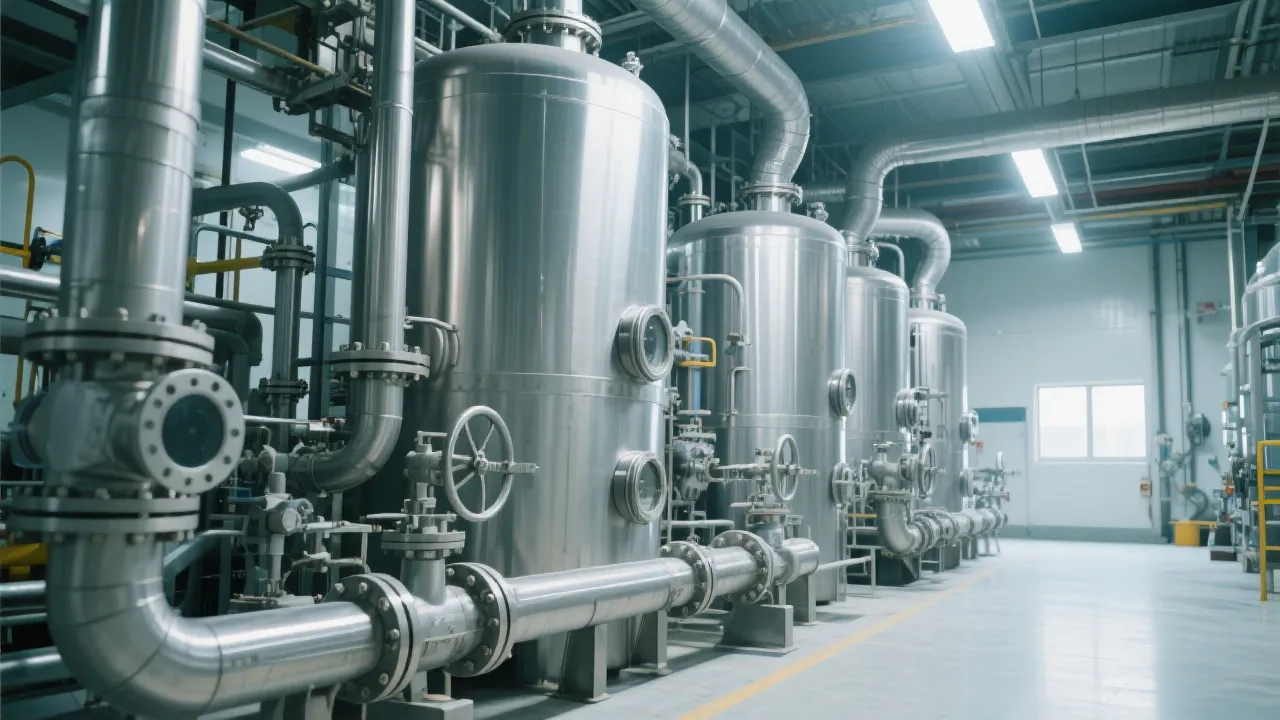
In the palm oil processing industry, unplanned downtime can cost manufacturers an average of $5,000 to $15,000 per hour, according to industry reports. Two of the most persistent issues facing plant operators are filtration system blockages and steam pressure fluctuations, which together account for approximately 62% of all equipment-related production interruptions. This comprehensive guide explores practical strategies to prevent these common failures, drawing on field-tested methodologies and advanced monitoring technologies that have helped leading palm oil producers reduce unplanned downtime by up to 40%.
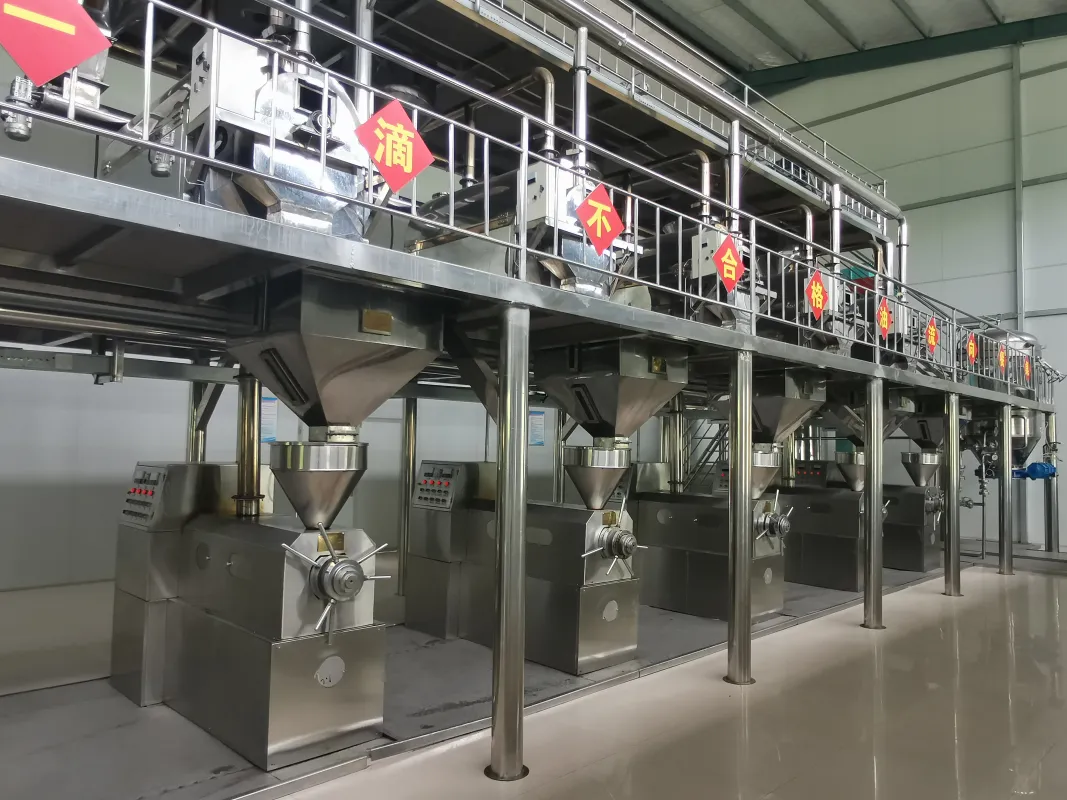
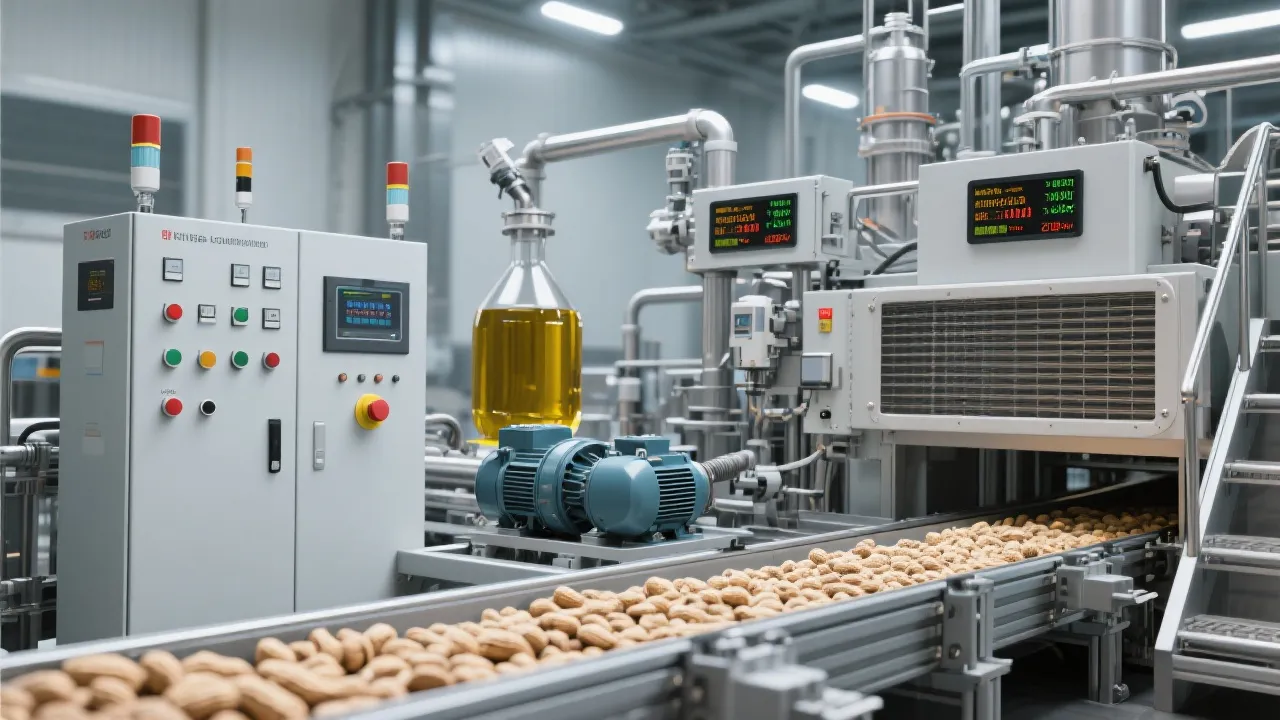
Modern palm oil extraction lines consist of interconnected systems where a single component failure can trigger a cascade of production issues. Filtration systems, responsible for separating crude oil from impurities, and steam generation units, which power various processing stages, represent the most vulnerable points in the production chain.
Industry Insight:
A recent survey of 120 palm oil mills across Southeast Asia revealed that filtration blockages cause an average production loss of 18% during peak processing seasons, while steam pressure inconsistencies result in product quality variations of up to 23%.
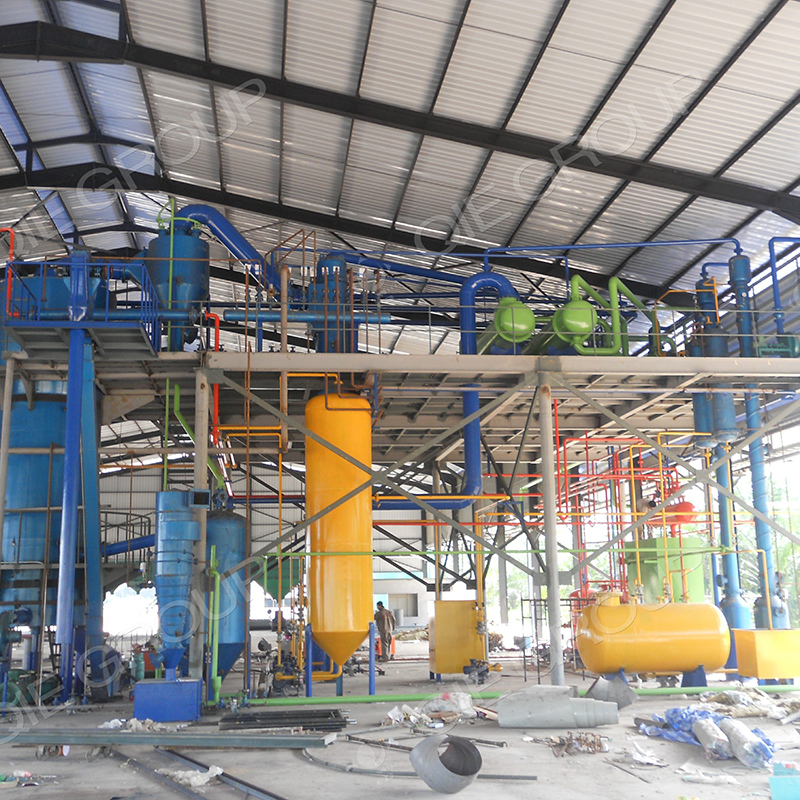
Filtration blockages typically develop gradually, often going unnoticed until they cause significant pressure drops or flow reductions. The primary causes include inadequate pre-filtration, inconsistent feedstock quality, and improper maintenance schedules.
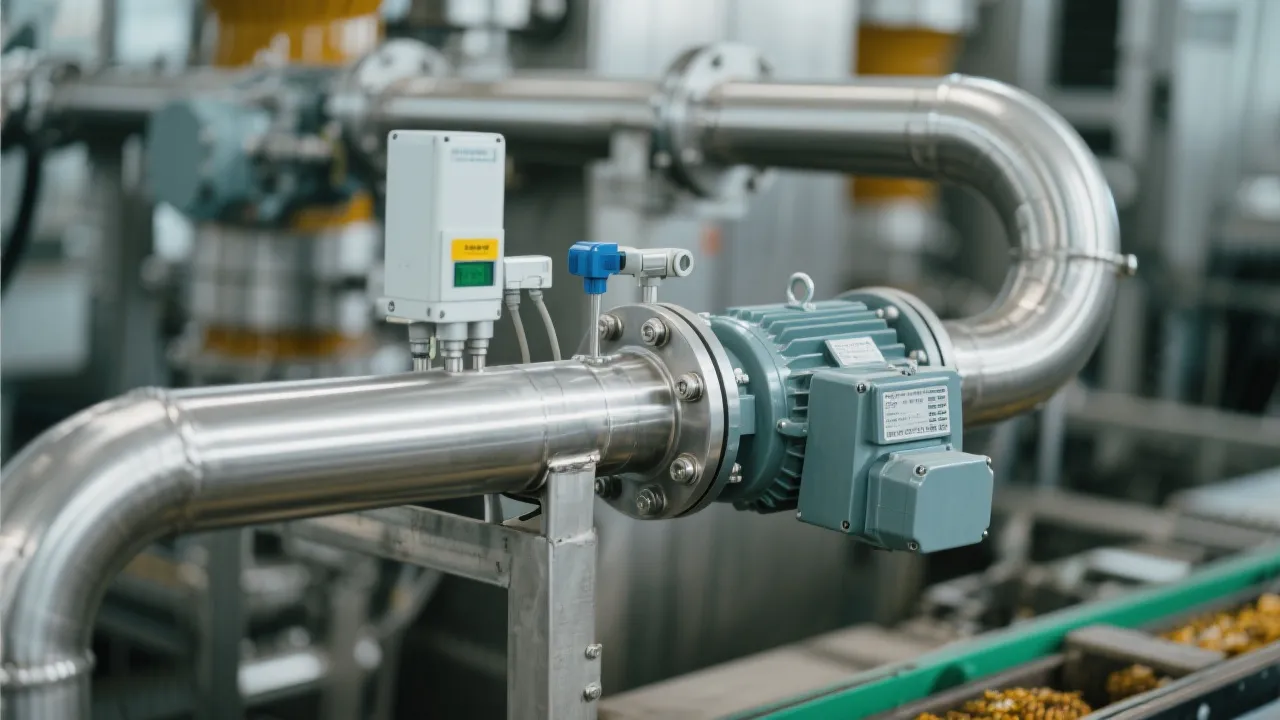
Implementing a proactive monitoring system can detect early warning signs up to 72 hours before a complete blockage occurs. Technologies such as differential pressure sensors and optical particle counters have proven effective in identifying developing issues before they impact production.
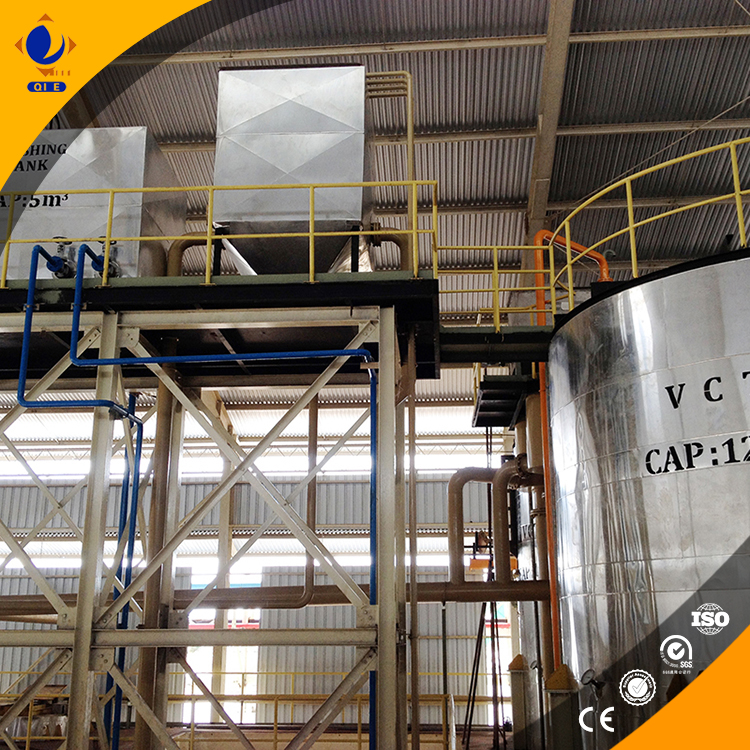
Steam pressure stability is critical for consistent product quality and energy efficiency. Even minor fluctuations (±0.5 bar) can affect oil extraction rates by 8-12% and increase energy consumption by up to 15%. These variations often stem from three primary sources: boiler performance issues, inconsistent fuel quality, and sudden changes in downstream demand.
| Pressure Fluctuation Cause | Detection Method | Preventive Measure |
|---|---|---|
| Boiler scale buildup | Conductivity monitoring | Descaling every 3 months |
| Fuel quality variations | Near-infrared analysis | Blending protocol implementation |
| Demand spikes | Flow rate sensors | Buffer tank installation |
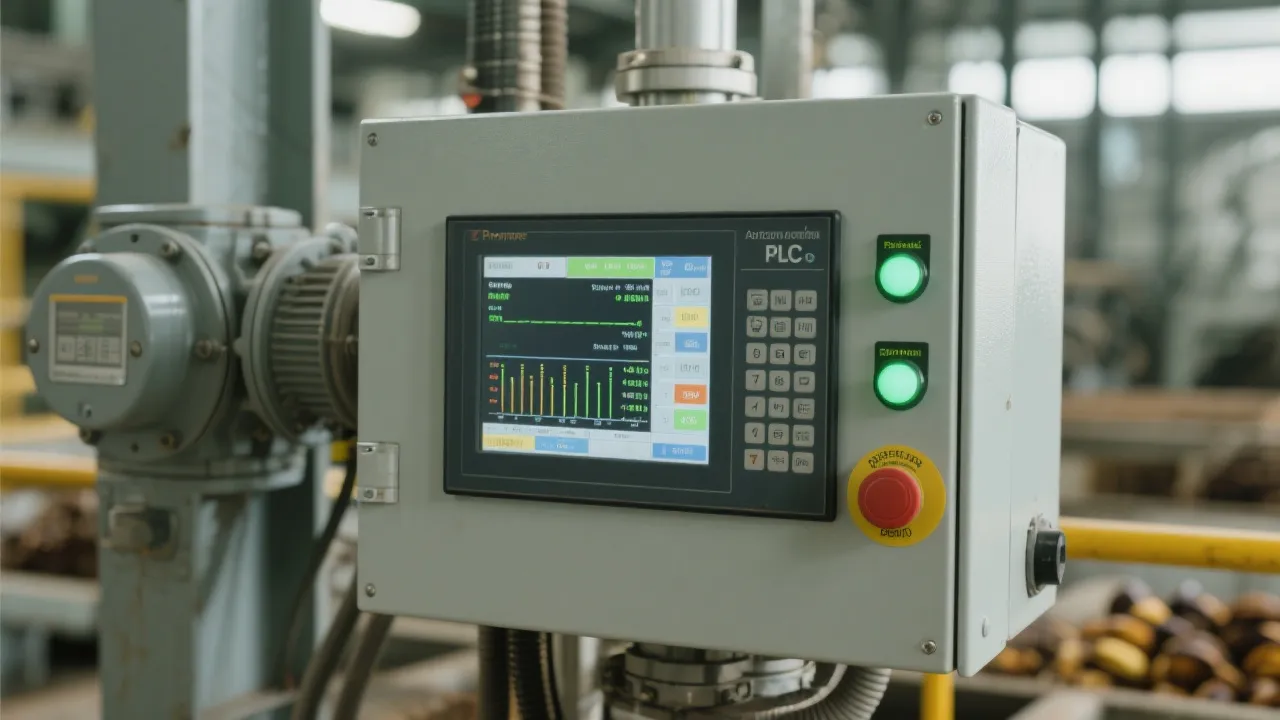
The integration of smart monitoring systems has revolutionized predictive maintenance in palm oil processing. These systems utilize IoT sensors and cloud-based analytics to provide real-time insights into equipment performance, enabling maintenance teams to address issues before they cause downtime.
Remote monitoring technology, when properly implemented, can reduce maintenance costs by 25-30% while extending equipment lifespan by an average of 3-5 years. Leading palm oil producers report achieving ROI on these systems within 8-12 months of installation.
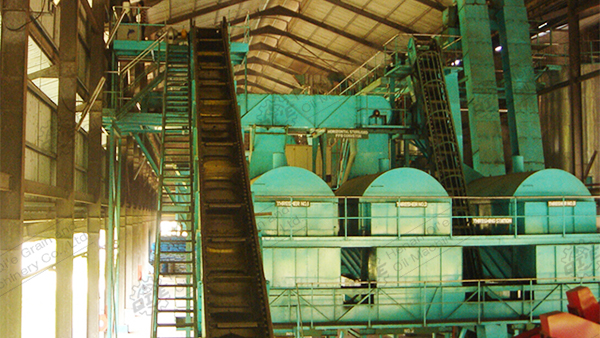
Developing and adhering to standardized maintenance procedures is fundamental to preventing equipment failures. A well-structured preventive maintenance program should include:
Is your palm oil processing line experiencing frequent downtime or quality inconsistencies? QIE Group offers customized equipment upgrade solutions designed to enhance reliability, improve product quality, and reduce operational costs.
Our team of specialized engineers will conduct a comprehensive assessment of your current operations and develop a tailored plan that incorporates the latest advancements in filtration technology, steam management, and predictive maintenance systems. With QIE Group expertise, palm oil producers typically see a 35% reduction in unplanned downtime and a 12-18% improvement in overall equipment effectiveness within the first year of implementation.
By implementing the strategies outlined in this guide and leveraging modern monitoring technologies, palm oil processing facilities can significantly improve operational reliability, reduce maintenance costs, and ensure consistent product quality. The key to success lies in adopting a proactive approach to equipment management, where potential issues are identified and addressed before they impact production.
Remember that every palm oil processing facility has unique challenges based on its specific equipment configuration, feedstock characteristics, and production goals. A customized approach to maintenance and equipment optimization, such as those provided by industry leaders like QIE Group, often yields the most significant improvements in operational efficiency and profitability.
 fully automated sesame oil production line
grain and oil machinery automation
sesame oil production efficiency
energy-saving sesame oil equipment
automated grain oil processing solutions
Modular rapeseed oil production line
Edible oil production line construction
Quick production start - up
Flexible production capacity configuration
International food production standards
PLC control system
edible oil production line
motor synchronization fault
industrial automation troubleshooting
automated filling line optimization
rapeseed oil production
cold pressing
solvent extraction
oil yield and nutrient retention
edible oil process comparison
automated grinding and pressing equipment
oil mill equipment selection
corrosion resistant materials
mechanical stability
oil production line efficiency
fully automated sesame oil production line
grain and oil machinery automation
sesame oil production efficiency
energy-saving sesame oil equipment
automated grain oil processing solutions
Modular rapeseed oil production line
Edible oil production line construction
Quick production start - up
Flexible production capacity configuration
International food production standards
PLC control system
edible oil production line
motor synchronization fault
industrial automation troubleshooting
automated filling line optimization
rapeseed oil production
cold pressing
solvent extraction
oil yield and nutrient retention
edible oil process comparison
automated grinding and pressing equipment
oil mill equipment selection
corrosion resistant materials
mechanical stability
oil production line efficiency


.png?x-oss-process=image/resize,h_100,m_lfit/format,webp)
.png?x-oss-process=image/resize,h_100,m_lfit/format,webp)
.png?x-oss-process=image/resize,h_100,m_lfit/format,webp)