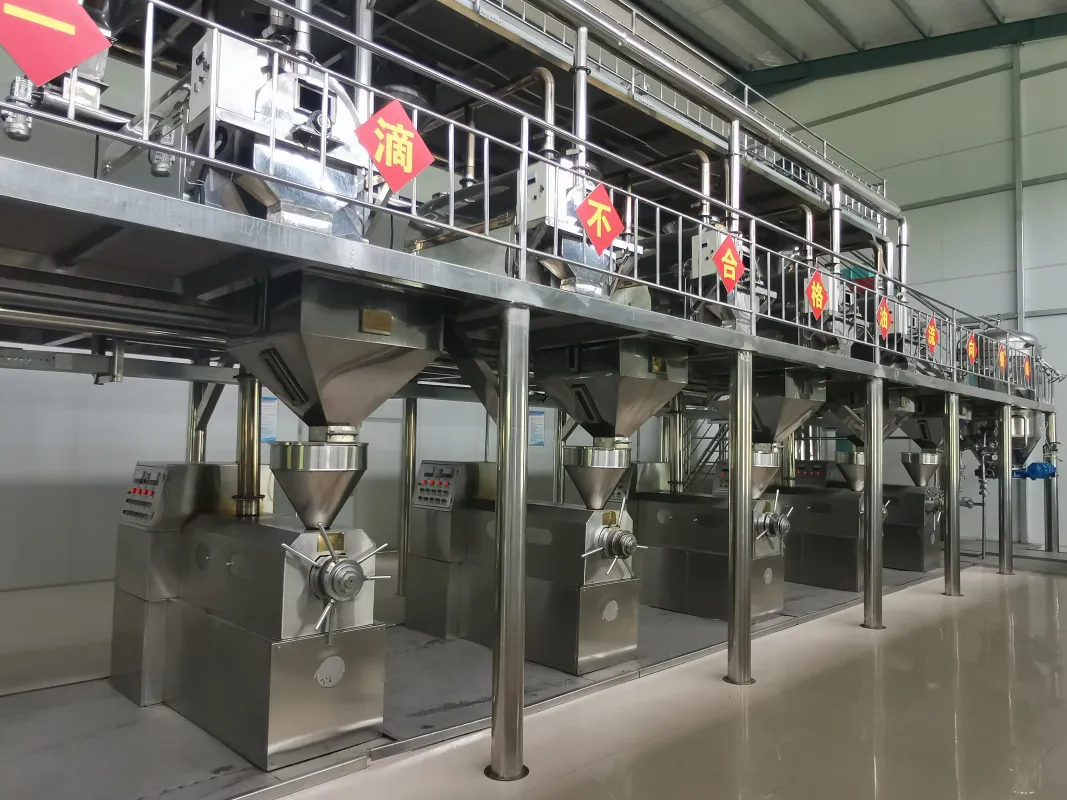
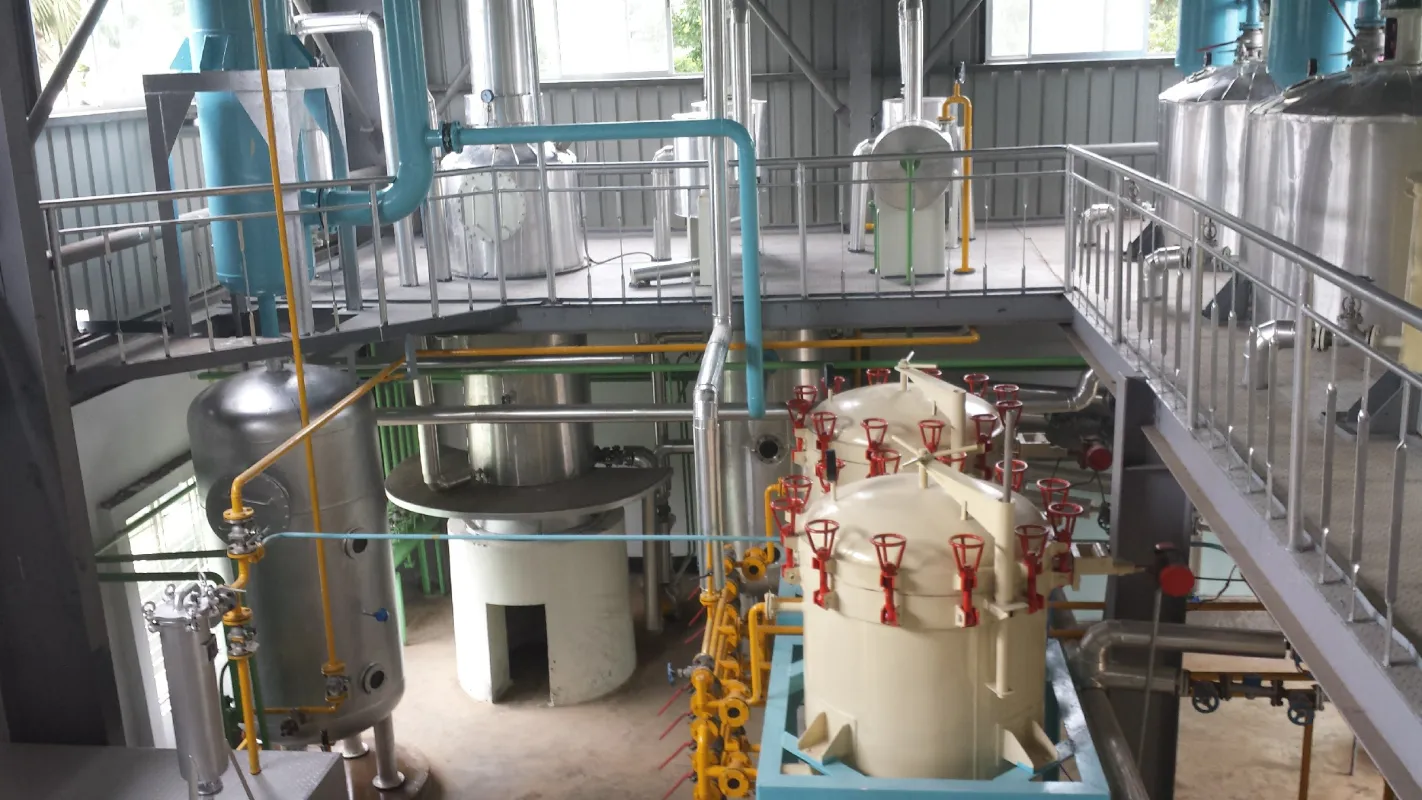
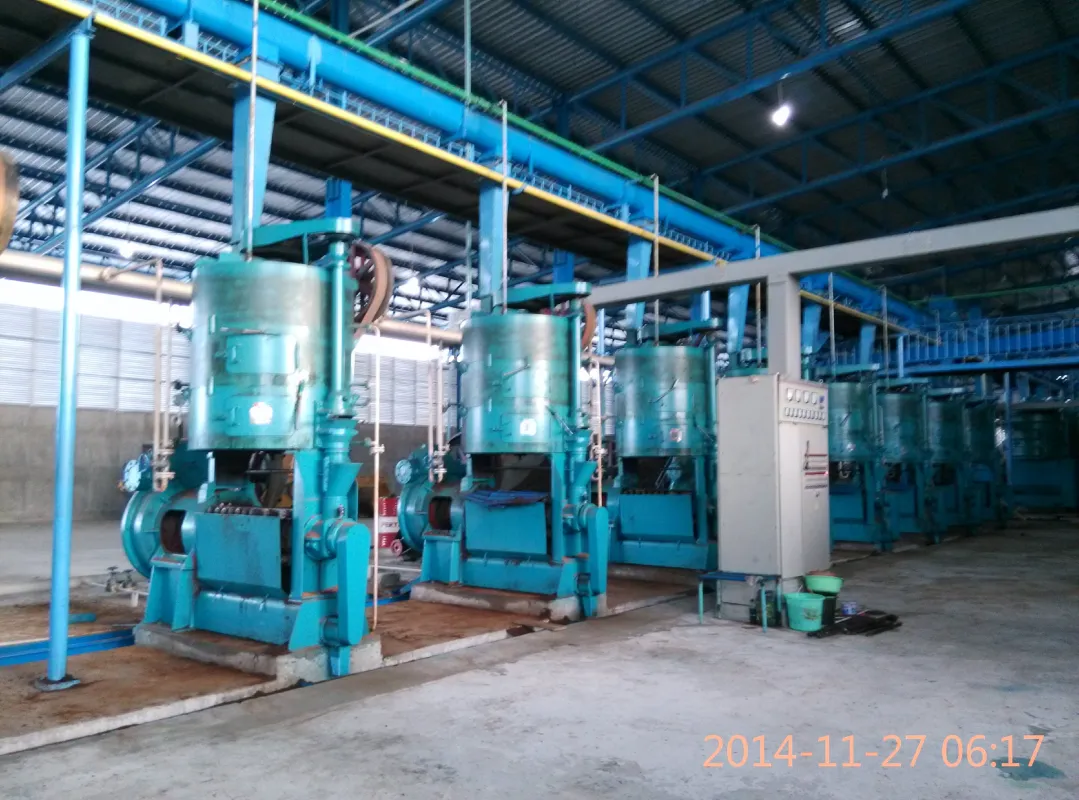
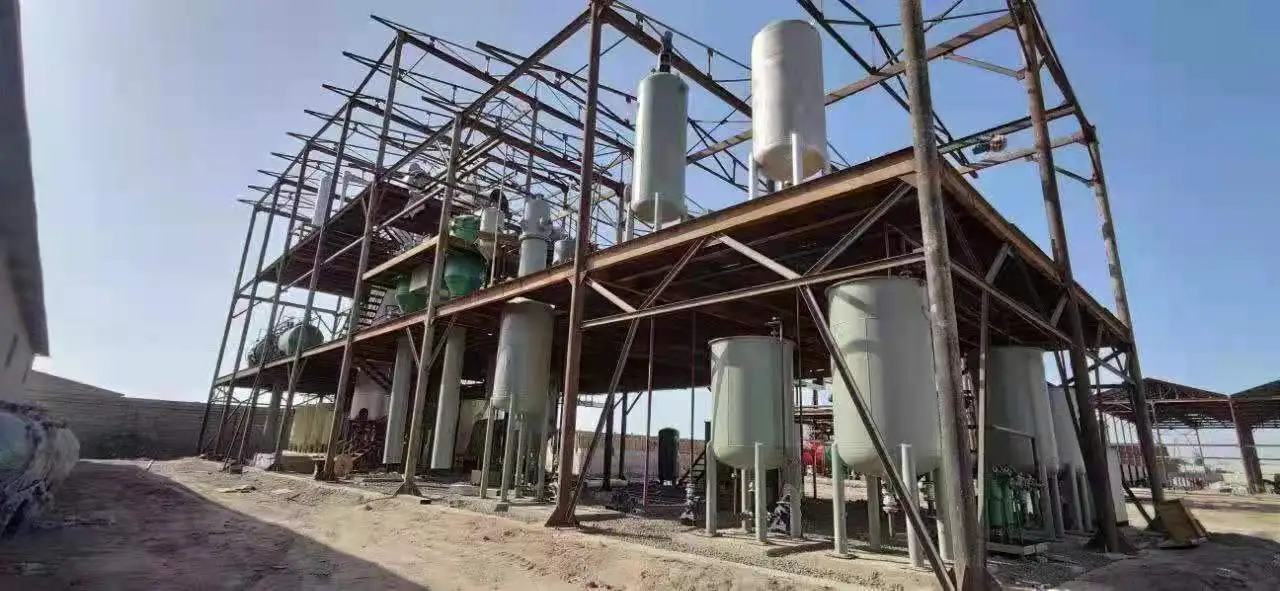
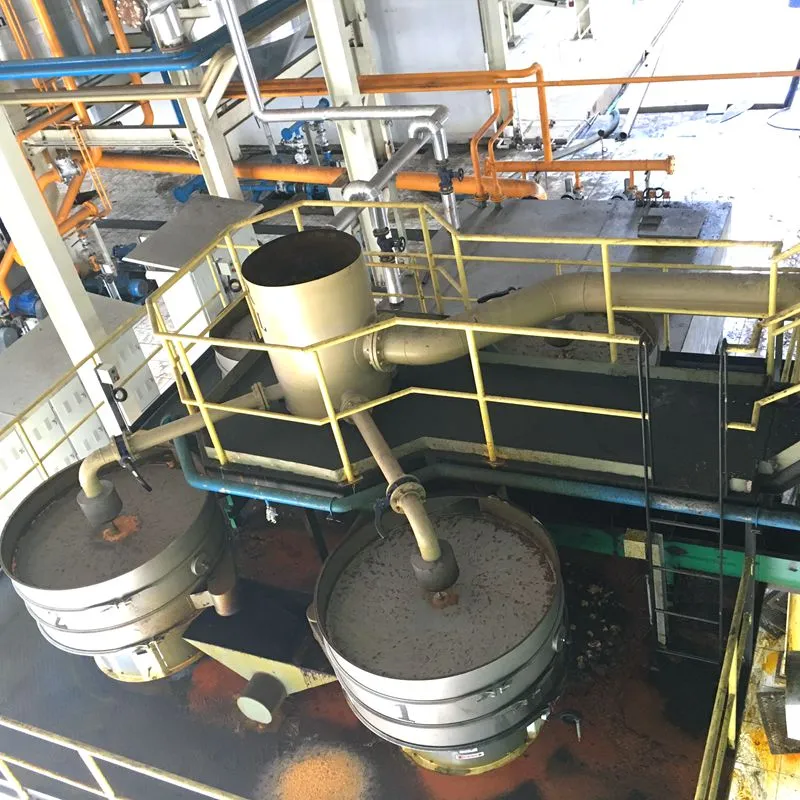
In the palm oil industry, unplanned downtime can cost producers up to $5,000 per hour in lost production, according to industry reports. Two of the most persistent issues facing mill operators are filter clogging and low degumming efficiency, which together account for approximately 62% of all equipment-related production interruptions. This article explores practical solutions to these challenges, drawing on field experience and advanced monitoring technologies to help maintenance teams improve operational reliability.
Filter systems are critical for maintaining oil quality, yet they are prone to clogging due to several factors. The primary culprits include excessive solid particles (above 0.5% by weight in crude oil), temperature fluctuations outside the optimal 85-90°C range, and improper filter media selection.
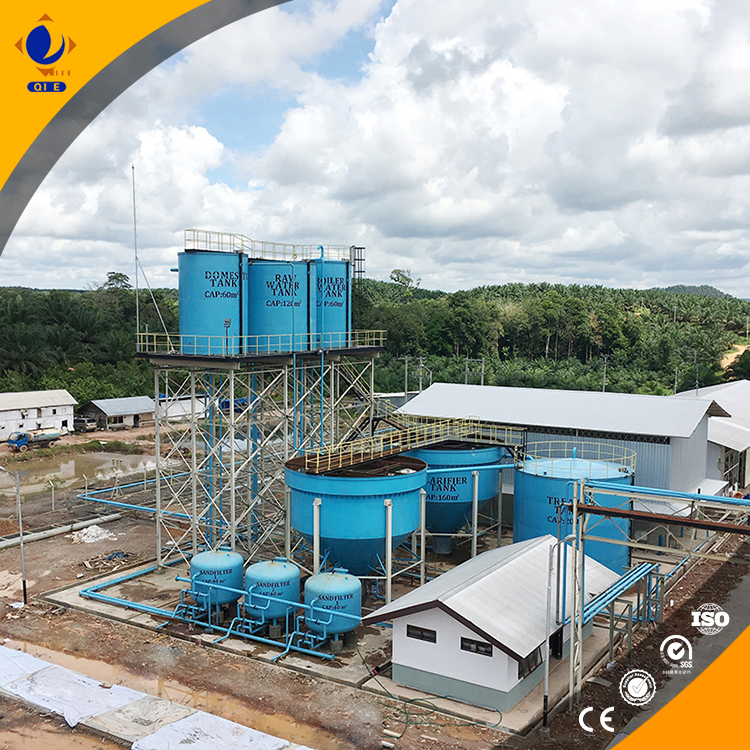
Preventive measures include implementing a strict pre-filtration process, calibrating temperature control systems weekly, and establishing a filter media replacement schedule based on pressure differentials rather than fixed time intervals. Most efficient mills replace filter media when differential pressure reaches 1.2 bar, rather than on a set calendar basis.
Degumming is a critical step that affects both oil quality and downstream processing efficiency. Studies show that inefficient degumming can reduce overall oil yield by 1.5-3% and increase refining costs by up to 12%. Common causes include incorrect phosphoric acid dosage, inadequate mixing intensity (below 600 RPM), and suboptimal reaction time (less than 30 minutes).
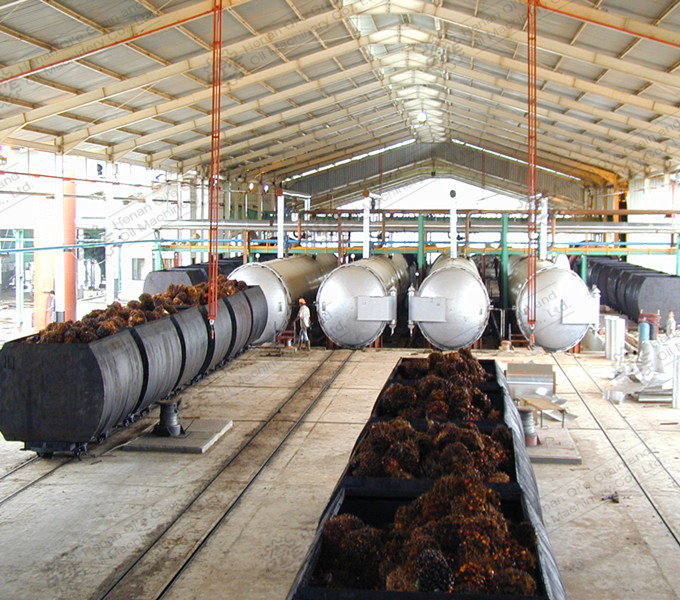
Modern palm oil processing lines equipped with international certification standards now feature advanced self-diagnostic capabilities and remote monitoring systems. These technologies can predict potential failures up to 72 hours in advance, allowing maintenance teams to address issues before they cause downtime.
Key technological advancements include vibration analysis sensors that detect bearing wear, temperature monitoring systems with real-time alerts, and predictive analytics platforms that analyze historical performance data. Mills utilizing these technologies report a 35% reduction in unplanned downtime and a 28%延长 in equipment lifespan.
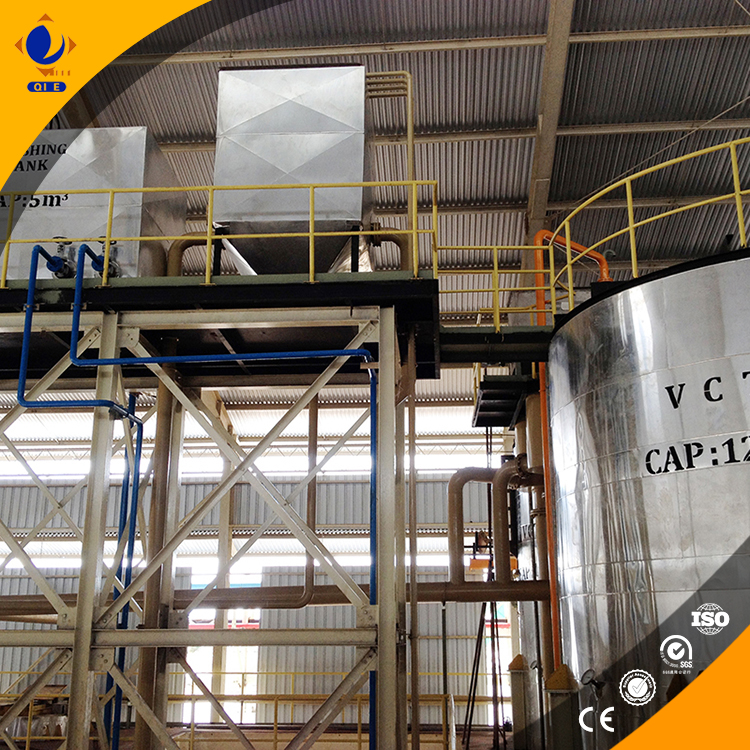
企鹅集团提供的新一代棕榈油加工设备整合了先进的故障预防技术和智能监控系统,帮助油厂显著提升运营效率。我们的设备不仅符合国际认证标准,还具备自适应学习能力,能够根据您的特定生产条件优化性能。
A structured preventive maintenance program is essential for minimizing equipment failures. Best practices include daily visual inspections, weekly lubrication checks, monthly calibration of critical sensors, and quarterly comprehensive equipment audits. Maintenance teams should document all inspections using a standardized checklist to identify recurring issues.
Training is another critical component. Operators who receive regular training on equipment operation and basic troubleshooting can identify potential issues before they escalate. Mills with structured training programs report 27% fewer equipment failures compared to those without formal training protocols.
 palm oil production line customization
palm oil mill equipment selection
modular palm oil mill equipment
automated palm oil processing
QIE Group palm oil solutions
rice bran oil refining
critical control points management
online detection technology
automated food processing
food safety in oil production
modular rapeseed oil production line
edible oil manufacturing solutions
rapid commissioning
flexible capacity configuration
international standard edible oil production
automated grinding and pressing equipment
sunflower oil production line
corrosion-resistant material selection
food-grade stainless steel
oil mill equipment durability
large grain and oil mill automated production line
equipment selection guide
corrosion-resistant materials
automated control system
production efficiency improvement
palm oil production line customization
palm oil mill equipment selection
modular palm oil mill equipment
automated palm oil processing
QIE Group palm oil solutions
rice bran oil refining
critical control points management
online detection technology
automated food processing
food safety in oil production
modular rapeseed oil production line
edible oil manufacturing solutions
rapid commissioning
flexible capacity configuration
international standard edible oil production
automated grinding and pressing equipment
sunflower oil production line
corrosion-resistant material selection
food-grade stainless steel
oil mill equipment durability
large grain and oil mill automated production line
equipment selection guide
corrosion-resistant materials
automated control system
production efficiency improvement


.png?x-oss-process=image/resize,h_100,m_lfit/format,webp)
.png?x-oss-process=image/resize,h_100,m_lfit/format,webp)
.png?x-oss-process=image/resize,h_100,m_lfit/format,webp)